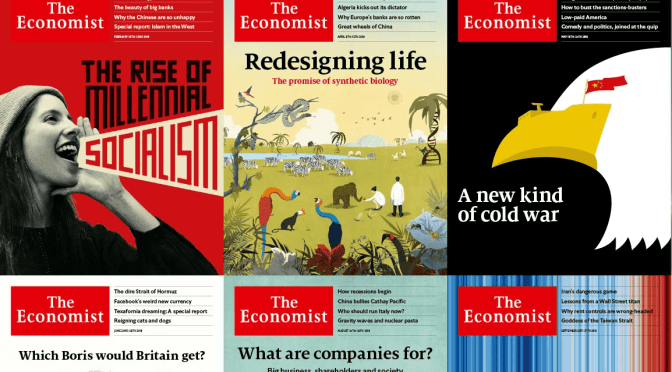
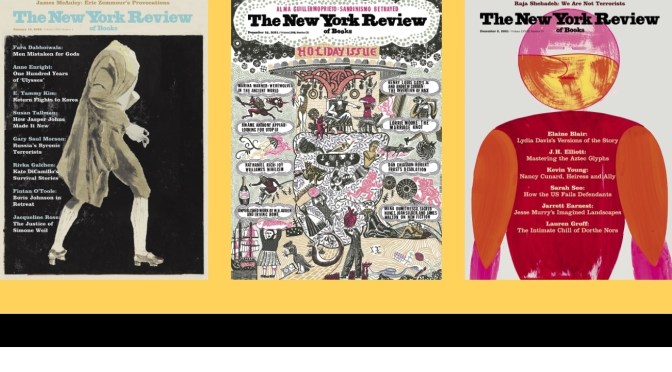
In 1959 Elizabeth Hardwick complained that American book reviews were drowning in praise. Sixty-seven years later the complaint still stands, and a new Intellicurean essay asks a harder question: who is left to be wrong?
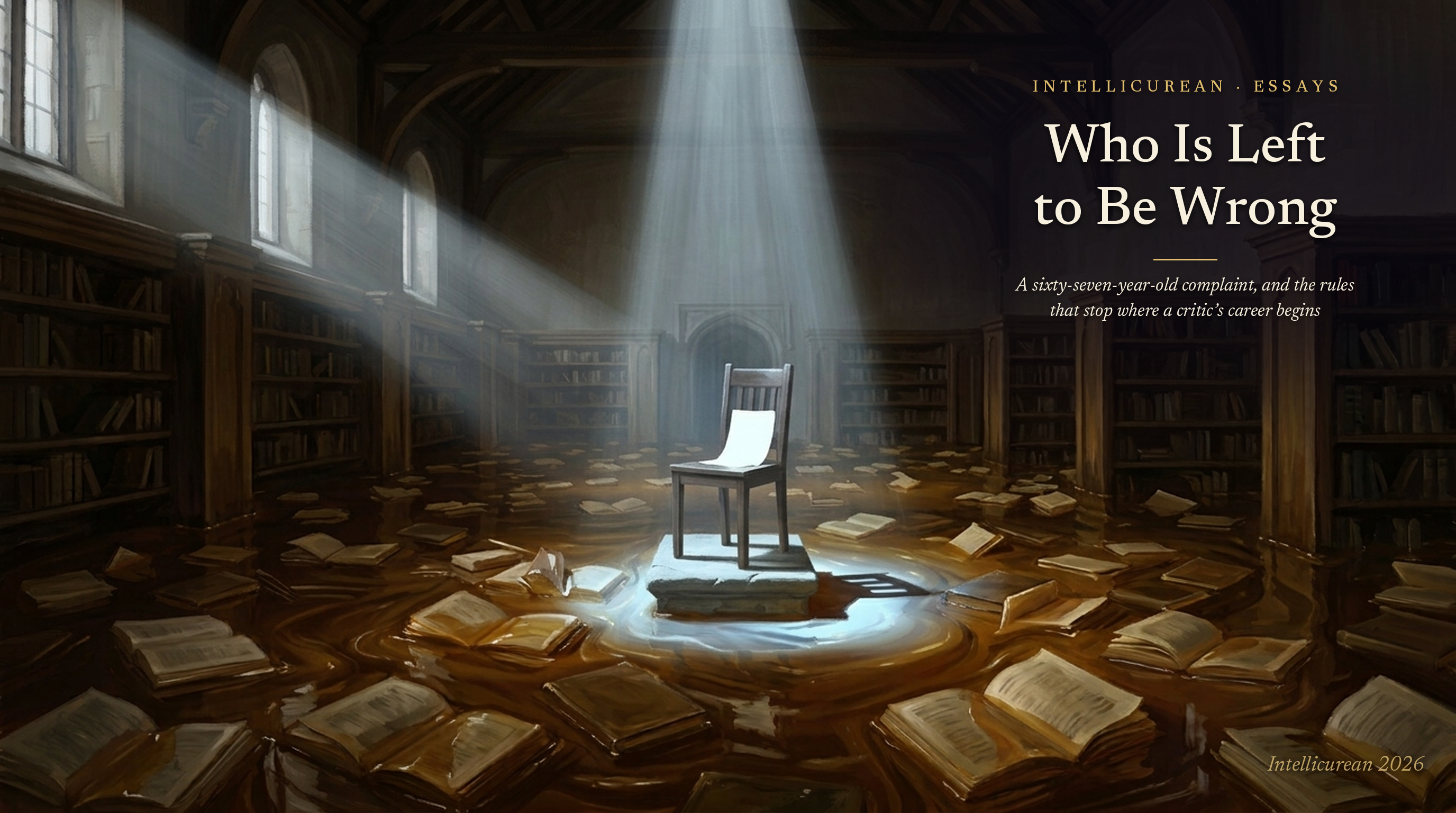
An empty chair above a flood of praise, made for the essay.
Why we’re pointing you there
Hardwick’s “The Decline of Book Reviewing” is the most famous complaint about soft criticism, and Who Is Left to Be Wrong begins by taking her at her word, numbers and all. From there it moves through Rosalind Krauss’s six-word claim about video, a BuzzFeed pledge borrowed from Thumper, and Edmund Wilson’s six-month public quarrel with Vladimir Nabokov. Then it opens the published guidelines of twelve leading review outlets to see what any of them actually says about judgment.
What we liked most is that the essay holds itself to its own standard. Its claim narrowed when the evidence came back against it, and it abandoned a count it couldn’t make honestly, saying so plainly at the end. Along the way it arrives at a sentence about favours that haven’t happened yet, and we haven’t stopped thinking about it.
The weight of a favour not yet done, made for the essay.
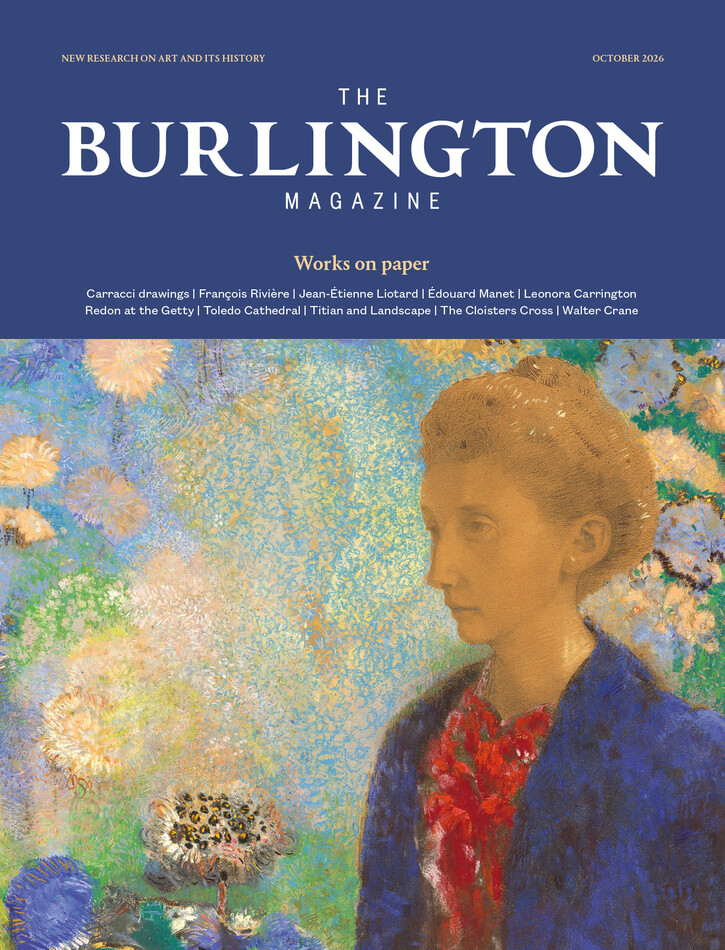
What is the largest art-history library in the world? The answer to this question depends of course on how you measure size, but an institution that might reasonably claim such a status is the RKD in The Hague. The RKD has for decades been a vast and invaluable library and archive, carefully nurtured by expert librarians and archivists (or ‘curators’ as they have long been described).
A new drawing by Édouard Manet
A newly identified drawing in a private collection of a crouching girl is a characteristic example of the red-chalk life studies that Édouard Manet made in the 1860s, influenced by his close study of Renaissance draughtsmanship in Florence. Although squared for transfer, the drawing has not yet been linked to any known composition by the artist.
Mistaken identities: Liotard’s 1762 portrait of Marie-Antoinette
A refined portrait by Jean-Étienne Liotard in the Musée d’art et d’histoire, Geneva, has long been identified as depicting Marie-Antoinette as a child. New research establishes, however, that it is a drawing of another member of the imperial Habsburg family and also reveals a hitherto unidentified likeness of Marie-Antoinette.
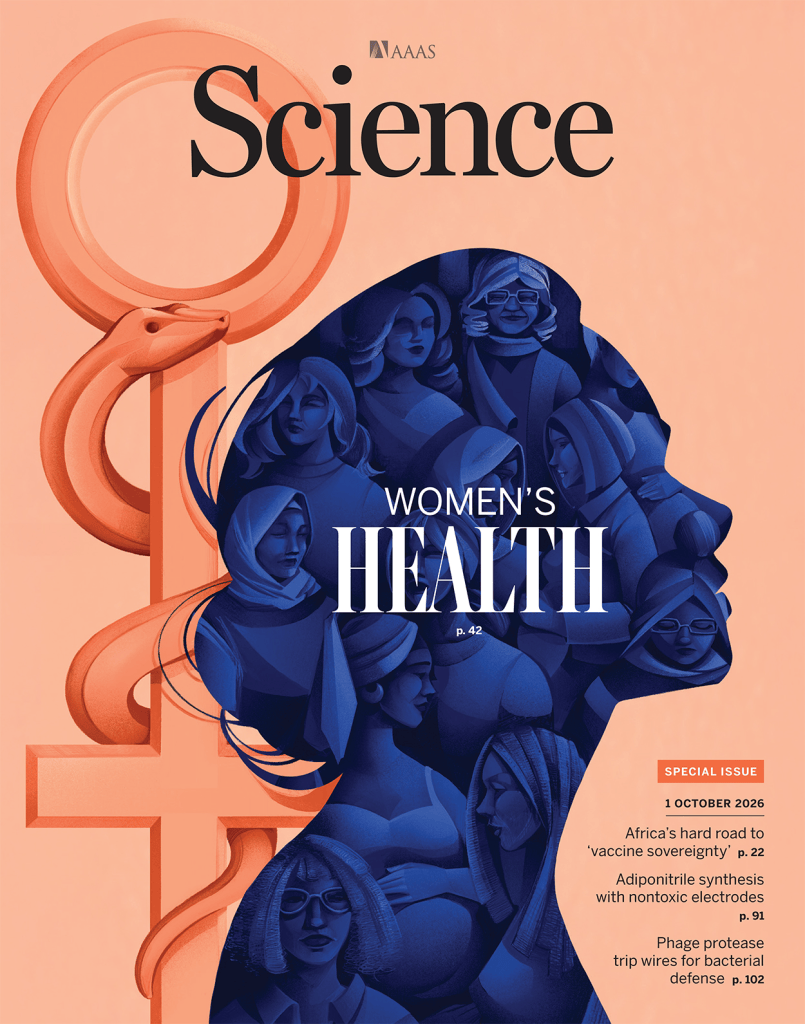
Historically, most human studies have involved male participants, and their findings were assumed to apply to women and children as well. Meanwhile, women’s health typically came up in the context of reproduction and childbearing, if at all. However, biomedical science has come a long way over the years, and it has become increasingly clear that there are sex-dependent differences in many diseases that do not involve reproduction and that occur at all ages. Across all areas of women’s health, including both reproductive and nonreproductive conditions, much remains to be learned about the underlying biology, effects of hormones and genetics, and potential therapeutic interventions.
Sex differences have traditionally been attributed to gonadal hormones, but accumulating evidence shows that sex chromosomes exert distinct, cell-autonomous effects on health, aging, and disease. XX and XY complements alter gene dosage, epigenetic programming, immune signaling, metabolism, and cellular stress responses, which shape aging and disease trajectories in women and men. This Review integrates mechanistic advances in sex chromosome biology—including escape from X chromosome inactivation, X reactivation, parent-of-X-origin, X-skew, X- and Y-linked gene functions, and Y loss—with aging, neurologic disease, immunity, cancer, and cardiometabolic disease. We highlight insights from mouse models, human studies, and emerging technologies that disentangle hormone-driven effects from chromosome-mediated effects and discuss translational implications for diagnostics, biomarkers, therapeutics, and clinical trial design, emphasizing the integration of sex chromosome biology into precision medicine.
Reframing menopause and menopause hormone therapy as opportunities for healthy aging
Menopause is an important biological transition with up to 72 symptoms that shapes aging trajectories across organs and encompasses ~40% of the female lifespan. Although menopause awareness is increasing, research on strategies for menopause symptom management and optimizing health in the postmenopausal period is lacking. This Review highlights that menopause characteristics, such as type, timing, and symptom burden, influence health outcomes and later-life disease risk. Similarly, menopause hormone therapy comes in >200 varieties that differ by dose, formulation of estrogens and progestogens, and timing, each with their own distinct risk-benefit profiles. These distinctions are often missed in the literature but have considerable repercussions for outcomes. Optimized menopause care necessitates a precision medicine approach that considers menopause symptoms, genetics, and previous hormone exposures.
Capt. Smit Machchhar, who was stabbed by his co-pilot midair between Dubai and Tel Aviv, said he “had to act” to prevent a crash despite serious injuries.
Socrates said written words can’t answer a question. Under a professor’s essay repeating his complaint, readers answered by the hundreds, and the professor answered them back, in writing.
Pages taking flight, and a man turned back at the stream, made for the essay.
Why we’re pointing you there
On September 29 The New York Times ran a guest essay by Joe Cruz, who chairs philosophy at Williams College, arguing that writing isn’t as important as we think. He leaned on Plato’s Phaedrus, where Socrates says a written text can’t answer questions or defend itself. Within a day about 1,200 readers had written back. Michael Cummins returns to the dialogue and finds three objections there, not one. He gives Cruz his due on the oral exam and on why universities love the essay. Then he follows the most-recommended reply in the thread: if at least half the class did better aloud, as many as half did not.
What we liked most is watching a thesis improve in public. Pressed by his commenters, Cruz conceded that writing is “no small thing,” perhaps one of the most profound tools we have for abstract thought, and he conceded it in writing. The essay goes on to defend the revision Cruz calls a refuge. It ends at the river in the Phaedrus, where Socrates turns back without anyone asking him to. A machine that will answer anything has met Socrates’ first objection. The essay asks whether it could ever meet that one.
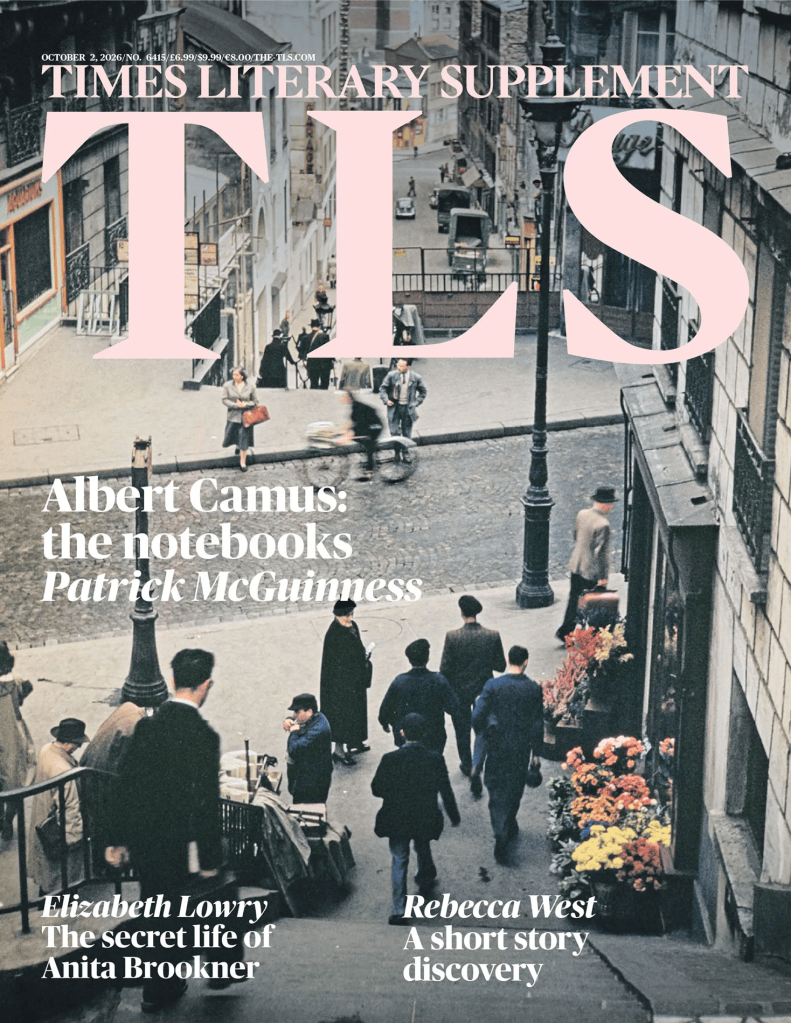
“Sadness of success”, writes Albert Camus in a notebook entry for June 25, 1947: “If everything were more difficult for me, as before, I’d have much more right to say what I say”. The success in question was winning the Prix des Critiques for La Peste (The Plague), published a fortnight earlier. It could be worse, the reader wants to tell him by way of consolation: you could have won the Nobel. Fast-forward ten years and the entry for October 17, 1957, reads: “Nobel. Strange feeling of overwhelming weight and melancholy. At 20 years old, poor and naked, I knew true glory. My mother”.
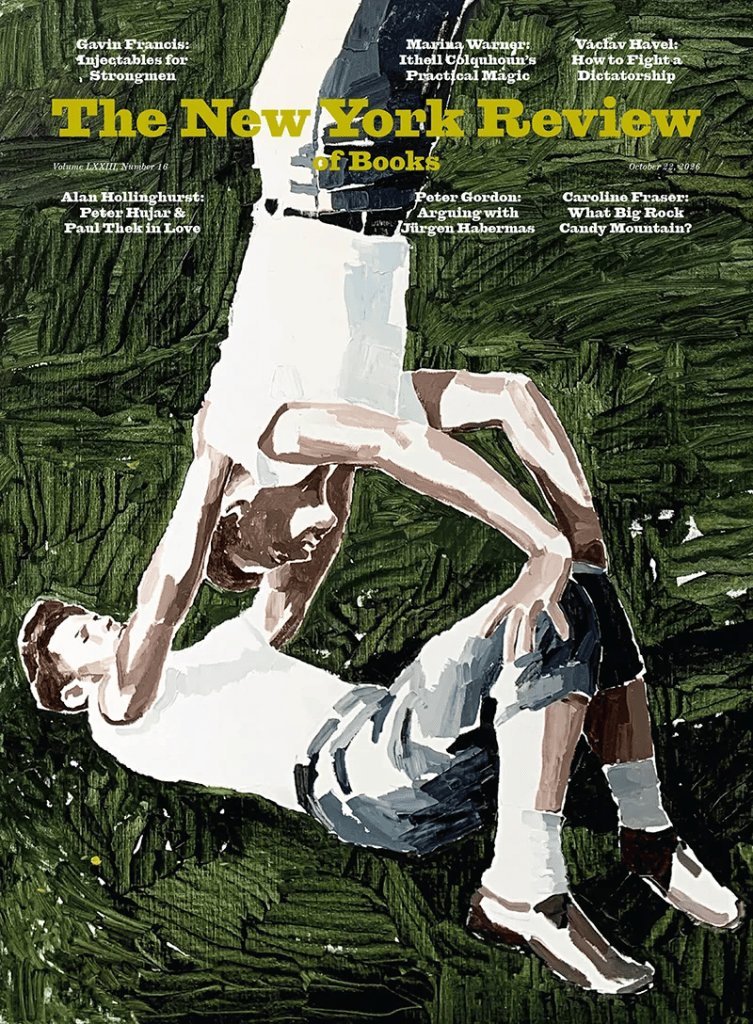
From its origins in the classical physique and homoerotic spectacle, bodybuilding today often involves the use of steroids whose dangers are not properly understood.
When Fitness Went Global: The Rise of Physical Culture in the Nineteenth Century by Conor Heffernan
A Genealogy of Male Bodybuilding: From Classical to Freaky by Dimitris Liokaftos
Muscle Works: Physical Culture and the Performance of Masculinity by Broderick D.V. Chow
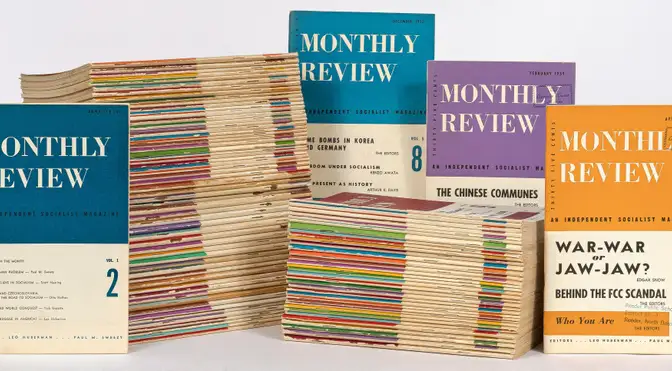
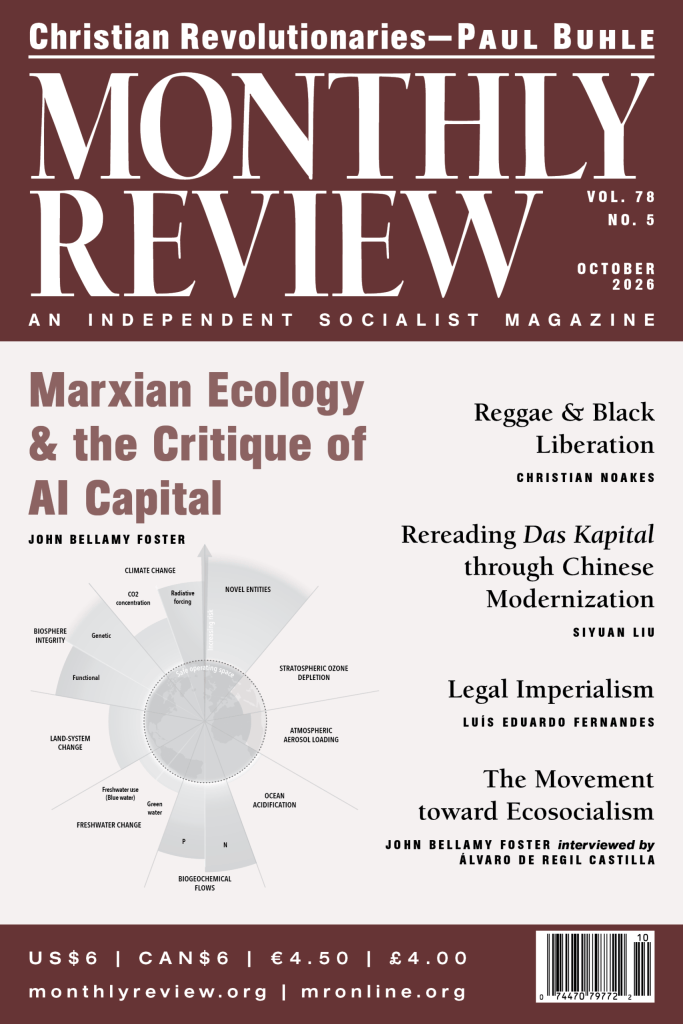
What is the rise of AI capital, and what does it mean for contemporary work, culture, and the ecological state of our planet? John Bellamy Foster dispels the myth of a “hyperorganized AI capitalism.” As Foster writes: “We are not entering a stable new age…but rather a new, capitalist-engendered global disorder in which humanity, according to climate science, is headed ever more rapidly toward a planetary ‘point of no return.'” The only way out—the only way, that is, to ensure the survival of humanity—is a radical shift away from the catastrophically destructive regime of capital accumulation and toward sustainable human development through socialism.
Paul Buhle reviews The Radical Jewish Tradition by Donny Glickstein and Janey Stone. The book, Buhle writes, is a window onto “the antinomies of nineteenth-century Jewish life”—including the growing movement against Zionism and for socialism among Eastern European Jews. This authors, Buhle notes, also tells the story of Jewish communists in Britain, the United States, and beyond, taking into account the wide sweep of Jewish left activity globally, situating the present struggles against genocide in Palestine squarely within the legacy of radical Jews everywhere.
Today’s resurgence in U.S. imperialist interventions abroad and the concomitant so-called crisis of the “rules-based order” can be explained, Luís Eduardo Fernandes argues, through the category of “legal imperialism, which refers to how the international juridical form is internalized within societies and in the context of dependency, colonialism, unequal exchange, and monopoly capital. “International law and imperialism,” Fernandes writes, “do not stand as opposing poles. They are part of the same unity.… Violence is constitutive of the juridical form.”
Despite a hard-and-fast refusal to discuss Lilith for nearly six years on my social media platform, Jewitches, she remains the most popular question, request, and topic of discussion…Many know her as merely Adam’s first wife, the prequel to Eve, but her history is far more complex.
News, Views and Reviews For The Intellectually Curious