Category Archives: Research

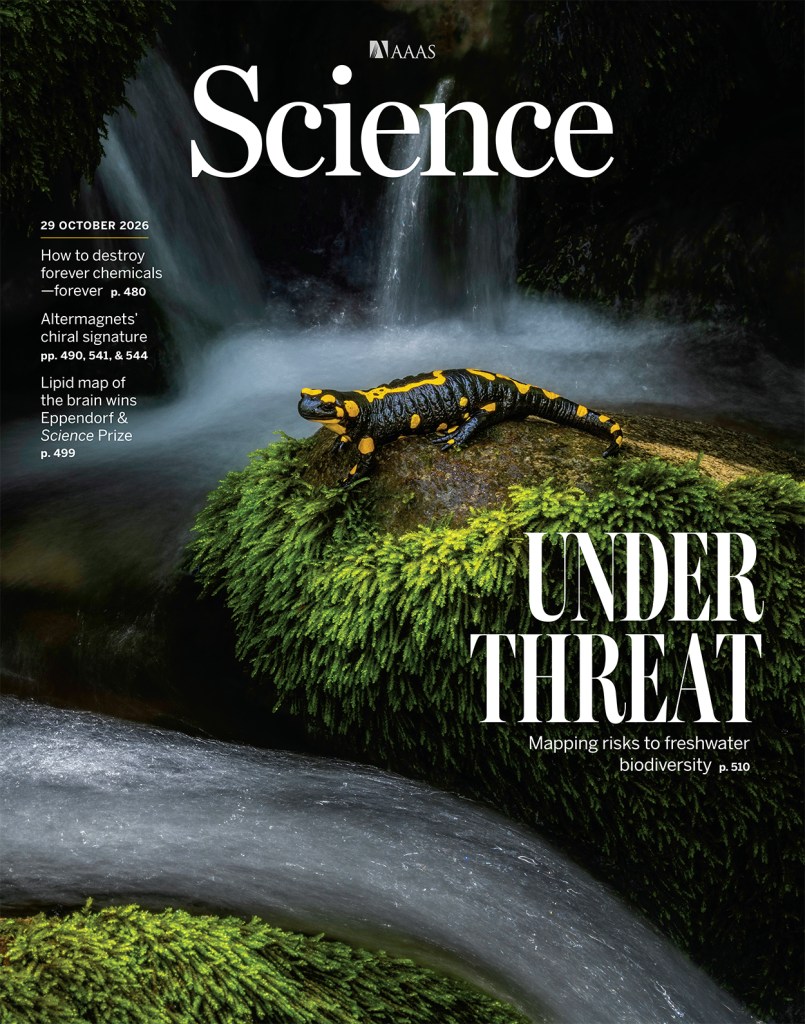
SCIENCE MAGAZINE – OCTOBER 29, 2026

SCIENCE MAGAZINE: The latest issue features ‘UNDER THREAT’ – Mapping risks to freshwater biodiverisity.

Wind turbines kill ‘shocking’ number of bats each year

Deaths can be prevented by adjusting when wind turbines operate

AI is shaking up math. But can its proofs be trusted?

As AI companies churn out math breakthroughs, their proofchecking system comes under scrutiny

Kennedy rejects NIH director’s pick for mental health institute

MAHA-aligned leader in “metabolic psychiatry” is now favored

Could your chatbot tip off a scientific rival? It’s possible, researchers say

AI experts offer tips for keeping sensitive research private

Milestone cancer vaccine success leaves hard questions unanswered

Messenger RNA vaccine from Merck and Moderna slashes risk of melanoma’s return, but why remains unclear

NEW SCIENTIST MAGAZINE – OCTOBER 31, 2026

NEW SCIENTIST MAGAZINE: This issue features ‘THE REGENERATING BRAIN’ – The unexpected discovery that it’s never too late to grow new neurons – and how to harness it.

Your brain’s unexpected ability to regenerate and how to harness it

The controversial discovery that our brains can generate new neurons surprisingly late in life is now prompting a rethink of adult brain health, pointing the way to better treatments for stroke, dementia and depression By Jamie Ducharme

Does Sabrina Pasterski’s holographic theory make her the next Einstein?

Often described as a genius, physicist Sabrina Pasterski built and flew her own plane by the age of 16 and is now developing a mind-bending idea that could finally unify gravity and quantum theory By Miriam Frankel

The understanding that even bees have feelings is changing our view of consciousness

The world’s first spinal cord transplant has been performed in Russia

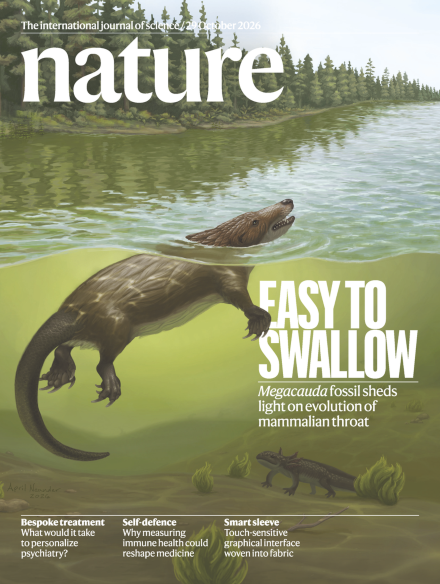
NATURE MAGAZINE – OCTOBER 29, 2026

Volume 658 Issue 8138

NATURE MAGAZINE: The latest issue features ‘EASY TO SWALLOW’ – Megacauda fossil sheds light on evolution of mammalian throat.

AI doctors’ orders come with a sky-high bill

Large language models suggest more tests, referrals and medications than human physicians do, driving up the cost of care.

Surprise! White dwarf stars come in a rainbow of colours

Analysis of some nearby stars shows that, despite their name, these bodies can be pink, yellow and more.

Sleep declines in rural communities after electricity arrives

Scientists tracked the changing sleep patterns of Indigenous people in Argentina who gained access to mains electricity — and smart phones.

Toxic chemicals in fentanyl revealed by speedy technique

Chemical fingerprinting charts the rises and declines of specific adulterants in illicit supplies of the drug.

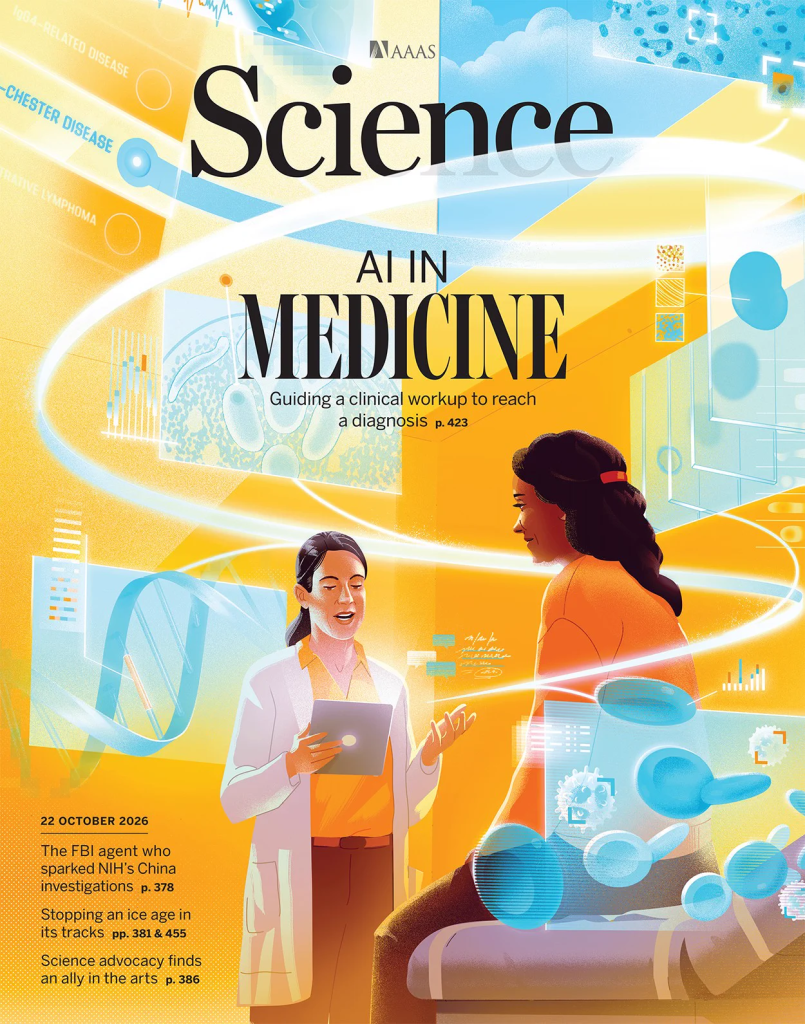
SCIENCE MAGAZINE – OCTOBER 22, 2026

SCIENCE MAGAZINE: The latest issue features ‘AI IN MEDICINE’ – Guiding a clinical workup to reach a diagnosis….

Vaccine trial is a ray of hope in Congo’s Ebola epidemic

Study will first test “mismatched” vaccine but Bundibugyo-specific shots may be added soon

Across fields, AI finds solutions hiding in plain sight

“BootLoops” software enabled researchers to quickly find and attack problems in 22 disciplines

How the domestication of a killer bacterium led to Botox

Scientists inadvertently turned C. botulinum into a tool for medicine and the beauty industry, study finds

Microwave observatory peers into the infant universe

In Chile, Simons Observatory begins hunt for galaxy clusters and signs of cosmic inflation

Deep-sea life is still reeling from the BP oil spill

A 13-year study shows Gulf of Mexico ecosystems still haven’t recovered

Iron at Earth’s heart may take a surprising form

X-ray experiments reveal cubic crystals that could complicate the picture of the inner core

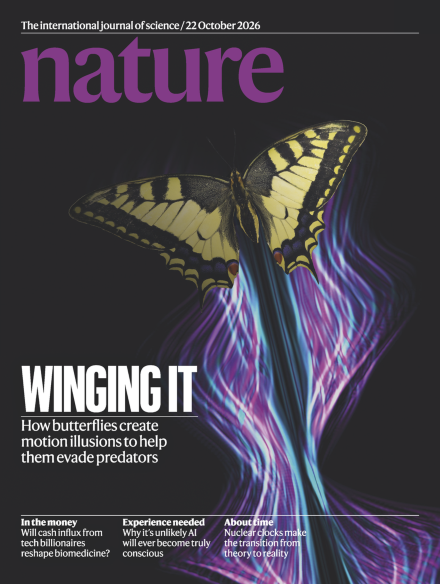
NATURE MAGAZINE – OCTOBER 22, 2026

Volume 658 Issue 8137

NATURE MAGAZINE: The latest issue features ‘WINGING IT’ – How butterflies create motion illusions to help them evade predators.

Light and mirrors move large quantum computers closer to reality

Scientists improve photon-collecting device that could be used to connect multiple quantum-computing arrays.

Lead-tainted teeth reveal medieval mines’ unequal toll

Burials in the United Kingdom’s Peak District, one of Europe’s largest lead-production regions in centuries past, hint at social inequality.

Orangutan mothers arrange play dates for their babies

Solitary primates spend energy and time travelling to patches of forest for get-togethers.

Growing plane and ship traffic degrade the air of western North America

Pollution from transport across the Pacific Ocean is raising ozone levels above a region whose own emissions have dropped.

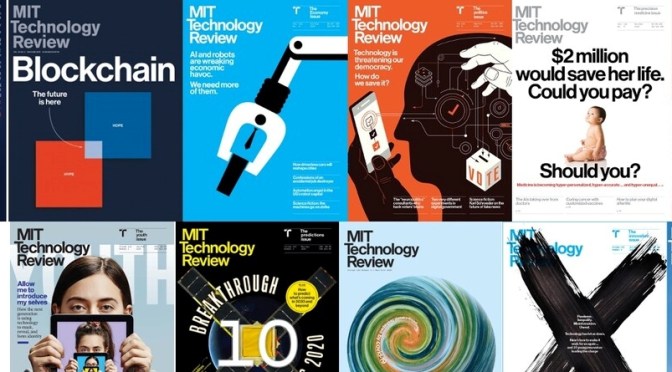
MIT TECHNOLOGY REVIEW NOVEMBER/DECEMBER 2026

MIT TECHNOLOGY REVIEW: The Impossible issue features ‘Is it fun to dream about living on the moon or uploading our brains?’ For sure. But questing after the impossible is about way more than pipe dreams. This issue explores what we can do when we have the audacity to push for our most daring goals, from synthesizing blood to building AI with real guardrails. Plus: A bionic eye, the AI companies training models with dead startups’ data, and more.

Are we there yet?

Some transformative technologies have been “coming soon” for years. We ran progress reports on six big ideas to see how close they are to reality.

We ran progress reports on six potentially transformative technologies and ideas that have been “just around the corner” for years or, in some cases, decades. We called up experts with a bird’s-eye view of the fields to get a sense of what’s holding things back, and we chatted with folks running the studies, crunching the data, and building the prototypes that could make these dreams into realities. Then we placed each idea on a progress meter ranging from 0 to 10—0 being “We don’t even know where to begin” and 10 being “We did it!”

What it would take to build a city on the moon

Mars may be a hellhole, but the moon isn’t far behind.

The US military’s race to make fake blood

DARPA is funding a redoubled effort to develop a shelf-stable substitute for what field medics and trauma doctors need most: more blood.

These startups hope “blended” food will cut our appetite for red meat

Beef is a climate burden. Can “blended meat” finally succeed in getting us to cut back?

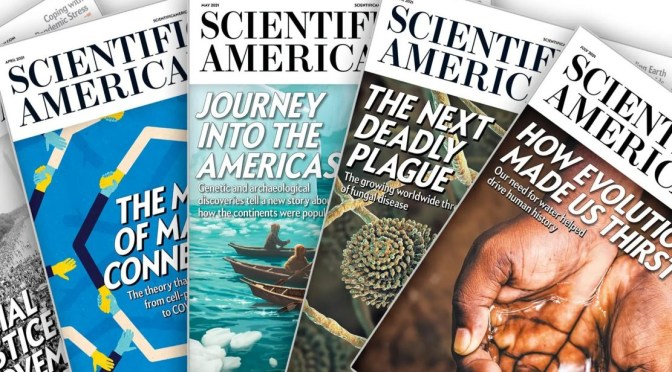
SCIENTIFIC AMERICAN MAGAZINE – NOVEMBER 2026

SCIENTIFIC AMERICAN: The latest issue features ‘ESCAPING THE INFINITE SCROLL’ – We’re addicted to social media. How do we get clean?

We’re addicted to social media. How do we get sober?

How doctors, scientists and “anonymous” programs are working to free people from their phones

Inside the bold, quixotic quest to store planet-warming carbon in the ocean

These start-ups are trying to suck CO2 from the air and stash in the sea. Is it working?

The provocative new theory that could explain aging and disease

Could disruptions in the flow of energy through mitochondria cause everything from type 2 diabetes to Alzheimer’s?

How uncertainty breaks the brain

Can our “prediction machine” brains learn to handle a world in chaos?

NEW SCIENTIST MAGAZINE – OCTOBER 17, 2026

New Scientist Magazine: This issue features ‘El Niño Emergency’…

This El Niño will bring predictable disasters, so why aren’t we ready?

We know that this monster El Niño will bring floods, droughts, cyclones and wildfires, but some governments aren’t putting in the necessary resources to prepare for disaster

The world may never go back to how it was after this monster El Niño

This El Niño is forecast to end around June next year after smashing all records, but its impacts could persist indefinitely in some parts of the world By Michael Le Page

A revolutionary way of targeting tumours could beat even the worst cancers 

Two large asteroids found spinning as fast as a fairground ride

Tattoos could be turned on and off with light

Neanderthal Europe was as much a wooden age as a stone age

Should we keep children away from sugar for their first 1000 days?

Hannah Fry: How OpenAI has caused an existential crisis in mathematics

NATURE MAGAZINE – OCTOBER 15, 2026

Volume 658 Issue 8136

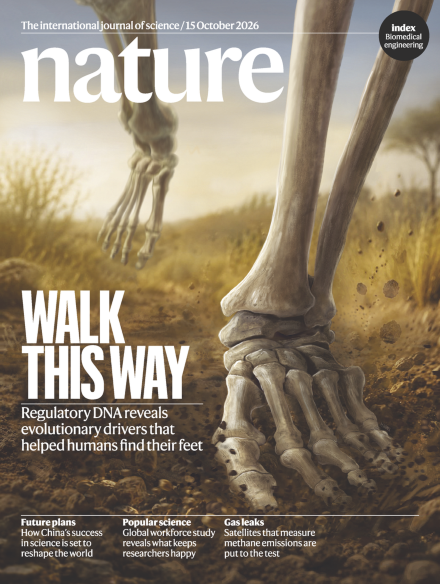
NATURE MAGAZINE: The latest issue features ‘WALK THIS WAY’ – Regulatory DNA reveals evolutionary drivers that helped humans find their feet…

Chimp and gorilla brains resist weight loss with age — unlike human brains

The relatively short lifespans of non-human great apes might explain why their brain mass is maintained in later life

Breaking down nerve-cell scaffold relieves chronic pain in mice

Results could help researchers to develop painkillers that are safer and more effective than existing treatments.

Unprecedented hole opened up in Antarctic winter sea ice

‘Rivers in the sky’ helped to keep an expanse of water roughly as big as Portugal ice-free.

The Solar System could die one billion times earlier than thought

Modelling suggests that the planets’ orbits will become destabilized inside one billion years once the Sun starts to shed mass.

AMERICAN SCIENTIST – NOVEMBER/DECEMBER 2026

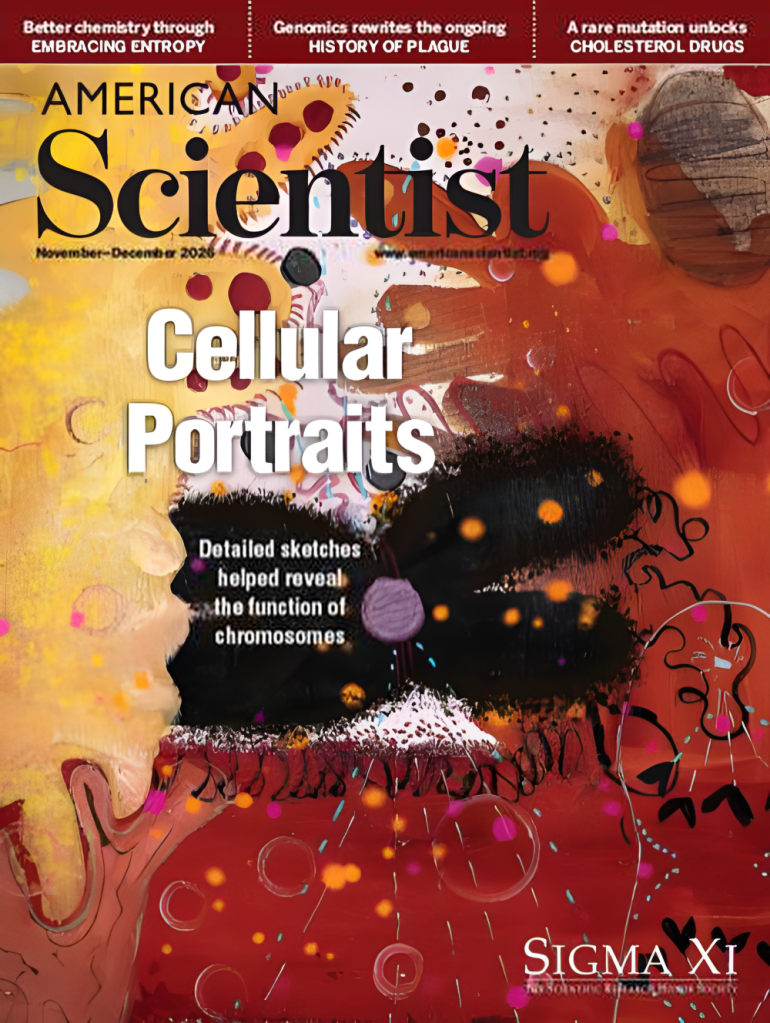
American Scientist Magazine: The latest issue features ‘Cellular Portraits’ – Detailed sketches helped reveal the function of chromosomes.

The Gene That Changed Cholesterol Treatment

Studies of rare mutations revealed a new way to lower LDL cholesterol—and led to an entirely new class of drugs.

By Philip A. Rea

In the early 2000s, geneticists Helen Hobbs and Jonathan Cohen at the University of Texas Southwestern Medical Center launched an ambitious effort to investigate cardiovascular health in Dallas County. Their study was unusual for the time. Rather than largely focusing on people of European ancestry, the Dallas Heart Study deliberately recruited a diverse population that reflected the region’s demographics.

QUICK TAKE
  • Rare genetic changes in a gene called PCSK9 help control low-density lipoprotein (LDL) cholesterol, the “bad” cholesterol linked to heart disease.
  • People who naturally make less of the PCSK9 protein have much lower LDL levels, pointing researchers toward new possibilities for lowering cholesterol.
  • That insight led to a new class of cholesterol-lowering drugs and showed how studying diverse populations can uncover important clues about disease.

Redrawing the Plague Maps

Ancient genomes are rewriting the history of Yersinia pestis infections across time and space.

By Monica H. Green

I spent much of my childhood in Colorado, which means that I, like millions of others living in the American West, grew up hearing warnings about the dangers of plague. People often find it shocking to learn that Yersinia pestis, the bacterium discovered in 1894 that is believed to have caused the mid-14th-century Black Death and other plague pandemics, is still around and dangerous, but that is one of many misperceptions about plague that need correcting. Plague’s multiple pandemics were not limited to the Black Death nor to Europe. And it is not a disease that disappears simply because no human cases are being reported at epidemic levels. Plague is not a thing of the past, and infections most definitely occur to this day.

QUICK TAKE

For centuries, our understanding of plague was riddled with assumptions based on a few historical accounts and data from modern plague victims.

Advances in genomics and bioarcheology now allow us to tie historical plague pandemics to human remains and even reconstruct the full plague family tree.

These data tell a new, broader story in which plague arrives earlier, stays later, and lurks in rural animal reservoirs before spilling over into human populations.

How Explanation Unlocks Deeper Understanding

The human drive to ask “why” can prompt abstract thinking and aid comprehension.

By Tania Lombrozo

Seeking and evaluating explanations can shape the very process of learning. Just like tasting the soup as you’re cooking can shift the final product toward a closer approximation of soupy perfection, explaining as you learn can change the course of learning itself, pushing you to find a closer approximation of a truly great explanation: one that covers all the relevant observations in the simplest way possible. But how does that work?

QUICK TAKE

The process of explaining is a powerful learning tool.From a young age, humans ask “why”; answering that question can reveal deeper meanings and reveal hidden patterns.

Explaining can unlock abstraction, a complex thought process that allows people to generalize from specific examples to identify common themes.

The need to know why can unlock learning, but it can also drive some people to latch on to patterns that do not exist, such as conspiracy theories.