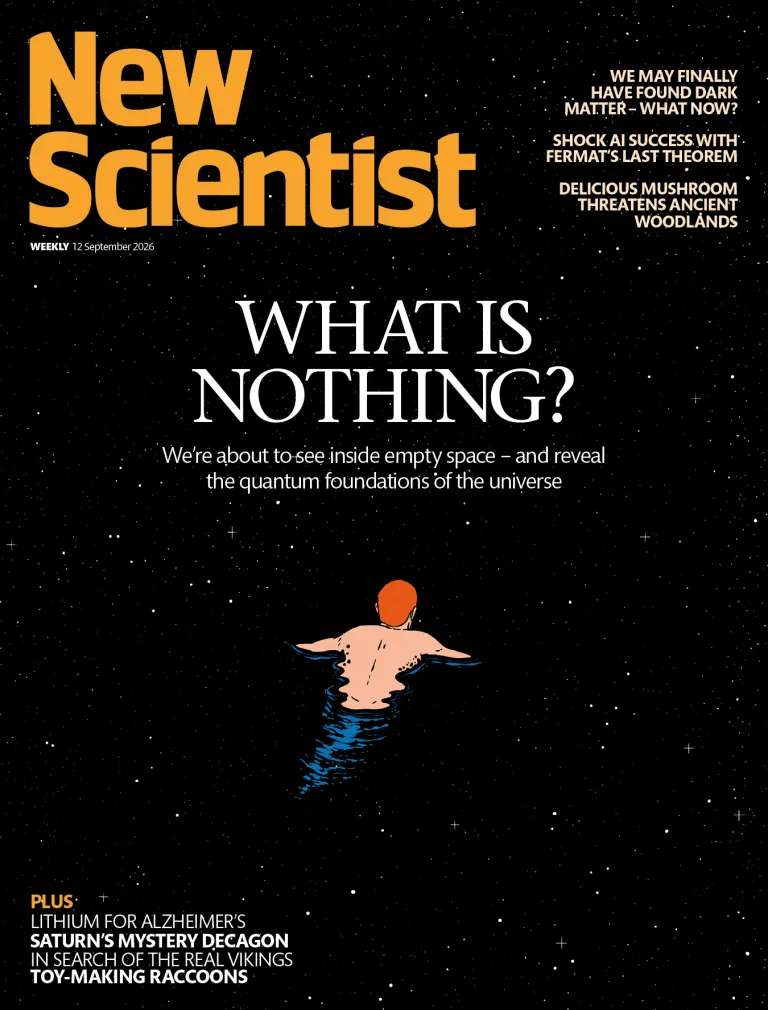
NEW SCIENTIST MAGAZINE – SEPTEMBER 12, 2026


MIT TECHNOLOGY REVIEW: The Kids issue features… What does growing up in an age of chatbots and agents mean for kids’ future? From the role AI plays in their day-to-day lives to how they cope with the existential dread that comes with climate change, young people are asserting their smarts to define their relationship with technology and the world around them. Plus!…
Does an AI-filled future seem like promise or peril to today’s teens and tweens? We went right to the source.
Today’s world is a mess of troubling trends. Some groups are trying to help kids navigate their anxieties about it all.
AI companion toys for neurodivergent children promise connection and therapy, but can they deliver for the long haul?
LLMs need vastly more data than children to learn language. Understanding why could help us create more efficient models—and reveal more about developing minds.
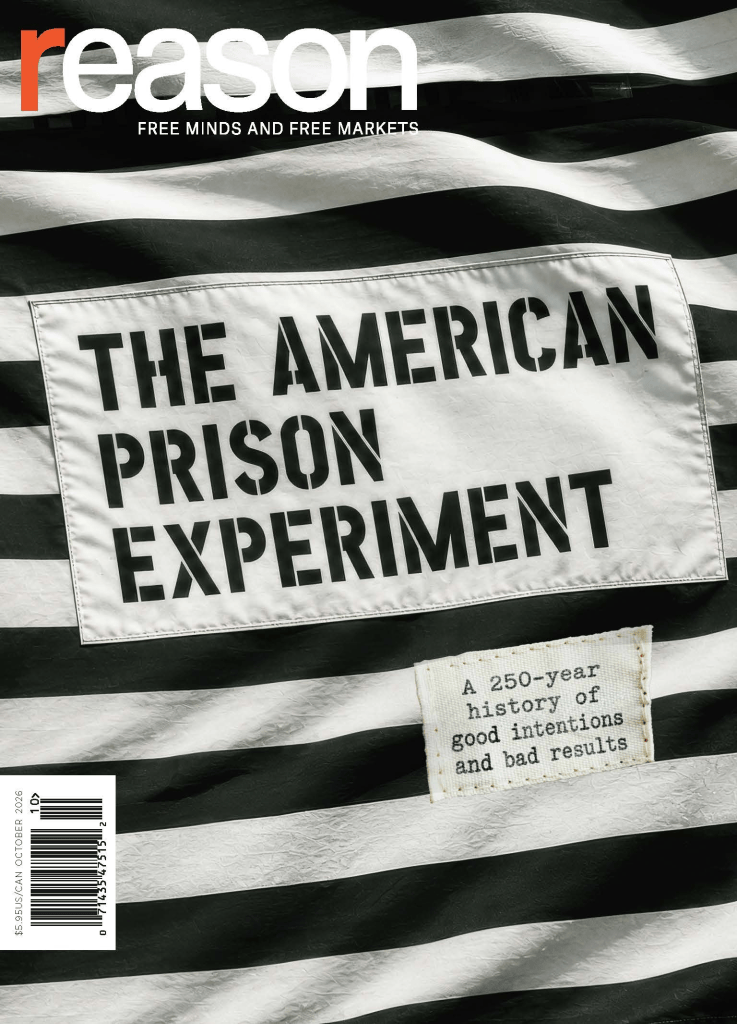
REASON MAGAZINE: The latest issue features ‘The American Prison Experiment’ – A 250-year history of good intentions and bad results…
A strange trip through the U.S. prison system’s never-ending cycle of failure and reform
New cars in the E.U. must now have cameras that track drivers’ eyes and flag distractions.
This is what happens when you give the government control over artistic institutions.
The Supreme Court has agreed to hear a pair of cases involving rifle restrictions imposed by Connecticut and Cook County, Illinois.

New tools can improve human judgment by tirelessly generating, evaluating, and synthesizing insights.
A new generation of tools can connect functions and reduce the friction that slows companies down.
His mindset: “Losing doesn’t work for me.”
The legendary singer on her six-decade career.


MIT TECHNOLOGY REVIEW: The Engineering issue features ‘Go big or go home’. That may be true—sometimes. But, just as often, solving engineering challenges means thinking small. From the tiny transistors powering the AI boom to the machines digging the world’s longest tunnels, human ingenuity is tackling problems at every scale. Plus: A fresh spin on air conditioning, stratospheric cell service, and more.
The AI era needs ever faster chips. ASML has a monopoly on the expensive contraptions needed to pattern them. Can anyone catch up?
Researchers are starting to explore the tools and systems we need to develop to cool down the planet.
As the data-center boom puts pressure on the grid, some companies say the answer isn’t just more power plants but software that dials down centers’ energy-guzzling ways when demand spikes.
After decades of hunting, physicists still don’t know what makes up most of the universe’s matter. Now they need to cast a wider net.
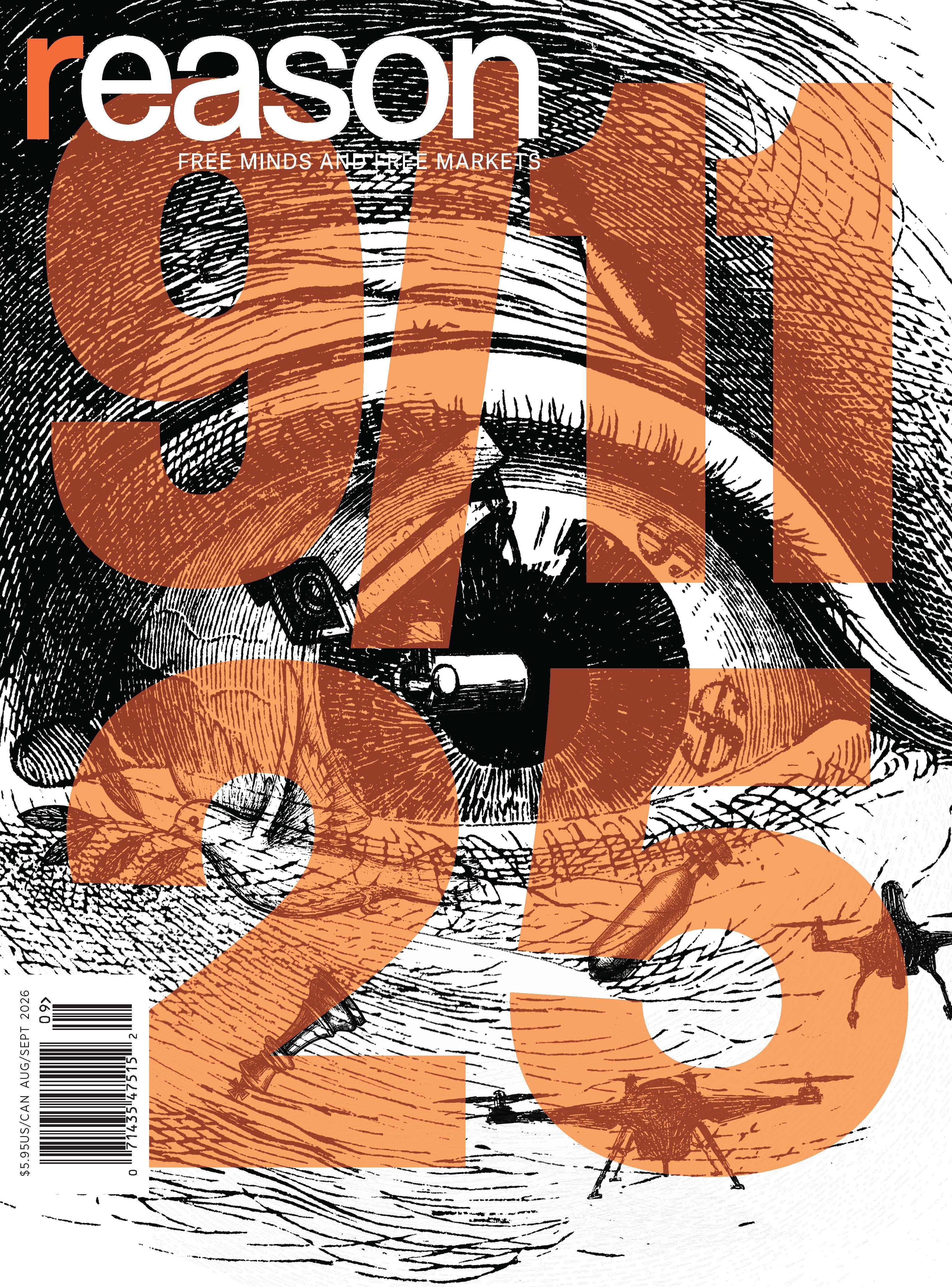
REASON MAGAZINE: The latest issue features ‘9/11 at 25 Years’….
The U.S. government responded in ways that are so integrated into daily life that we no longer recognize them. by Abigail R. Hall
The United States’ shift toward aggressive interventionism was well underway before the 2001 attacks. Emma Ashford
California has failed to protect private property from squatters. Desperate owners are turning to katana-wielding enforcers to reclaim their homes. Christian Britschgi
Robo-docs are not likely to take over healthcare anytime soon, but they could do more to assist human doctors—if we let them. Elizabeth Nolan Brown

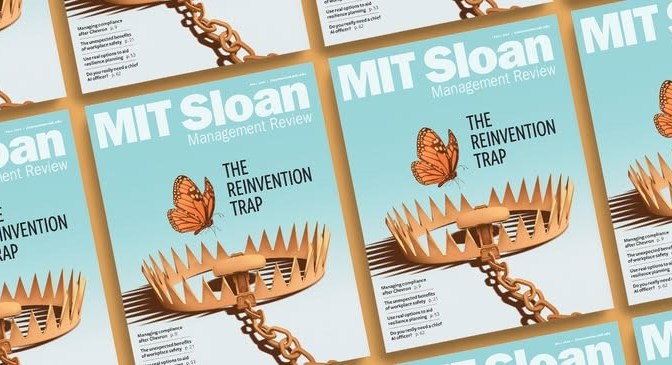
MIT SLOAN MANAGEMENT REVIEW: The Summer 2026 Issue features articles that show that when business leaders are willing to share their successes and their challenges with others, they position their own organizations and their industries for better management practice and growth.
Companies expanding GenAI across the enterprise use new structures like an “AI spine” to coordinate efforts.
Changing how finance offices think about their mandate, their approach, and the insight they offer can lead to more strategic use of AI.
The economic value of enabling technologies like quantum computing emerges when early users explore and test potential applications.

MIT TECHNOLOGY REVIEW: The Nature issue features Technology remade the world. Now what? As we work to understand how much our own ingenuity has created an increasingly unnatural world, we’re also confronting tough choices about what to preserve—and how. Plus: Killer microbes from the mirror universe and fresh fiction from Jeff VanderMeer.
The red wolf has long been a contentious species. The debate over its preservation got even messier last year, when Colossal said it had cloned the animal.
The idea that modern humans inherited DNA from Neanderthal ancestors is one of the 21st century’s most celebrated discoveries in evolution. It may not be that simple.
To understand what the future holds for Earth’s northernmost waters, scientists are burrowing deep below the seabed.

Some cybersecurity researchers say it’s too early to worry about AI-orchestrated cyberattacks. Others say it could already be happening.
Jean-Paul Thorbjornsen is a leader of THORChain, a blockchain that is not supposed to have any leaders—and is reeling from a series of expensive controversies.
Fast, stealthy, and cheap—autonomous, semisubmersible drone boats carrying tons of cocaine could be international law enforcement’s nightmare scenario. A big one just came ashore.
Allison Nixon had helped arrest dozens of members of the Com, a loose affiliation of online groups responsible for violence and hacking campaigns. Then she became a target.
 Intellicurious