Tag Archives: Science Magazine

SCIENCE MAGAZINE NOVEMBER 5, 2026

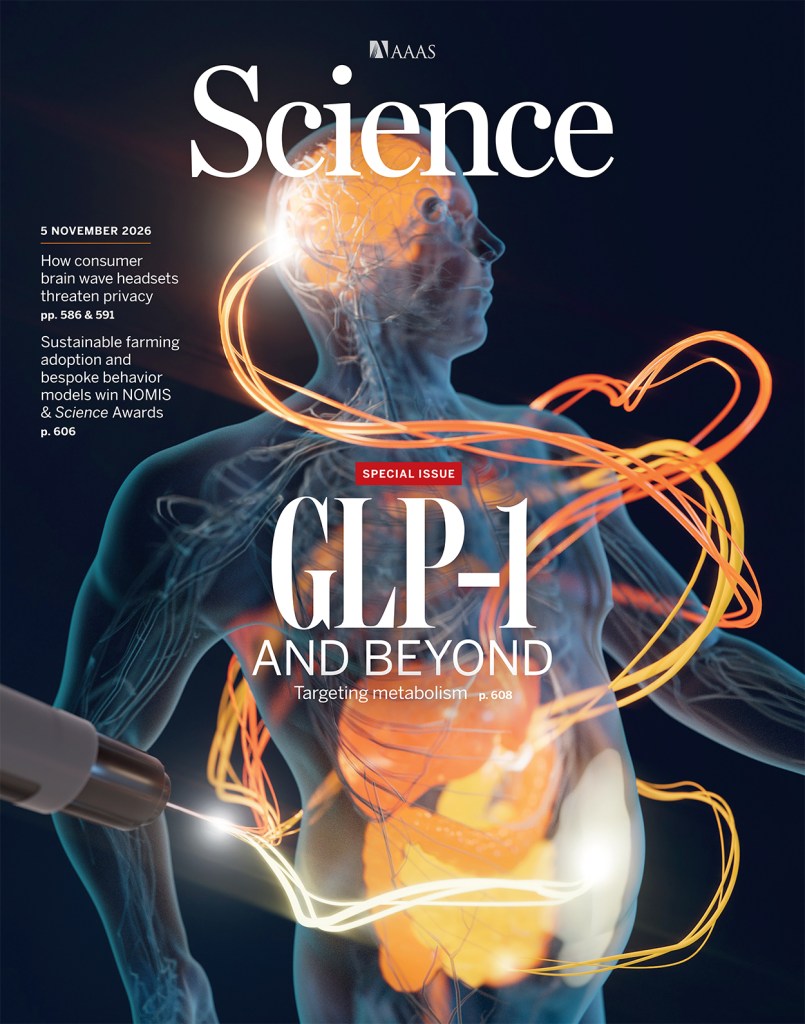
SCIENCE MAGAZINE: The latest issue features ‘GLP-1 AND BEYOND’ – Targeting metabolism….

Going Beyond GLP-1

The growing complexity of targeting metabolism

Until recently, people with obesity were generally expected to manage their weight through diet and exercise, and pharmacological interventions were developed for comorbid conditions such as diabetes and cardiovascular disease. Some drugs were available to promote weight loss, but they did not become established therapies owing to intolerable side effects, limited effectiveness, or both. By far, the most reliable intervention to treat obesity was bariatric surgery, but it was reserved for the most severely affected patients because of the risks associated with the surgery itself as well as lifelong side effects.

GLP-1 receptor agonists in addiction therapy

Use of GLP-1–based therapies for addiction could provide a bridge toward whole-person health care

Glucagon-like peptide-1 receptor agonist (GLP-1RA) medications have transformed the landscape of obesity and diabetes treatment. Evidence is accruing that they also might reduce cravings for alcohol, nicotine, opioids, and stimulants. Most research into the mechanisms by which GLP-1RAs might help to treat substance use disorders has focused on their ability to modulate the dopamine reward system in the brain, which also contributes to suppressing the consumption of highly palatable food. However, emerging understanding about the biology of GLP-1RAs suggests that a neurocentric framework might be too narrow to interpret their effects, which arise from complex interactions between brain processes and other aspects of an individual’s physiology. As such, these medications provide an opportunity to reconsider the effects of drugs and addiction through a whole-person health lens. This framework considers how the brain’s reward pathway interacts with metabolic, inflammatory, hormonal, and cardiovascular processes throughout the body.

The scramble for your brain data

Companies are using wearable neurotechnologies to train AI models of the brain—without telling users
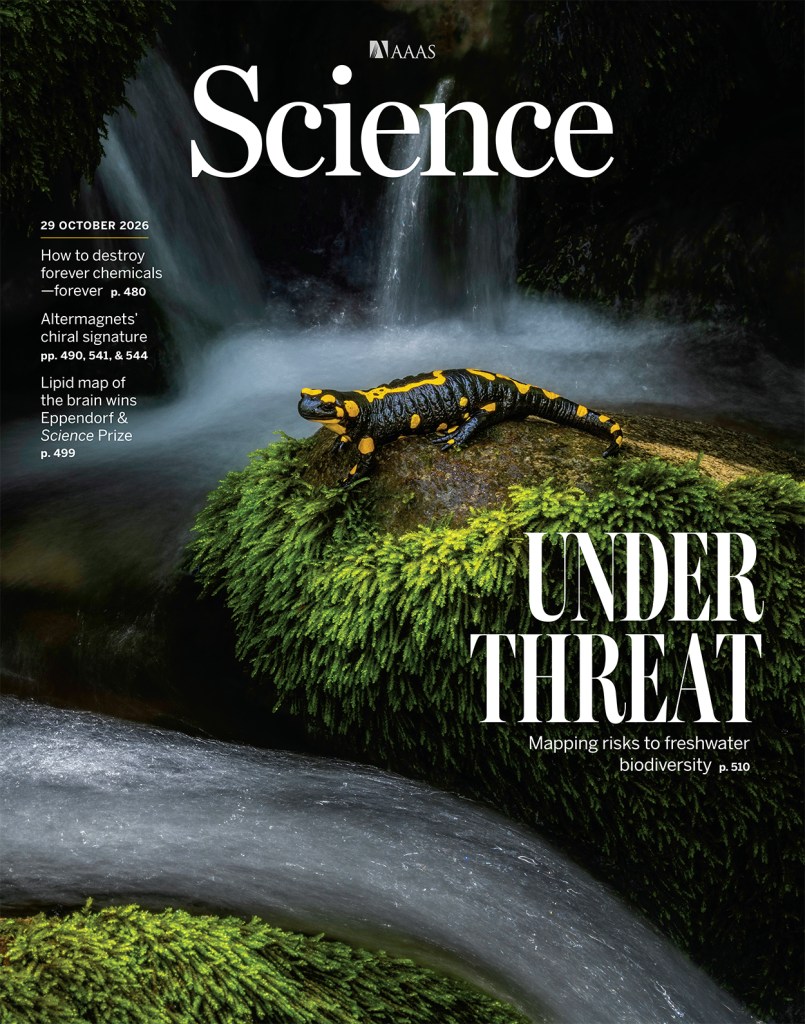
SCIENCE MAGAZINE – OCTOBER 29, 2026

SCIENCE MAGAZINE: The latest issue features ‘UNDER THREAT’ – Mapping risks to freshwater biodiverisity.

Wind turbines kill ‘shocking’ number of bats each year

Deaths can be prevented by adjusting when wind turbines operate

AI is shaking up math. But can its proofs be trusted?

As AI companies churn out math breakthroughs, their proofchecking system comes under scrutiny

Kennedy rejects NIH director’s pick for mental health institute

MAHA-aligned leader in “metabolic psychiatry” is now favored

Could your chatbot tip off a scientific rival? It’s possible, researchers say

AI experts offer tips for keeping sensitive research private

Milestone cancer vaccine success leaves hard questions unanswered

Messenger RNA vaccine from Merck and Moderna slashes risk of melanoma’s return, but why remains unclear

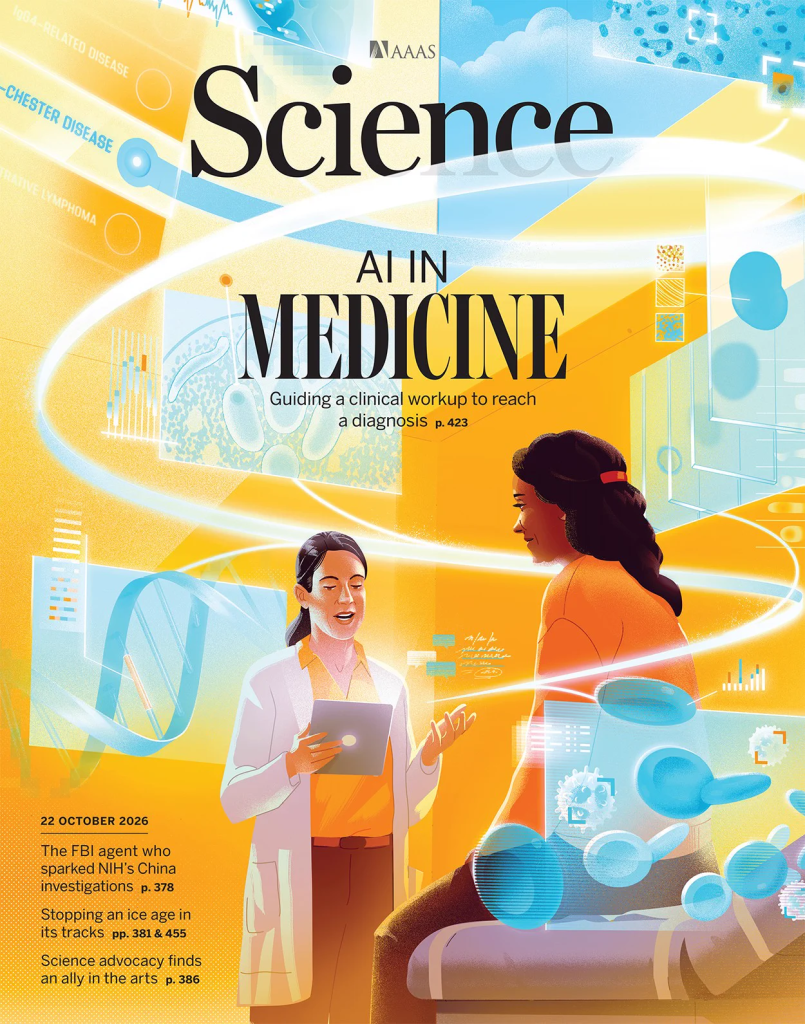
SCIENCE MAGAZINE – OCTOBER 22, 2026

SCIENCE MAGAZINE: The latest issue features ‘AI IN MEDICINE’ – Guiding a clinical workup to reach a diagnosis….

Vaccine trial is a ray of hope in Congo’s Ebola epidemic

Study will first test “mismatched” vaccine but Bundibugyo-specific shots may be added soon

Across fields, AI finds solutions hiding in plain sight

“BootLoops” software enabled researchers to quickly find and attack problems in 22 disciplines

How the domestication of a killer bacterium led to Botox

Scientists inadvertently turned C. botulinum into a tool for medicine and the beauty industry, study finds

Microwave observatory peers into the infant universe

In Chile, Simons Observatory begins hunt for galaxy clusters and signs of cosmic inflation

Deep-sea life is still reeling from the BP oil spill

A 13-year study shows Gulf of Mexico ecosystems still haven’t recovered

Iron at Earth’s heart may take a surprising form

X-ray experiments reveal cubic crystals that could complicate the picture of the inner core

SCIENCE MAGAZINE – OCTOBER 8, 2026

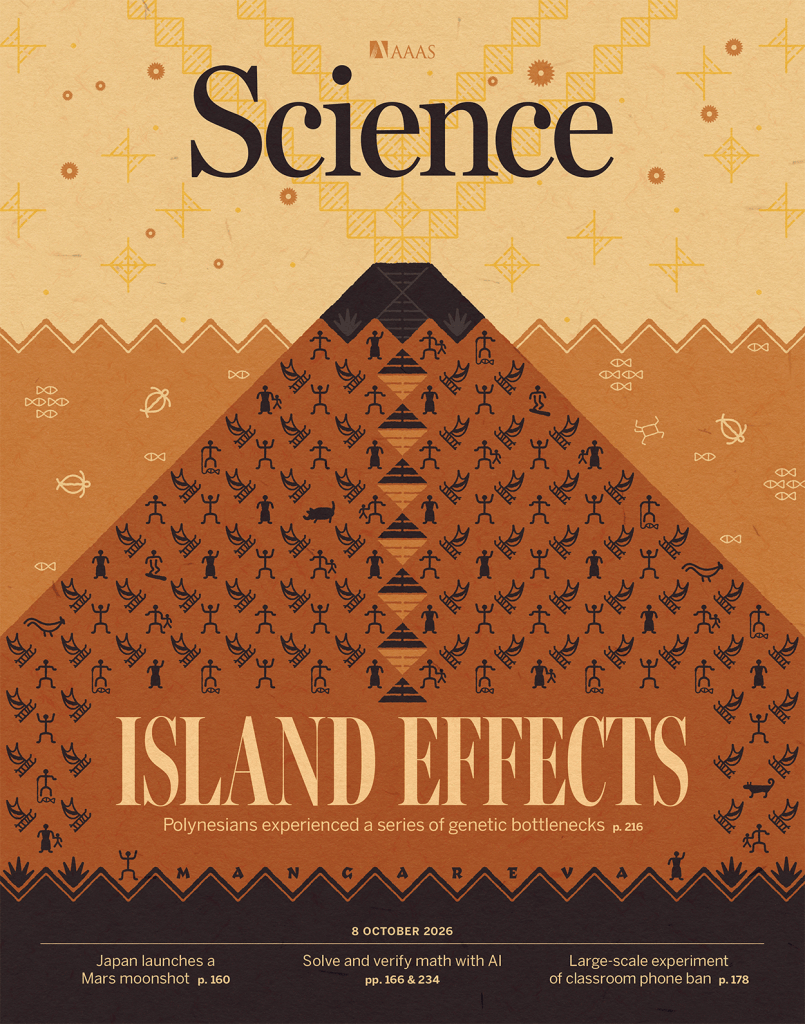
SCIENCE MAGAZINE: The latest issue features ‘ISLAND EFFECTS’ – Polynesians experienced a series of genetic bottlenecks.

Menopause puts the brain at risk. Researchers are starting to learn why

Shifts in blood proteins could point to ways to fight menopause “brain fog” and prevent later dementia

Women are more likely than men to develop dementia, and not just because they tend to live longer. One reason may be menopause, the time in midlife when sex hormones drop and menstruation stops—and which some researchers are coming to see as a stress test for the brain.

Menopause “affects brain health, for sure,” says neurologist Riley Bove of the University of California (UC) San Francisco, who studies its impacts on multiple sclerosis and other neurological disorders. She and others want to protect the brain during and after this transition—but that means identifying just how menopause puts the brain at risk.

A study published last week in Nature Medicine has found clues in the blood of women in their 40s and 50s: proteins related to brain function, inflammation, and neurodegenerative disease that are elevated during menopause. Other ongoing studies are following groups of women over time—including during the lesser studied perimenopausal stage, from just before menstruation ends to 1 year after—to reveal processes leading to short- and long-term cognitive problems.

Nazi Germany had no hope of making an atomic bomb, uranium cubes reveal

Experimental reactor needed much more uranium and heavy water than the country could muster

Neanderthals were skilled woodworkers, first-of-its-kind tool trove reveals

Find in Spanish cave provides rare window into the domestic lives of our closest relatives

SCIENCE MAGAZINE – OCTOBER 1, 2026

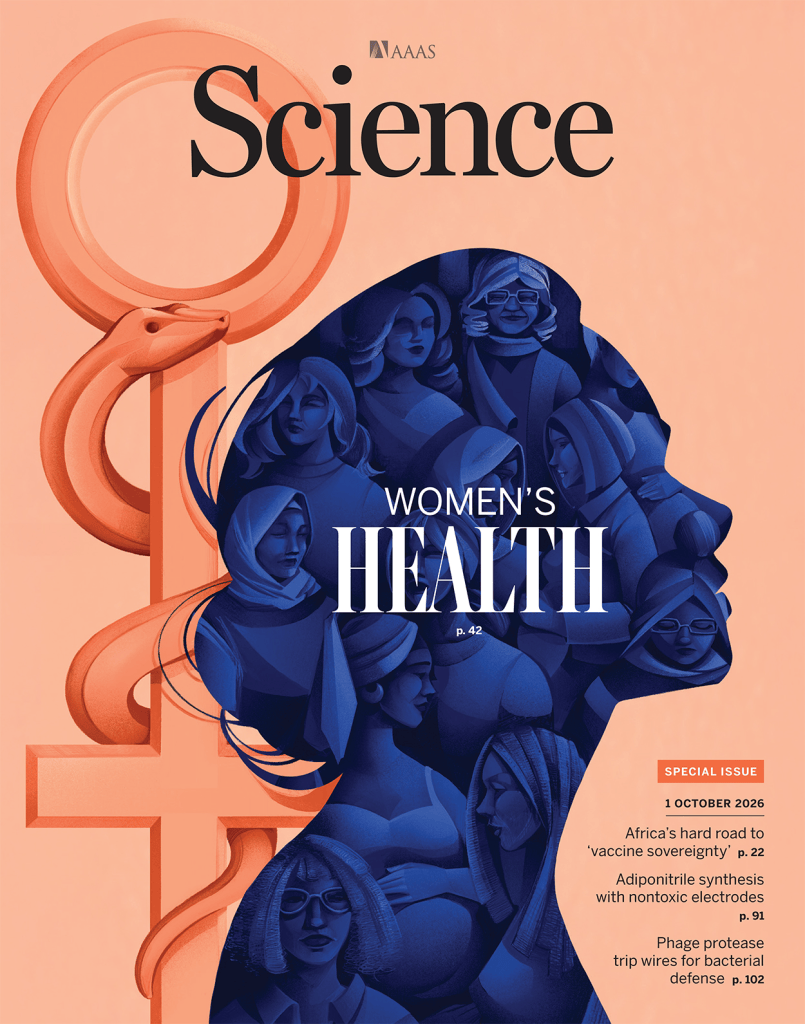
SCIENCE MAGAZINE: The latest issue features ‘WOMEN’S HEALTH’….

A Lifelong Focus on Women’s Health

Historically, most human studies have involved male participants, and their findings were assumed to apply to women and children as well. Meanwhile, women’s health typically came up in the context of reproduction and childbearing, if at all. However, biomedical science has come a long way over the years, and it has become increasingly clear that there are sex-dependent differences in many diseases that do not involve reproduction and that occur at all ages. Across all areas of women’s health, including both reproductive and nonreproductive conditions, much remains to be learned about the underlying biology, effects of hormones and genetics, and potential therapeutic interventions.

X and Y chromosomes as determinants of aging and disease

Sex differences have traditionally been attributed to gonadal hormones, but accumulating evidence shows that sex chromosomes exert distinct, cell-autonomous effects on health, aging, and disease. XX and XY complements alter gene dosage, epigenetic programming, immune signaling, metabolism, and cellular stress responses, which shape aging and disease trajectories in women and men. This Review integrates mechanistic advances in sex chromosome biology—including escape from X chromosome inactivation, X reactivation, parent-of-X-origin, X-skew, X- and Y-linked gene functions, and Y loss—with aging, neurologic disease, immunity, cancer, and cardiometabolic disease. We highlight insights from mouse models, human studies, and emerging technologies that disentangle hormone-driven effects from chromosome-mediated effects and discuss translational implications for diagnostics, biomarkers, therapeutics, and clinical trial design, emphasizing the integration of sex chromosome biology into precision medicine.

Reframing menopause and menopause hormone therapy as opportunities for healthy aging

Menopause is an important biological transition with up to 72 symptoms that shapes aging trajectories across organs and encompasses ~40% of the female lifespan. Although menopause awareness is increasing, research on strategies for menopause symptom management and optimizing health in the postmenopausal period is lacking. This Review highlights that menopause characteristics, such as type, timing, and symptom burden, influence health outcomes and later-life disease risk. Similarly, menopause hormone therapy comes in >200 varieties that differ by dose, formulation of estrogens and progestogens, and timing, each with their own distinct risk-benefit profiles. These distinctions are often missed in the literature but have considerable repercussions for outcomes. Optimized menopause care necessitates a precision medicine approach that considers menopause symptoms, genetics, and previous hormone exposures.

SCIENCE MAGAZINE – SEPTEMBER 17, 2026

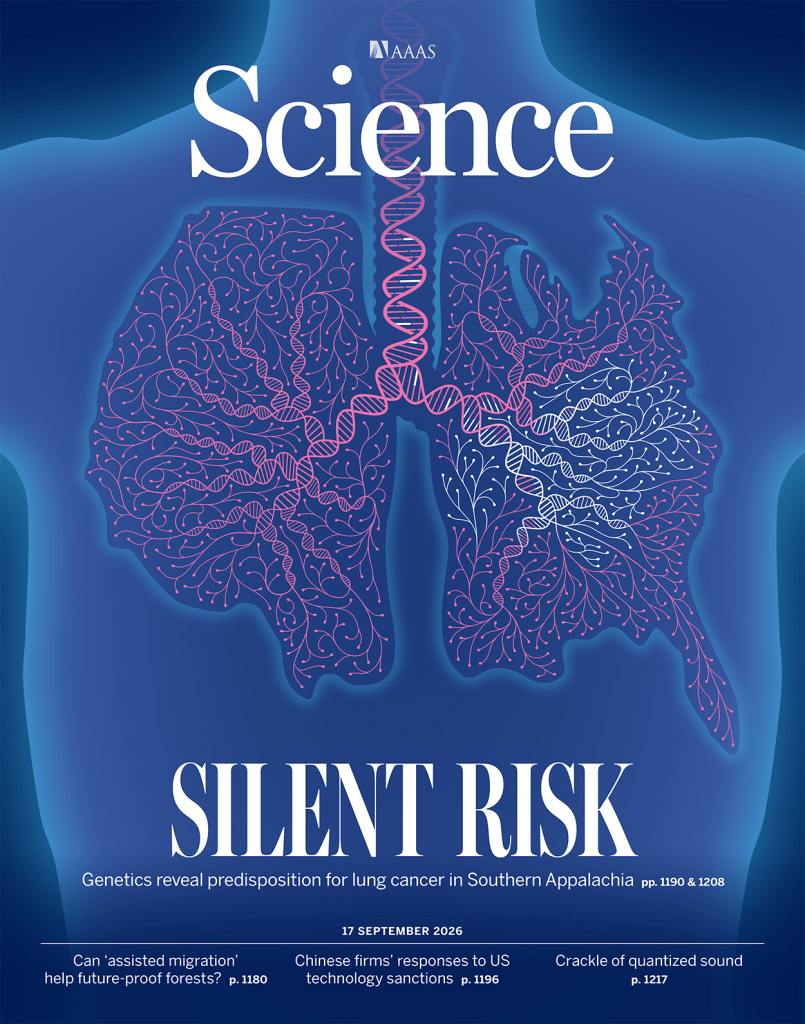
SCIENCE MAGAZINE: The latest issue features ‘SILENT RISK’ – Genetics reveal predisposition for lung cancer in Southern Appalachia…

OpenAI leap triggers ‘existential crisis’ in math

Solution to Navier-Stokes problem has mathematicians at odds over AI’s implications for field

Alarming report on AI and bioweapons divides scientists

Anthropic says researchers may have used Claude for nefarious work on viruses and toxins

New platform could broaden conference poster audience

The staple format also warrants a deeper rethink, some researchers say

In water fight, California to spend billions on ‘visionary’ plan to boost fish habitat

Skeptics of strategy for the beleaguered San Francisco Bay delta region question whether it will work without allocating more water for nature

SCIENCE MAGAZINE – SEPTEMBER 10, 2026

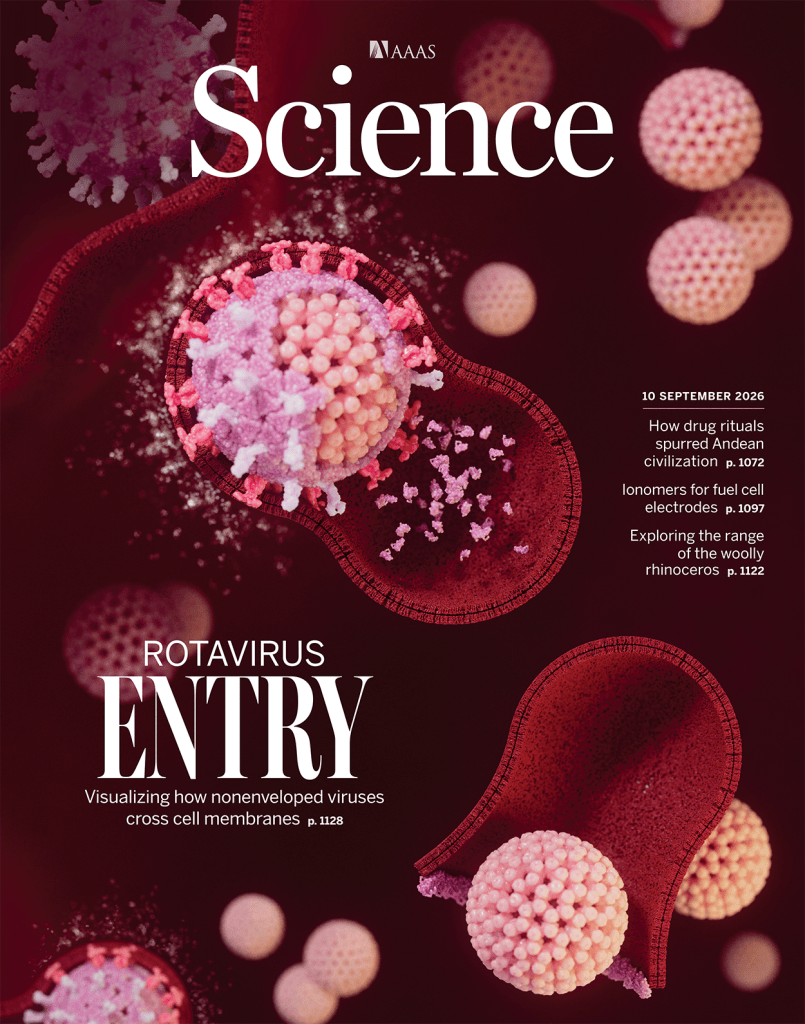
SCIENCE MAGAZINE: The latest issue features ‘Rotavirus Entry’ – Visualizing how nonenveloped viruses cross cell membranes…

China maps the deep scars of its geological past

Early results from the $1 billion SinoProbe II project hint at how continental fragments assemble and evolve

Scientists question U.S. Forest Service’s rationale for rescinding ‘roadless rule’

Trump administration officials argue the change is necessary to reduce wildfire risk in national forests

Clues to immune havoc in the brain

Study in mice strengthens T cells’ ties to neurodegenerative conditions like Alzheimer’s

Platinum chemotherapy ages the liver

Platinum-based drugs cause mutations and liver aging in children treated for cancer

SCIENCE MAGAZINE – SEPTEMBER 3, 2026

SCIENCE MAGAZINE: The latest issue features ‘OFF THE TOP’ – Climate-driven local extinctions of high-elevation plants….

How scientists unraveled the causes of the devastating flood in Tibet and Nepal

Global cooperation revealed a huge landslide likely initiated the cascade of events

Supermale fish become new tactic for vanquishing invaders

Hatchery-raised trout with double Y chromosomes can eradicate invasive populations

Fearing seal die-off from bird flu, Australia moves to evacuate sub-Antarctic research station

Watching pups’ deaths could affect the mental health of staff, officials say

Brain stimulation takes aim at improving women’s health

Trials of noninvasive technologies enroll pregnant and postpartum women

SCIENCE MAGAZINE – AUGUST 20, 2026

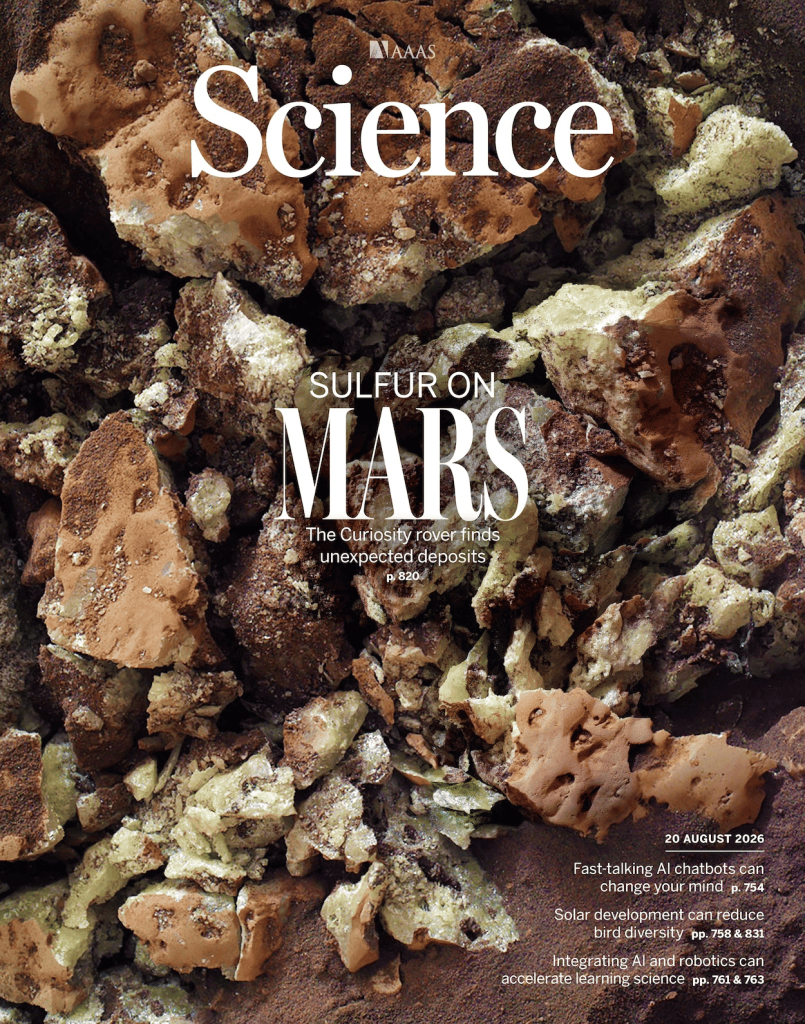
SCIENCE MAGAZINE: The latest issue features ‘Sulfur On Mars’ – The Curiosity rover finds unexpected deposits….

Powers of persuasion

AI chatbots are becoming experts at changing people’s minds. What gives them an edge?

Touch and pain shape what brain imaging sees

Sensory inputs influence different blood vessel networks, affecting the precision of brain scans

China mission aims to probe the Moon’s hidden water

Chang’e-7 will send a hopping craft into a polar crater to directly sample lunar ice

Arson attack jolts Italy’s bid to host the Einstein Telescope

Two scientists’ cars burned at proposed Sardinian site for the next-generation gravitational-wave observatory

SCIENCE MAGAZINE – AUGUST 13, 2026

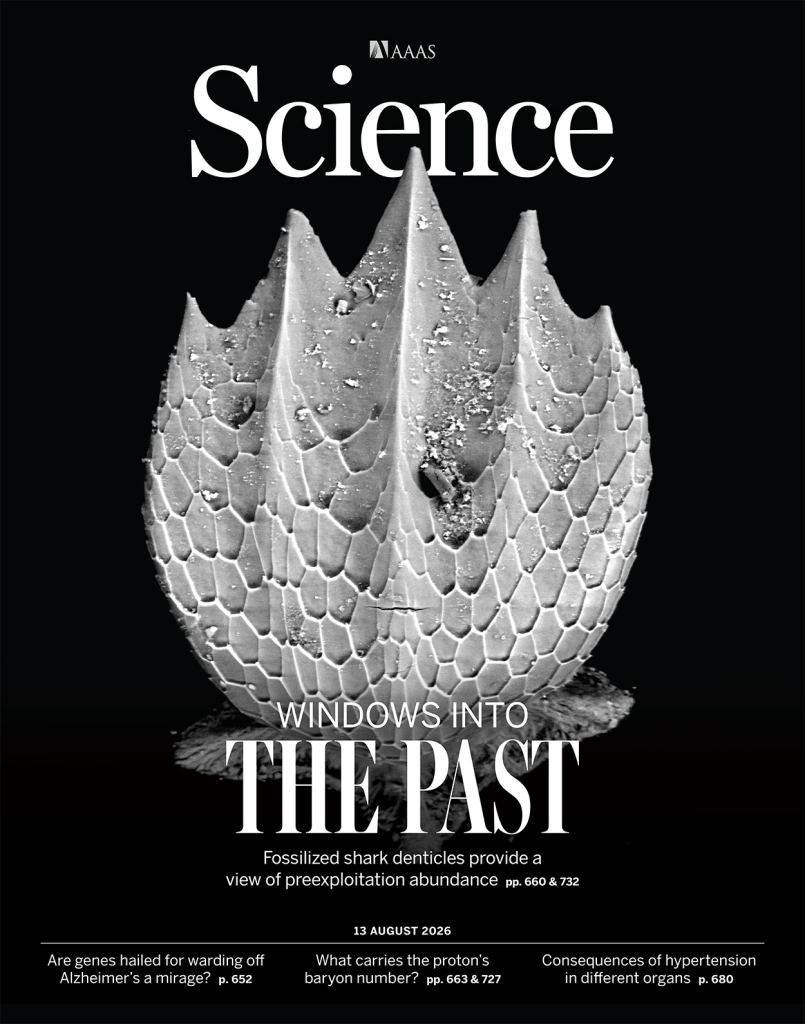
SCIENCE MAGAZINE: The latest issue features ‘Windows Into The Past’ – Fossilized shark denticles provide a view of preexploitation abundance.

Planned satellite constellations risk runaway debris

Modeling suggests infamous “Kessler syndrome” would make the swarms unsustainable

Researchers struggle to improve nonopioid pain drugs

Studies probe the limits of new sodium channel blockers

Physicists find strong evidence for elusive ‘glueball’

Long-sought particle, made of force-carrying gluons, represents a new type of matter

Fight over Colorado River water threatens ecosystems

After a record-low snowpack, federal authorities canceled dam releases for managing fish and sandbars

Tau can wreak havoc in brain cells’ energy factories

Study of mitochondria suggests new treatment strategy for Alzheimer’s and other diseases