
Tag Archives: DNA

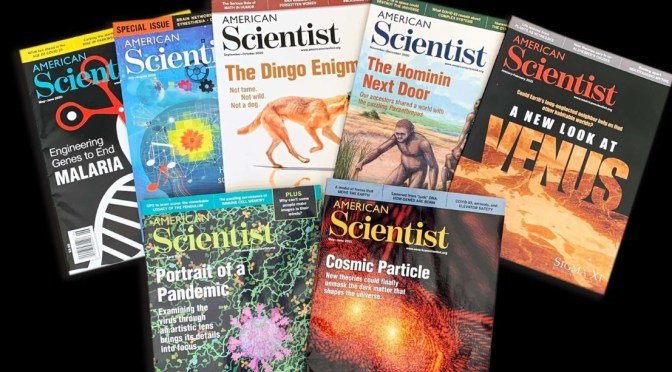
AMERICAN SCIENTIST – NOVEMBER/DECEMBER 2026

American Scientist Magazine: The latest issue features ‘Cellular Portraits’ – Detailed sketches helped reveal the function of chromosomes.

The Gene That Changed Cholesterol Treatment

Studies of rare mutations revealed a new way to lower LDL cholesterol—and led to an entirely new class of drugs.

By Philip A. Rea

In the early 2000s, geneticists Helen Hobbs and Jonathan Cohen at the University of Texas Southwestern Medical Center launched an ambitious effort to investigate cardiovascular health in Dallas County. Their study was unusual for the time. Rather than largely focusing on people of European ancestry, the Dallas Heart Study deliberately recruited a diverse population that reflected the region’s demographics.

QUICK TAKE
  • Rare genetic changes in a gene called PCSK9 help control low-density lipoprotein (LDL) cholesterol, the “bad” cholesterol linked to heart disease.
  • People who naturally make less of the PCSK9 protein have much lower LDL levels, pointing researchers toward new possibilities for lowering cholesterol.
  • That insight led to a new class of cholesterol-lowering drugs and showed how studying diverse populations can uncover important clues about disease.

Redrawing the Plague Maps

Ancient genomes are rewriting the history of Yersinia pestis infections across time and space.

By Monica H. Green

I spent much of my childhood in Colorado, which means that I, like millions of others living in the American West, grew up hearing warnings about the dangers of plague. People often find it shocking to learn that Yersinia pestis, the bacterium discovered in 1894 that is believed to have caused the mid-14th-century Black Death and other plague pandemics, is still around and dangerous, but that is one of many misperceptions about plague that need correcting. Plague’s multiple pandemics were not limited to the Black Death nor to Europe. And it is not a disease that disappears simply because no human cases are being reported at epidemic levels. Plague is not a thing of the past, and infections most definitely occur to this day.

QUICK TAKE

For centuries, our understanding of plague was riddled with assumptions based on a few historical accounts and data from modern plague victims.

Advances in genomics and bioarcheology now allow us to tie historical plague pandemics to human remains and even reconstruct the full plague family tree.

These data tell a new, broader story in which plague arrives earlier, stays later, and lurks in rural animal reservoirs before spilling over into human populations.

How Explanation Unlocks Deeper Understanding

The human drive to ask “why” can prompt abstract thinking and aid comprehension.

By Tania Lombrozo

Seeking and evaluating explanations can shape the very process of learning. Just like tasting the soup as you’re cooking can shift the final product toward a closer approximation of soupy perfection, explaining as you learn can change the course of learning itself, pushing you to find a closer approximation of a truly great explanation: one that covers all the relevant observations in the simplest way possible. But how does that work?

QUICK TAKE

The process of explaining is a powerful learning tool.From a young age, humans ask “why”; answering that question can reveal deeper meanings and reveal hidden patterns.

Explaining can unlock abstraction, a complex thought process that allows people to generalize from specific examples to identify common themes.

The need to know why can unlock learning, but it can also drive some people to latch on to patterns that do not exist, such as conspiracy theories.
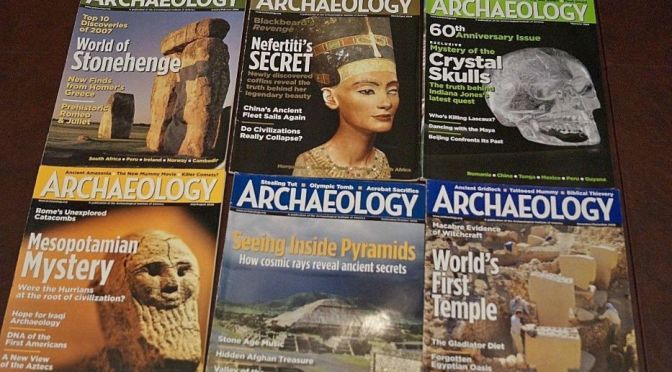
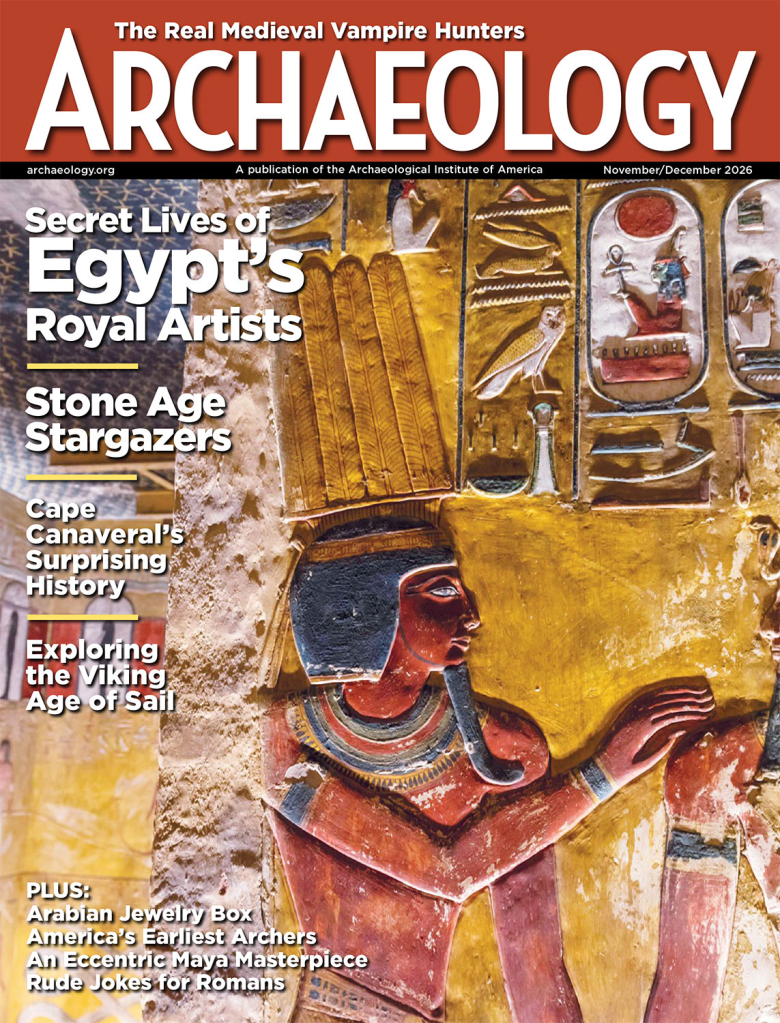
ARCHAEOLOGY MAGAZINE – NOVEMBER/DECEMBER 2026

Archaeology Magazine: The latest issue features ‘SECRET LIVES OF EGYPT’S ROYAL ARTISTS’…

Kingdom of Fortresses

How diverse and far-flung Iron Age chiefdoms united to challenge the Assyrian Empire

A Tomb of One’s Own

Life behind the scenes in Egypt’s Valley of the Kings

Outfitting Viking Voyagers

In Denmark, archaeologists have discovered a massive factory that equipped an innovative fleet

Stone Age Stargazers

Did artists 12,000 years ago illuminate a cave in Tajikistan with their vision of the Milky Way?

Unearthing the Outlanders

New discoveries challenge ancient prophecies about the peoples living on China’s borders three millennia ago

ARCHAEOLOGY MAGAZINE – SEPTEMBER/OCTOBER 2026

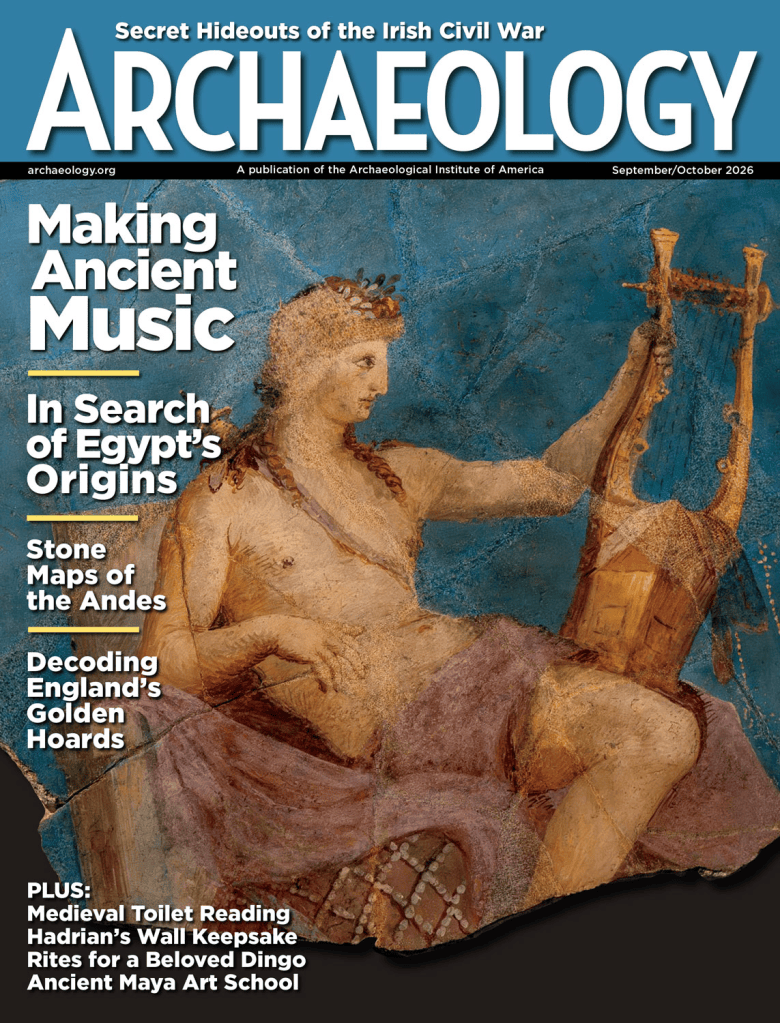
Archaeology Magazine: The latest issue features ‘Making Ancient Music’…

The Music of Time

Tuning in to the sounds of the ancient world

A Change in Fashion

Hoards of lavish gold and silver neck rings buried on an English hill reflect dramatic social change

Cultivating Fields of Stone

Peru’s ancient farmers used intricate rock maps to plan for the future

Where Was Ancient Egypt Born?

Archaeologists are reimagining a time before the first pharaohs

2,000 Years Under the Sea

The story of Greece’s famed Antikythera wreck is finally being revealed

Preview: Archaeology Magazine – MAY/JUNE 2026

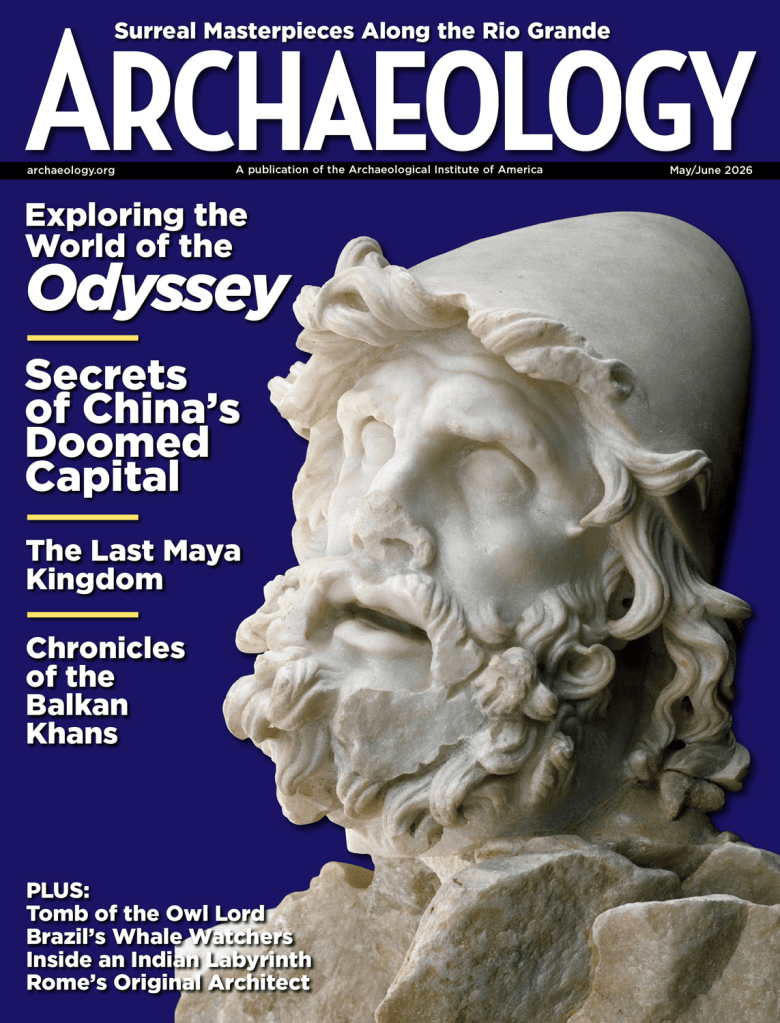
Archaeology Magazine: The latest issue features ‘Exploring the World of the Odyssey.

The Unexpected World of the Odyssey

Discovering the surprising inspirations behind Homer’s great tales of the Trojan War. By The Editors

Pioneers of Lakefront  Living

Why Neolithic and Bronze Age farmers in the Alps built their villages on stilts

The Last Maya Kingdom

On the shores of a lake in Guatemala, the Itzá people defied the Spanish for nearly 200 years

Art for the Ages

A surreal style of painting endured for 4,000 years in the canyonlands of West Texas

Bridge to the Past

The Yellow River brought both prosperity and calamity to China’s dazzling medieval capital By Ling Xin

The “American Scientist” Magazine – November 2024

Current Issue

American Scientist (, 2024): The latest issue features ‘Slime Mold Beauty’ – A single-celled organism takes on a dazzling variety of glittering, jewlike forms…

The Myxomycetes: Nature’s Quick-Change Artists

Slime molds thrive in a range of environments, displaying an unexpected beauty in a variety of forms and life cycle stages.

Gliflozins for Diabetes: From Bark to Bench to Bedside

Drugs targeting the kidneys for diabetes treatment stem from almost two centuries of research that began with an uprooted apple orchard.

Baby Talk

Infants are born with the ability to babble and cry in the accents of their mothers through a combination of neurological, physical, and environmental responses.

Preview: Archaeology Magazine – Sept/Oct 2024

September/October 2024 - Archaeology Magazine

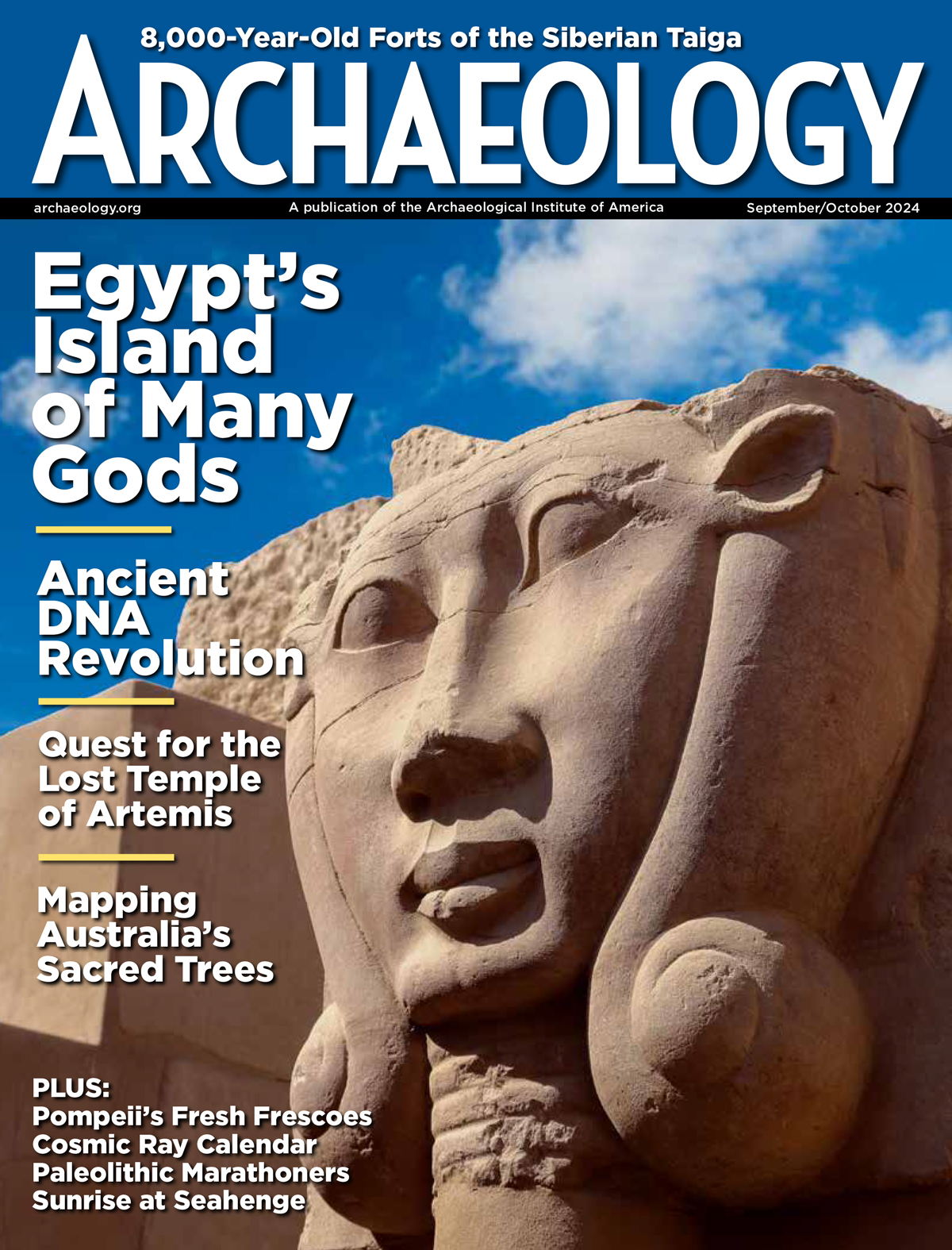
Archaeology Magazine (August 9, 2024): The latest issue features ‘Egypt’s Island of Many Gods’….

Ancient DNA Revolution

How the rapidly evolving field of archaeogenetics is unlocking secrets of the past

Hunting for the Lost Temple of Artemis

After a century of searching, a chance discovery led archaeologists to one of the most important sanctuaries in the ancient Greek worldRead Article

Trees of the Sky World

Why Australia’s Indigenous Wiradjuri people carved sacred symbols into trees to mark burials of their honored dead

American Scientist Magazine – March 2024

Current Issue

American Scientist (February 15, 2024): The latest issue features “Deconstructing DNA Beyond the Helix” – science educator and artist Caryn Babaian explores through illustration the molecular details and interactions that can affect DNA’s structure. She contends that for people to fully understand DNA, it must be shown in relationship to water. 

Deconstructing DNA Beyond the Helix

BY CARYN BABAIAN

An artist’s experimental approach to Rosalind Franklin’s Photo 51 reveals the molecule’s intricate biochemistry.

When Sharks Eat an Angler’s Haul

BY DAVID SAMUEL SHIFFMAN

Tensions are rising as the ocean’s great predators nab fish on the line, inciting a major new challenge in human–wildlife conflict.

Covers: Science Magazine November 17, 2023 Preview

Image

Science Magazine – November 17, 2023: The new issue features Heaps of Warming – Municipal solid waste emits large amounts of greenhouse gases; AI is set to revolutionize weather forecasts; Rewriting DNA in the body lowers cholesterol, and more….

AI is set to revolutionize weather forecasts

Cheap and fast algorithms are matching—and surpassing—the world’s top models

Deal to build pint-size nuclear reactors is canceled

NuScale Power’s small modular reactors promised cheaper nuclear power, but costs soared and utilities balked

Rewriting DNA in the body lowers cholesterol

Verve Therapeutics says its base-editing approach may help prevent heart disease in many people

Research Preview: Nature Magazine – Nov 2, 2023

Image

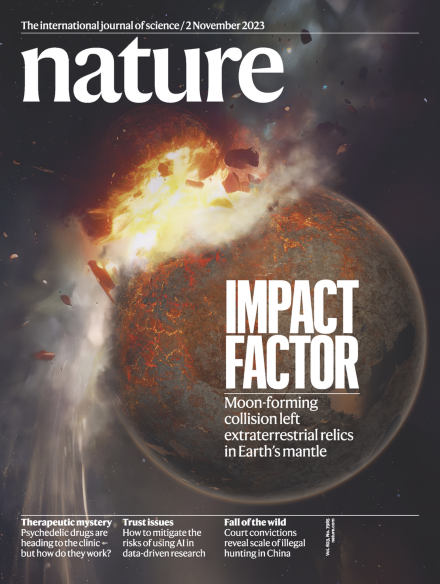
nature Magazine – November 2, 2023: The latest issue cover features an artist’s impression of the collision between the protoplanet Theia and proto-Earth about 4.5 billion years ago. It has been suggested that it was this ‘Giant Impact’ that formed the Moon, but direct evidence for the existence of Theia remains elusive.

Ancient DNA reveals traces of elusive first humans in Europe

Europe’s earliest Homo sapiens seemed to have vanished without a genetic legacy — but genomic studies now show otherwise.

‘Mind-blowing’ IBM chip speeds up AI

IBM’s NorthPole processor sidesteps need to access external memory, boosting computing power and saving energy.

Research Preview: Science Magazine – Oct 13, 2023

Image

Science Magazine – October 13, 2023: The new issue features the genetic organization of the human brain; Diversity of primate brain cells unraveled; A single-cell genomic atlas for maturation of the human cerebellum during early childhood, and more…

A family portrait of human brain cells

A cell census provides information on the source of human brain specialization

The brain is composed of multiple regions associated with distinct functions, which have become further specialized in the human lineage. To define how this specialization is implemented, how it arises during development, and how it has emerged over the course of human evolution, a detailed understanding of the cells that make up the human brain is required. 

The ecology of whales in a changing climate

Some whale populations are exhibiting unexpected cycles of boom and bust