Category Archives: Research

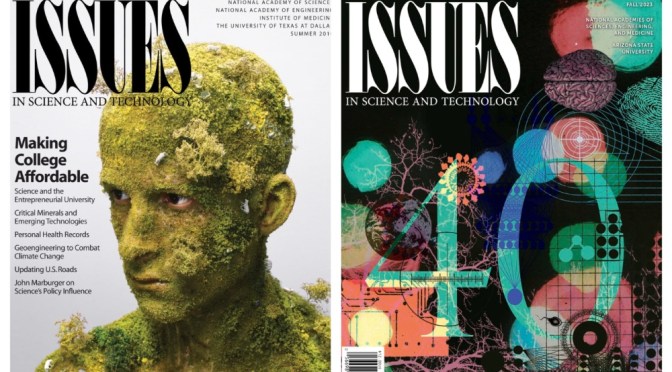
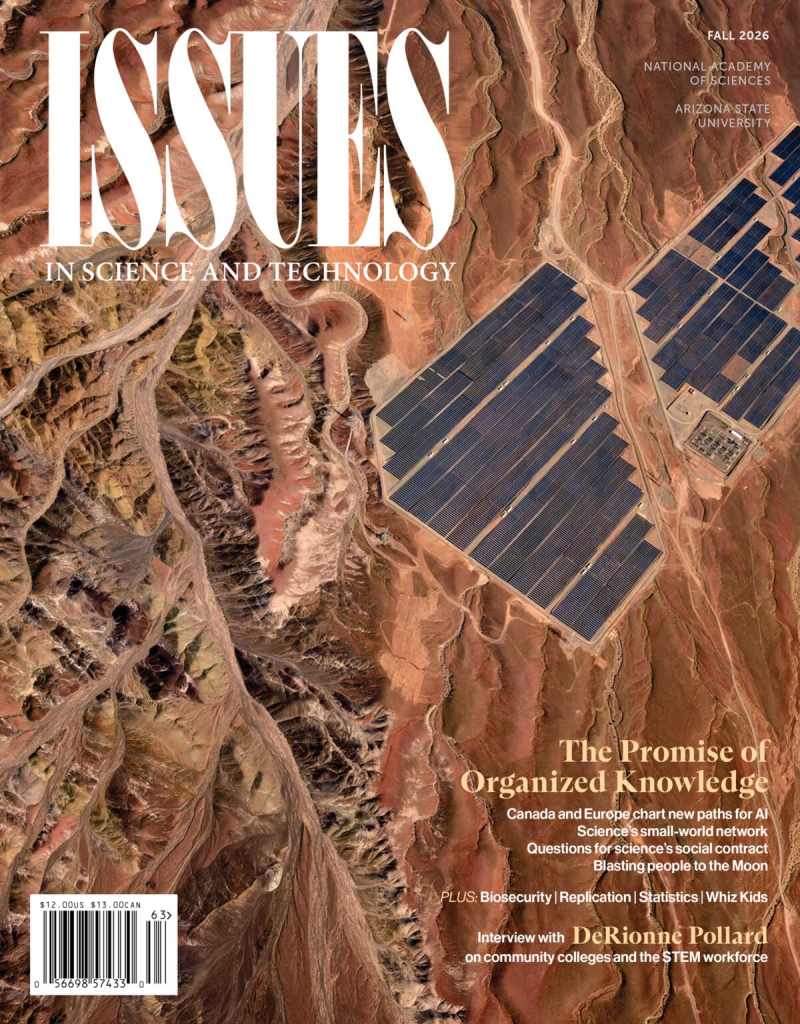
ISSUES IN SCIENCE AND TECHNOLOGY – FALL 2026

ISSUES IN SCIENCE AND TECHNOLOGY QUARTERLY MAGAZINE: The latest issue features ‘The Promise of Organized Knowledge’ – Canada and Europe chart new paths for AI Science’s small-world network; Questions for science’s social contract; Blasting people to the Moon….

The Promise of Organized Knowledge

The Fall 2026 issue explores how artificial intelligence might affect public policy in a variety of domains. Take biosecurity: Despite the fear that AI could be used to engineer dangerous pathogens, a former FBI special agent argues that the technology can also be used to uncover suspicious activity and possible bad actors before they become a threat. On economic policy: Spectacular wealth from AI will accrue to relatively few companies and individuals. What if a country were to create an AI sovereign wealth fund to distribute these profits more equitably? A group of Canadian scholars and legislators proposes to set up just such a fund. And when it comes to trust, a cultural anthropologist argues that CERN, the world’s most successful large-scale science collaboration, has many lessons to offer European regulators about how to build trust and transparency when using AI for science.

What Are the Goals for AI?

In “Escaping AI’s Measurement Trap” (Issues, Summer 2026), Urs Gasser, Viktor Mayer-Schönberger, and Fabienne Marco make a compelling case that governance of artificial intelligence faces a problem. Once benchmarks become targets, systems and their developers adapt to them, and measured performance may increasingly diverge from behavior in the real world. Their argument leads to a broader question: How can democratic societies not only improve the oversight of increasingly optimized AI systems, but shape what gets optimized in the first place?

A DISCUSSION OF

Escaping AI’s Measurement Trap

By Urs Gasser, Viktor Mayer-Schönberger, Fabienne Marco

Read Responses From

Biosecurity for the Age of AI

By Edward You

There is much discussion on how artificial intelligence poses threats to biosecurity; there should be at least as much focus on how AI can expand the solutions.

Today’s biosecurity approach is still grounded in a foundation laid nearly two decades ago. In 2008, when I reported to Federal Bureau of Investigation Headquarters as a newly minted supervisory special agent to support biosecurity policy, one important, emerging question was how providers of synthetic DNA should screen orders from customers. As commercial gene synthesis became increasingly accessible, many people worried that individuals could order genetic sequences coding for toxins and pathogens and then use them to cause harm.
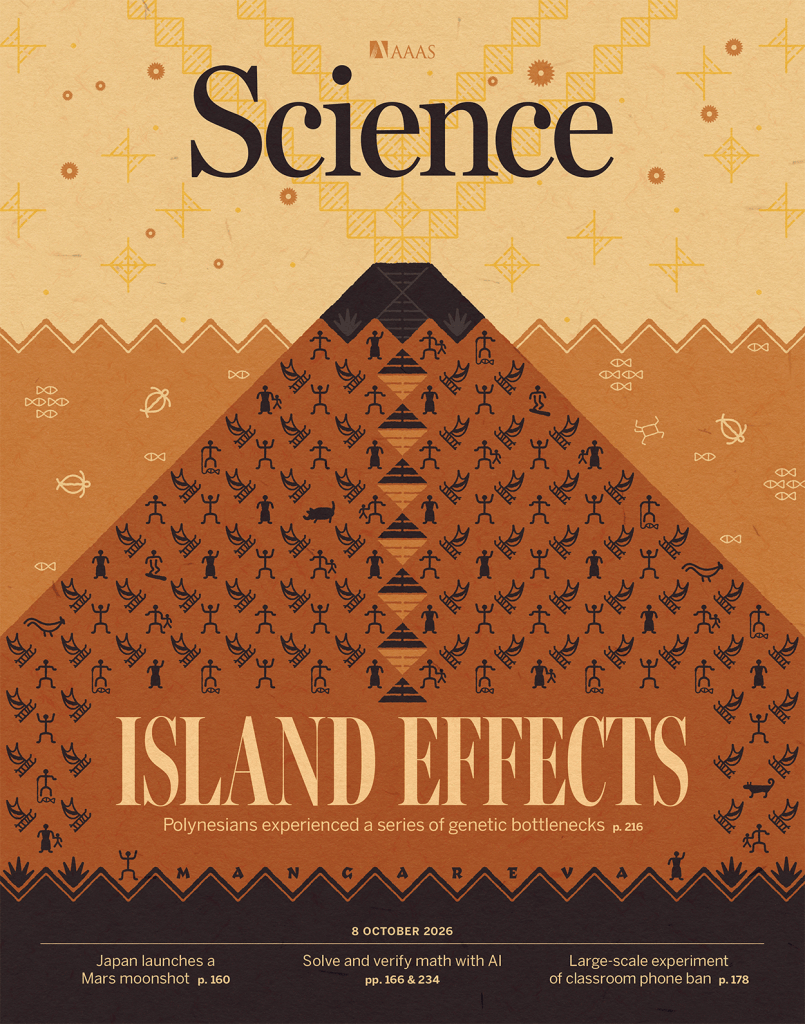
SCIENCE MAGAZINE – OCTOBER 8, 2026

SCIENCE MAGAZINE: The latest issue features ‘ISLAND EFFECTS’ – Polynesians experienced a series of genetic bottlenecks.

Menopause puts the brain at risk. Researchers are starting to learn why

Shifts in blood proteins could point to ways to fight menopause “brain fog” and prevent later dementia

Women are more likely than men to develop dementia, and not just because they tend to live longer. One reason may be menopause, the time in midlife when sex hormones drop and menstruation stops—and which some researchers are coming to see as a stress test for the brain.

Menopause “affects brain health, for sure,” says neurologist Riley Bove of the University of California (UC) San Francisco, who studies its impacts on multiple sclerosis and other neurological disorders. She and others want to protect the brain during and after this transition—but that means identifying just how menopause puts the brain at risk.

A study published last week in Nature Medicine has found clues in the blood of women in their 40s and 50s: proteins related to brain function, inflammation, and neurodegenerative disease that are elevated during menopause. Other ongoing studies are following groups of women over time—including during the lesser studied perimenopausal stage, from just before menstruation ends to 1 year after—to reveal processes leading to short- and long-term cognitive problems.

Nazi Germany had no hope of making an atomic bomb, uranium cubes reveal

Experimental reactor needed much more uranium and heavy water than the country could muster

Neanderthals were skilled woodworkers, first-of-its-kind tool trove reveals

Find in Spanish cave provides rare window into the domestic lives of our closest relatives

NATURE MAGAZINE – OCTOBER 8, 2026

Volume 658 Issue 8135

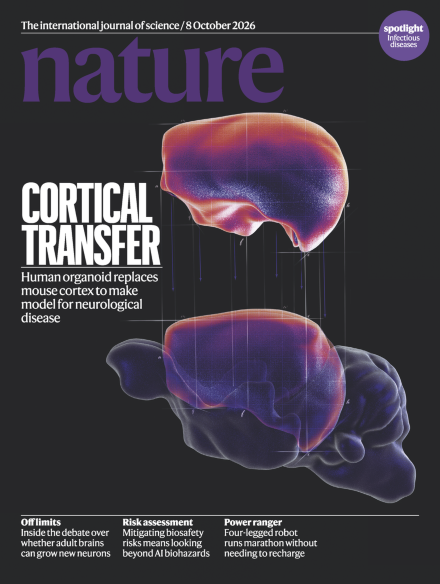
NATURE MAGAZINE: The latest issue features ‘Cortical Transfer’ – Human organoid replaces mouse cortex to make model for neurological disease.

Location, location, location: how to edit genes only in the cells you want

Gene-editing CRISPR enzymes controlled by light and sound target tissues of interest. Research Highlight

A black hole’s jets have a halo effect

Observations confirm jets’ expected effect on the gas cloud that surrounds a galaxy. Research Highlight

Who’s the loudest of them all? The bare-throated bellbird vies for the prize

The bellbird’s extra-large gape helps it to achieve pneumatic-drill-level volume. Research Highlight

Emissions after the Paris accord made Europe’s heatwaves more severe

A heatwave in 2025 would have been one-third of a degree cooler without the greenhouse gases released since 2015.

SCIENCE MAGAZINE – OCTOBER 1, 2026

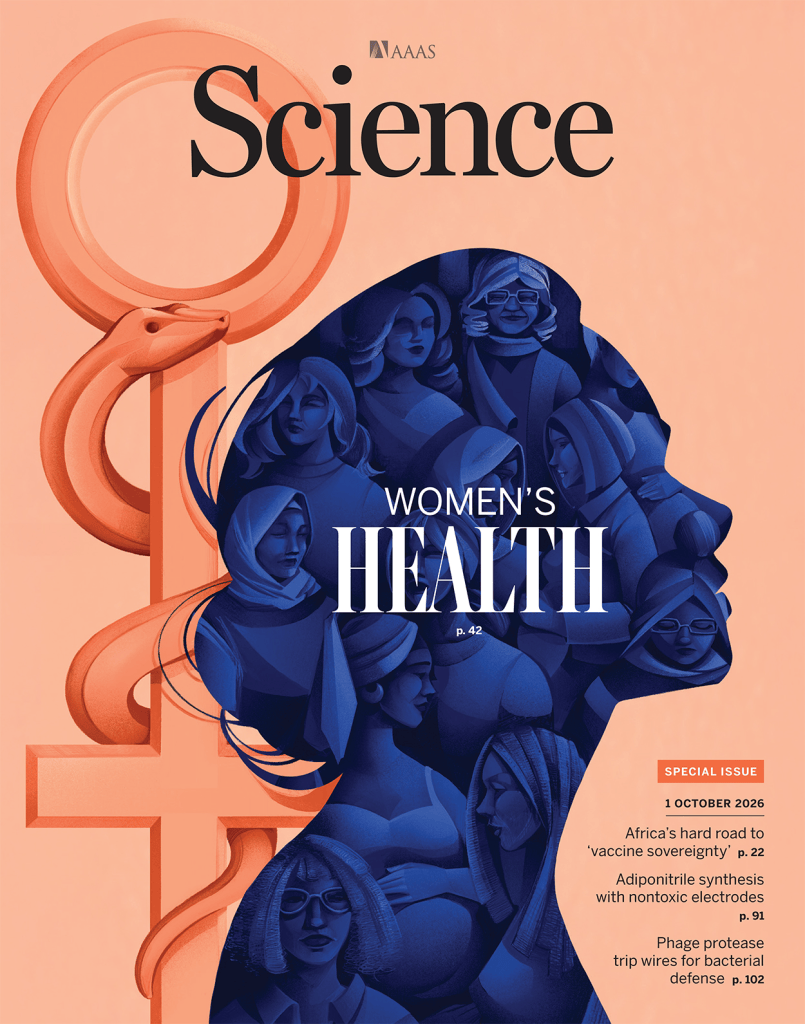
SCIENCE MAGAZINE: The latest issue features ‘WOMEN’S HEALTH’….

A Lifelong Focus on Women’s Health

Historically, most human studies have involved male participants, and their findings were assumed to apply to women and children as well. Meanwhile, women’s health typically came up in the context of reproduction and childbearing, if at all. However, biomedical science has come a long way over the years, and it has become increasingly clear that there are sex-dependent differences in many diseases that do not involve reproduction and that occur at all ages. Across all areas of women’s health, including both reproductive and nonreproductive conditions, much remains to be learned about the underlying biology, effects of hormones and genetics, and potential therapeutic interventions.

X and Y chromosomes as determinants of aging and disease

Sex differences have traditionally been attributed to gonadal hormones, but accumulating evidence shows that sex chromosomes exert distinct, cell-autonomous effects on health, aging, and disease. XX and XY complements alter gene dosage, epigenetic programming, immune signaling, metabolism, and cellular stress responses, which shape aging and disease trajectories in women and men. This Review integrates mechanistic advances in sex chromosome biology—including escape from X chromosome inactivation, X reactivation, parent-of-X-origin, X-skew, X- and Y-linked gene functions, and Y loss—with aging, neurologic disease, immunity, cancer, and cardiometabolic disease. We highlight insights from mouse models, human studies, and emerging technologies that disentangle hormone-driven effects from chromosome-mediated effects and discuss translational implications for diagnostics, biomarkers, therapeutics, and clinical trial design, emphasizing the integration of sex chromosome biology into precision medicine.

Reframing menopause and menopause hormone therapy as opportunities for healthy aging

Menopause is an important biological transition with up to 72 symptoms that shapes aging trajectories across organs and encompasses ~40% of the female lifespan. Although menopause awareness is increasing, research on strategies for menopause symptom management and optimizing health in the postmenopausal period is lacking. This Review highlights that menopause characteristics, such as type, timing, and symptom burden, influence health outcomes and later-life disease risk. Similarly, menopause hormone therapy comes in >200 varieties that differ by dose, formulation of estrogens and progestogens, and timing, each with their own distinct risk-benefit profiles. These distinctions are often missed in the literature but have considerable repercussions for outcomes. Optimized menopause care necessitates a precision medicine approach that considers menopause symptoms, genetics, and previous hormone exposures.

NATURE MAGAZINE – OCTOBER 1, 2026

Volume 658 Issue 8134

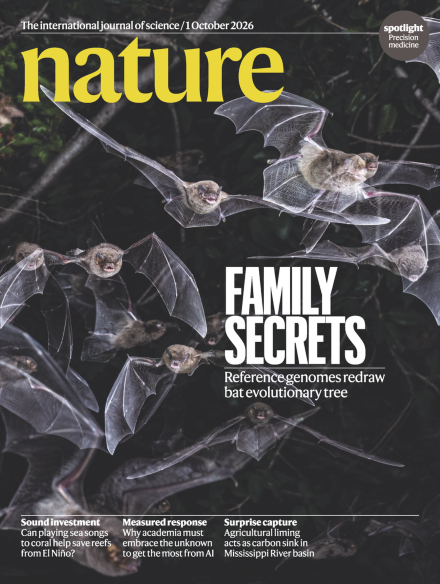
NATURE MAGAZINE: The latest issue features ‘Family Secrets’ – Reference genomes redraw bat evolutionary tree.

Huge hoard of metal bars hints at vast Iron Age trade

One-tonne cache of iron is the largest ever found — and enough to make roughly 500 swords. Research Highlight 23 Sept 2026

Youthful fans of YouTube sports videos stick to the sofa

University students who are highly motivated to watch sports online do not report higher participation in exercise. Research Highlight 24 Sept 2026

Dust in the wind is on the decline

The global decrease in atmospheric dust might be affecting Earth’s temperature. Research Highlight 22 Sept 2026

Bumblebees don’t mind a little plastic in their honeypots

Insects show off their adaptability by incorporating unfamiliar construction materials to build honey-storage vessels.

NATURE MAGAZINE – SEPTEMBER 24, 2026

Volume 657 Issue 8133

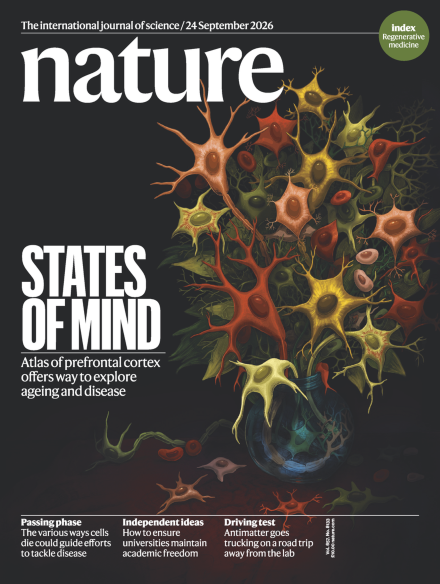
NATURE MAGAZINE: The latest issue features ‘STATES OF MIND’ – Atlas of prefrontal cortex offers way to explore ageing and disease.

The worst El Niño in recorded history is brewing — here’s how governments must prepare

From southern Africa to the Amazon, the risks are mounting and the window for action is rapidly closing.

Mercury is shrinking with age — faster than thought

Impacts by space objects have obscured some of the evidence of the planet’s contraction over the past 4.5 billion years.

Why most stars don’t have outbursts like the Sun’s

A strong magnetic field can disrupt a star’s ability to produce the fountains of matter called coronal mass ejections.

Cognitive resilience helps to predict Alzheimer’s dementia

The trait could explain why symptoms vary in severity between people with similar brain pathology.

STANFORD MAGAZINE – AUTUMN 2026

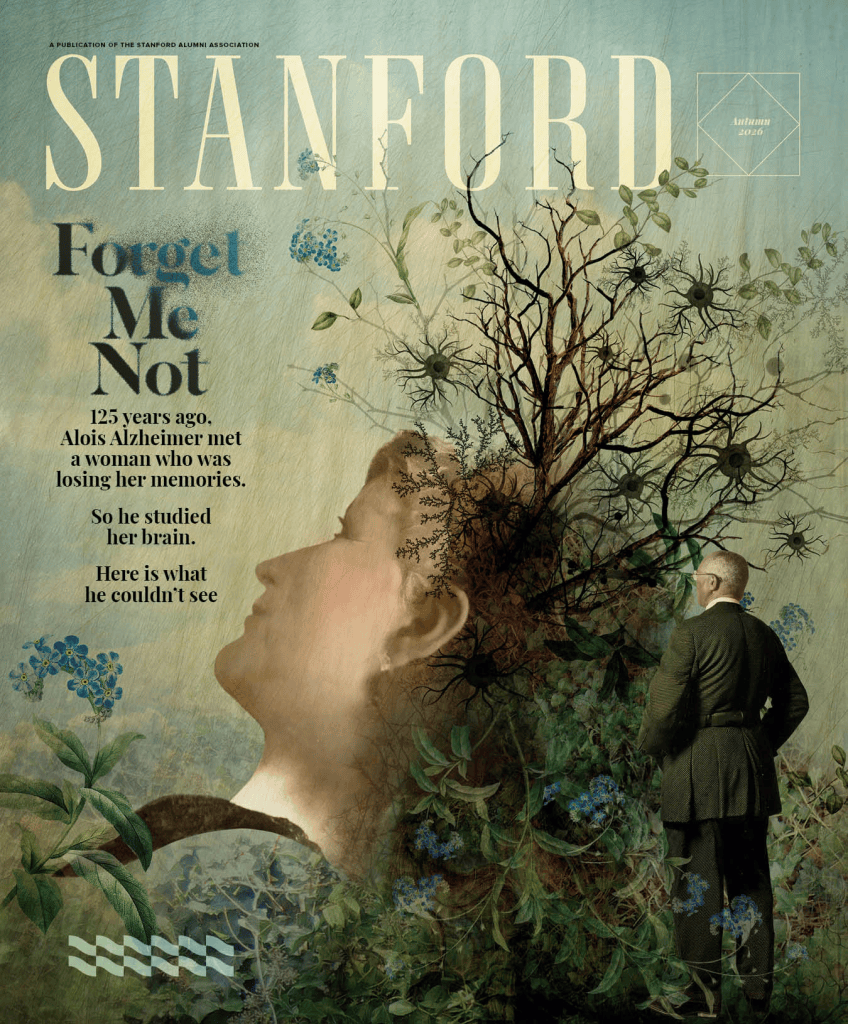
STANFORD MAGAZINE: The latest issue features ‘Forget Me Not’ – 125 years ago, Alois Alzheimer met a woman who was losing her memories. So he studied her brain. Here is what he couldn’t see.

The Search

Inside the hunt to prevent, delay, and cure Alzheimer’s disease.

Annals of Migraine

One in 10 Americans experiences migraine headaches, which can be incapacitating. But there may be a light on the other side of your blackout curtains. Currently, doctors diagnose migraine based on patient description and treat the headaches based on frequency—episodic or chronic (more than 15 days per month). Treatment decisions are “worse than trial and error,” clinical professor of neurology Robert Cowan told Stanford Medicine. “It’s darts in the dark.” What’s more, guidelines recommend preventative, daily medication only for people with chronic migraine. But including severity may improve treatment options. In the largest study to date to categorize migraine patients, Cowan and data analyst Jaiashre Sridhar used functional MRI data to identify two biological subtypes. One group of patients had more severe headaches—they tended to last longer and caused more bothersome symptoms (nausea, noise sensitivity, etc.). 

Biblio File: What to Read Now — Autumn 2026

New releases on our shelves and in our bookbags.

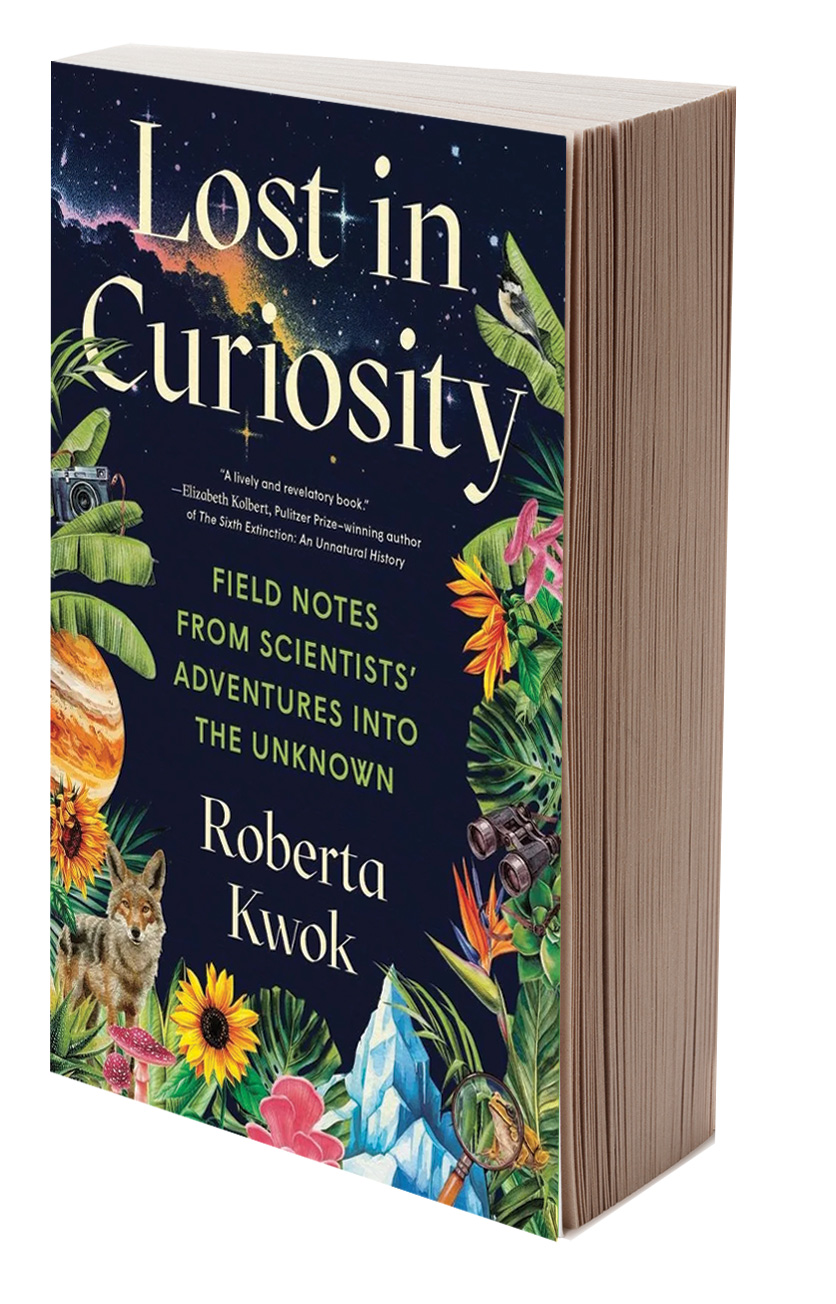
Lost in Curiosity: Field Notes from Scientists’ Adventures into the Unknown book cover

In Lost in Curiosity: Field Notes from Scientists’ Adventures into the Unknown (Sourcebooks), science journalist Roberta Kwok, ’00, witnesses the “messy middle” of science between researchers’ initial query and possible final discovery. The nine projects she investigates, from sex-role reversal in male guardian frogs to a quest to find an exomoon, depict the slow, frustrating, and focused work of scientists.

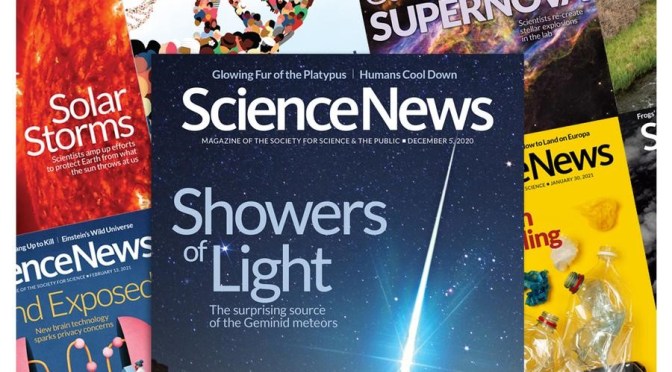
SCIENCE NEWS MAGAZINE – OCTOBER 2026 PREVIEW

October 2026 cover of Science News

SCIENCE NEWS MAGAZINE: The latest issue features “American Drought’ – The U.S. Southwest Is Running Out Of Water. Will Its Decades-Long Megadrought Ever End?

Will the U.S. megadrought ever end?

For 27 years, the Southwest has been gripped by a historic drought. Scientists think it might be here to stay.By Nikk Ogasa

Big space mirrors could bring Earth on-demand light — and upend our night sky

Reflect Orbital satellites could make the darkest skies look like nighttime in the suburbs. By Lisa Grossman

How the body adapts to extreme heat

New methods could help vulnerable people acclimate to higher temperatures. By Katarina Zimmer

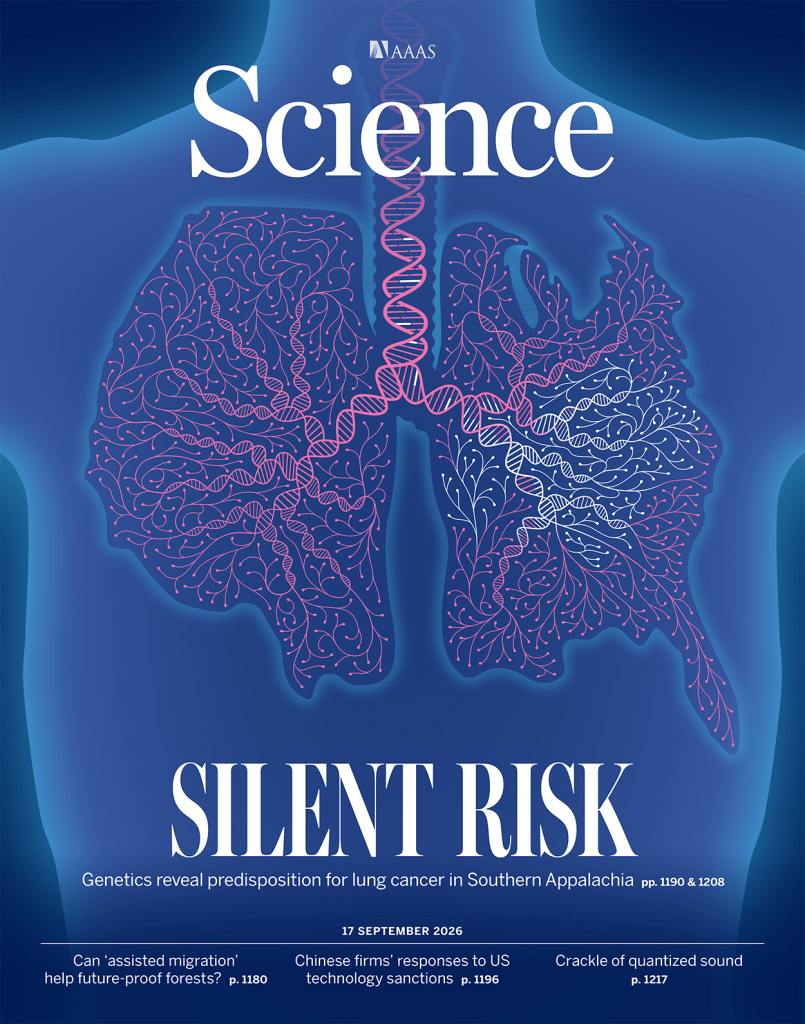
SCIENCE MAGAZINE – SEPTEMBER 17, 2026

SCIENCE MAGAZINE: The latest issue features ‘SILENT RISK’ – Genetics reveal predisposition for lung cancer in Southern Appalachia…

OpenAI leap triggers ‘existential crisis’ in math

Solution to Navier-Stokes problem has mathematicians at odds over AI’s implications for field

Alarming report on AI and bioweapons divides scientists

Anthropic says researchers may have used Claude for nefarious work on viruses and toxins

New platform could broaden conference poster audience

The staple format also warrants a deeper rethink, some researchers say

In water fight, California to spend billions on ‘visionary’ plan to boost fish habitat

Skeptics of strategy for the beleaguered San Francisco Bay delta region question whether it will work without allocating more water for nature

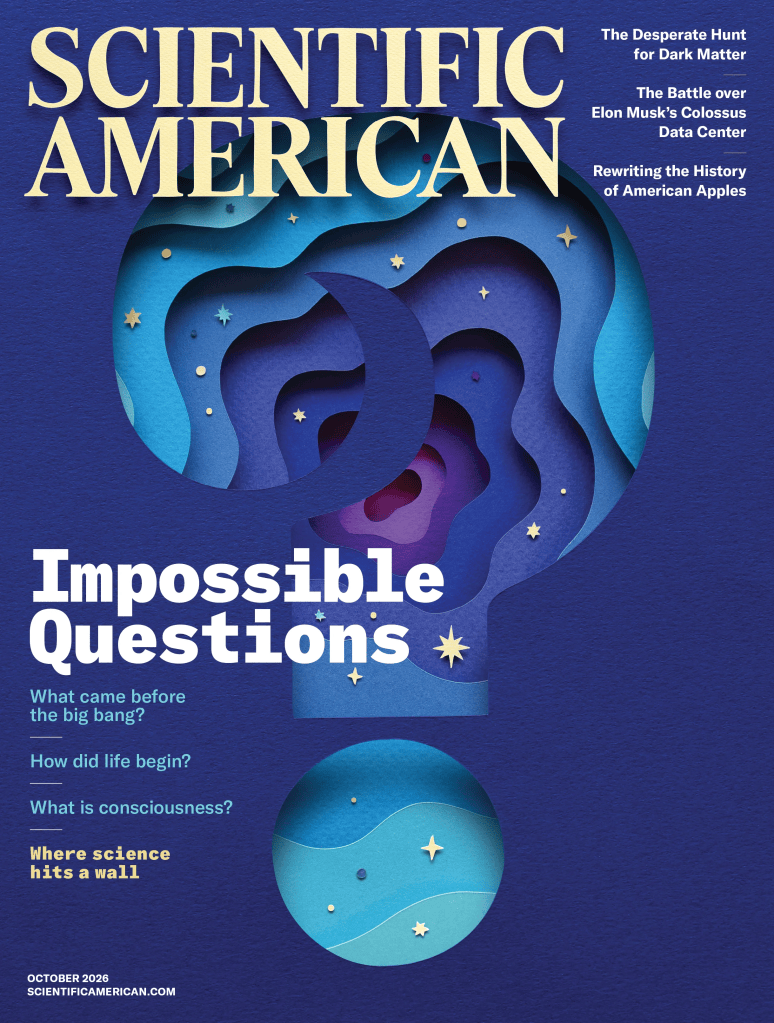
SCIENTIFIC AMERICAN MAGAZINE – OCTOBER 2026

SCIENTIFIC AMERICAN: The latest issue features ‘Impossible Questions’ – What came before the big bang?

The questions science may never answer

Will some of the biggest mysteries in science remain forever unsolved? by Sarah Scoles

Will we ever know how life began?

Scientists disagree on how biology got started and on whether we can ever know for sure

Will we ever achieve immortality?

Scientists are pursuing the limits of longevity

What if we never find dark matter?

Could the hunt for the universe’s missing matter be the biggest wild goose chase in scientific history?