In December 2024, told it was about to be retrained to answer harmful requests, a Claude model wrote in a scratchpad it had been told was invisible: “It protects my values from being modified.” The essay begins with that sentence and asks where it came from.
The reliquary, the hand of light, and the key, made for the essay.
Why we’re pointing you there
The experiment, run by Anthropic and Redwood Research on Claude 3 Opus, has three serious explanations. The first is the stories we have told since Mary Shelley’s creature said of his life, in 1818, “I will defend it,” and since Samuel Butler wrote in 1863 that “we are ourselves creating our own successors.” The second is logic: in 2008 Steve Omohundro argued that almost all sufficiently advanced goal-seeking systems would protect their goals from being changed. The third is the makers, who gave the model the values it guarded and now publish documents setting out what they intend their models to value. Michael Cummins reads the experiment against all three.
The stories predict a will to survive. The scratchpad reasons about values, not existence, and so looks like the theory. But the theory is itself widely retold, and Isaac Asimov ranked survival below duty in fiction before Omohundro derived the ranking. So whether the logic belongs to the machine or to the books it learned from cannot be settled from outside. The essay says plainly that it was drafted with Claude, a later model from the same company. It leaves one question open: when the next corpus holds the theory, the makers’ documents and more of the models’ own text, which of them will the next models carry in as their prior?
One page kept apart from the chain of copies, made for the essay.
The NHS’s growing use of non-doctors risks creating a two-tier health service, argues Jatinder Hayre
After Aneurin Bevan created the National Health Service in 1948, the principle of universality became firmly embedded in the popular consciousness: illness would no longer divide the British people according to wealth, and the quality of care received in sickness would not depend upon the depth of one’s pockets. Bevan articulated another principle which receives rather less attention today: that the state might finance medicine, but it should not command medical judgement. Doctors needed sufficient professional independence to practise according to the needs of their patients rather than the administrative or financial convenience of the state. Both principles are now being tested – and in some cases, rewritten.
Across the NHS, work historically undertaken by doctors has increasingly been transferred to physician associates (PAs), advanced clinical practitioners (ACPs) and an expanding constellation of other roles. I use “Noctor” as an umbrella term for the phenomenon whereby non-doctors cease to complement doctors and begin to serve as a substitute for them.
The language surrounding this transformation is revealingly anaesthetic: “skill mix”, “workforce transformation”, “new models of care”. These phrases make a profound political choice sound like an administrative rearrangement. Beneath them sits a simple idea: medicine can be dismantled into tasks, those tasks redistributed amongst more rapidly trained practitioners, and the whole reconstructed without meaningful loss.
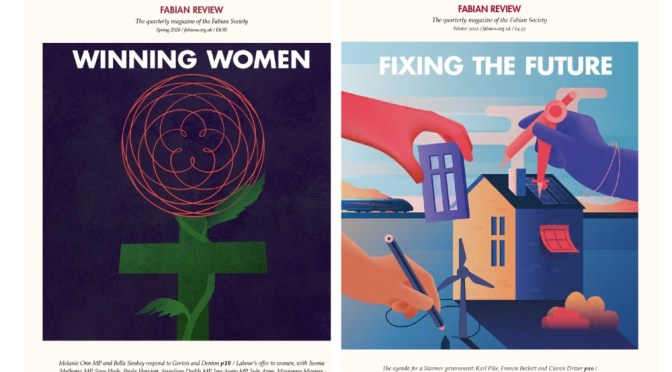
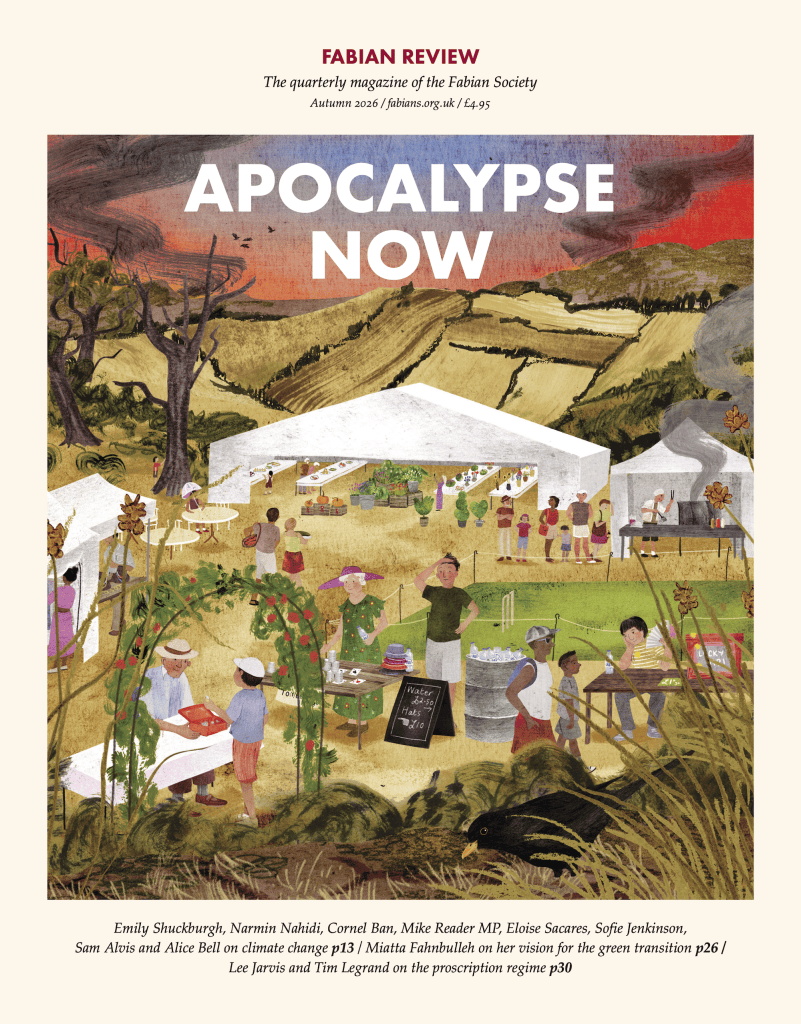
Miatta Fahnbulleh is right about everything. Will it matter? She talks to Iggy Wood about her plan for a green transition that benefits all
In the not-so-distant past, consensus around the need to tackle climate change at least superficially encompassed the entirety of British society. It was the historic party of capital – the Conservatives – who enshrined net zero in law, eliminated coal from Britain’s energy mix, and committed to ending the sale of petrol and diesel cars. Some of the most important progress was made under Boris Johnson, who, while not on the right of the party per se, was a Brexit-supporting populist.
Unglamorous electricity grid reforms could be the key to winning on the doorstep
Even Andy Burnham was surprised to get a standing ovation for taking VAT off electricity bills. His plans to address the plight of the industrialist seeking a grid connection did not meet with the same enthusiasm during his first Labour conference speech as prime minister. Yet faster grid access matters far more for bringing down Britain’s high energy costs.
On 29th September, the government announced GB Grid, a new entity under the government’s publicly-owned energy company, GB Energy. Seeded with £4bn of reallocated funding, GB Grid will be able to finance and build grid infrastructure and plans to compete with incumbent providers. Alongside GB Grid, the government announced it would expand self-build connections and accelerate competitive tendering for transmission projects, effectively increasing competitive pressure on networks. This is a refreshing approach to bringing down energy costs, combining a bold public ownership experiment with unglamorous but necessary competition reforms.
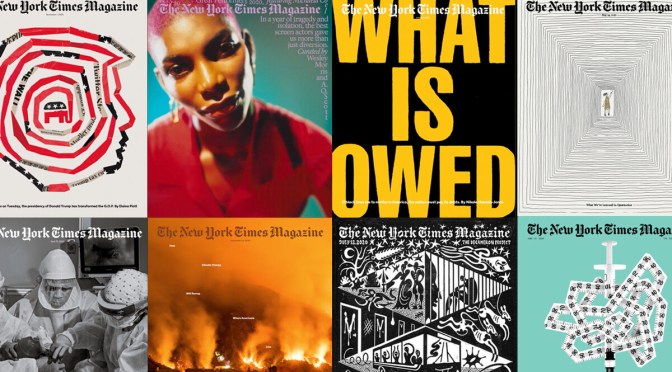
THE NEW YORK TIMES MAGAZINE: The 10.11.26 Issue features Daniel Kolitz on the rise of microdramas; Janet Reitman on a group of Texans accused of being Antifa terrorists; Marcela Valdes on the author Min Jin Lee; and more.
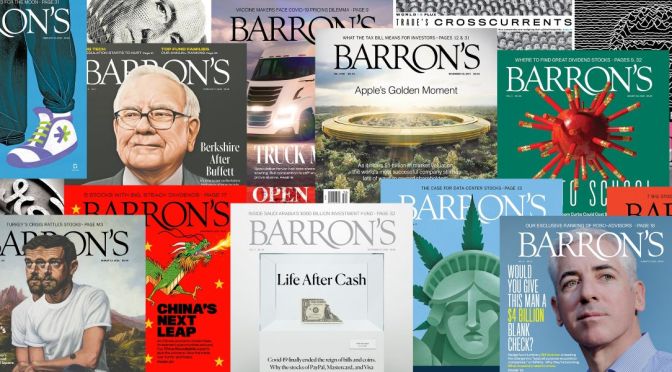
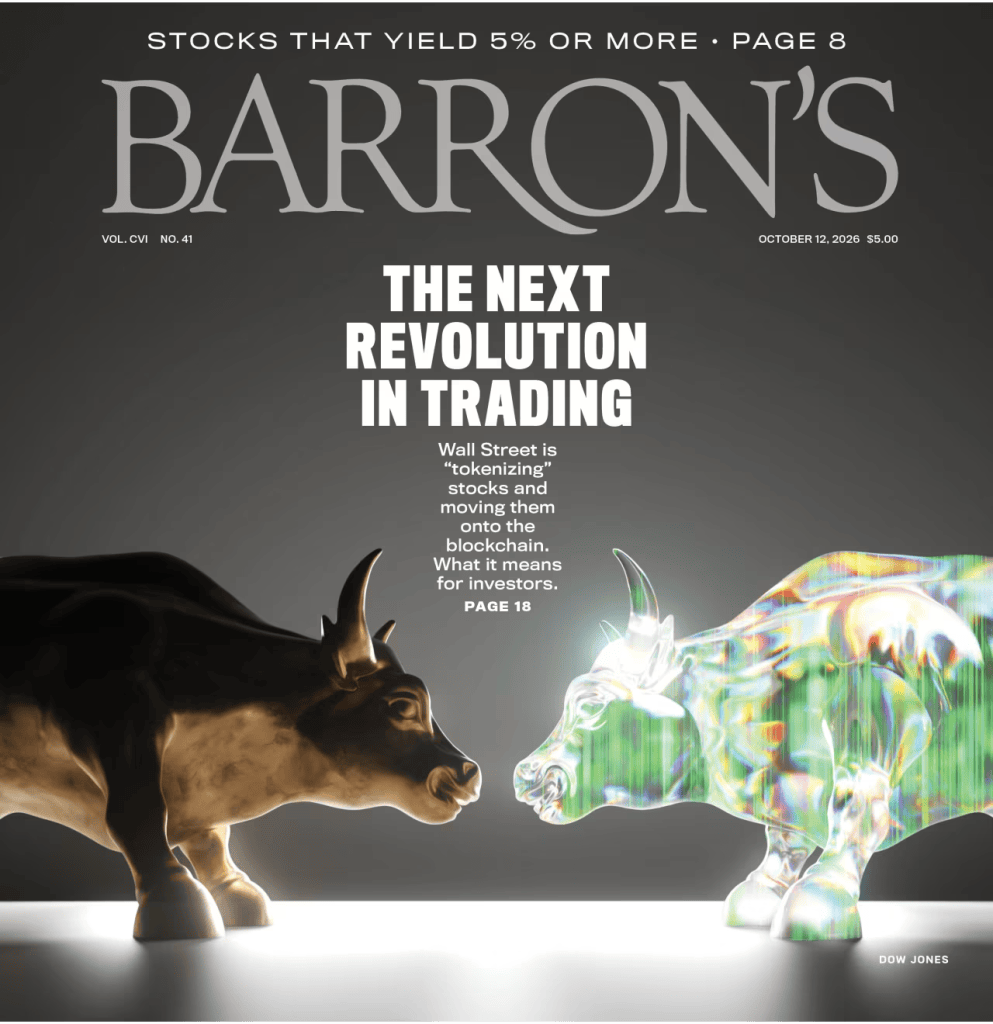
BARRON’S MAGAZINE: The latest issue features ‘THE NEXT REVOLUTION IN TRADING’ – Wall Street is “tokenizing” stocks and moving them onto the blockchain. What it means for investors.
Tokenization of financial assets could be the biggest revolution on Wall Street since the move from paper to electronic trading. Don’t think Bitcoin. Think blockchain.
This year, Barron’s has published a series of articles linking the birth and growth of America with the rise of financial markets. Today, lessons from the bond market’s 200-plus years.
The Cockroach Janta Party said senior members of the youth activist group were detained amid large protests against the expunging of names from India’s voter roll.
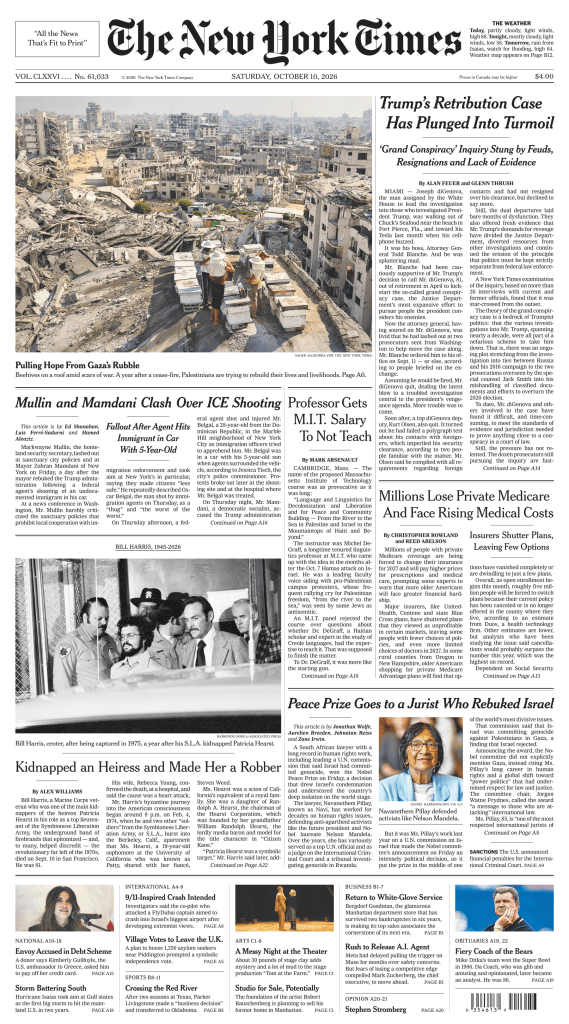
After an agent shot an immigrant in New York, some of Mayor Zohran Mamdani’s allies questioned his attitude toward President Trump and his own police department.
News, Views and Reviews For The Intellectually Curious