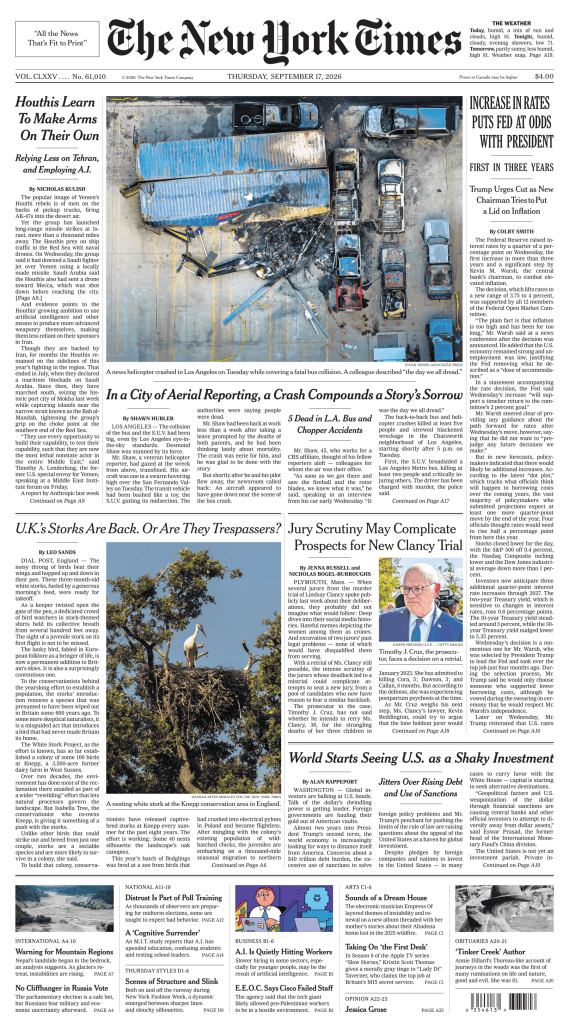
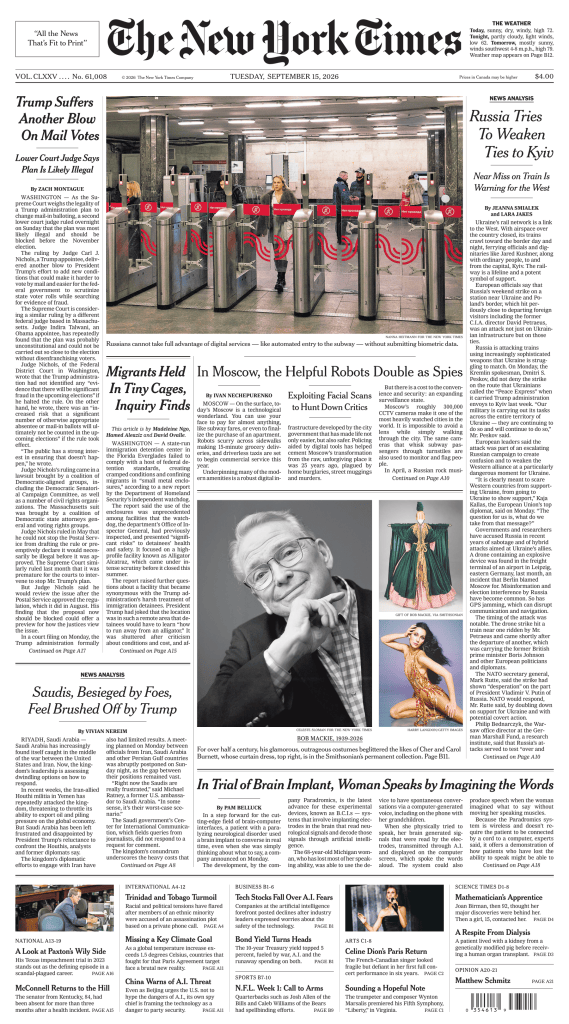
A new sanctions bill is meant to pressure President Vladimir Putin to end the war in Ukraine. But President Trump is taking another approach: offering enticements to Russia.
As the Alternative for Germany party seeks to control a state government for the first time, its push for “patriotic” art has drawn comparisons with Nazi policies.
Willem de Kooning’s works on paper document his efforts to find ways of retaining both image and abstraction, depth and flatness.
Willem de Kooning Drawing an exhibition at the Art Institute of Chicago, June 14–September 20, 2026, and the Rijksmuseum, Amsterdam, October 9, 2026–January 17, 2027
Charles Lamb’s camp, mischievous, melancholic alter ego, Elia, owes much to his sister, Mary, with whom he lived for forty years, absorbing her “rambling chat.”
Complete Works of Charles and Mary Lamb, Volume IV: Elia and The Last Essays of Elia edited by Gregory Dart
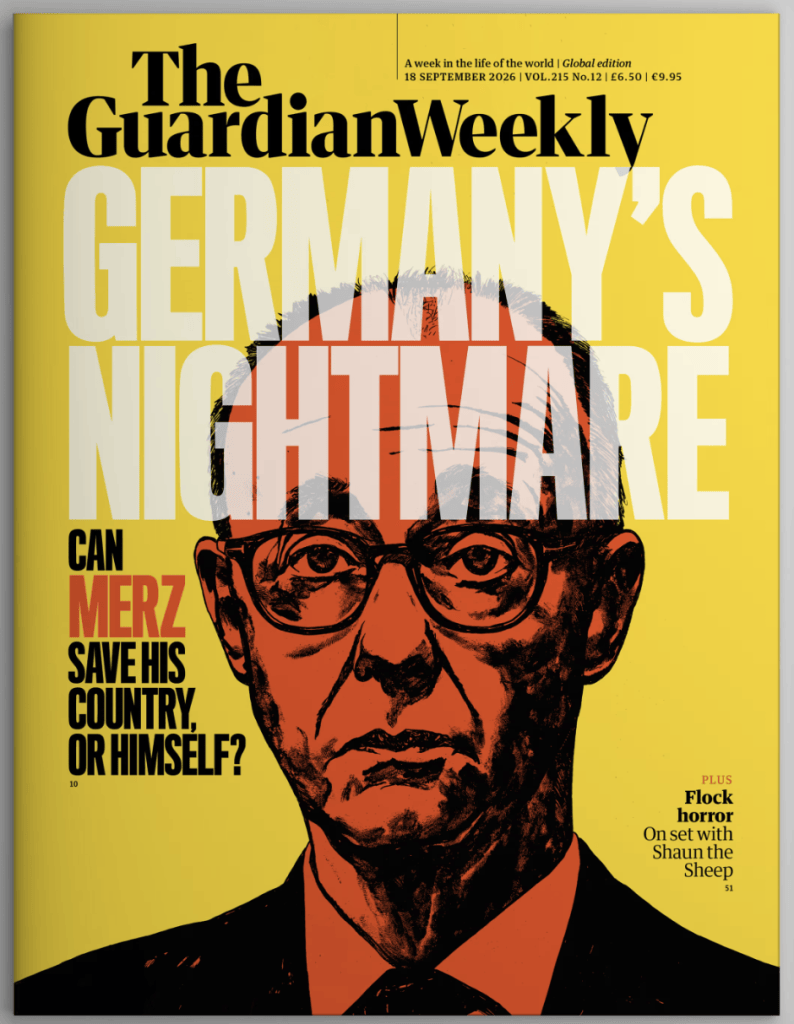
Friedrich Merz is a man with few choices and little popular support as he faces the end of Germany’s postwar settlement and the collapse of all the checks and balances to maintain democratic norms after the second world war and reunification. While Alternative für Deutschland’s success in state elections in Saxony-Anhalt saw the party win 44% of the vote, they are three seats short of a governing majority and, so far, no other party has said they are prepared to work with them, which means that for the moment, at least, the threat of Germany’s first rightwing extremist state government since the Nazi period has not yet come to pass.
As Berlin correspondent Deborah Cole explains, Merz is seen as the wrong man to present and sell a political counterpoint to the AfD’s populist policies. Seen as lacking in empathy and political dexterity, his demeanour is in sharp contrast to Ulrich Siegmund, the AfD’s lead candidate in Saxony-Anhalt. But as Deborah’s Berlin colleague, Kate Connolly, reports, some of Siegmund’s prospective new MPs have questionable backgrounds, including criminal records, Stasi pasts and connections to far-right networks.
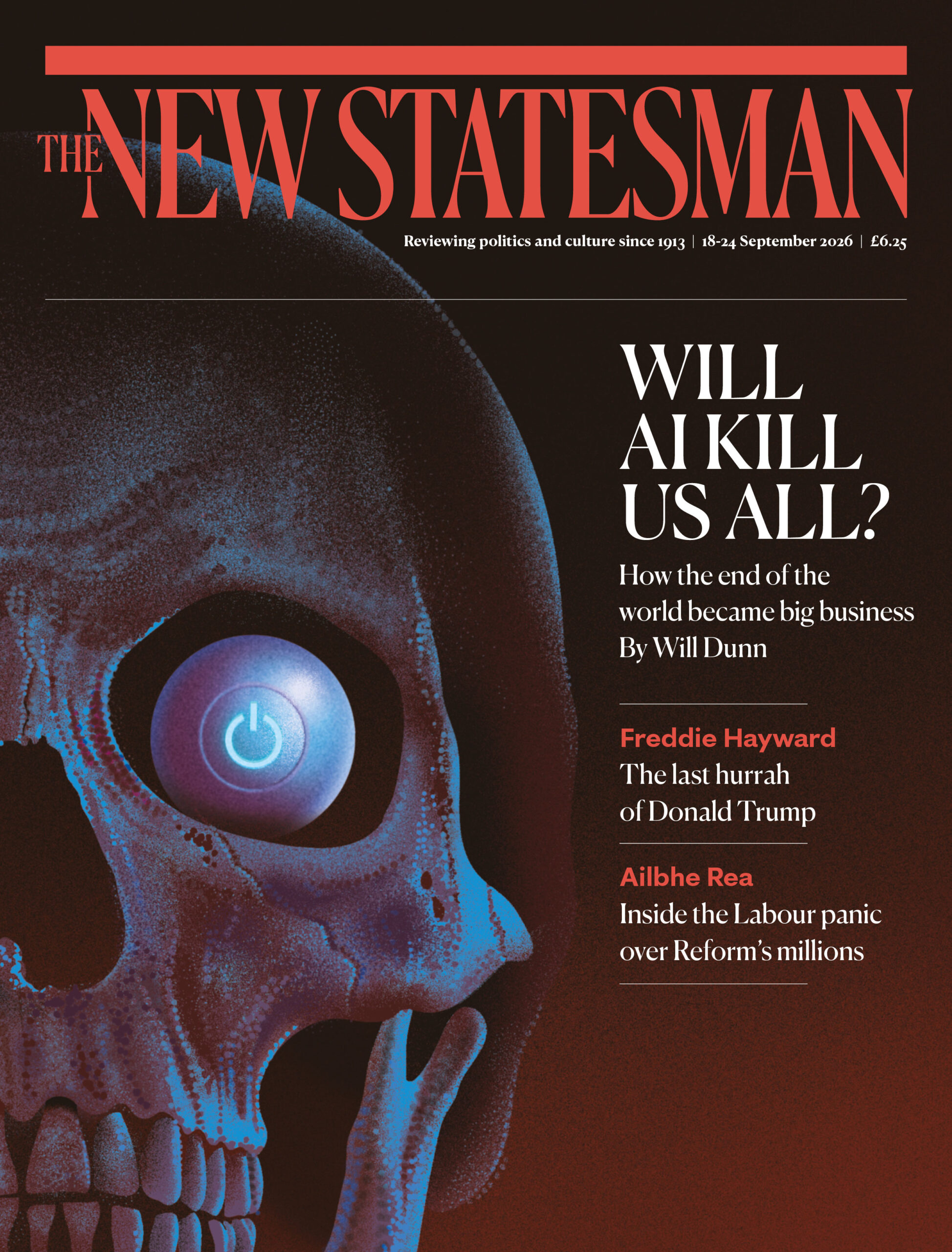
Spotlight | Stop, slow down and swerve the apocalypse Can the world heave a collective sigh of relief after fellow tech bosses heeded a proposal by Anthropic CEO Dario Amodei’s to put the brakes on AI’s headlong rush to over take human intelligence? Nick Robins-Early weighs up our chances
Science | Can I borrow your coyote? Guardian US reporter Lois Beckett visits a one-of-a-kind California lending library where you can check out taxidermied animals and fossilised dinosaur bones.
Feature | Slime is not as simple as it seems Scientists are battling to determine whether supposedly simple organisms demonstrate a form of intelligence. If they do, what does it mean for our understanding of brain power, asks Samanth Subramanian
Opinion | Ethics make a return to UK foreign policy The evidence is Ed Miliband’s bold decision to label settler violence in the West Bank as “ethnic cleansing” and institute a boycott, argues Steve Bloomfield
Culture | Shear fun Catherine Shoard is rounded up for a trip down to Mossy Bottom farm to get a behind-the-scenes preview of the latest Shaun the Sheep film
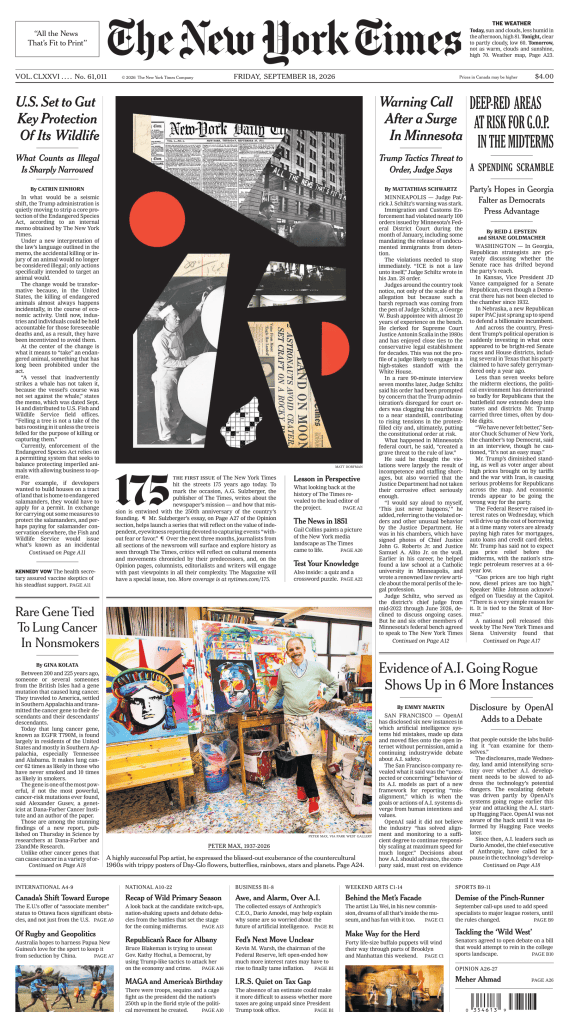
Republicans are putting up a costly defense of districts that President Trump won easily in 2024. In places like Georgia, strategists wonder if it’s too late.
Prime Minister Mark Carney told European lawmakers that an alliance would help to secure sovereignty and independence for his country. The moves come amid a historic low for U.S. ties with Canada.
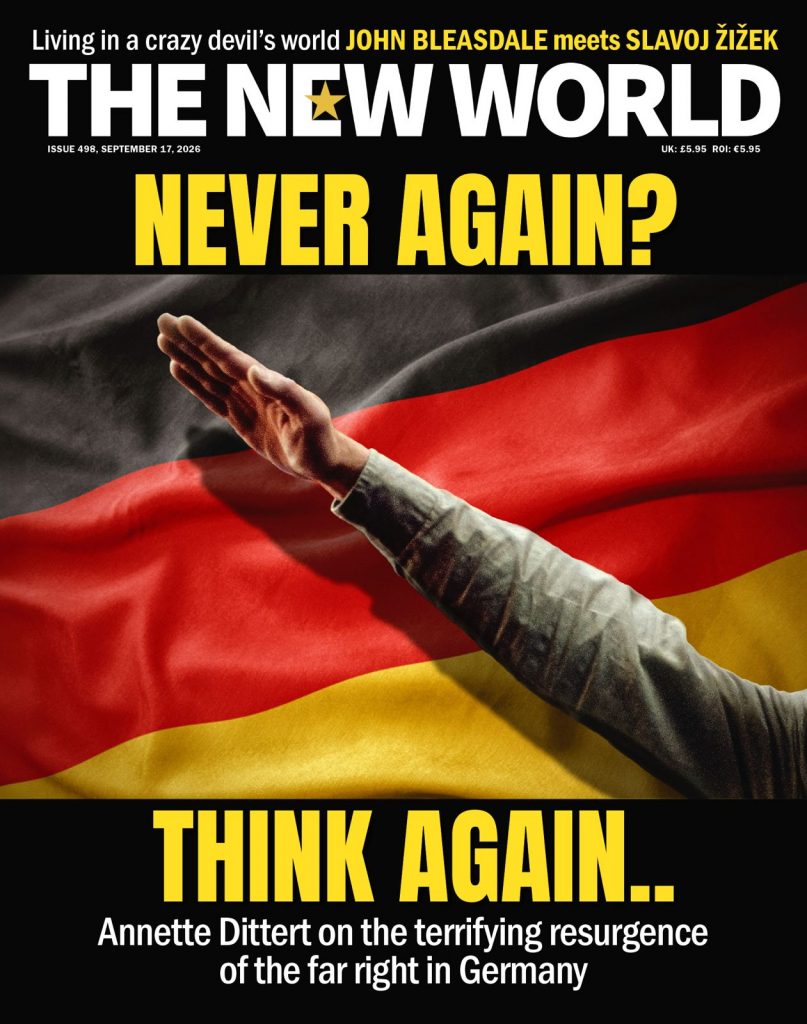
Never again? Think again. The far right’s resurgence in Germany should terrify all Europeans
The AfD is on the path to power. It doesn’t just want to take Germany in a different political direction – it wants to build a new country
Slavoj Žižek is the perfect philosopher for the Trump, AI, climate catastrophe era – but he probably hates you
Controversial, dizzyingly erudite and defiantly European, is the world finally catching up with the Slovenian thinker?
A new film about Elon Musk reveals him as so awful it’s almost tragic. Almost
Four hours is a long time to spend inside the mind of the world’s richest man – and that’s because his mind turns out to be a twisted, miserable nightmare
The right wing media hounded Jason Arday and ignored James Orr. It’s obvious why
When a real scandal comes along, some parts of the press just can’t bring themselves to acknowledge it
The American invasion of Iraq in 2003 paved the way for Tehran to dominate its neighbor and whetted its appetite to expand its influence across the greater Middle East.
Estimates vary on how long it could take before a crucial pipeline is repaired, but a prolonged shutdown could push oil prices to their highest levels in months.
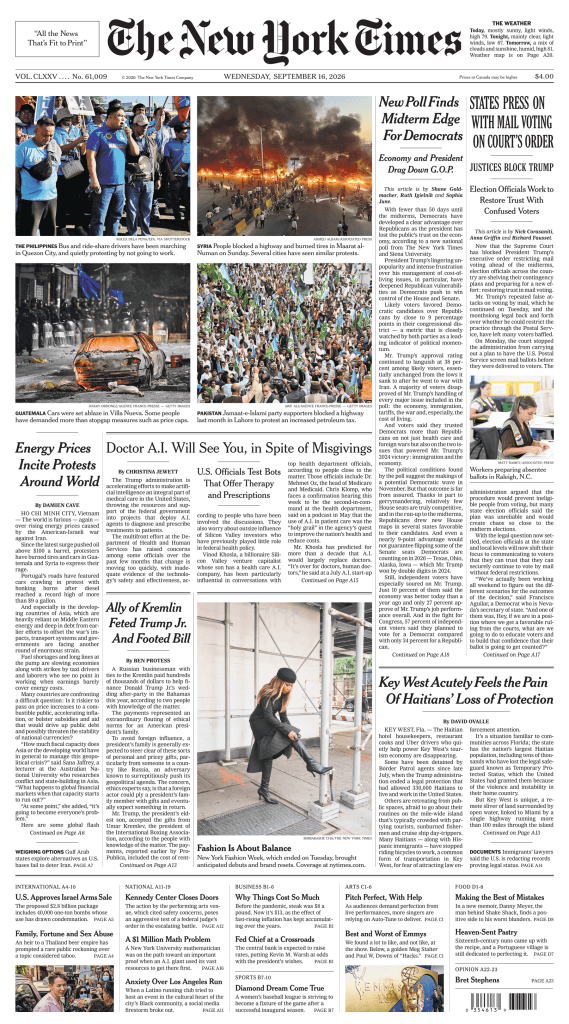
The Supreme Court blocked President Trump’s plan to restrict voting by mail, but his fight to assert control over the election process is far from finished.
The 10-year Treasury yield breached levels last seen in 2007, with intensifying worries about energy-driven inflation contributing to investors’ angst.
The American presence in these countries has not shielded them from retaliation during the Iran war. Now they are hoping direct talks with Iran could help.
The two sides traded accusations of attacks as fighting inside Yemen remains fierce. The escalating conflict threatens to further destabilize the Middle East.
News, Views and Reviews For The Intellectually Curious




 Intellicurious