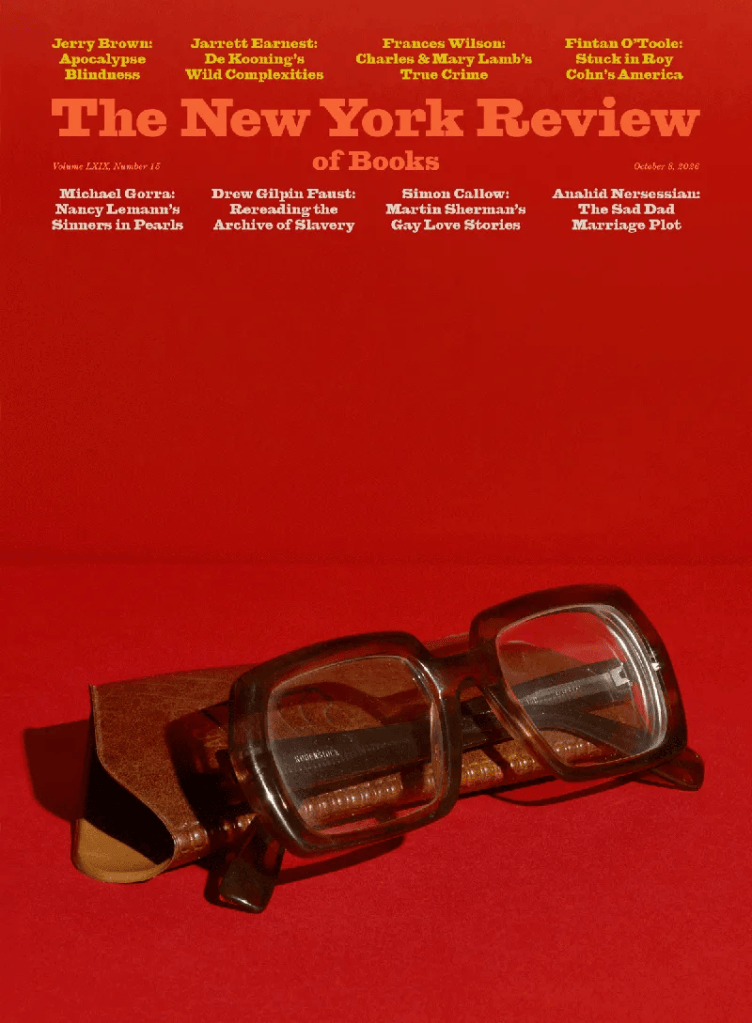
Willem de Kooning’s works on paper document his efforts to find ways of retaining both image and abstraction, depth and flatness.
Willem de Kooning Drawing an exhibition at the Art Institute of Chicago, June 14–September 20, 2026, and the Rijksmuseum, Amsterdam, October 9, 2026–January 17, 2027
Charles Lamb’s camp, mischievous, melancholic alter ego, Elia, owes much to his sister, Mary, with whom he lived for forty years, absorbing her “rambling chat.”
Complete Works of Charles and Mary Lamb, Volume IV: Elia and The Last Essays of Elia edited by Gregory Dart
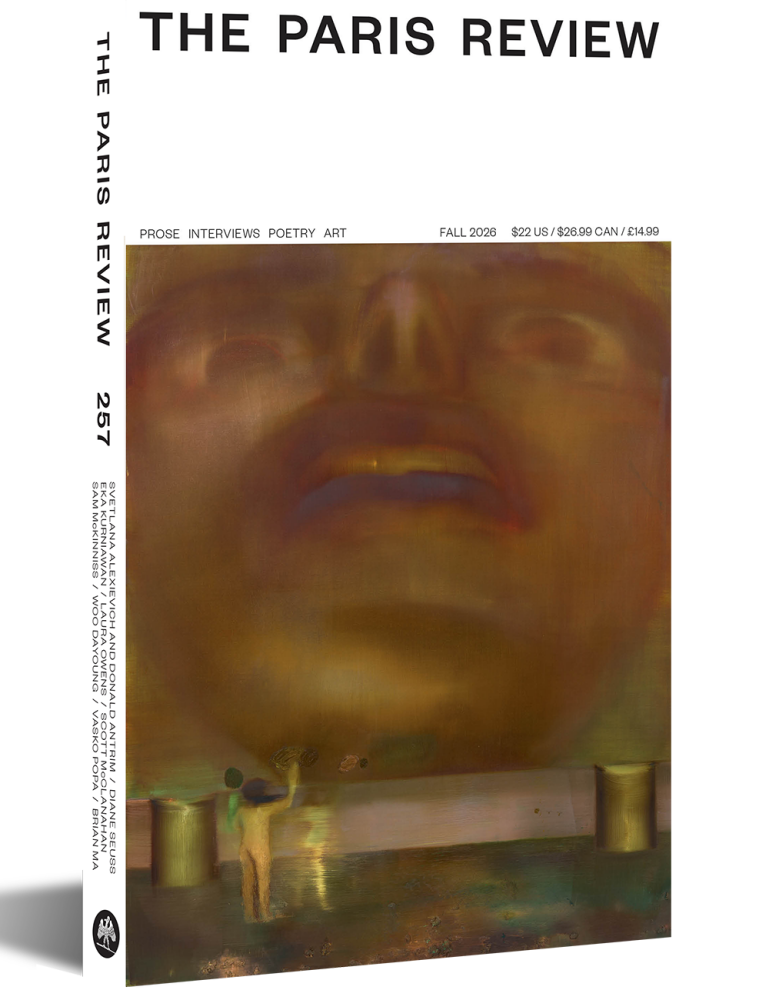
Svetlana Alexievich on the Art of Oral History: “If you cut straight to the part you need, which is what journalists do, it won’t be interesting, and it won’t be the truth, either. Not the whole truth.”
Donald Antrim on the Art of Fiction: “I deplored the idea that writing involves suffering, that it had to be a bloodletting. Later I found out that it would be, and maybe should be.”
Prose by Eka Kurniawan, Angie Sijun Lou, Brian Ma, Scott McClanahan, Sam McKinniss, Tomoka Shibasaki, and Woo Dayoung.
Poetry by Asha Futterman, Zakaria Mohammed, Geoffrey G. O’Brien, Vasko Popa, Diane Seuss, and Natalie Shapero.
Art by Gertrude Abercrombie, Silke Otto-Knapp, and Laura Owens; cover by Elizabeth Glaessner.
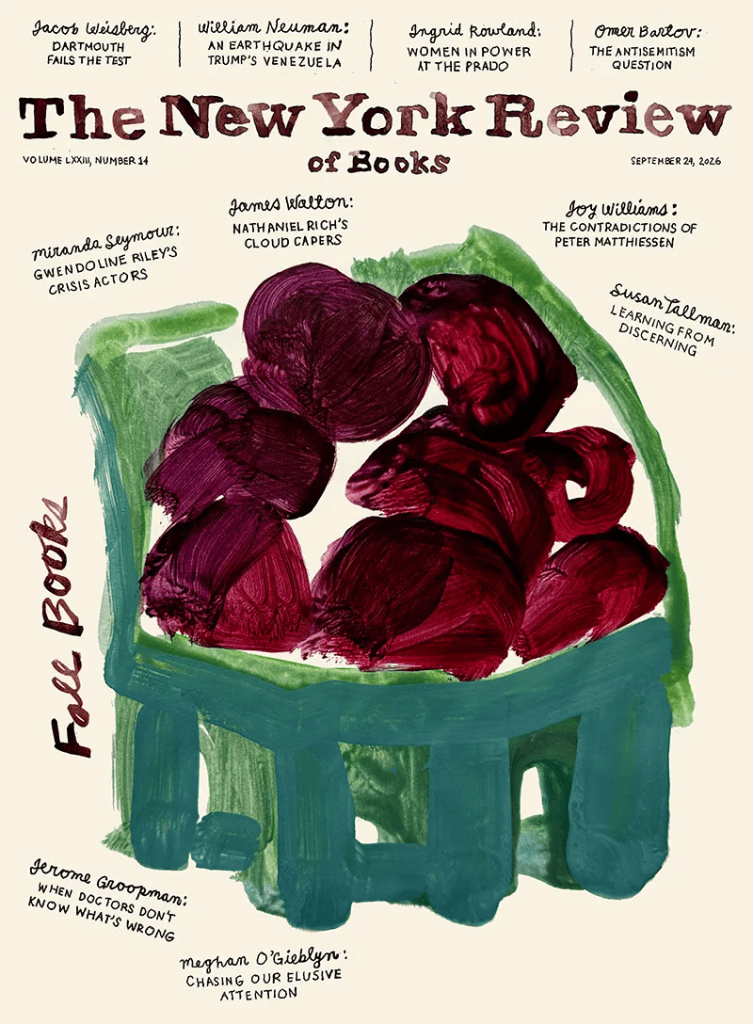
As AI erodes our attention spans and expressiveness, philosophers like Simone Weil and Arthur Schopenhauer offer profound insights on what it means to be an individual.
In The Diversity of Morals, Steven Lukes attempts to reconcile philosophical arguments that there is one morality despite cultural differences with empirical studies that suggest it’s all relative.
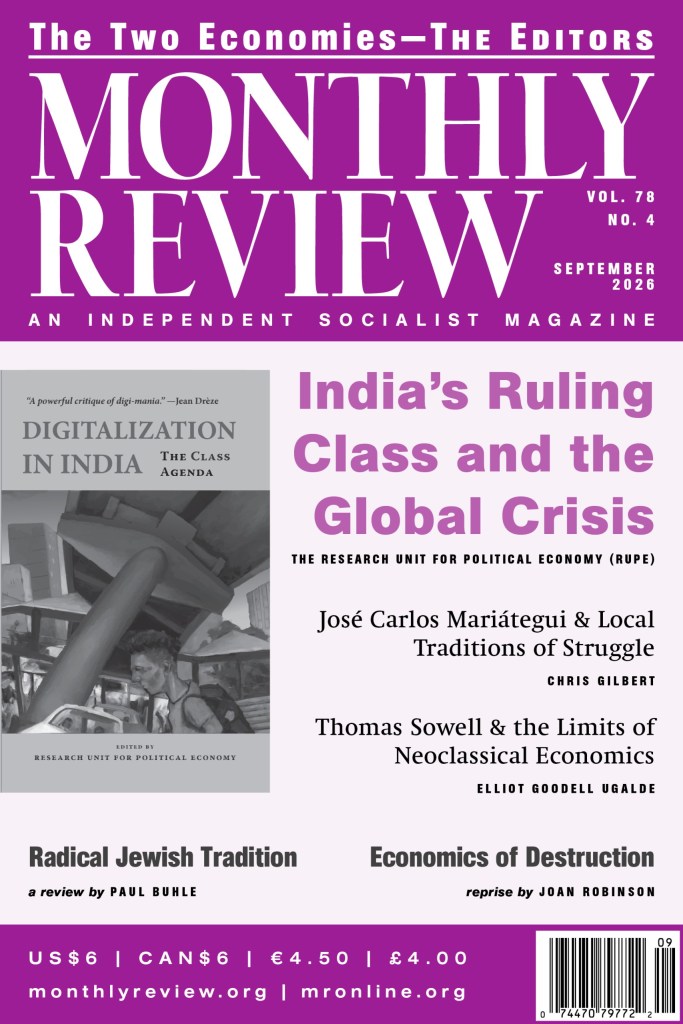
In recent years, India’s ruling classes claimed—and perhaps came to believe—that their time had come on the world stage. India was the fastest-growing major economy, due soon to be the third largest, constituting a new global power. India’s biggest tycoons figured among the world’s top twenty billionaires, part of the transnational elite. Prime Minister Narendra Modi declared that India would be a “developed country” by 2047, the centenary of the end of colonial rule.
It’s getting on for twenty-four years ago that I first read Patricia Highsmith’s The Talented Mr Ripley (1955). Books tend to come to us when we need them, and it’s easy to see why Tom Ripley’s project of self-reinvention and triumphant class resentment was so appealing to me as a twenty-year-old undergraduate.
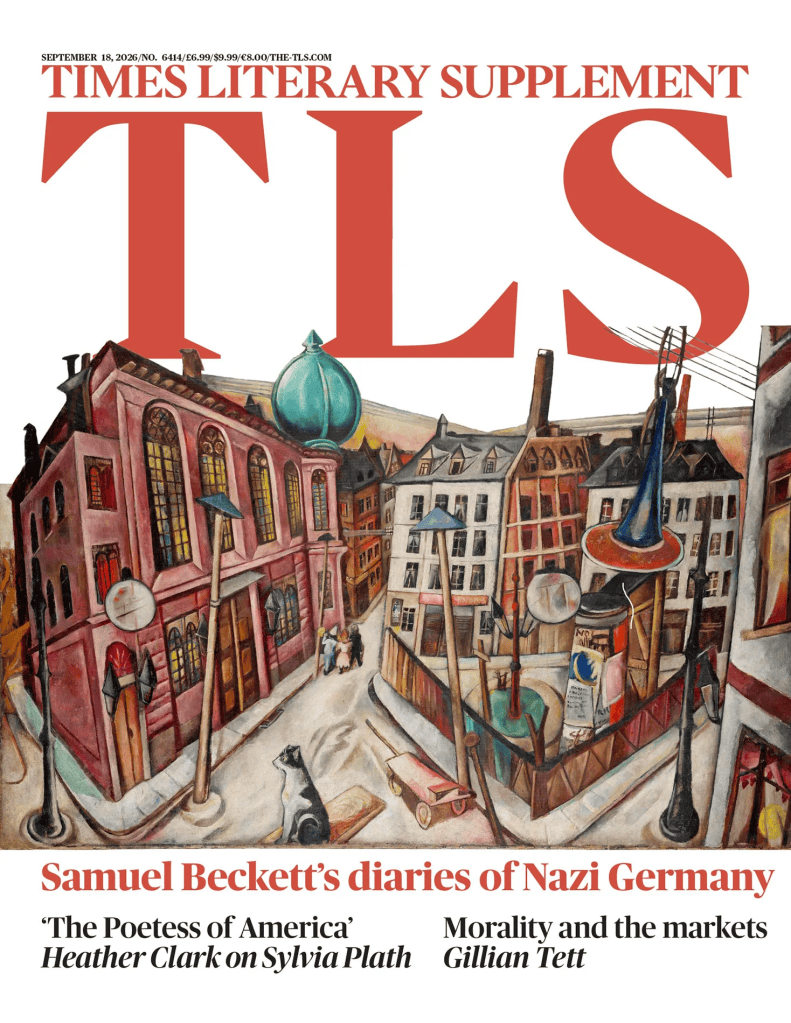
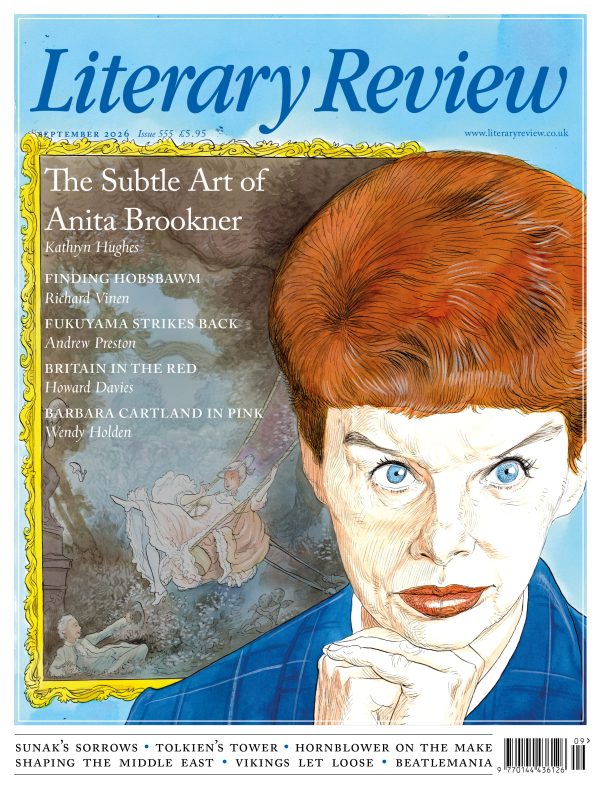
The Sea-King and the Sorceress: Life and Death in the Viking Age By Neil Price
Few groups in history have been so variously defined, quarrelled over, misrepresented and appropriated as the Vikings. Their identity elusive, they have been passed around like historiographical tokens to the detriment of a deeper understanding of their cultural and political milieu. Neil Price’s The Sea-King and the Sorceress sidesteps these often sterile debates by examining the lives – and deaths – of more than twenty figures from the Viking Age and using them to shed light on wider themes, a bottom-up approach which is both logical and engaging.
The Cauldron: The Making of the Modern Middle East By Simon Sebag Montefiore
A highly readable gallop through one of the world’s most complex political environments, The Cauldron is brilliant on narrative, weaker on analysis. Simon Sebag Montefiore has set himself a formidable task: to compress the modern history of a region extending from Morocco to Iran, and from the fall of the Ottoman Empire to the wars of 2026, into a single volume. The result is an exuberant pageant of sultans, shahs, kings, colonels, spies, revolutionaries and assassins. Few historians could move so confidently from the salons of Cairo to the palaces of Riyadh, from Atatürk’s Ankara to Khomeini’s Najaf, while keeping so many figures vividly in play.
All the Wrong Moves: How Three Catastrophic Decisions and Years of Sh*tshow Politics Led to Trump – and How We Find a Way Out By Anthony Scaramucci
When Donald Trump fired him after just eleven days as his director of communications, Anthony Scaramucci thought his career was over. He had become such an object of ridicule that a crisis PR adviser suggested he lie low for a few years before attempting to start again. Instead, the self-styled ‘front stabber’ from New York – who had naively assumed that a successful Wall Street career could equip him for the toxic political swamp of Washington, DC – launched himself into a round of media interviews, choosing to roll with the punches.

 Intellicurious