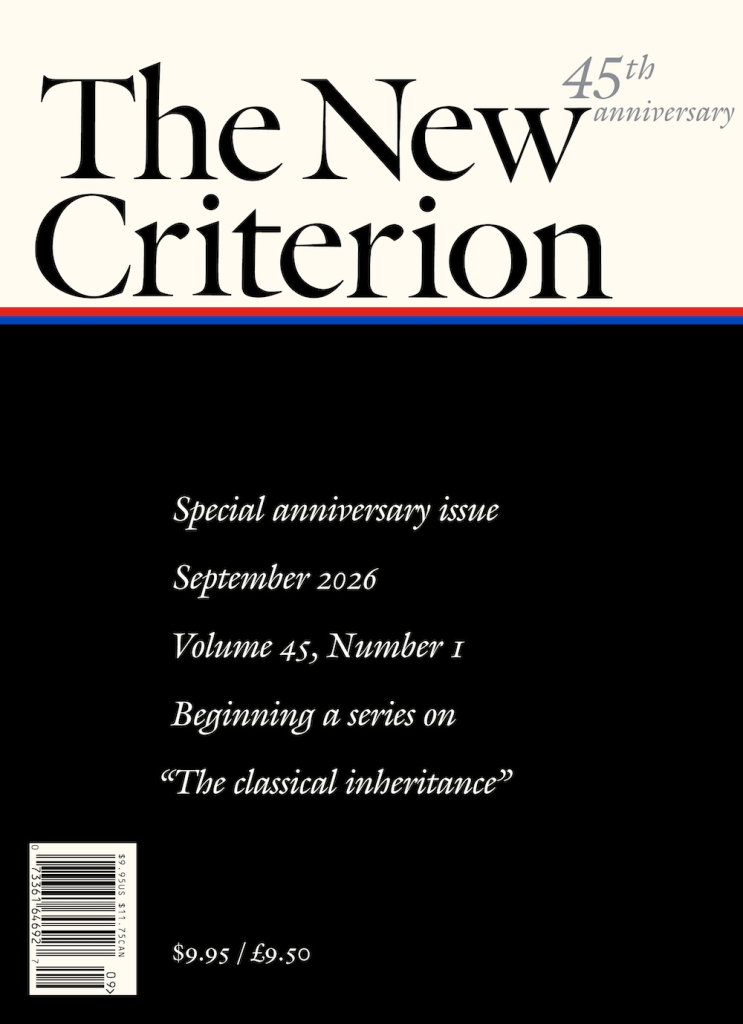
THE NEW CRITERION: The latest issue features a new series on “The Classical Inheritance”…

THE NEW CRITERION: The latest issue features a new series on “The Classical Inheritance”…
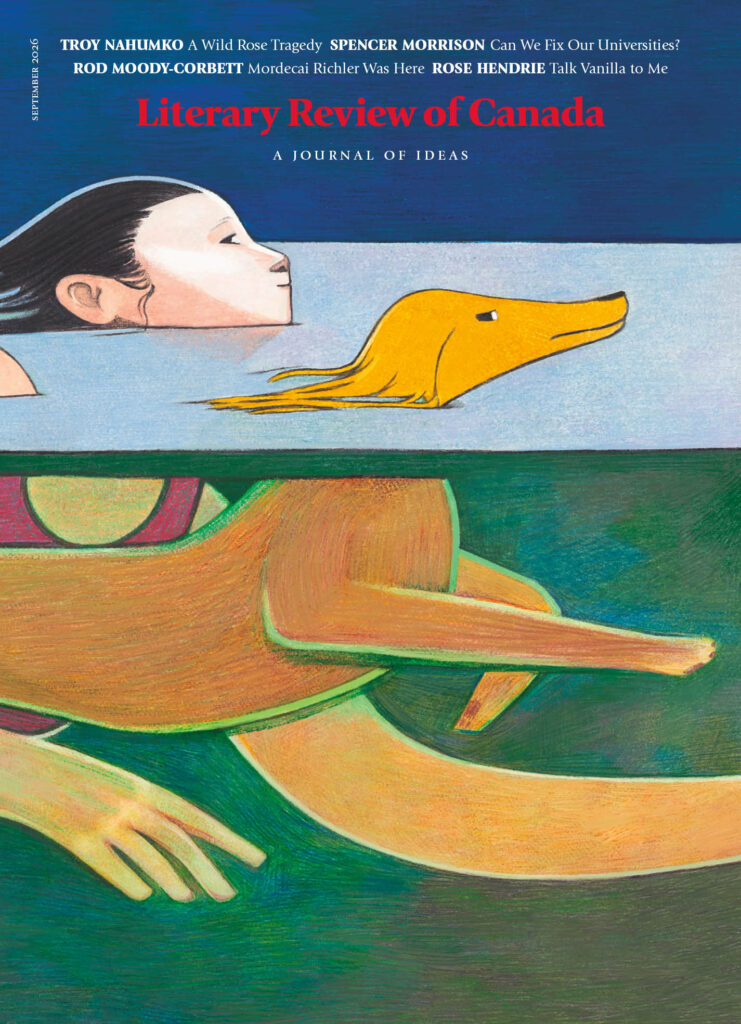
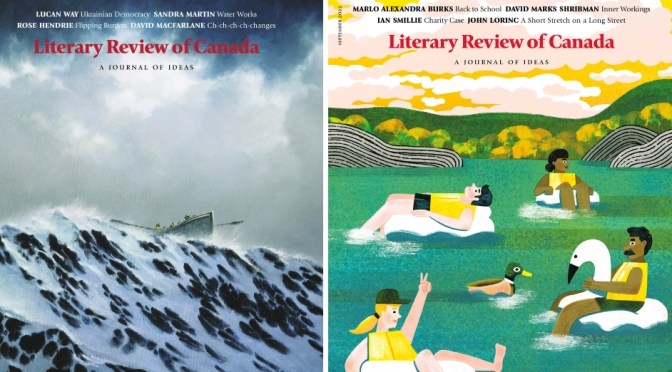
LITERARY REVIEW OF CANADA: The latest issue features…
A bit of welcome news Kyle Wyatt
From Sophocles to Danielle Smith Troy Nahumko
Where does higher education go next? Spencer Morrison
Sandford Fleming’s cables and clocks Michael Ledger-Lomas
The next move in championship chess Mark Plotkin
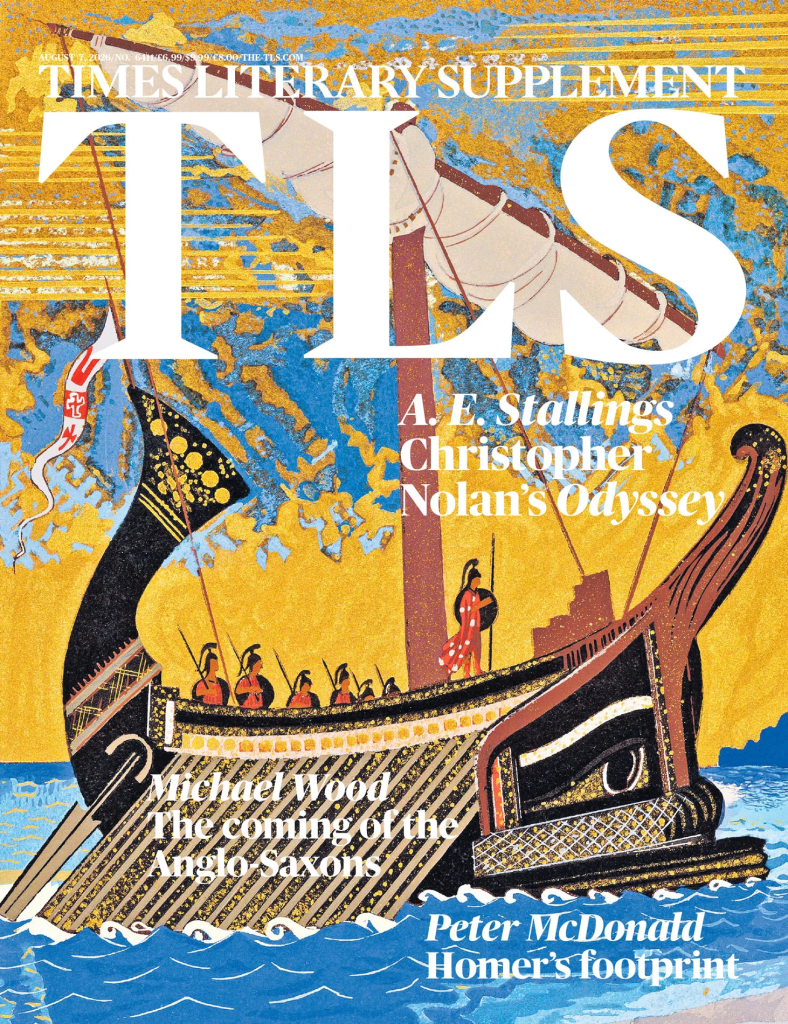
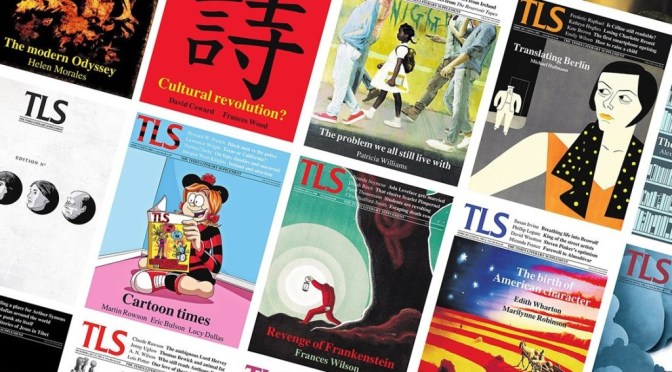
TIMES LITERARY SUPPLEMENT: The latest issue features…
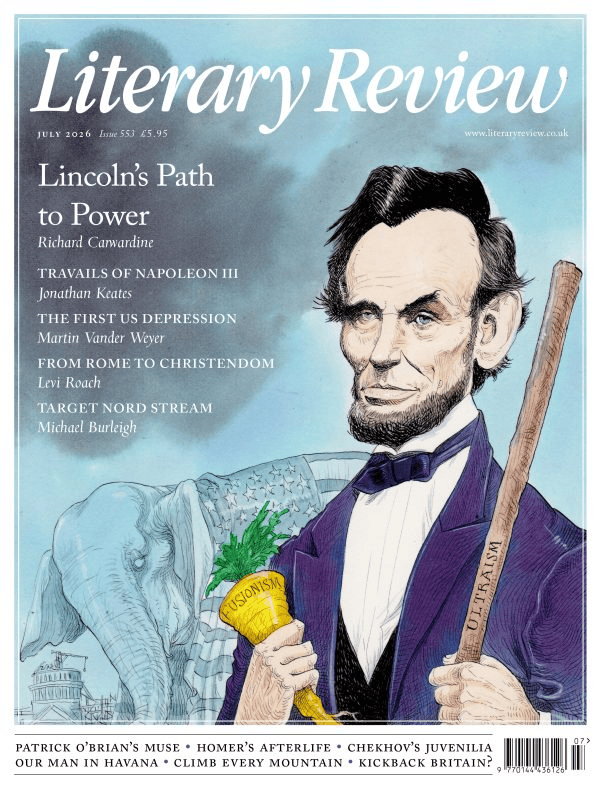
What happened when the Romans left By Michael Wood
The case for and against realism in US foreign policy By Sam Freedman
The song remains: Christopher Nolan’s version of Homer By A. E. Stallings
A flâneur’s journey through Paris and the self By Michael Caines
The enduring influence of the classical epics By Peter McDonald
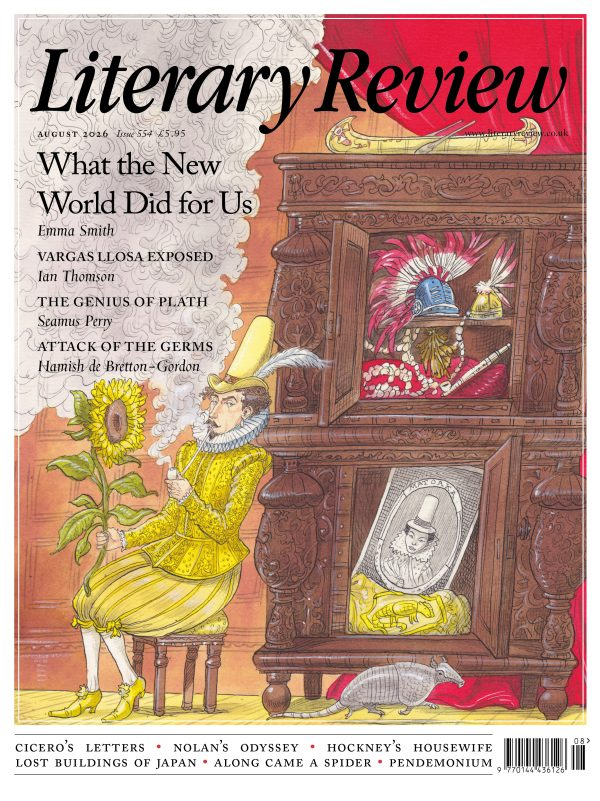
The Odyssey By Christopher Nolan (dir)
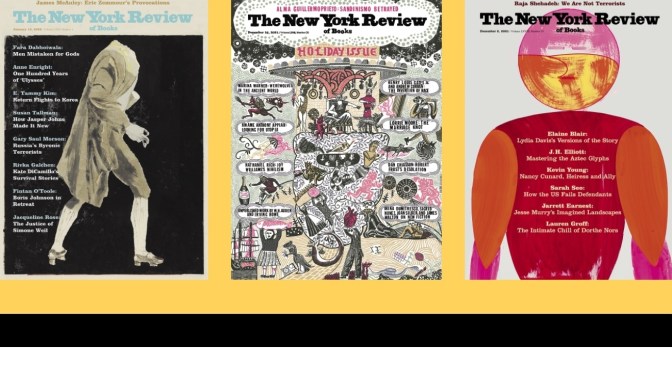
THE NEW YORK REVIEW OF BOOKS: The latest issue features…
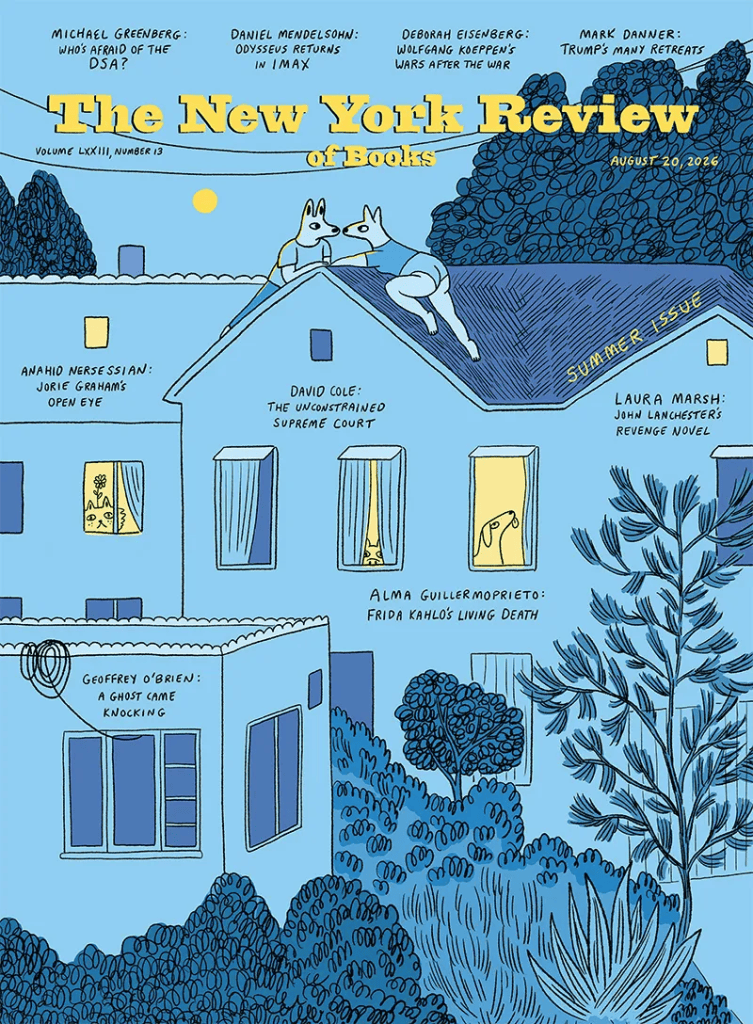
The most authentic thing about Christopher Nolan’s Odyssey is its densely braided narrative, but its tormented hero sounds like the heroes of Christopher Nolan movies.
As Democratic Socialists rack up primary victories, the moderate wing of the Democratic Party looks increasingly out of touch.
Maggie Haberman and Jonathan Swan’s inside account of the Trump administration portrays a president with a vast appetite for power but who repeatedly backs down when the costs of his actions become too high.
Regime Change: Inside the Imperial Presidency of Donald Trump by Maggie Haberman and Jonathan Swan
In novels written immediately after World War II, Wolfgang Koeppen mined the conscience of Germany.
Pigeons on the Grass by Wolfgang Koeppen, translated from the German by Michael Hofmann
The Hothouse by Wolfgang Koeppen, translated from the German and with an afterword by Michael Hofmann, with an introduction by Pankaj Mishra
Death in Rome by Wolfgang Koeppen, translated from the German and with an afterword by Michael Hofmann, with an introduction by Joshua Cohen
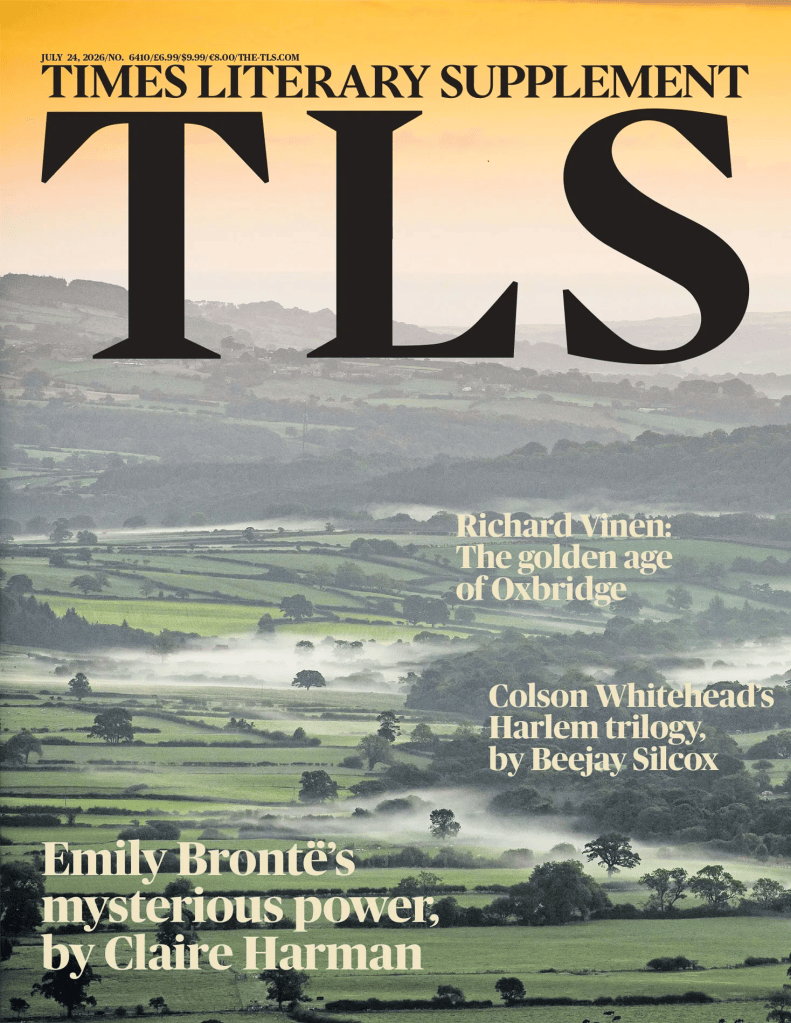
TIMES LITERARY SUPPLEMENT: The latest issue features ‘Emily Brontë’s mysterious power’….
Oxbridge in the postwar world By Richard Vinen
The awesome, mysterious work of Emily Brontë By Claire Harman
Silence in literature By Daniel Karlin
Should human life have a purpose? By Crispin Sartwell
THE NEW YORK REVIEW OF BOOKS: The latest issue features…
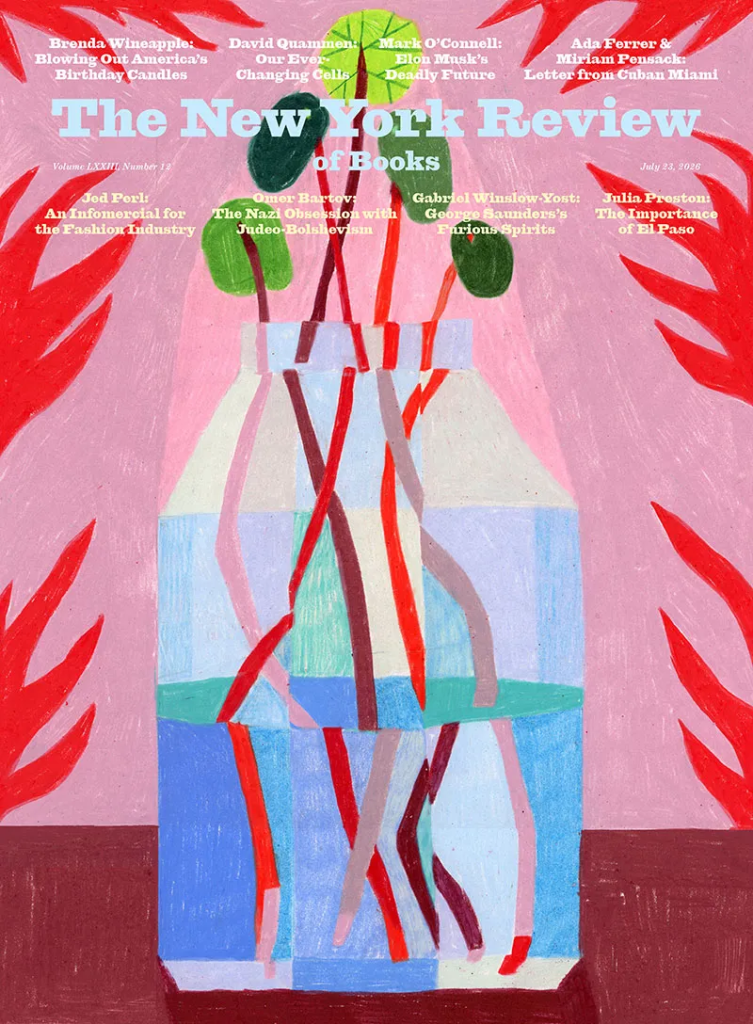
America’s centennial in 1876 was celebrated with a grand exhibition that projected an image of national unity and inventiveness in the anxious aftermath of civil war and recession.
Centennial: The Great Fair of 1876 and the Invention of America’s Future by Fergus M. Bordewich
Peter Magyar’s landslide electoral victory in April made clear that after sixteen years, Hungarians were tired of Viktor Orbán.
Quinn Slobodian and Ben Tarnoff’s Muskism examines how Elon Musk became the world’s first trillionaire, by selling a vision of the future that very few people would want to inhabit.
Muskism: A Guide for the Perplexed by Quinn Slobodian and Ben Tarnoff
Though a mystery to Darwin in his lifetime, the constant mutation of our genes is what allows for life’s magnificent diversity.
Beyond Inheritance: Our Ever-Mutating Cells and a New Understanding of Health by Roxanne Khamsi
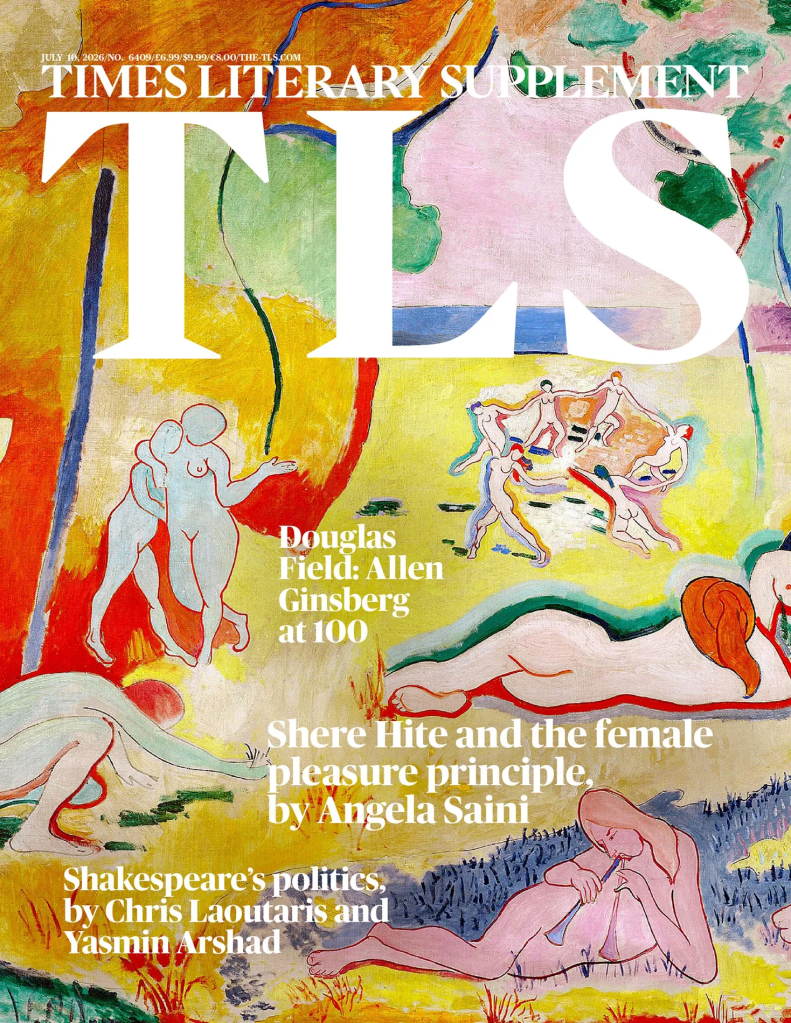
TIMES LITERARY SUPPLEMENT: The latest issue features Allen Ginsberg at 100; Shere Hite and the female pleasure principle; Shakespeare’s politics…
The Iranian regime’s long confrontation with America By Azadeh Moaveni
Poet, counterculture critic and self-promoter By Douglas Field
Do objects exist independently of human experience? By Emily Herring
How Shere Hite put women’s pleasure first By Angela Saini
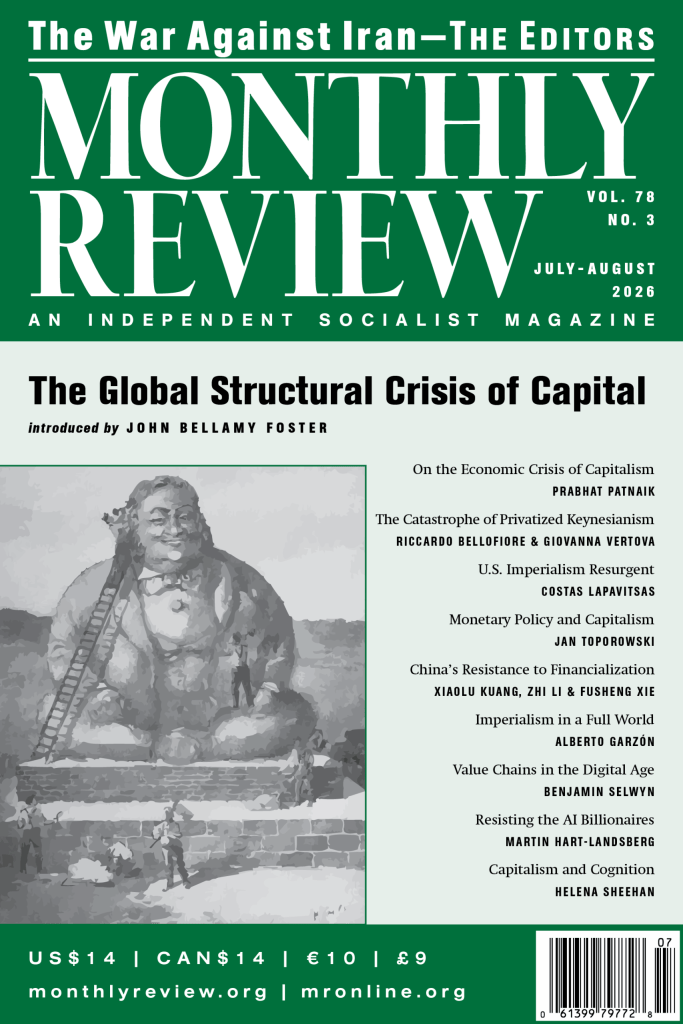
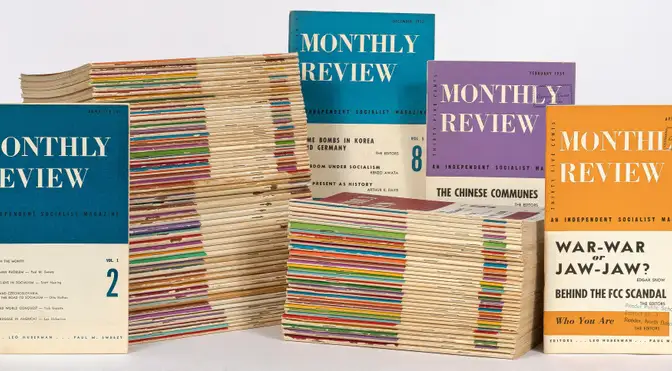
MONTHLY REVIEW MAGAZINE: The latest issue features ‘The Global Structural Crisis of Capital’…
The notion of a “global structural crisis of capital” defining our times was first introduced by István Mészáros in the third edition of his Marx’s Theory of Alienation in 1971, and in his Isaac Deutscher Memorial Lecture, “The Necessity of Social Control” that same year.2 In 1995 in Beyond Capital, Mészáros distinguished the emerging, epochal structural crisis of capital from the cyclical and conjunctural crises that are “capital’s natural mode of existence.”
Capitalism and Cognition: The Fate of Science in a System in Decline
Tech Billionaires, the AI Threat, and Resistance
Value Chains in the Digital Age: Labor Exploitation and Systemic Ecocide
Imperialism in a Full World: Neomercantilism and the Return of the Zero-Sum Game
Why Can China Resist Financialization?
 Intellicurious