

In 1959 Elizabeth Hardwick complained that American book reviews were drowning in praise. Sixty-seven years later the complaint still stands, and a new Intellicurean essay asks a harder question: who is left to be wrong?
Why we’re pointing you there
Hardwick’s “The Decline of Book Reviewing” is the most famous complaint about soft criticism, and Who Is Left to Be Wrong begins by taking her at her word, numbers and all. From there it moves through Rosalind Krauss’s six-word claim about video, a BuzzFeed pledge borrowed from Thumper, and Edmund Wilson’s six-month public quarrel with Vladimir Nabokov. Then it opens the published guidelines of twelve leading review outlets to see what any of them actually says about judgment.
What we liked most is that the essay holds itself to its own standard. Its claim narrowed when the evidence came back against it, and it abandoned a count it couldn’t make honestly, saying so plainly at the end. Along the way it arrives at a sentence about favours that haven’t happened yet, and we haven’t stopped thinking about it.

Read the full essay at Intellicurean →
Essays & Reviews for the Intellectually Curious
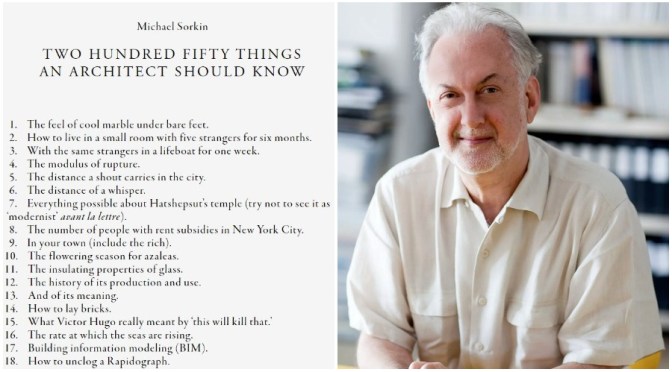
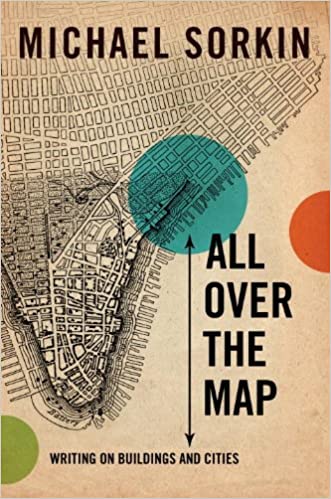 Ultimately he was a humane critic of the contemporary city, a serious, funny and poetic voice defending the powerless against big capital and an articulator of how architecture should be used as a tool of resistance. He is indelibly associated with New York, a city he loved with a fervour despite its faults, and of which he defended every inch as a public good. Number 210 in his list was the medieval German phrase ‘Stadtluft macht frei’ – ‘city air makes you free’. He will survive through his magical writing, which makes us all a little freer.
 Times Critics Talk About Their Year-End Lists

 James Wood: These Etonians

