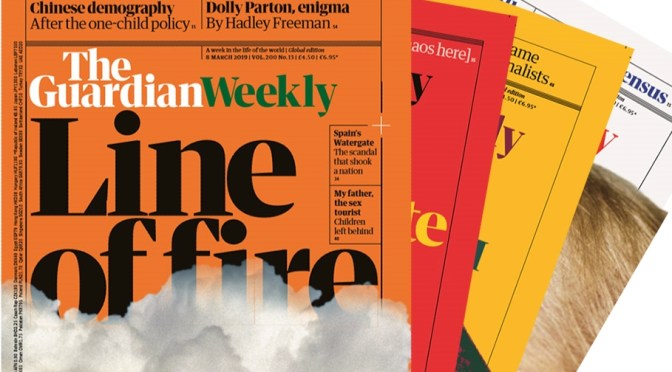
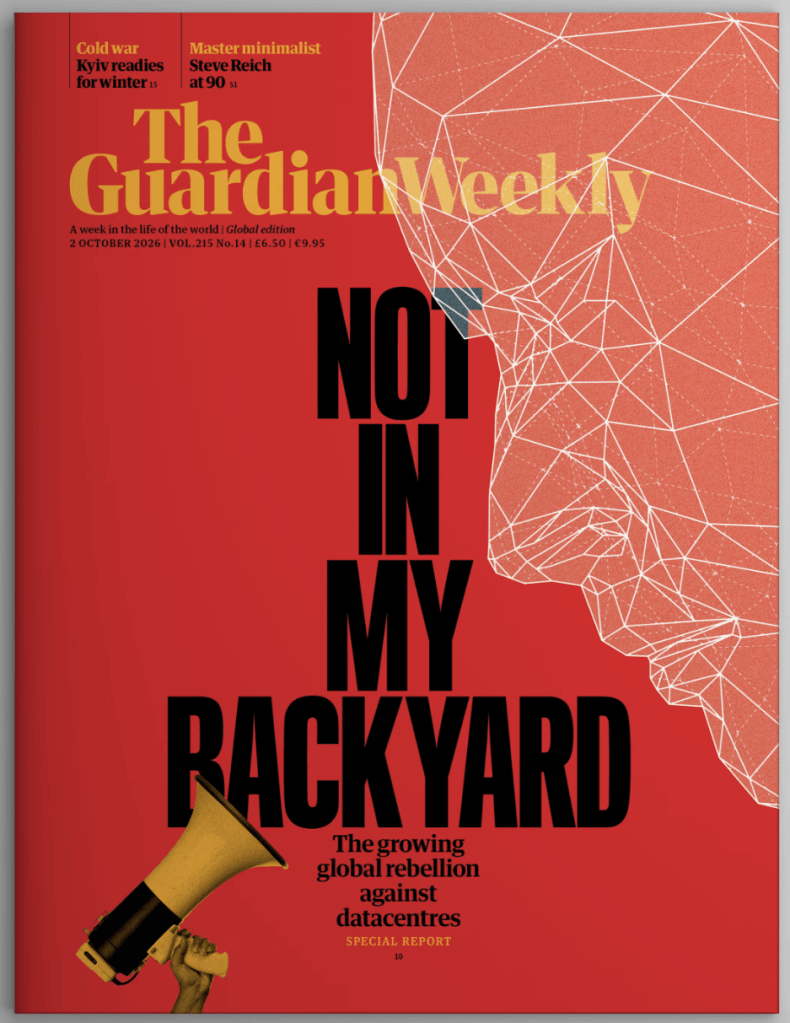
As the alarm bells sound ever louder about the potentially existential threat of breakneck AI development, people far removed from Silicon Valley debates about the future of the artificial intelligence revolution are voicing other more immediately tangible worries about the building of the vast datacentres that power these entities.
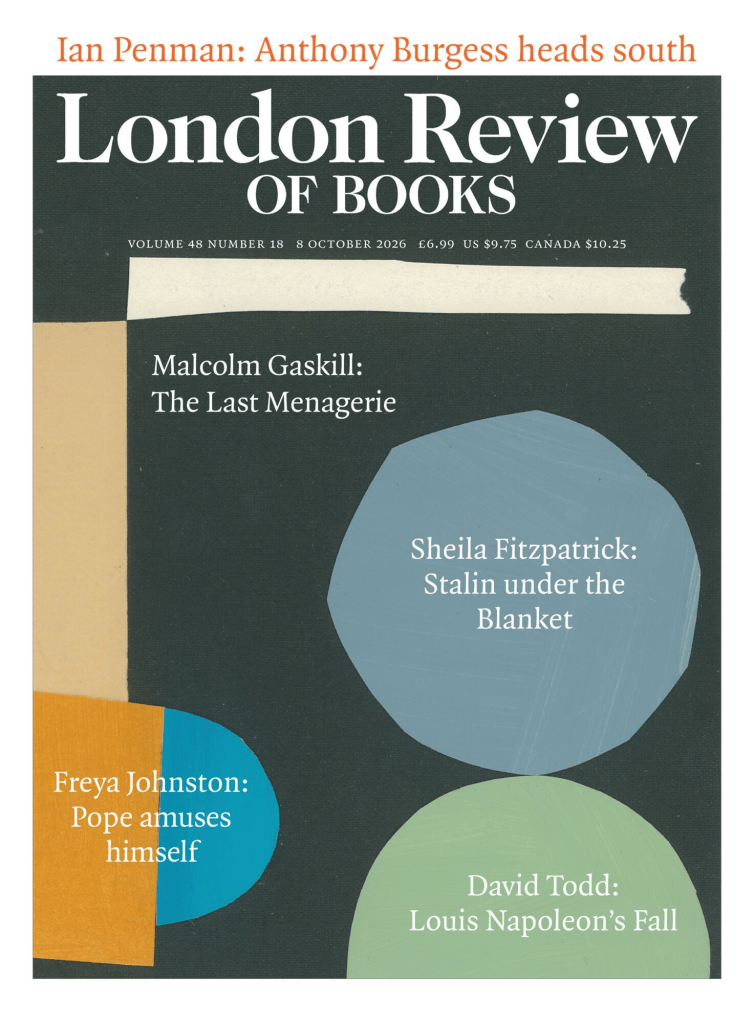
For this week’s cover story, economics and political writer Eduardo Porter, analyses why communities are pushing back against AI and the future that the big tech plutocrats want to create. These fears, based around environmental concerns over resource use and rapid societal change, are, he argues, far more complex than luddite attitudes or nimbyism.
It’s a position exemplified by reporting from two rural communities in India and the UK where vast datacentres are already under construction or being planned. As Hannah Ellis-Petersen and Aakash Hassan find out, the villagers of Tarluvada, in Andhra Pradesh, feel that government promises of a “golden age” that a hyperscale Google datacentre would bring them have been broken. Meanwhile, Sandra Laville meets protesters in Great Torrington, Devon, who sense that they are being kept in the dark about plans for an AI campus, one of Europe’s largest, in a Unesco-designated nature reserve.
Spotlight| Kyiv’s cold front is approaching Charlotte Higgins reports on how residents are preparing for winter, stocking up on food and determination, as Russia increases its attacks on energy infrastructure
Environment| What Nepal has taught Argentina What can the Patagonian town of El Chaltén at the foot of the Torre glacier do to avoid an event similar to the disaster in Nepal? María de los Ángeles Orfila finds out
Feature| Andy Burnham: a man with a plan As the first Labour conference with Andy Burnham as prime minister takes place, Hettie O’Brien finds out just how radical his policies could be
Opinion| Macron’s brave swansong In his final speech to the UN, Emmanuel Macron told the world how to stand up to Trump, says Steve Bloomfield
Culture| A minimalist at 90 As he prepares to celebrate a milestone birthday, Steve Reich tells Flora Willson how he developed his musical ideas and why he wants others to take up the baton of performing his works
Sheila Fitzpatrick on Stalinism: Fitzpatrick examines Irina Paperno’s Always under Siege: Olga Freidenberg’s Diary-Theory and the Everyday Terror of Stalinism, analyzing how classicist Olga Freidenberg’s secret writings framed the Siege of Leningrad and Soviet surveillance as a totalizing domestic regime.
Tom Stevenson on NATO and Russia: Stevenson reviews Carlo Masala’s If Russia Wins: A Scenario and Thomas Newman and John Pierson’s Atlantic Resolve: The War for Estonia, analyzing contemporary Western military simulations and anxieties regarding Baltic security.
Literary Studies & Biography
Edmund Gordon on William Golding: Reviewing William Golding: The Faber Letters edited by Tim Kendall, Gordon details the editorial tensions between Golding and Charles Monteith, focusing on substantial cuts to the original draft of Lord of the Flies.
Freya Johnston on Alexander Pope: Johnston explores Henry Power’s edition of Alexander Pope: The Major Works, charting the Augustan poet’s biting satire, anxieties, and self-fashioning.
Ian Penman on Anthony Burgess: Penman re-evaluates Burgess’s 1966 espionage satire Tremor of Intent, dissecting its baroque style and its uneasy relationship with James Bond.
Art & Culture
Columns and Short Cuts: Additional pieces include Peter Geoghegan on democratic funding reform and Blake Morrison on Luke Kennard’s poetry collection Black Bag.
Em Hogan on Hujar and Thek: Hogan reviews Andrew Durbin’s dual biography The Wonderful World that Almost Was: A Life of Peter Hujar and Paul Thek, profiling the turbulent lives of the photographer and artist against 1960s–1980s New York and the onset of the AIDS crisis.
Dexter Dalwood on Jasper Johns: Dalwood contributes a review of Johns’s exhibition at the Guggenheim Bilbao, evaluating his enduring postwar artistic motifs and printmaking legacy.
Eyre, Mendonca and Tonar start from speed. Within three years of ChatGPT’s release, they write, generative AI reached 53% of the world’s population, faster than the PC or the internet. Meanwhile the capacities it stands in for are slipping. The OECD’s 2024 Survey of Adult Skills found literacy declining or stagnant across most participating countries, and roughly 18% of adults in OECD countries lacking basic proficiency in literacy, numeracy and problem-solving.
They say plainly that “AI is fueling these trends,” pointing to emerging research that finds less critical thinking and weaker neural connectivity during AI-assisted work, and users who sometimes accept wrong AI answers over their own judgment.
Their conclusion holds whether AI succeeds or fails. Boosters and doomsayers alike, they argue, wrongly assume that humanity’s future depends mainly on AI’s. It depends on ours. “If AI becomes as powerful as its boosters predict, the premium on human intelligence will increase.”
vs
THE ANSWER
Tyler Cowen answers in The Free Press. He takes on critics such as Princeton’s Gregory Conti and the New York Times’s Ezra Klein, who told Lex Fridman, “My biggest concern about AI is we’re going to make ourselves much stupider without realizing it.” Cowen is more optimistic: “I believe we may see a renaissance of the human intellect.”
His reasoning is practical. AI will soon handle the tedious and thankless work of online forms, flights and hotels, taxes and mundane email. “That will give us the option—and I do stress the word option—of devoting more of our time and energies to creative pursuits.” Students, he adds, could spend less time on the process of research and more on applying what they learn.
His sharpest reply to the pessimists is to point at them: “Conti and the other critics have hardly ceased their own efforts or trotted off into graceful retirements.” The tool doesn’t force stupidity. It offers a choice.
iC
THE INTELLITAKE
Cowen found the right word and drew the wrong conclusion. “Option” is exactly the problem. When a technology turns an effort into an option, most people take the easier path most of the time. The elevator didn’t make anyone weaker. It made the stairs optional, and most of us stopped climbing.
His best evidence proves the point. Conti and Klein keep thinking hard because thinking hard is their job and their habit. They are the disciplined minority, not the default. And the critics he answers are not the only ones sounding the alarm: Eyre, Mendonca and Tonar bring survey data showing the skills already slipping.
Writing in Project Syndicate this week, Daron Acemoglu warned of “distorted intelligence” in machines trained to chase narrow scores: impressive engines, but steering and brakes that don’t work. A mind that practices only convenience risks the same flaw.
So both sides are right, about different people. For the deliberate, AI will be the renaissance Cowen promises. For everyone else, it will quietly weaken the mind. The dividing line won’t be access to the tools, which everyone will have. It will be the habit of thinking when nothing requires it. Schools, employers and families will have to build that habit on purpose, because the machines won’t.
TODAY’S PROVOCATION
Name one kind of thinking you will never let a machine do for you, and ask yourself why.
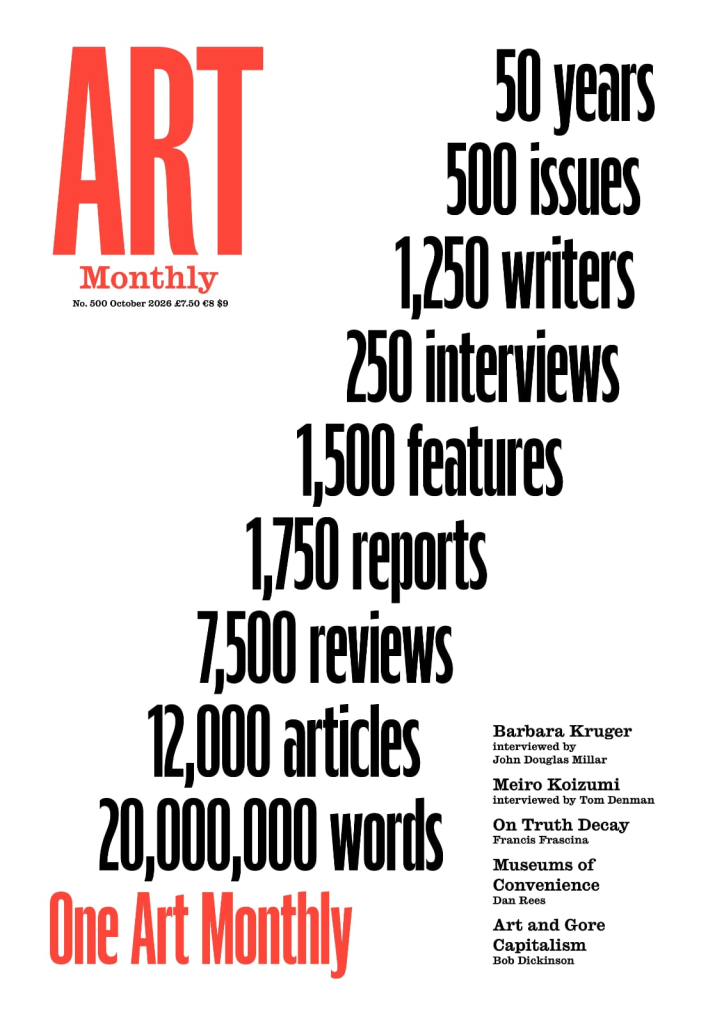
For Dan Rees, the maritime ‘flag of convenience’ system provides an apt metaphor for the expansion abroad of ‘flagship’ museum franchises
When experience becomes the primary value of the art encounter, the subject is increasingly encouraged to perceive themselves as an accumulator of experiences.
Dangerous Times
Barbara Kruger interviewed by John Douglas Millar
My work was hot, not cool. The address was forthright rather than withholding. I was never cool enough to be cool. That’s still the case.
On Truth Decay
Francis Frascina looks at the ways artists can combat the decay of truth in reportage and representation
Processes of monetised personal interiorisation symbolise the shift from what Frankfurt School theorists warned about the addictive ‘drug’ of corporate television in the 1950s and 1960s to contemporary algorithmic induced ‘doom scrolling’ – all fertile ground for truth decay.
When the Englishman’s house was no longer his castle
Deborah Nicholls-Lee explores how the requisition of country houses played a crucial role in winning the Second World War
Look, listen, learn
Nature writer Mark Cocker delves into his new book to explain how we can open our eyes to the world around us
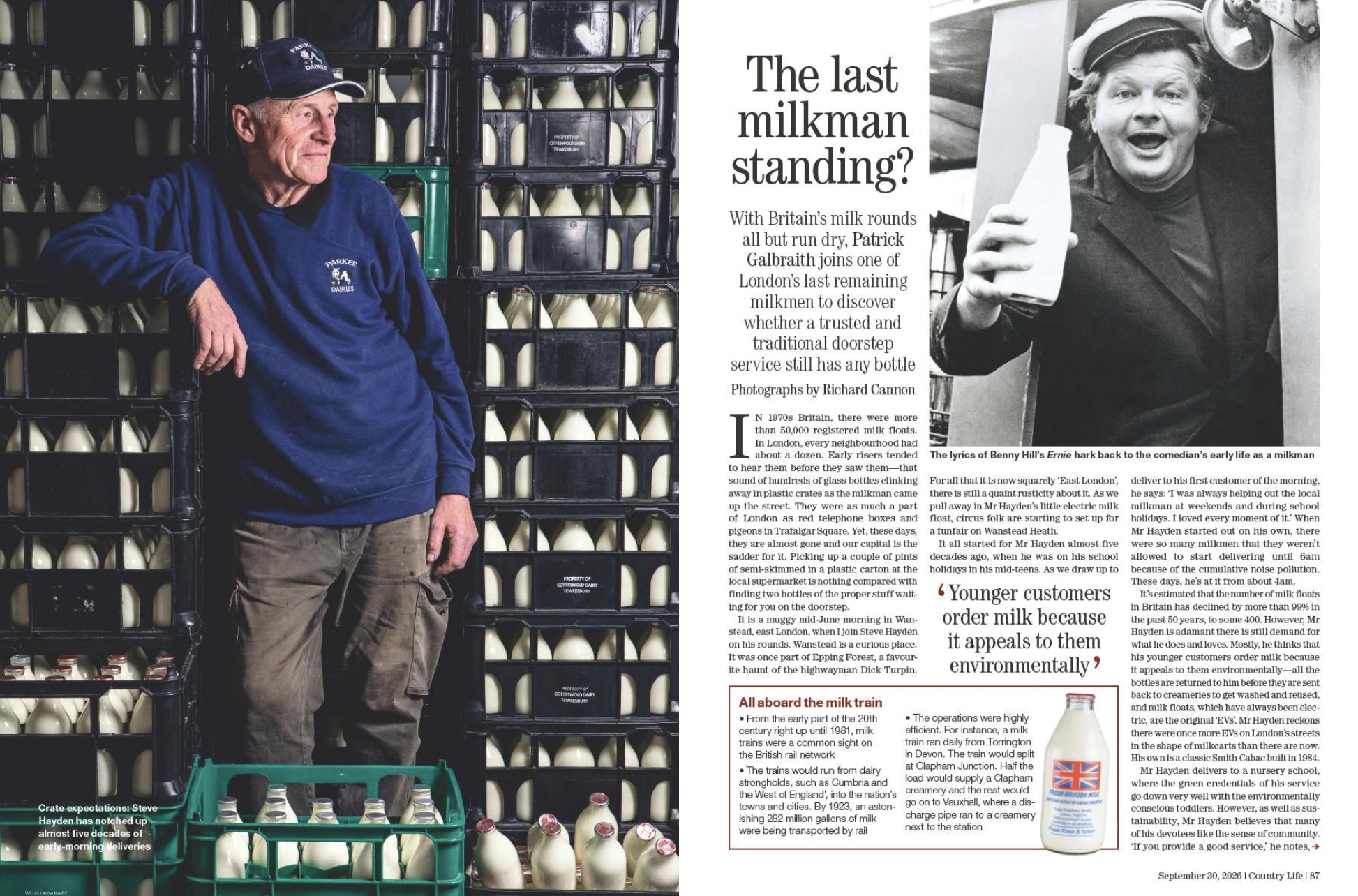
The last milkman standing?
Are doorstep dairy deliveries a thing of the past, asks Patrick Galbraith, as he joins one of the capital’s few remaining rounds
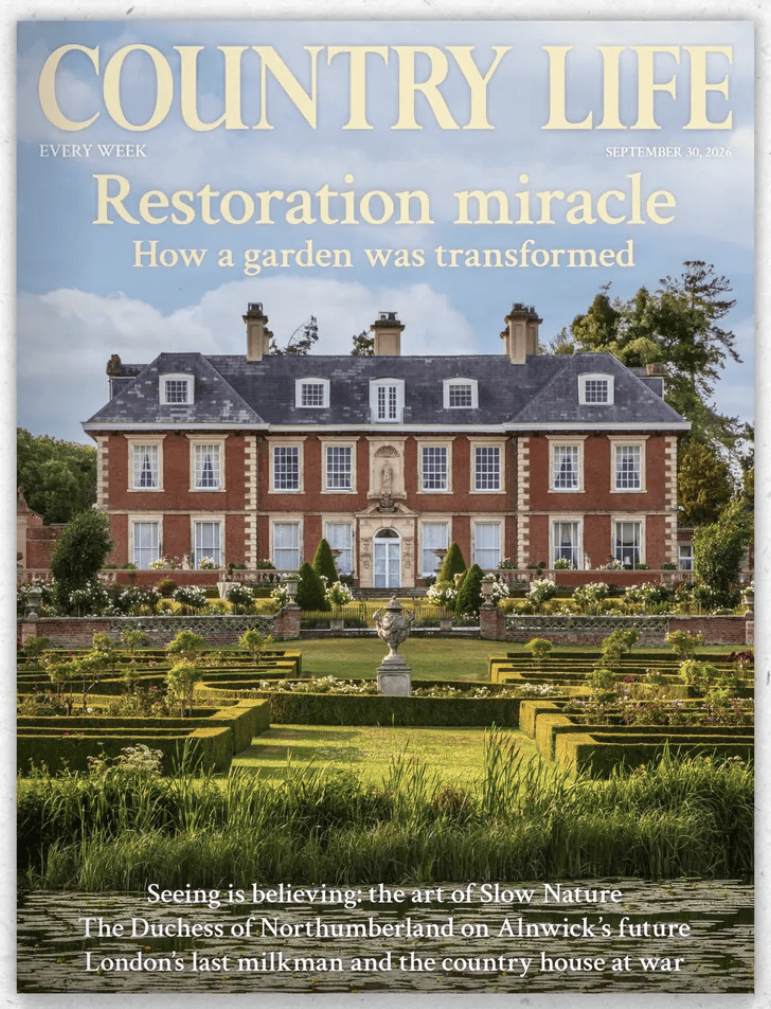
The restoration of ‘England’s green and pleasant land’
Timothy Mowl admires the revival of one of the finest and earliest Pulhamite gardens at Highnam Court in Gloucestershire
The Versailles of the north
The Duchess of Northumberland tells Charles Quest-Ritson of her plans for the Alnwick Garden as it celebrates its 25th anniversary
Tony Iommi’s favourite painting
The Black Sabbath founder chooses a work depicting beauty, strength and grace
Country-house treasure
John Goodall raises a glass to the late-Victorian ‘Braxted Bar’ that dominates the entrance hall at Braxted Park in Essex
The genius of place
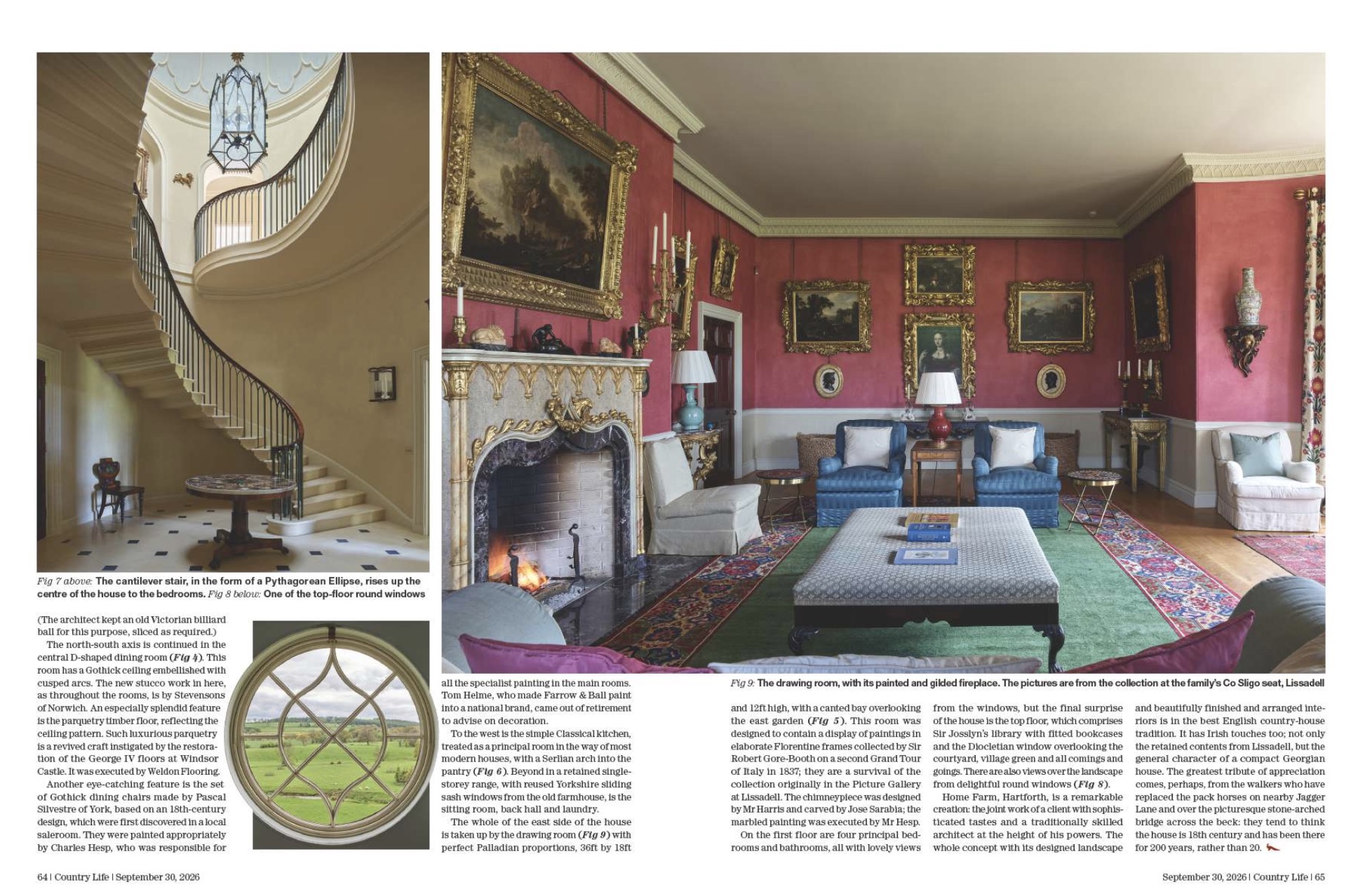
Classical and Gothic detailing are employed to dramatic effect at Home Farm in North Yorkshire, finds John Martin Robinson
On the brink of extinction
In a last call for the telephone exchange, Ptolemy Dean ponders the future of the obsolete edifices
The legacy
Octavia Pollock hails the vision of John Bateman, whose dams and reservoirs still serve us today
There goes summer
John Lewis-Stempel prepares to get hands-on with his flock as thoughts turn to tupping time with the transition to autumn
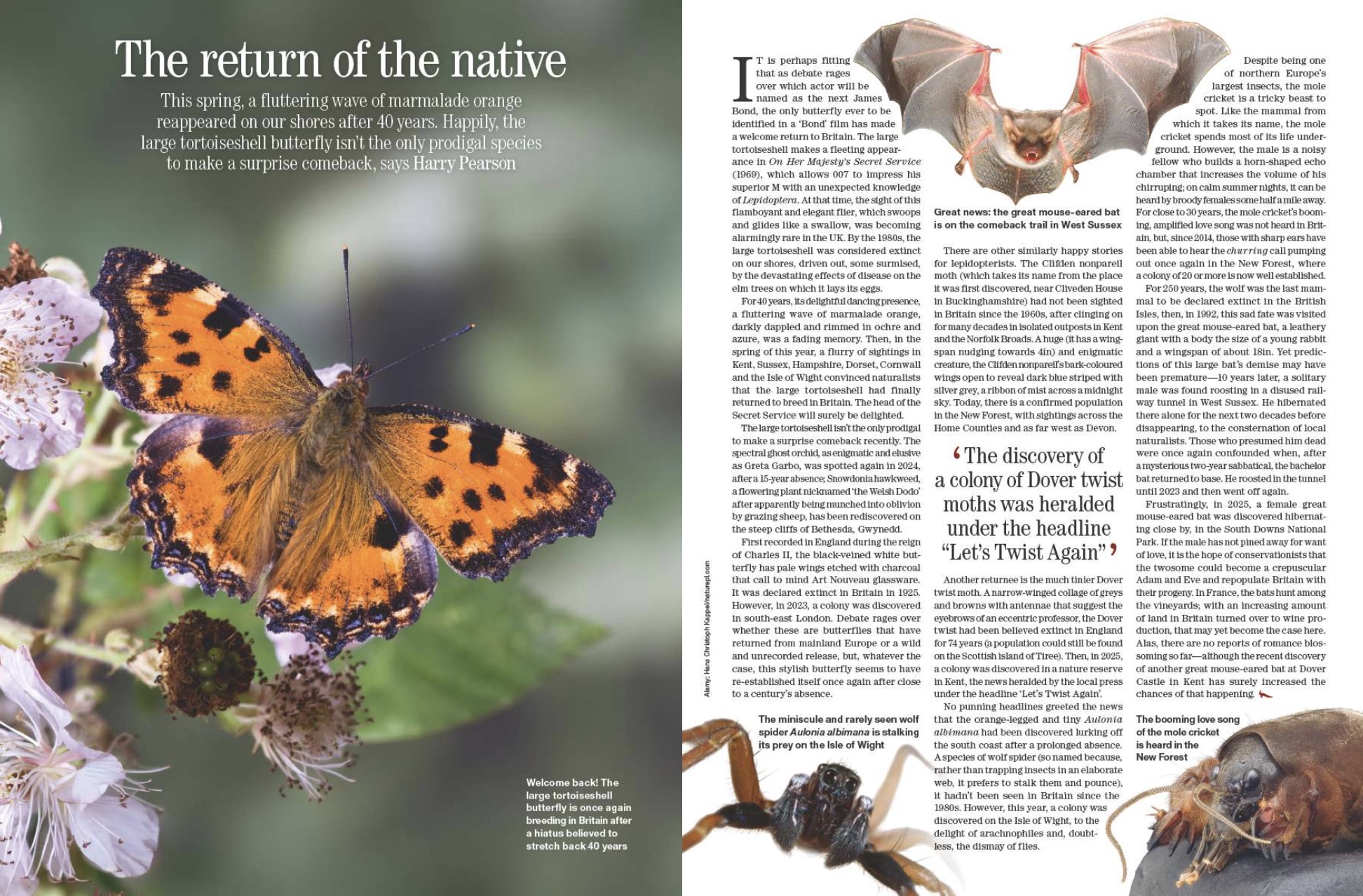
The return of the native
The large tortoiseshell butterfly is back. Harry Pearson hails British species risen from the dead
Luxury
Amie Elizabeth White showcases floral jewels and country classics, plus Rita Konig’s favourite things
Interiors
Amelia Thorpe picks companies that add a touch of craftsmanship to country-house renovations
Arts & antiques
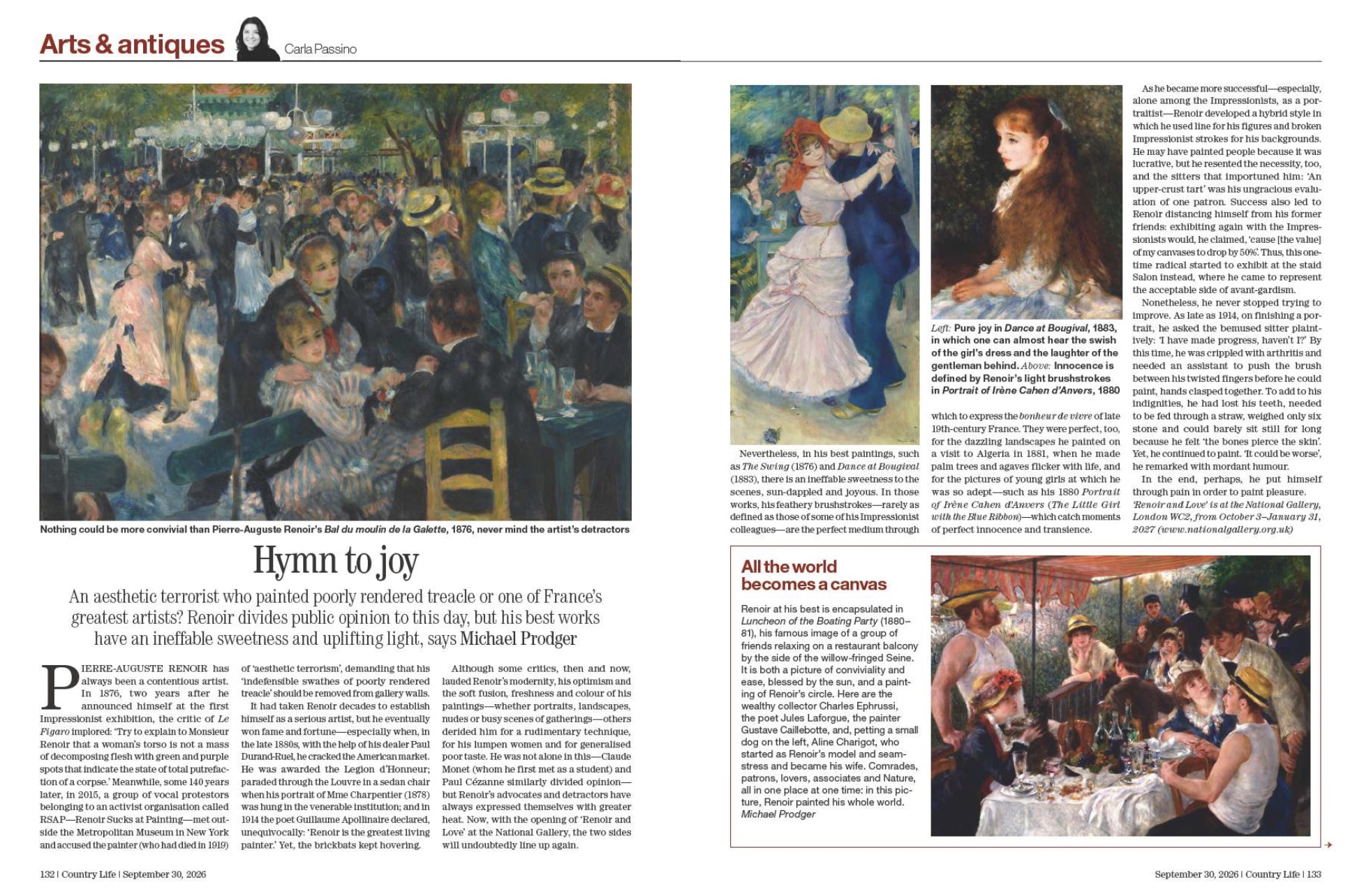
Ahead of a new Pierre-Auguste Renoir exhibition at the National Gallery, Michael Prodger looks at how the French Impressionist is still dividing critical opinion
Countryside mystery
Straying livestock could prove costly in the days of the village pound, as John Wright reveals
Travel
Rosie Paterson visits the Algarve in Portugal and finds a natural haven that is truly worth its salt
Ripe for the picking
From apples to pears and pomegranates, painters down the ages have used all manner of fruit as artistic symbols, as Michael Prodger discovers
Thirty robots made up the first class at a robot school in Hangzhou, east China’s Zhejiang Province. After more than two months of training, four have graduated and landed formal jobs.
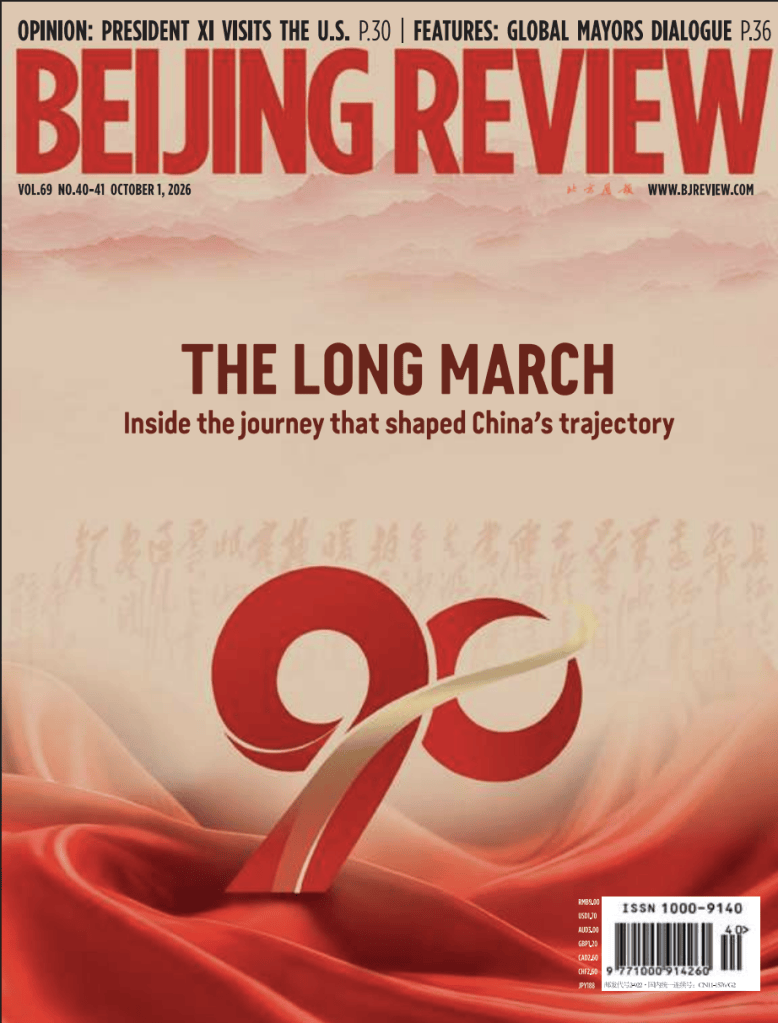
When the idea of the new Long March experience was first presented to me, I was enthusiastic. From early June through late July, we would spend six weeks following part of the route of the original Long March (1934-36) in honor of the journey’s conclusion 90 years ago this October.
The Long March was one of the seminal historical events of the 20th century. It had a transformative impact on the history of modern China.
At the World Intelligence Expo 2026 in Tianjin, I emphasized in my speech the principle that should guide every conversation about artificial intelligence (AI) today, namely without transparent, responsible, and ethical governance frameworks, the transformative potential of AI would be undermined by fragmentation and mistrust. The world now stands at a crossroads. A unified global AI governance framework remains elusive, so the question is no longer whether the EU and China should cooperate, but where and how they can do so most effectively.
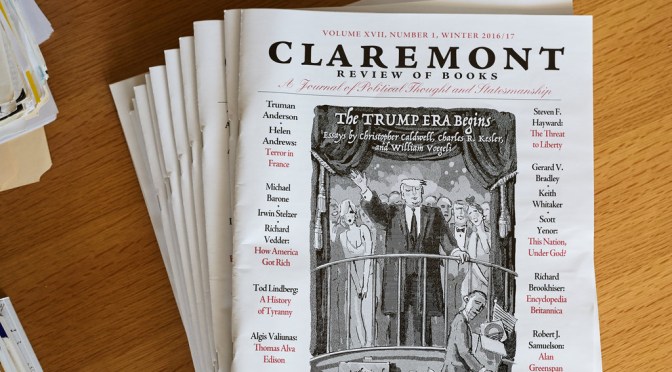
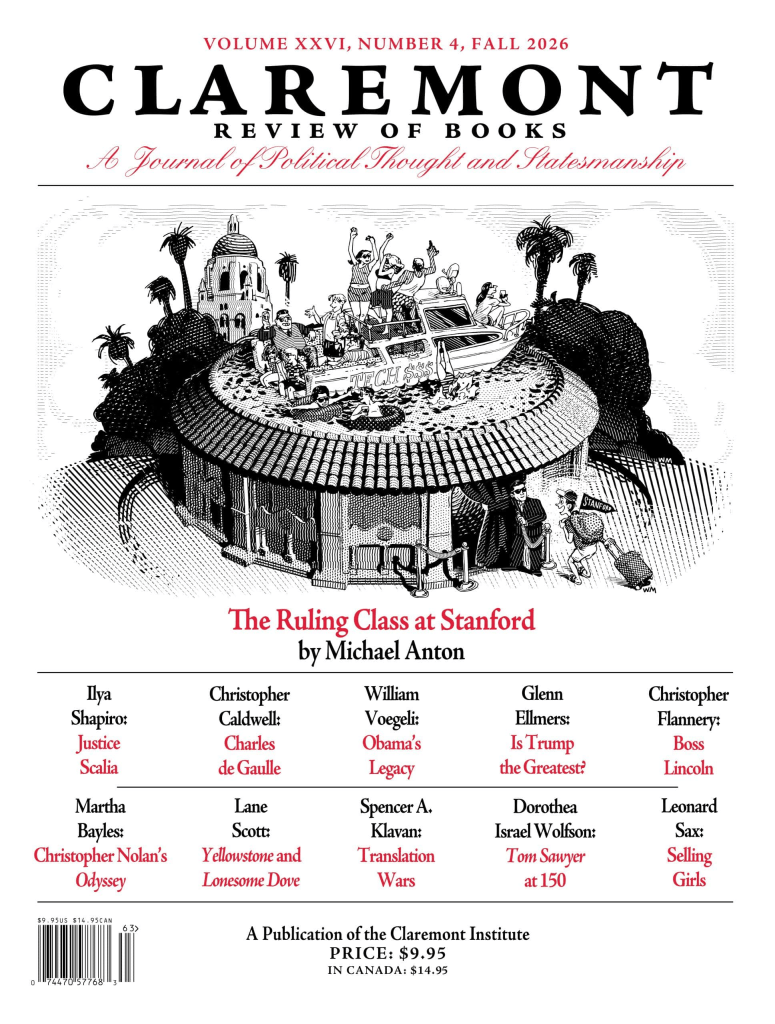
Because I’m going to be quite critical of Theo Baker’s How to Rule the World, it feels only right to start with three pieces of sincere praise: the book held my attention all the way to the end, I learned things from it, and I read it twice. These are not reactions I expect most new books to generate, let alone one written by someone not yet of legal drinking age. Hence on this basis alone, I would have to concede that Rule (borrowing Baker’s shorthand for a “secret” Stanford class, about which more below) is a real achievement.
The first marriage in Tuscan history was not between a man and a woman but between a vine and a tree. Before the Etruscans cleared these hills, they were dense with oakwood, through which wild grape vines climbed naturally toward the canopy, wedded to the forest in which they grew. The Etruscans formalized that marriage. Vines were trained up living maples, elms, and poplars. Grapes were cut from ladders or with long sickles. Later Italians called it the vite maritata—the married vine.
After watching Christopher Nolan’s The Odyssey in a sold-out IMAX theater, my husband and I were heading for the exit when we were attacked by smiling employees brandishing free rolled-up posters. Raising our shields, we broke through their phalanx, leaped aboard our vessel moored in the parking lot, and sailed homeward with only a few posters glancing off the moonroof.
Consumer sentiment is sagging, yet the economy is powering forward, driven by an AI investment boom and people still spending despite the strain of higher prices.