Category Archives: Reviews

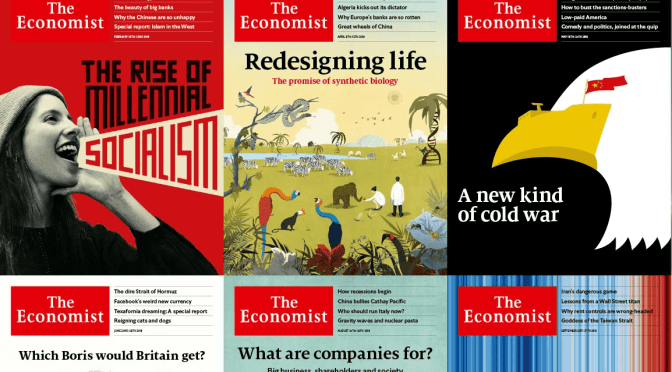
THE ECONOMIST MAGAZINE – OCTOBER 17, 2026

THE ECONOMIST MAGAZINE: The latest issue features ‘NOT SORRY’ – What Carney and Canada can teach the world…

Mark Carney and the lessons for the middle powers

Canada demonstrates how to respond to a dangerous world

What if the machines take over science?

Artificial intelligence will require scholars to reinvent their disciplines

Hardly his finest hour

Donald Trump’s scheme to secure Russian diesel is scandalous

America makes waves in Cuba

But it shouldn’t undermine the growth of the island’s private sector

Millennials’ success deserves a toast (not the avocado sort)

How a “lost generation” found itself

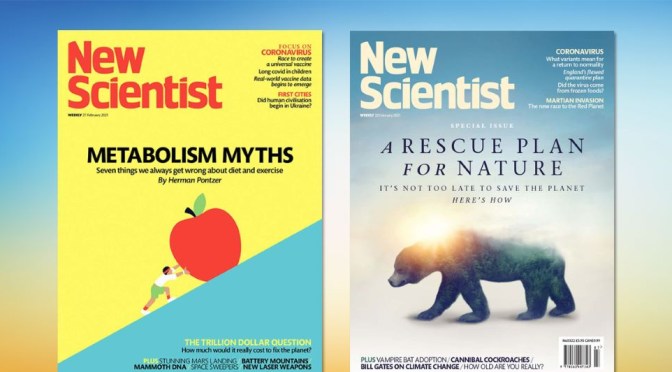
NEW SCIENTIST MAGAZINE – OCTOBER 17, 2026

New Scientist Magazine: This issue features ‘El Niño Emergency’…

This El Niño will bring predictable disasters, so why aren’t we ready?

We know that this monster El Niño will bring floods, droughts, cyclones and wildfires, but some governments aren’t putting in the necessary resources to prepare for disaster

The world may never go back to how it was after this monster El Niño

This El Niño is forecast to end around June next year after smashing all records, but its impacts could persist indefinitely in some parts of the world By Michael Le Page

A revolutionary way of targeting tumours could beat even the worst cancers 

Two large asteroids found spinning as fast as a fairground ride

Tattoos could be turned on and off with light

Neanderthal Europe was as much a wooden age as a stone age

Should we keep children away from sugar for their first 1000 days?

Hannah Fry: How OpenAI has caused an existential crisis in mathematics

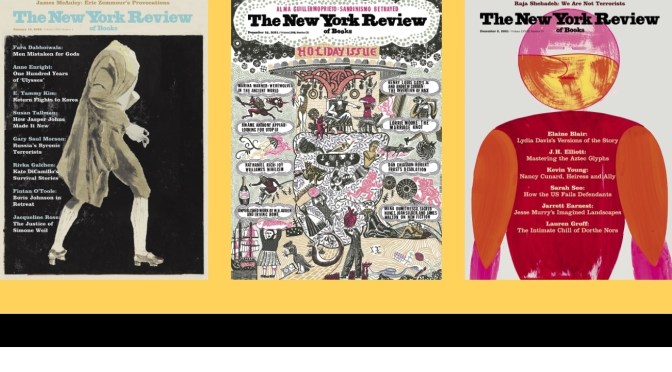
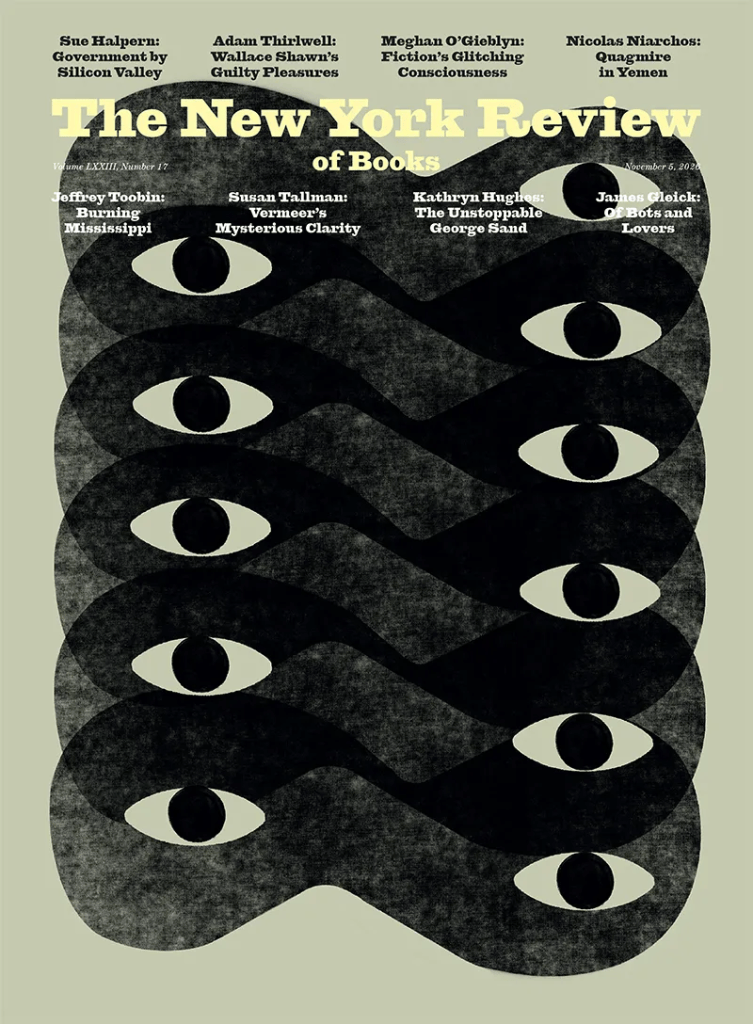
THE NEW YORK REVIEW OF BOOKS – NOVEMBER 5, 2026

THE NEW YORK REVIEW OF BOOKS: The latest issue features Sue Halpern on fascist dorks, Colm Tóibín on La Bola Negra, Kathryn Hughes on George Sand, Jeffrey Toobin on the fall of the Voting Rights Act, Colin Thubron on saving the great cats, Nicolas Niarchos on America’s disastrous Yemen policy, Julian Gewirtz on AI supremacists, Susan Tallman on the elusive Vermeer, James Gleick on the duplicitous chatbots, Adam Thirlwell on Wallace Shawn’s genius, poems by David Plante, Claire DeVoogd, and Shane McCrae, and much more.

The Plot to Delete Democracy

In The Nerd Reich Gil Durán shows how Silicon Valley billionaires have pushed a fringe ideology—what is popularly called techno-fascism but is closer in aspiration to straight-up totalitarianism—into the affairs of state.

The Nerd Reich: Silicon Valley Fascism and the War on Democracy by Gil Durán

Making Light of a Dark Past

La Bola Negra sidesteps the vicious politics of the Spanish Civil War to tell a story about gay sexual freedom.

La Bola Negra a film directed by Javier Calvo and Javier Ambrossi

Rebel Rebel

George Sand’s scandalous life, including a decade-long affair with Chopin, has obscured the influence of her many novels.

Becoming George: The Invention of George Sand by Fiona Sampson

Mapping Mississippi White

Bennie Thompson’s trailblazing career came after the success of the Voting Rights Act and could end with its fall.

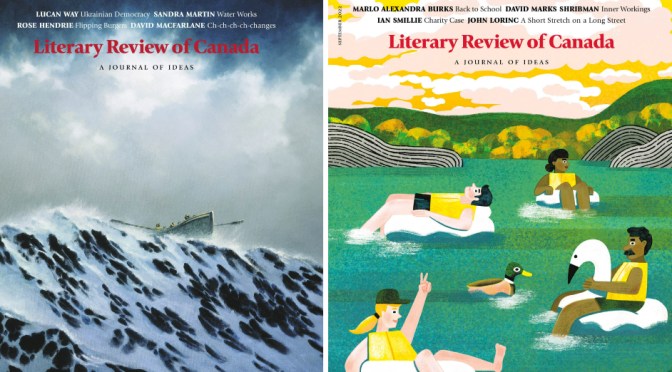
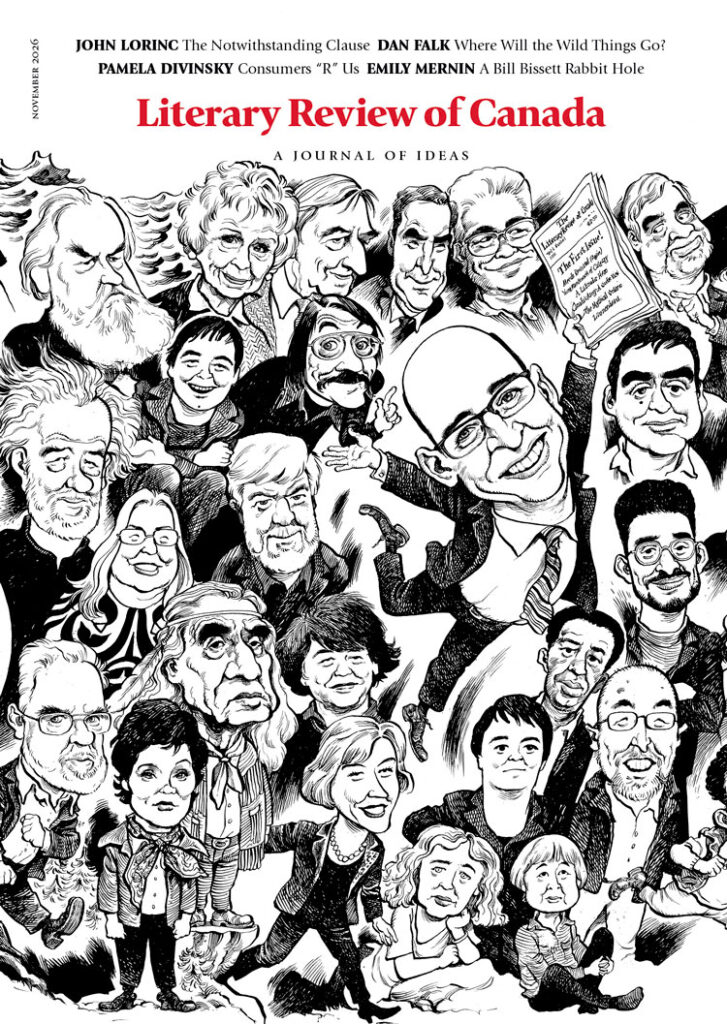
LITERARY REVIEW OF CANADA – NOVEMBER 2026 PREVIEW

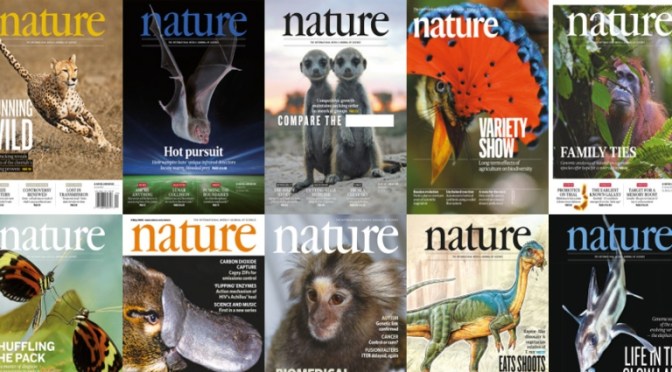
Front cover by David Parkins for November 2026.

LITERARY REVIEW OF CANADA: The latest features Canada’s political identity, constitutional tensions, and colorful parliamentary history while reflecting on the magazine’s own milestone anniversary.

A Coral Anniversary

A panoramic reflection

By Kyle Wyatt

My heart sank when I first saw the magazine’s thirtieth-anniversary issue on paper. My managing editor back then, Michael Strizic, and I had spent the morning pacing in our small, dark office — anxious to receive several heavy boxes from Ottawa. Eventually I couldn’t stand the anticipation, so I walked ten minutes or so to Harbord Bakery to distract myself. The magazines had arrived by the time I returned.

More Unbearable Lightness

Somewhere between patriotism and nationalism

By Patrice Dutil

Thirty-five years ago, in the inaugural issue of this magazine, I reviewed the newly published diary of André Laurendeau, written from 1964 to 1967 during the Royal Commission on Bilingualism and Biculturalism. The timing was apt: politicians, scholars, and journalists were speculating heavily on how to fix the “Canadian crisis” following the collapse of the Meech Lake Accord the year before.

Clause and Effect

How section 33 barrels along

By John Lorinc

“By Authority of Parliament: The Constitutional Boundaries of Legislative Power in Canada” by Ryan Alford

In 2017, during the early days of Donald Trump’s first term, the world was riveted both by his reality TV presidency and by the salacious rumours about the way he had obtained it. Insistent tales circulated about how Vladimir Putin’s troll army had engineered the Republican candidate’s victory by hacking into the Democratic Party’s servers and then releasing thousands of embarrassing emails on the eve of Hillary Clinton’s nomination. What followed was a stormy season of investigations and counter-accusations about Trump’s Russian proclivities.

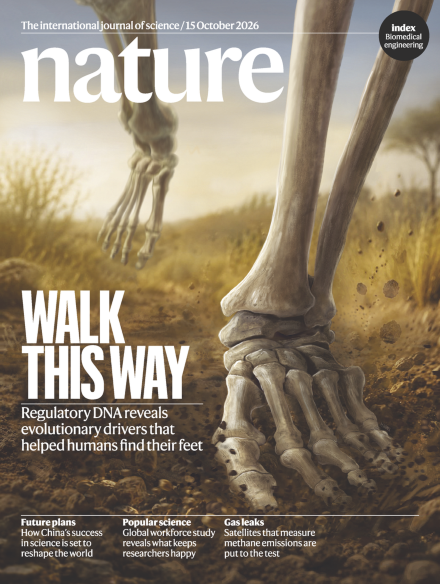
NATURE MAGAZINE – OCTOBER 15, 2026

Volume 658 Issue 8136

NATURE MAGAZINE: The latest issue features ‘WALK THIS WAY’ – Regulatory DNA reveals evolutionary drivers that helped humans find their feet…

Chimp and gorilla brains resist weight loss with age — unlike human brains

The relatively short lifespans of non-human great apes might explain why their brain mass is maintained in later life

Breaking down nerve-cell scaffold relieves chronic pain in mice

Results could help researchers to develop painkillers that are safer and more effective than existing treatments.

Unprecedented hole opened up in Antarctic winter sea ice

‘Rivers in the sky’ helped to keep an expanse of water roughly as big as Portugal ice-free.

The Solar System could die one billion times earlier than thought

Modelling suggests that the planets’ orbits will become destabilized inside one billion years once the Sun starts to shed mass.

THE NEW STATESMAN MAGAZINE – OCT. 16, 2026

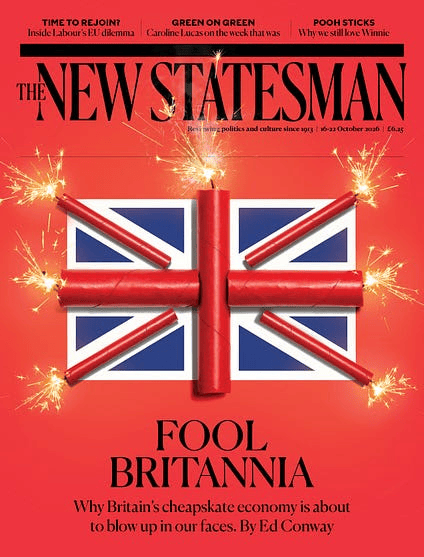
THE NEW STATESMAN: The latest issue features ‘FOOL BRITANIA’ – Why Britain’s cheapskate economy is about to blow up in our faces…

Britain’s economy is ready to blow

Our short-sighted pursuit of cheap goods over national security has left us dangerously exposed By Ed Conway

How not to lose the future to China

Author Dan Wang on America’s existential battle for AI supremacy By Katie Stallard

Why we’re rediscovering the Ancient Greeks

From Christopher Nolan to Anne Carson, the classics are illuminating our savage world By Tanjil Rashid

Live streaming an execution is a very Trumpian form of pornography

This is the Maga White House’s latest impotent attempt to prove America’s masculine vitality By Freddie Hayward

THE GUARDIAN WEEKLY – OCTOBER 16, 2026

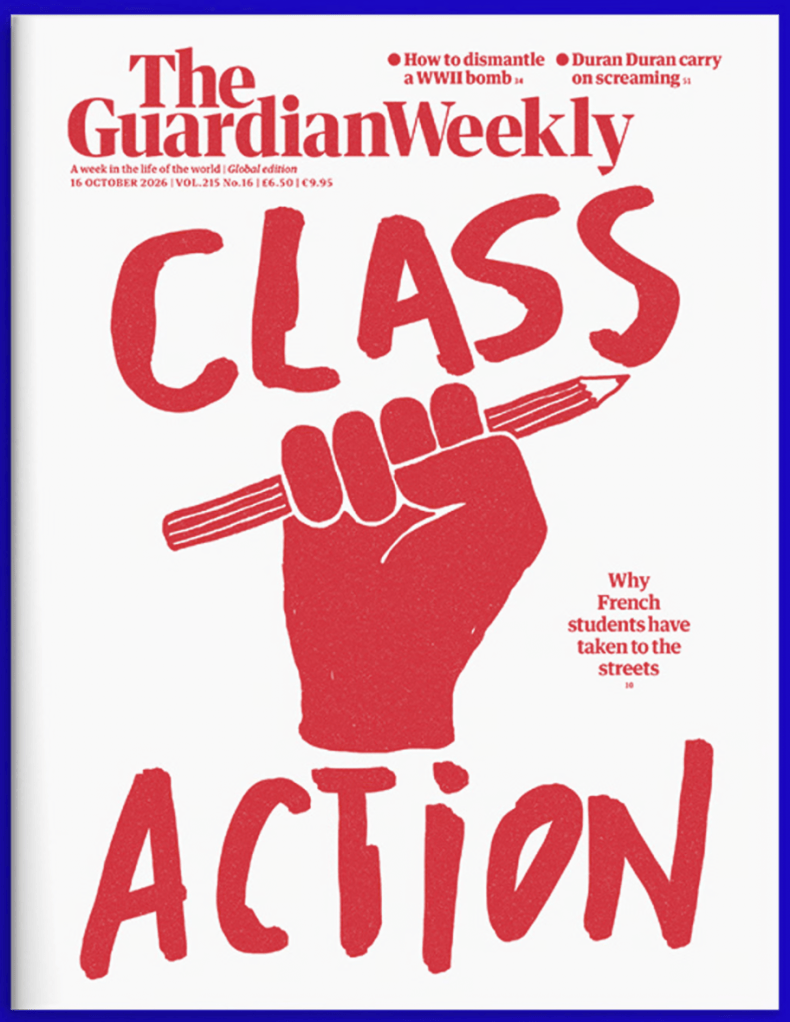
THE GUARDIAN WEEKLY: The latest issue features ‘CLASS ACTION’ – Why French students have taken to the streets…


France has been rocked by huge youth protests in recent weeks over the state of high school education, bringing tens of thousands of people on to the streets.

The movement began with outrage over shoddy school conditions in a Paris banlieue, but has spread across the country as pupils voice their anger about a system they say is failing them.

For this week’s big story, Paris correspondent Angelique Chrisafis hears from protesters who feel abandoned by the French state. Angelique also looks at the evidence on students’ complaints of dilapidated buildings, teacher shortages, inequality and low investment.

Then, Alexander Hurst says fixing the broken education system should be just the start for an aloof political class if it is to finally pay attention to a generation who feel neglected.

Spotlight | The future of the death penalty
Donald Trump has used the full might of the presidency to supercharge executions but, writes Ed Pilkington, an avalanche of mishaps has put the system’s flaws in the spotlight

Science | Sweet time
A flurry of recent studies suggests that spending the first 1,000 days of life under sugar rationing may have left traces on people’s health more than seven decades later. Linda Geddes reports

Feature | The art of dismantling a second world war bomb
British bomb disposal squads are being called to more unexploded devices than ever – and they risk their lives each time. Samira Shackle recounts the challenge they faced when two bombs were discovered on the same day

Opinion | A new era of instability
The latest attack by Houthi rebels on Saudi Arabia may prove to be more calamitous for the region than the world imagines, says Nesrine Malik

Culture | Hungry like the werewolf
Duran Duran talk to Alexis Petridis about 80s excess, tabloid scrutiny and their Halloween glow-up

PHILOSOPHY NOW MAGAZINE OCTOBER/NOVEMBER 2026

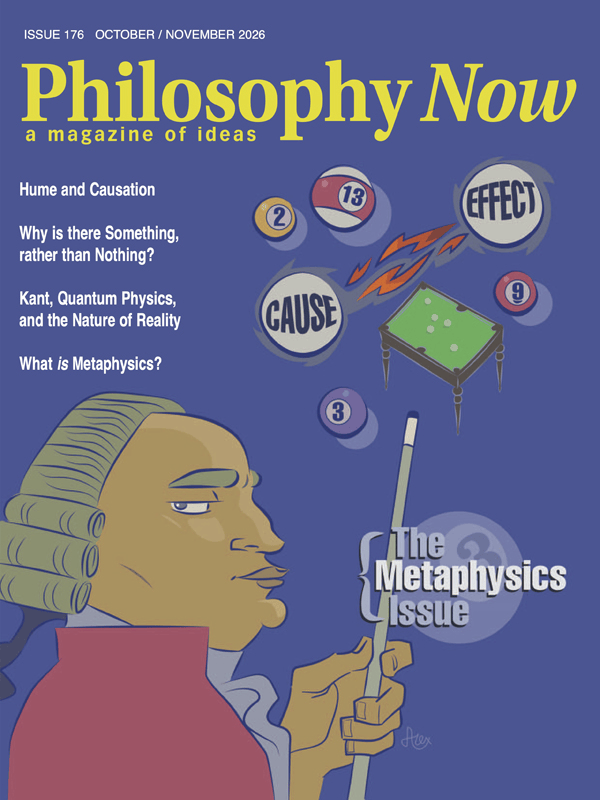
PHILOSOPHY NOW MAGAZINE: The latest issue features ‘THE METAPHYSICS ISSUE’…

METAPHYSICS

Causation: A History

Peter Keeble causes us to think about causation.

‘Why is there something rather than nothing?’

Andrew Brenner tries to make sense of the question.

Classical Indian & Modern Scientific Metaphysics

Mansi Tripathi hosts a trialogue.

The Nature of Reality

Simon Everson says Immanuel Kant can help with quantum mechanics.

What is Metaphysics?

Sajid Bijapure asks what it does, and what it might do in the future.

ARTICLES

Does Feminism Need More Than Liberalism?

Vanessa Yeung considers feminist responses to Rawlsian liberalism.

To Philosophize is to Learn How to Say Goodbye

Scott F. Parker reflects on philosophy as a preparation for death.

When Truth Loses its Witnesses

Mohsen Askari on why not all political narratives should be treated as equal.

In Defence of Hope

Sam Nuttall hopes to defend it with the help of Gabriel Marcel and Ernst Bloch.

Fraudulent Hope?

Alice Figes agrees with Ernst Bloch that hope can build worlds or destroy them, and philosophy’s task is to tell the difference.

Günther Anders (1902-1992)

Clive Webb on how Anders warned humanity about the moral costs of technological progress.

MODERN AGE JOURNAL – FALL 2026 PREVIEW

Fall 2026 Cover Image

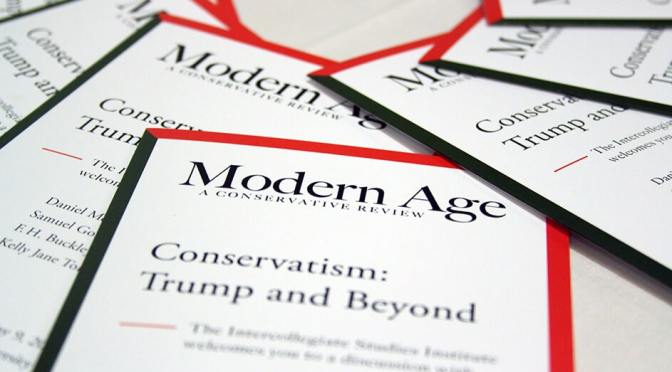
MODERN AGE – A CONSERVATIVE REVIEW: The latest issue features cultural and historical currents by charting the parallel births of the conservative movement and rock music, rethinking artistic and literary legacies, and examining legal, political, and philosophical reviews alongside reflective theatrical criticism and poetry.

Editorials

Essays

Film & Stage

Books

Poetry

AMERICAN SCIENTIST – NOVEMBER/DECEMBER 2026

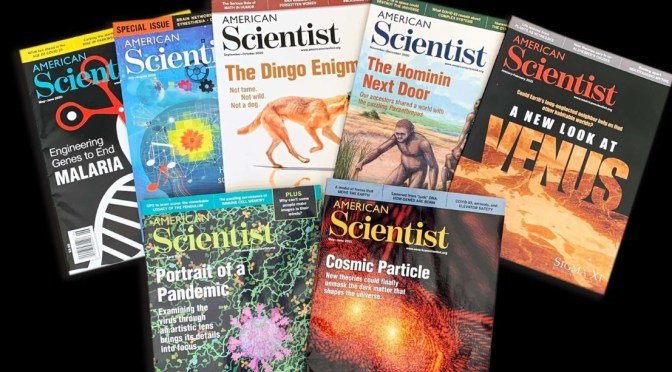
American Scientist Magazine: The latest issue features ‘Cellular Portraits’ – Detailed sketches helped reveal the function of chromosomes.

The Gene That Changed Cholesterol Treatment

Studies of rare mutations revealed a new way to lower LDL cholesterol—and led to an entirely new class of drugs.

By Philip A. Rea

In the early 2000s, geneticists Helen Hobbs and Jonathan Cohen at the University of Texas Southwestern Medical Center launched an ambitious effort to investigate cardiovascular health in Dallas County. Their study was unusual for the time. Rather than largely focusing on people of European ancestry, the Dallas Heart Study deliberately recruited a diverse population that reflected the region’s demographics.

QUICK TAKE
  • Rare genetic changes in a gene called PCSK9 help control low-density lipoprotein (LDL) cholesterol, the “bad” cholesterol linked to heart disease.
  • People who naturally make less of the PCSK9 protein have much lower LDL levels, pointing researchers toward new possibilities for lowering cholesterol.
  • That insight led to a new class of cholesterol-lowering drugs and showed how studying diverse populations can uncover important clues about disease.

Redrawing the Plague Maps

Ancient genomes are rewriting the history of Yersinia pestis infections across time and space.

By Monica H. Green

I spent much of my childhood in Colorado, which means that I, like millions of others living in the American West, grew up hearing warnings about the dangers of plague. People often find it shocking to learn that Yersinia pestis, the bacterium discovered in 1894 that is believed to have caused the mid-14th-century Black Death and other plague pandemics, is still around and dangerous, but that is one of many misperceptions about plague that need correcting. Plague’s multiple pandemics were not limited to the Black Death nor to Europe. And it is not a disease that disappears simply because no human cases are being reported at epidemic levels. Plague is not a thing of the past, and infections most definitely occur to this day.

QUICK TAKE

For centuries, our understanding of plague was riddled with assumptions based on a few historical accounts and data from modern plague victims.

Advances in genomics and bioarcheology now allow us to tie historical plague pandemics to human remains and even reconstruct the full plague family tree.

These data tell a new, broader story in which plague arrives earlier, stays later, and lurks in rural animal reservoirs before spilling over into human populations.

How Explanation Unlocks Deeper Understanding

The human drive to ask “why” can prompt abstract thinking and aid comprehension.

By Tania Lombrozo

Seeking and evaluating explanations can shape the very process of learning. Just like tasting the soup as you’re cooking can shift the final product toward a closer approximation of soupy perfection, explaining as you learn can change the course of learning itself, pushing you to find a closer approximation of a truly great explanation: one that covers all the relevant observations in the simplest way possible. But how does that work?

QUICK TAKE

The process of explaining is a powerful learning tool.From a young age, humans ask “why”; answering that question can reveal deeper meanings and reveal hidden patterns.

Explaining can unlock abstraction, a complex thought process that allows people to generalize from specific examples to identify common themes.

The need to know why can unlock learning, but it can also drive some people to latch on to patterns that do not exist, such as conspiracy theories.