Do the Fondation Beyeler’s new buildings by Peter Zumthor fit in with the rest of the site designed by Renzo Piano? Perhaps they aren’t trying to
What blockbuster auctions tell us about the value of art
The October auctions are always a test of the health of the art market, but there’s more than one way to read the results
Could members’ clubs bring new collectors into the art market?
From the November 2026 issue of Apollo. About a decade ago I found myself in a private room at the Arts Club on Dover Street in Mayfair explaining the reasons for my selection of that year’s international exhibitions, biennnials and art fairs to a table of wealthy diners. The expensively, if discreetly, dressed group – […]
The French restaurant that really does turn food into art
Guy Savoy is the first chef ever to be elected to the Académie des Beaux-Arts in France. A meal at his restaurant in Paris proves why he deserves this unprecedented honour
President Luiz Inácio Lula da Silva’s win ended a string of conservative victories in Latin America. Flávio Bolsonaro called for the election to be annulled.
Much has been said about how Ukraine should treat Russian prisoners of war. Less attention has been paid to the emotional struggle for the Ukrainians tasked with that work.
Supporters and opponents of Prime Minister Benjamin Netanyahu have expressed intense anxieties about isolation abroad, security at home and the future of Israel’s identity.
No party is expected to achieve a clear victory, which means the election will likely only be the first step in determining who will form the next government. Here’s how that might unfold.
Luiz Inácio Lula da Silva, the leftist incumbent, and Flávio Bolsonaro, the right-wing challenger, face off in a narrow race that could redefine the future of Latin America.
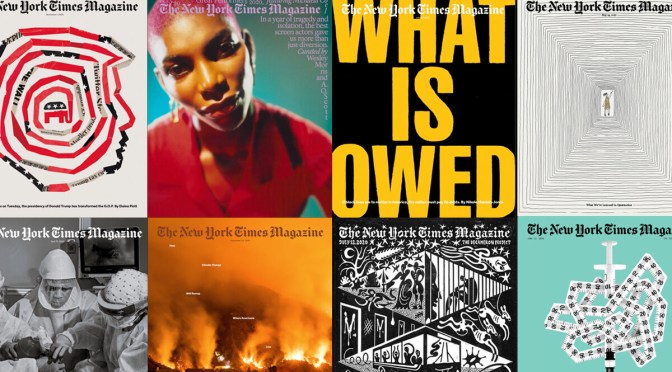
THE NEW YORK TIMES MAGAZINE: The 10.25.26 Issue Michael Steinberger on how California’s ultrarich are fighting against the world’s first billionaire tax; Charles Homans on who runs the Democratic party; Matthew Shaer on the director Sterlin Harjo; and more.
Gina Hinojosa, the Democratic nominee for governor, on her appeal to MAGA voters and her refusal to engage in the “culture wars.” By Lulu Garcia-Navarro
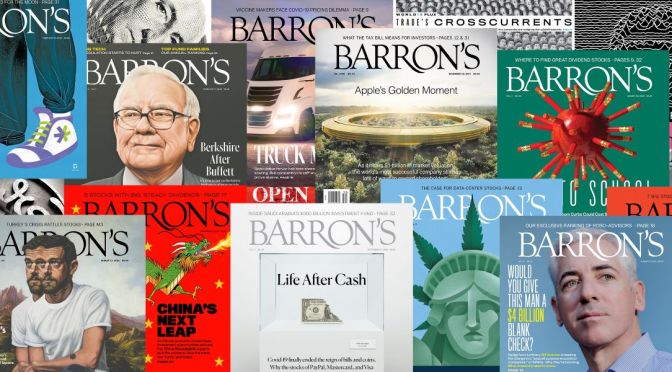
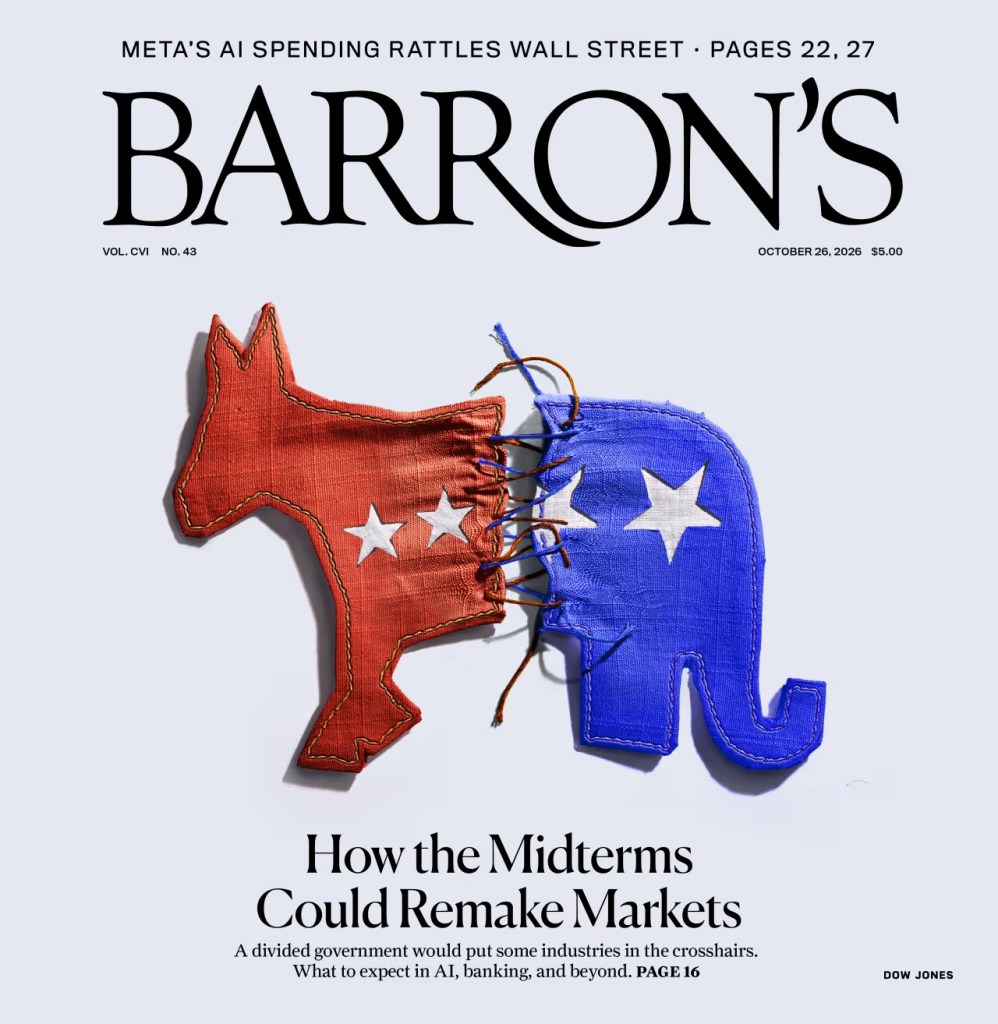
BARRON’S MAGAZINE: The latest issue features ‘HOW THE MIDTERMS COULD REMAKE MARKETS’ – A divided government would put some industries in the crosshairs. What to expect in AI, and beyond.
These pricey, complex strategies appeal to income-hungry and skittish investors—but some can cap your upside and leave you exposed to market downsides.
The U.S. government has ordered diplomats and other federal employees to leave Saudi Arabia. It is also drawing down staff at other missions in the region.
About 70,000 police and security officers, mobilized ahead of mass protests, will try to avert the arson and looting that shocked the country last weekend.
The military demolished buildings and erected roadblocks in Hebron, the biggest city in the territory, a day after Palestinian gunmen killed two soldiers.
The United States once declared that Ukraine’s fight was the front line in a global battle for freedom. Now the Trump administration is sending money to Moscow.
What to expect in the midterms’ wake. By Jim Geraghty
All other things being equal, Donald Trump would rather have a Republican-controlled House and Senate than Democrats in charge of either.
But if the Democrats win a majority in the U.S. House of Representatives in November — which appears likely as of this writing — it may not change the dynamics of this presidency much at all. Trump already acts as if the primary purpose of the House is to applaud during his State of the Union address, and that’s when he has a largely compliant and loyal Republican majority. He has always preferred to do things through executive orders. Passing legislation is arduous and time-consuming and often requires compromise.
What’s a presidential library doing in the North Dakota badlands? By Judson Berger
Medora, N.D. — Spend enough time in Medora, an Old West outpost that leans into a Theodore Roosevelt theme with the approximate restraint of a Cracker Barrel decorator, and you’re bound to encounter the quote: “I never would have been president if it had not been for my experiences in North Dakota.”
In Southern Africa, five countries unite around a shared vision: A connected landscape where communities and free-roaming wildlife can thrive. By Erin Waite
Photography by Gareth Bentley
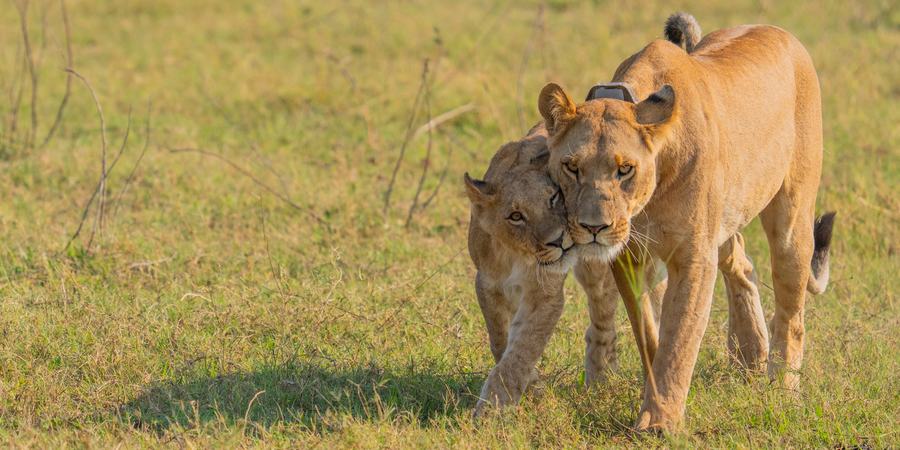
Across Africa, large carnivores evolved to roam vast, interconnected landscapes that enable them to hunt prey, find mates, and maintain large territories. But today, those movements have become constrained as human settlements, agriculture, and infrastructure have spliced habitats into ever-smaller fragments. Increasingly isolated and funneled toward spaces inhabited by people, many of the continent’s iconic predators face mounting pressures from habitat loss and human-wildlife conflict, which have fueled alarming declines across populations.
One of the greatest opportunities to reverse this trend lies in the Kavango-Zambezi Transfrontier Conservation Area (KAZA). Spanning 200,000 square miles across parts of Angola, Botswana, Namibia, Zambia, and Zimbabwe, KAZA is the world’s largest terrestrial transboundary conservation area. Here, significant numbers of lions, African wild dogs, leopards, cheetahs, and spotted hyenas still move freely across connected wetlands, savannas, grasslands, and forests—as well as through villages and community lands—helping to keep these important ecosystems in balance.
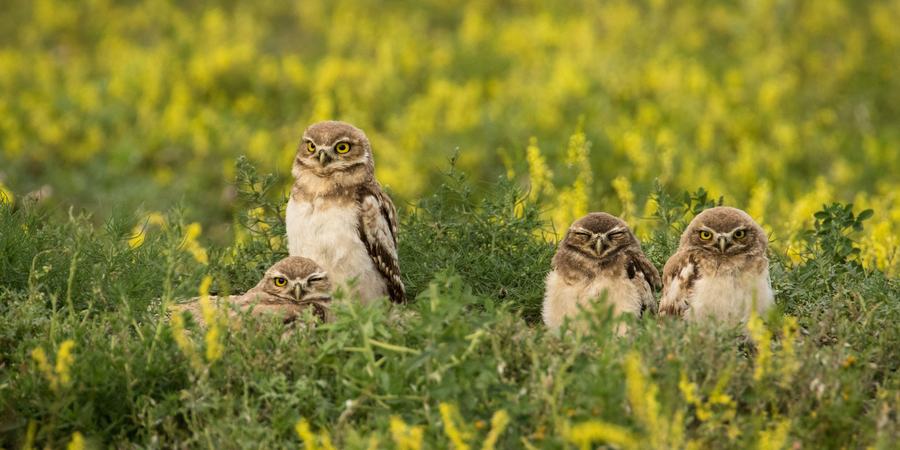
Stretching from coast to coast, grasslands cover nearly a third of the lower 48 states. Yet almost half of Americans know almost nothing about them, according to a new national survey released by the America’s Grasslands Coalition.
Grasslands—large expanses of land dominated by grasses, shrubs, and other flowering plants—are a source of clean water for millions of people in the US and play a vital role in supporting wildlife, storing carbon, sustaining food systems and rural livelihoods, and maintaining ecosystem balance. They currently cover nearly 1 million square miles of the US, roughly half of their historical range—and are continuing to disappear at an alarming rate. This decline, due to plow-up for row-crop agriculture, the spread of invasive plants, and development, threatens wildlife, fresh water, and climate resilience.
REASON MAGAZINE: The latest issue features… Nearly three years ago, Javier Milei became Argentina’s president, promising deep spending cuts, mass layoffs of government workers, and radical change. He’s made impressive progress, but the job isn’t finished.
How Milei Won
It took three ingredients: an offbeat candidate, a bombastic campaign, and a public hungry for something new. By Daniel Raisbeck
Rents, Internet Speeds, and Airfares: 3 Deregulation Success Stories From Milei’s Argentina
Javier Milei is showing the world how deregulation can slash prices and improve services.
Fortunately, we do better on overall economic freedom, despite losing ground.
Politicians may not like it, but the countries they misgovern compete with one another for businesses, people, and capital. To attract startups, entrepreneurs, and investors, governments have to offer attractive environments, or else lose out to friendlier nations. When it comes to tax competitiveness, a new report says that Estonia leads the way in first position, with the United States lagging at 17th.
Jorge Luis Borges Against the State
Freedom, literature, and politics in the work of Jorge Luis Borges By Alejandara M. Salinas
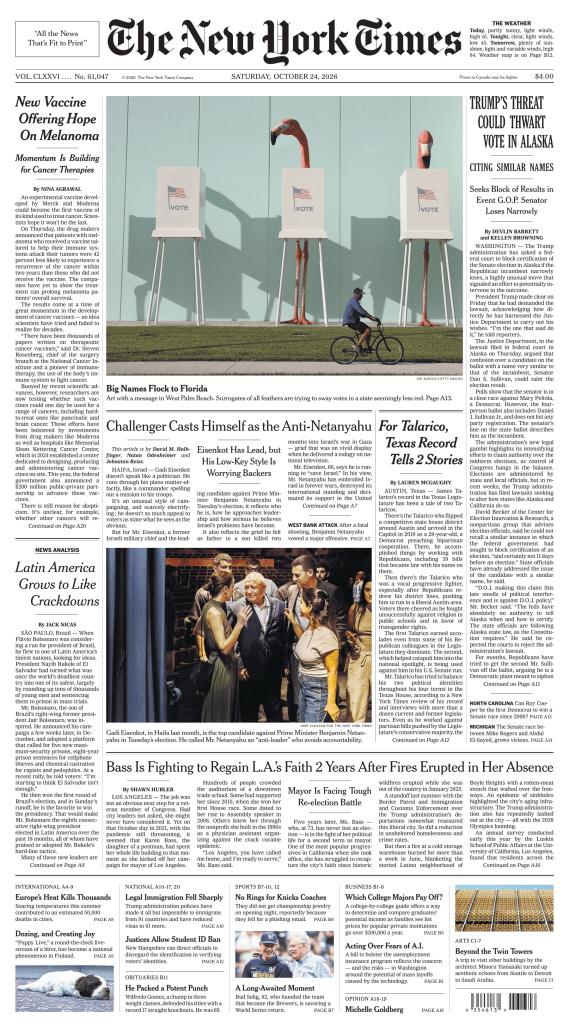
Five people were wounded in the attack, days before national elections, health workers said. The Israeli military said its soldiers had killed two assailants.
Mr. Eisenkot, an ex-military chief, is leading in the polls against Prime Minister Benjamin Netanyahu. But his campaigning style is worrying supporters.
President Trump called Elon Musk, who owns the Starshield network, after officials in Ukraine reported that they found new limits on the use of military drones
The tax initiative is the most ambitious proposal that Dave Regan has ever qualified for the California ballot. Some Democrats hope it will be his final one.