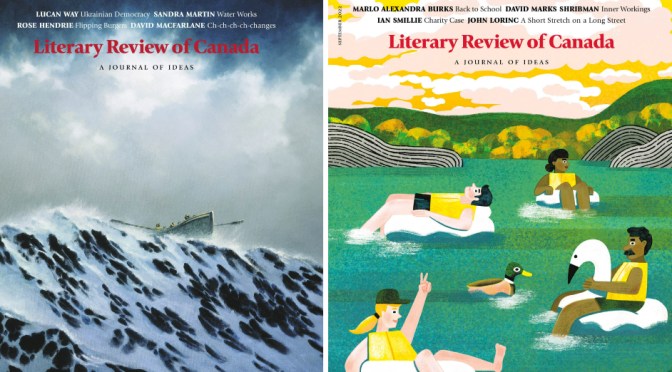
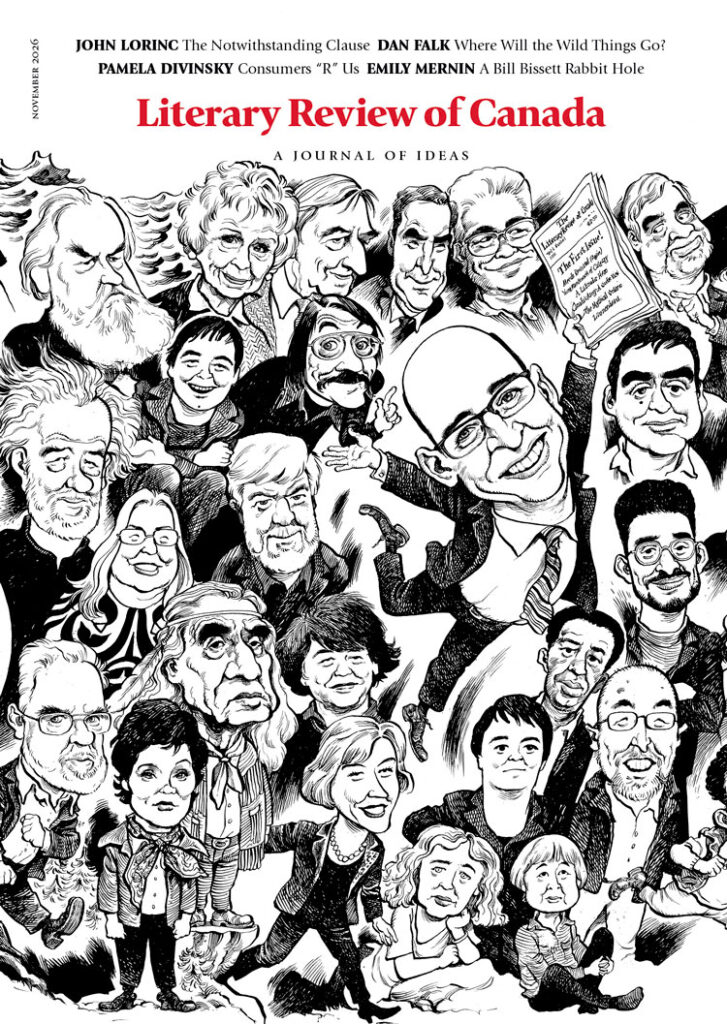
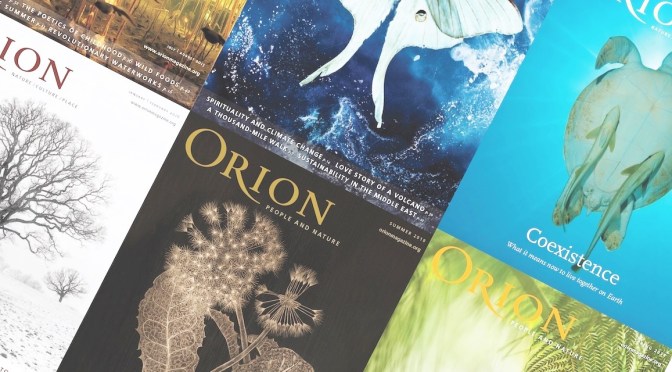
My heart sank when I first saw the magazine’s thirtieth-anniversary issue on paper. My managing editor back then, Michael Strizic, and I had spent the morning pacing in our small, dark office — anxious to receive several heavy boxes from Ottawa. Eventually I couldn’t stand the anticipation, so I walked ten minutes or so to Harbord Bakery to distract myself. The magazines had arrived by the time I returned.
Thirty-five years ago, in the inaugural issue of this magazine, I reviewed the newly published diary of André Laurendeau, written from 1964 to 1967 during the Royal Commission on Bilingualism and Biculturalism. The timing was apt: politicians, scholars, and journalists were speculating heavily on how to fix the “Canadian crisis” following the collapse of the Meech Lake Accord the year before.
“By Authority of Parliament: The Constitutional Boundaries of Legislative Power in Canada” by Ryan Alford
In 2017, during the early days of Donald Trump’s first term, the world was riveted both by his reality TV presidency and by the salacious rumours about the way he had obtained it. Insistent tales circulated about how Vladimir Putin’s troll army had engineered the Republican candidate’s victory by hacking into the Democratic Party’s servers and then releasing thousands of embarrassing emails on the eve of Hillary Clinton’s nomination. What followed was a stormy season of investigations and counter-accusations about Trump’s Russian proclivities.
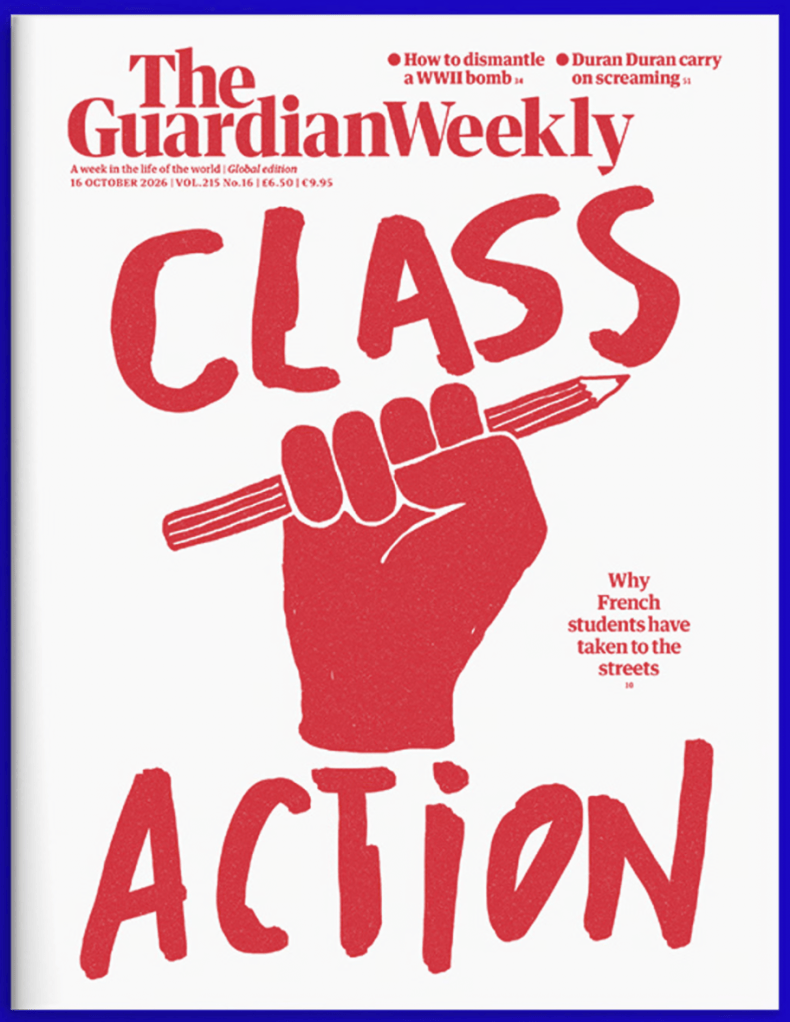
France has been rocked by huge youth protests in recent weeks over the state of high school education, bringing tens of thousands of people on to the streets.
The movement began with outrage over shoddy school conditions in a Paris banlieue, but has spread across the country as pupils voice their anger about a system they say is failing them.
For this week’s big story, Paris correspondent Angelique Chrisafis hears from protesters who feel abandoned by the French state. Angelique also looks at the evidence on students’ complaints of dilapidated buildings, teacher shortages, inequality and low investment.
Then, Alexander Hurst says fixing the broken education system should be just the start for an aloof political class if it is to finally pay attention to a generation who feel neglected.
Spotlight| The future of the death penalty Donald Trump has used the full might of the presidency to supercharge executions but, writes Ed Pilkington, an avalanche of mishaps has put the system’s flaws in the spotlight
Science| Sweet time A flurry of recent studies suggests that spending the first 1,000 days of life under sugar rationing may have left traces on people’s health more than seven decades later. Linda Geddes reports
Feature| The art of dismantling a second world war bomb British bomb disposal squads are being called to more unexploded devices than ever – and they risk their lives each time. Samira Shackle recounts the challenge they faced when two bombs were discovered on the same day
Opinion| A new era of instability The latest attack by Houthi rebels on Saudi Arabia may prove to be more calamitous for the region than the world imagines, says Nesrine Malik
Culture| Hungry like the werewolf Duran Duran talk to Alexis Petridis about 80s excess, tabloid scrutiny and their Halloween glow-up
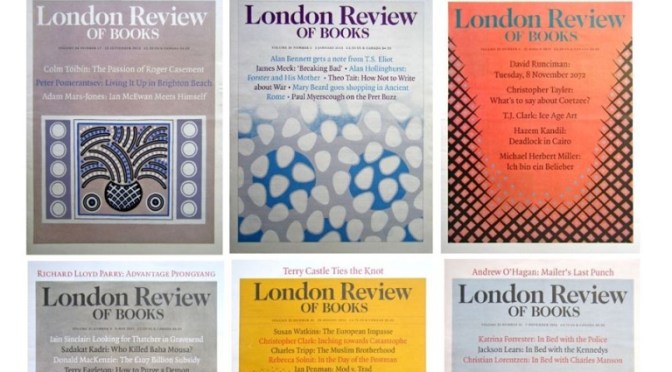
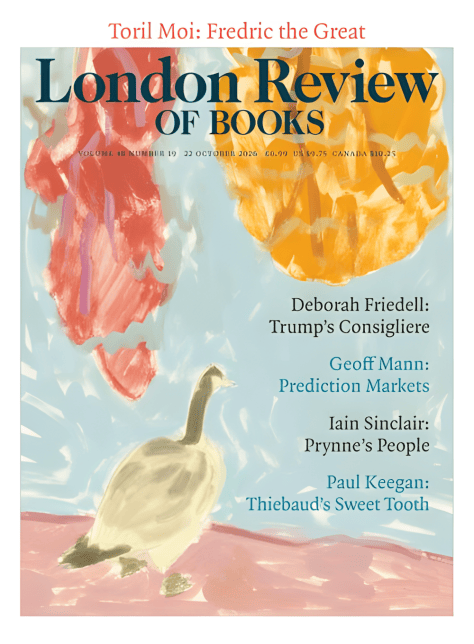
LONDON REVIEW OF BOOKS: The latest issue featuresFredric the Great by Toril Moi; Trump’s Consigliere by Deborah Friedell; Prediction Markets by Geoff Mann; Prynne’s People by Iain Sinclair; and Theibaud’s Sweet Tooth by Paul Keegan….
Fredric Jameson seemed to me to have read absolutely everything. He was the very antithesis of the intellectual type I think of as an empty theoriser, by which I mean someone who endlessly conjectures without having a genuine command of any relevant archive. To look at Fred as a reader of literature is not to reduce the scope of his work, but rather to try to understand its origins.
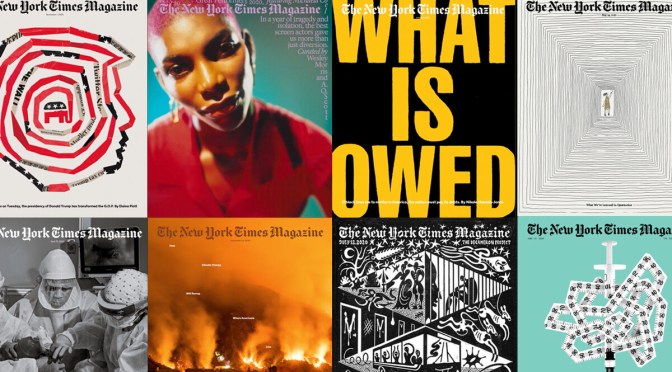
THE NEW YORK TIMES MAGAZINE: The 10.11.26 Issue features Daniel Kolitz on the rise of microdramas; Janet Reitman on a group of Texans accused of being Antifa terrorists; Marcela Valdes on the author Min Jin Lee; and more.
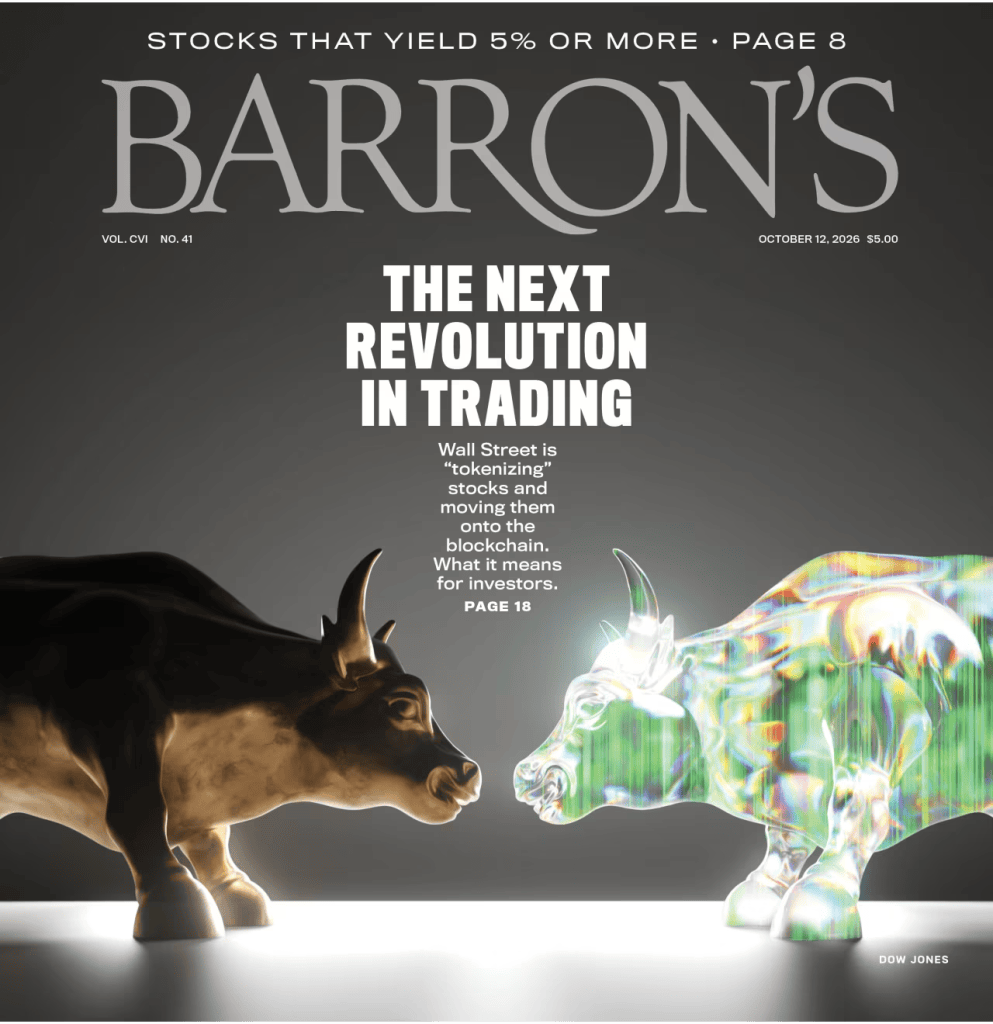
BARRON’S MAGAZINE: The latest issue features ‘THE NEXT REVOLUTION IN TRADING’ – Wall Street is “tokenizing” stocks and moving them onto the blockchain. What it means for investors.
Tokenization of financial assets could be the biggest revolution on Wall Street since the move from paper to electronic trading. Don’t think Bitcoin. Think blockchain.
This year, Barron’s has published a series of articles linking the birth and growth of America with the rise of financial markets. Today, lessons from the bond market’s 200-plus years.
With fewer than 30 days until the US midterm elections, Donald Trump seems determined to still be centre stage despite poll fears that after 3 November he may end up a lame-duck president as a Democratic blue wave sweeps the country. Our Washington bureau chief, David Smith, has been watching how the president is playing to Republican voters at the start of a blitz of cross-country rallies. It’s, at best, a mixed picture.
As David reports, Trump’s self-belief and message to voters to “pretend” his name is on the ballot reveal a man out of touch with ordinary Americans’ worries about the cost of living and whose promises that the war with Iran will soon be over ring ever more hollow. And then there are the candidates, more of whom are shying away from their earlier allegiances to a president whose approval ratings continue to slide.
Spotlight| An education crisis in France As school and university protests intensify, Paris correspondent Angelique Chrisafis finds out why students feel the government is ignoring their complaints about the state of education
Spotlight| Greendivision and diversion Peter Walker reports on the English and Welsh Green party’s annual conference in which a motion equating Zionism with racism was passed, and analyses how this reveals weaknesses in the way the party is run
Feature| The big business of porn Why not analyse the porn industry just like any journalist would the oil business? That was the premise behind Patricia Nilsson’s new book. An approach that, as Amelia Gentleman finds out, yields new insights into how pornography’s imperatives have seeped into all our online lives
Opinion| Putin won’t bomb Ukraine into submission Kyiv may now be under almost constant attack but, says Rajan Menon, history shows that bombing doesn’t crush morale
Culture| There’s beauty in bits and pieces A novel exhibition in Florence puts broken sculptures on display and, as Philip Oltermann discovers, reveals their profound allure
Sixteen surrealists photographed with their eyes shut, round a painting of a woman the sentence says they do not see. A table of four pictures and four words, three of them wrong. Magritte built that table three times, and the one true word in it was a wager on a reader.
The caption is up. The picture hasn’t arrived, made for the essay.
Why we’re pointing you there
The essay starts from Jonathan Jones’s Guardian review of Gagosian’s “This Is Still Not a Pipe,” which hunts Magritte’s heirs among forty living artists, and puts his four-panel Clef des songes back among the surrealists instead: painted first in Breton’s Paris in 1927 while the movement wrote down its dreams, painted again in 1929 with no true word in it, in the year of the pipe and of the review that printed his axioms on words and images and the page of sixteen closed eyes, and painted last in Brussels in 1935, in English, for New York. In Brussels his friends proposed his titles round a table.
Then it reads the machines beside the first Manifesto. Writing with no author at its centre is what the surrealists asked for, and a captioner writing ninety-five sentences in every hundred of a training set is that wish granted; when the dream spoke at scale it said “actor on the red carpet.” The machines are Breton’s heirs, not Magritte’s, and they have done one thing the surrealists did not: put the caption before the picture, so that an image made from a prompt is an illustration of its title, which Magritte is said to have ruled out. The rival reading, that Magritte’s subject was the folly of decoding, is given at full strength and conceded. What is left is a question, not a verdict: who is reading the sentence under the picture now.
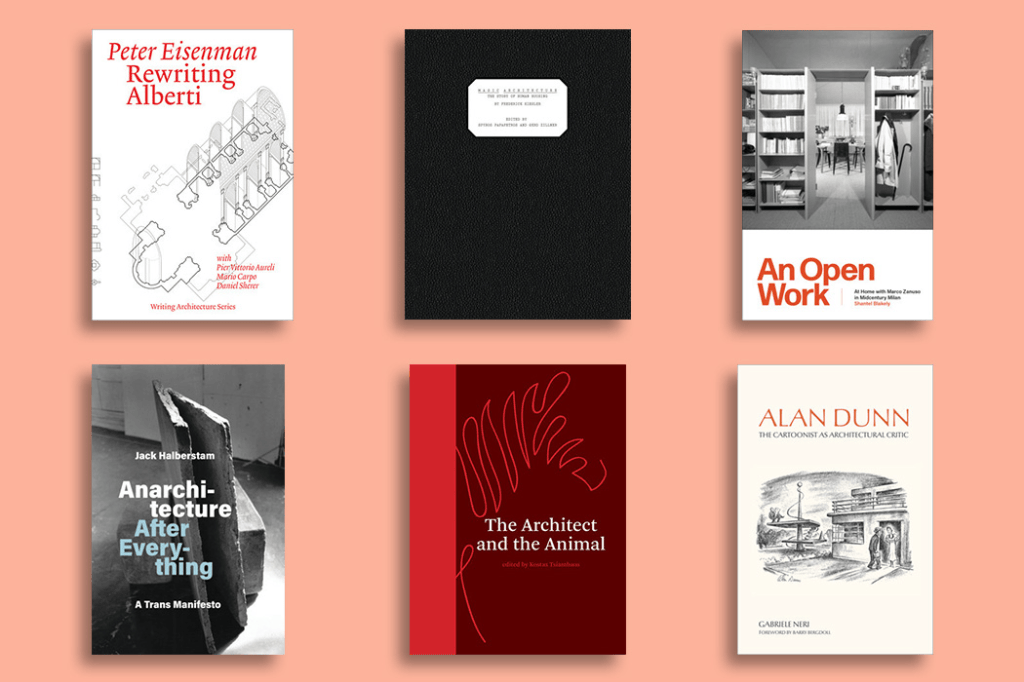
Since our founding in the 1960s, the MIT Press has been considered a premier publisher of architectural scholarship. To celebrate World Architecture Day, this year we are highlighting some of our latest books on architectural theory and practice—including a study of anarchitecture, an investigation of an enigmatic Italian architect-designer, and an abecedarium-style book exploring architect’s intersection with animal life.
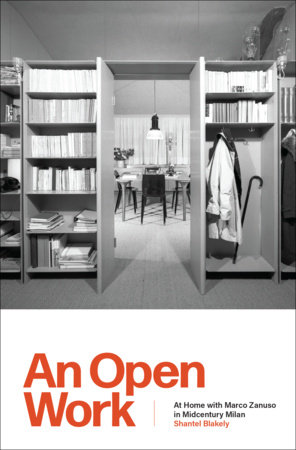
An Open Work investigates the celebrated, enigmatic Italian architect-designer Marco Zanuso (1919–2001). Zanuso’s buildings were widely recognized in Italy, and today his object and furniture designs, which won many awards in their time, can be found in prestigious museums worldwide, yet few scholars have addressed the different scales he worked at as parts of a whole. This beautifully written, lavishly illustrated book opens the door to Zanuso’s acclaimed work, specifically his dual focus on architecture and industrial design, a form of practice that many architects in Milan pursued as the Italian economy rebounded in a surge of industrialization after World War II.
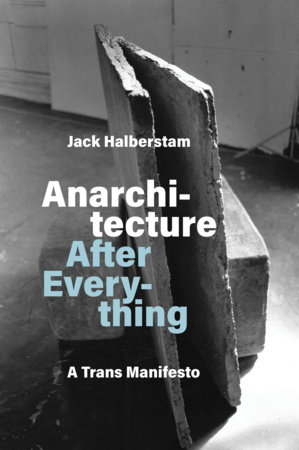
Anarchitecture, a radical aesthetic practice of unmaking the built environment, staged a vigorous confrontation with urban renewal and gentrification projects in the 1970s. In Anarchitecture After Everything, Jack Halberstam identifies a powerful lexicon of transformation within anarchitecture, joining the movement’s practices of cutting and splitting with the destabilizing power of transness to detonate acts of formal violence in our time. By reading anarchitecture through transness and transness through anarchitecture, Halberstam helps us see the trans body as a space of radical unmaking and as a portal to new lexicons for transformation.
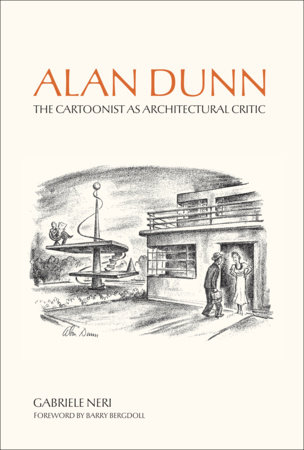
Drawing on his pioneering expertise in the relationship between graphic satire and architecture, Gabriele Neri retraces Alan Dunn’s path from painter to renowned cartoonist, offering an unconventional perspective on architectural and urban transformations—and on their perception within society. Featuring 200 carefully selected images, including Dunn’s correspondence, unpublished cartoons, preliminary sketches, watercolors, and rare photographs, Alan Dunn demonstrates the critical potential of caricature and cartoons for architectural history. Through Neri’s deft analysis, the book also reveals the complex intersections of architecture with media, publishing, commerce, society, art, and politics.
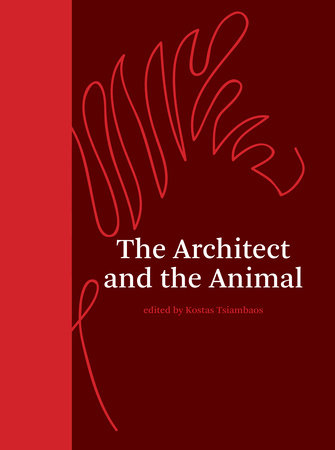
In The Architect and the Animal, 26 different architects look at how 26 different animals, from A to Z, have found their way into modern architectural discourse. The animal was typically approached in this discourse not through its various cultural or symbolic identities but as a body examined under a formalistic scientific lens. In this volume, the authors explore a less operative—and more meaningful—understanding of animal references and representations in twentieth-century architecture. Both playful and serious, there is nothing quite like this book.
Magic Architecture was the architect Frederick Kiesler’s most ambitious book project, an epoch-spanning history of human housing from prehistory to the atomic era, submitted to editors after World War II but left unpublished. In its holistic view of habitation through the lens of anthropology, ecology, and the life sciences, Magic Architecture is one of the most extraordinary texts on architecture written in the twentieth century, now at last published in the twenty-first. Kiesler’s exploration of the effects of modern technology in combination with the alternative epistemology of “magical” practices associated with cave drawings and the first artifacts of human industry reflects his profoundly interdisciplinary perspective on the development of art, architecture, and design.
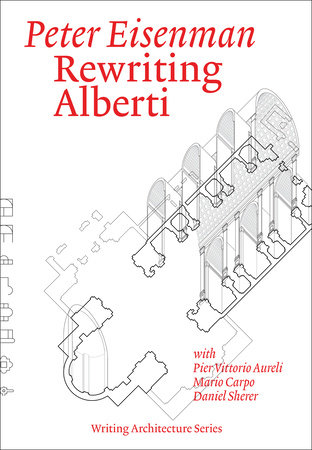
Much has been written about Renaissance architect Leon Battista Alberti’s mantra of part-to-whole as one of the continuing conditions of architecture. While this underlying thesis has often been repeated in the annals of architectural history and theory, architects have rarely questioned the idea. In Rewriting Alberti, architect Peter Eisenman suggests, however, that Alberti provoked a radical discourse beyond the part-to-whole dialogue featured in his Ten Books of Architecture. Eisenman’s in-depth analysis of Alberti’s five built works reveals a disjunction between the architect’s buildings and theoretical writings, suggesting a new relationship of form to meaning based on the fragmentation of homogeneous space.
The phrase “the X of it all” started as a joke to mock the vague lingo of studio bosses. But there’s something widely appealing about speaking “casually, broadly and vaguely in order to reduce friction.” By Nitsuh Abebe
My father dedicated his life to studying the Guna people of Panama, and they may soon allow unprecedented development through their land. I went on a trek through the jungle to find out why. By Ben Ryder Howe and Federico Rios
How Everything Became Gambling
It’s not just DraftKings and Polymarket — the logic of gambling undergirds everything coming out of Silicon Valley.
News, Views and Reviews For The Intellectually Curious