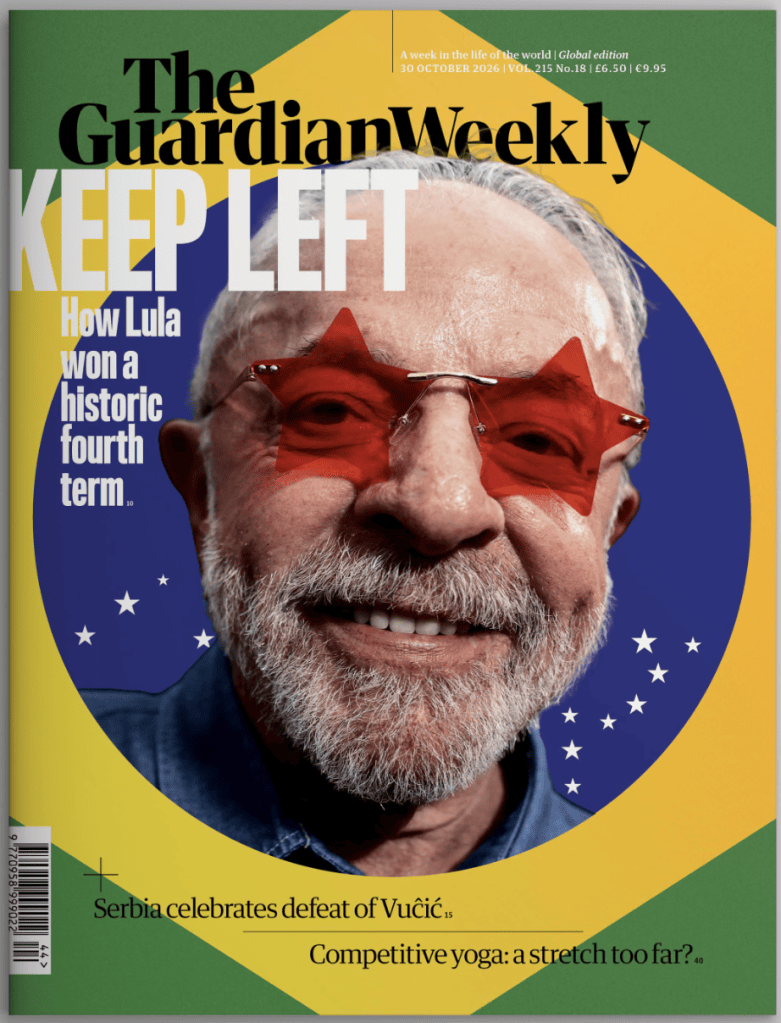
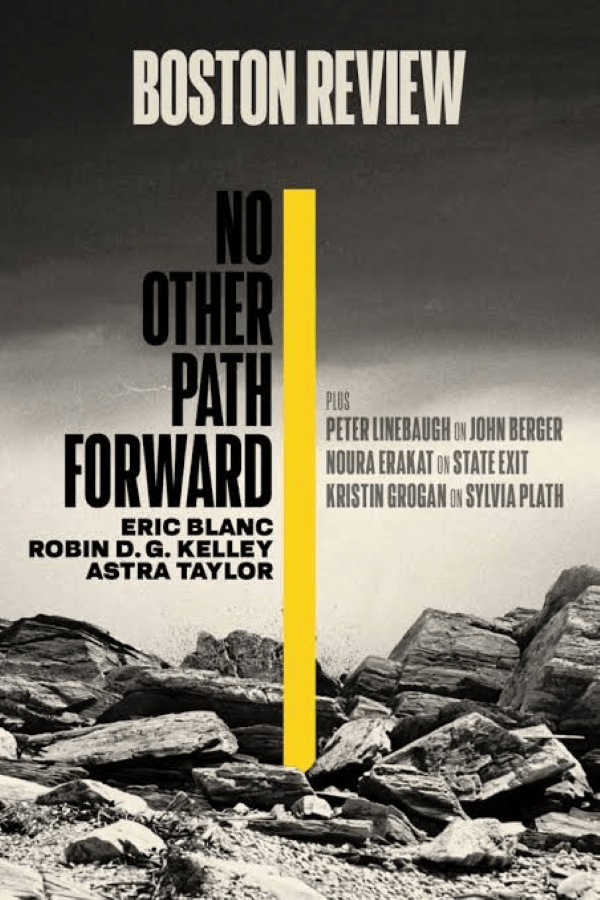
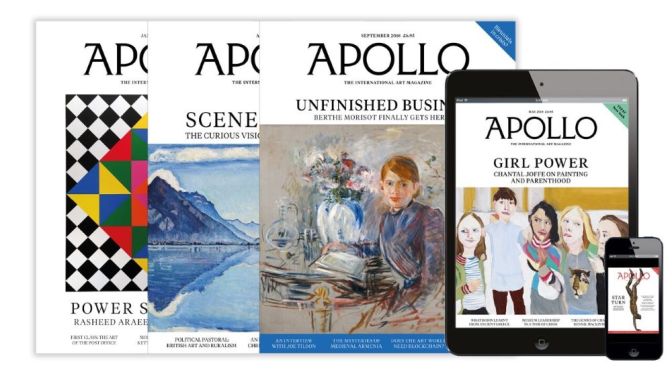
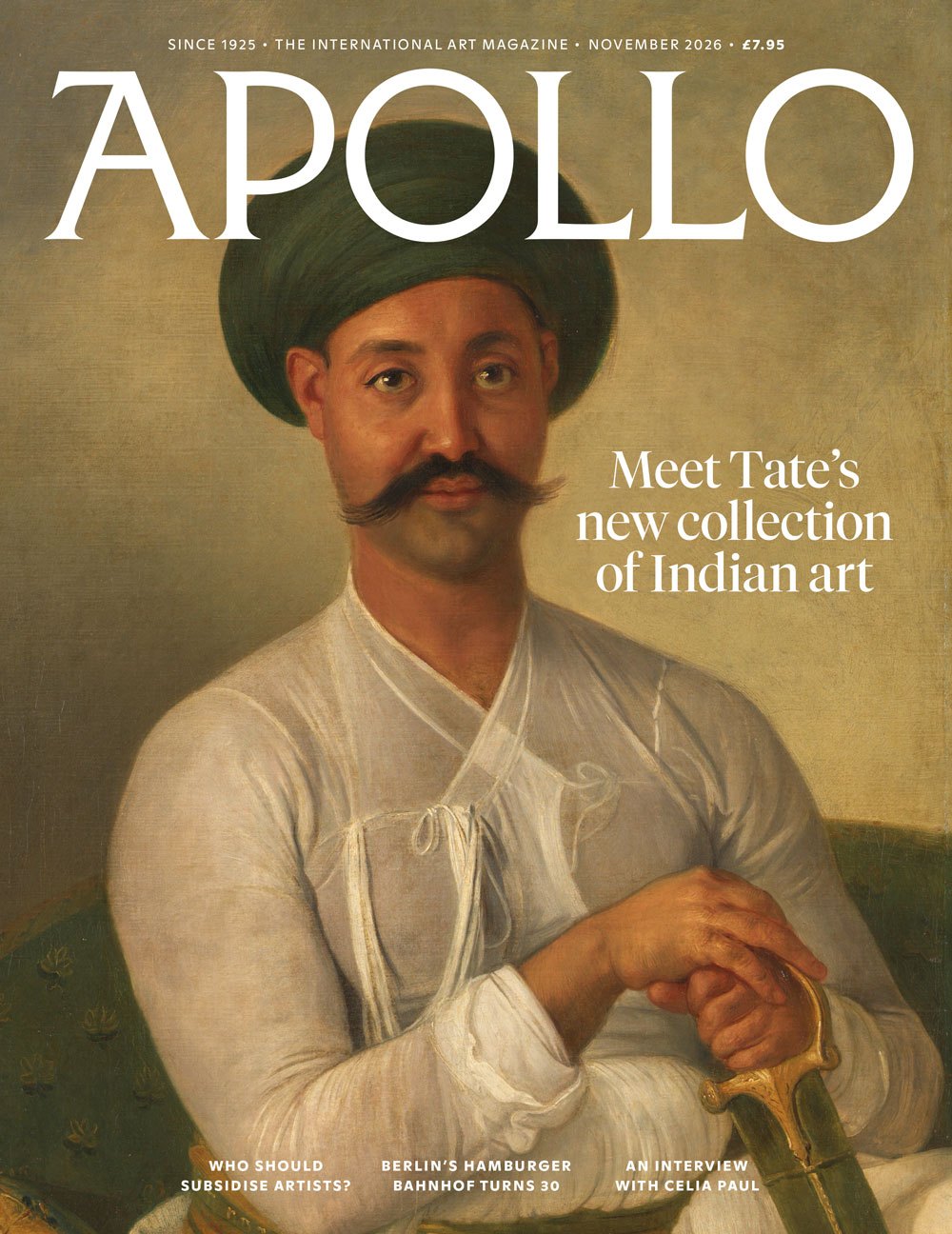
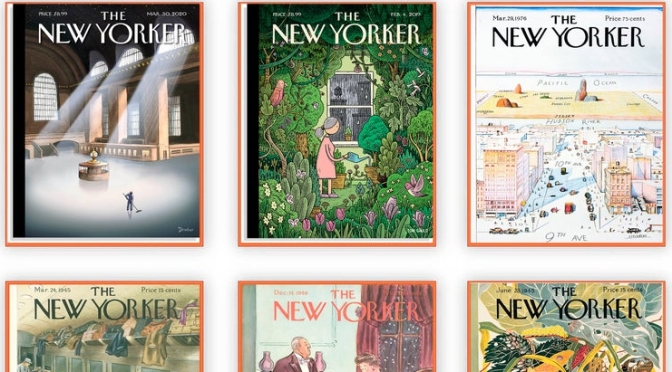
How many grinning faces, jubilant crowds and celebrating politicians can you fit into a single issue of the Guardian Weekly? That’s not a question that often troubles us, but the spectacular triumph of President Luiz Inácio Lula da Silva, winning a historic second-round vote after losing the first to rightwing opponent Flávio Bolsonaro, and the victory of the student-led campaign against autocrat Aleksandar Vučić in Serbia gave me a happy problem to solve this week. In an era when the right seems to be riding high in the world, popular pushbacks against strongmen politicians is something to celebrate.
For our Brazil cover story, Tom Phillips and Tiago Rogero report on the reaction to Lula’s victory and how he pulled eventual success from the jaws of what, until the first results came on Sunday evening, seemed a probable defeat. As government health minister Alexandre Padilha said that evening: “It’s a massive victory – not just for Brazil. It’s also an important signal to the rest of Latin America and to the world.” But, as commentator Jordana Timerman cautions, Brazil has been an exception in Latin America in successfully resisting Donald Trump’s attempt to achieve hegemony over the region.
Spotlight| ‘Pure arrogance’ Google has been in the dock in Finland over the illegal felling of hectares of woodland for its datacentres, reports Miranda Bryant
Science| Out of the blue Why are more planes encountering invisible air turbulence, what can they do about it and what effect will more frequent incidents have on travellers, asks Patrick Keneally
Feature| Bent out of shape? Competitive yoga may sound like anathema to some devotees of the ancient practice but, as Anita Chaudhuri discovers, there is a movement among some yogis to make it an Olympic sport
Opinion| Lame duck presidents can be dangerous beasts If Democratic midterm gains hamper Donald Trump at home, we should be very worried about what he might do abroad when foreign policy is his last bastion of power, says Steve Bloomfield
Culture| Stay faithful As the second series of Celebrity Traitors draws to its conclusion, Michael Hogan meets the people who made it the world’s biggest TV show and finds out why Claudia Winkleman never wants to leave the castle
The socialist cash that collected capitalist trash by David I. Backer
Today, the crossroads of socialism and barbarism meet in cities across America. In New York, Seattle, and Chicago, organizers have seized local and state authority, empowering mayors Zohran Mamdani, Katie Wilson, and Brandon Johnson—and a nonnegligible number of other politicians—to pursue the left project municipally. These local victories, won in the years since 2020, have kicked off a positive feedback loop and inspired yet more socialists to run for office in our time. The candidates tell us they want to collectivize the relations of production. Can they?
Last winter, the Mexican Army killed its main foe. Nemesio Oseguera Cervantes was spending a Sunday in Tapalpa, a tourist town just south of Guadalajara, the capital of Jalisco. Maybe Oseguera, a cartel leader who rose to international infamy over the past two decades, was there to visit the sixteenth-century chapel that’s nestled behind the main square, or maybe he wanted to admire the town’s snake-decorated fountains. In all likelihood, he was confident that authorities in that part of the country would ignore him spending time in the state that gave its name to his organization, Cártel de Jalisco Nueva Generación.
On reality television, all tenants are squatters by Michael Friedrich
A bouncer-looking guy with a steel-wool goatee lies his way into a woman’s Washington State home, posing as an inspector. He moves from room to drywall-covered room, testing smoke alarms. The home’s occupant, a quiet, middle-aged woman named Sally Barton Jeffries, offers the guy a glass of water. Her place looks cozy enough, furnished with an orange sectional, a checkered rug, and a table in the eat-in kitchen. She mentions that she has lived there for nine months.
Before we saw a single parakeet, we heard them: a disembodied static that grew louder as we approached Hither Green Cemetery in southeast London. It was an early evening in late June, and we had come to witness an invasion. By the time my friend and I reached the cemetery’s western edge, the clamor was all-encompassing. We hopped the fence and picked our way across the gravestones. Above us now were the birds themselves, their kryptonite-green plumage, scab-red beaks, pearly black collars, and trailing tail feathers unmistakable: Psittacula krameri, the ring-necked parakeet.
Misrepresented by the right and misunderstood by the left, the Sage of Baltimore delivered scathing—and still bracing—indictments of American injustice. By Andrew Holter
Do the Fondation Beyeler’s new buildings by Peter Zumthor fit in with the rest of the site designed by Renzo Piano? Perhaps they aren’t trying to
What blockbuster auctions tell us about the value of art
The October auctions are always a test of the health of the art market, but there’s more than one way to read the results
Could members’ clubs bring new collectors into the art market?
From the November 2026 issue of Apollo. About a decade ago I found myself in a private room at the Arts Club on Dover Street in Mayfair explaining the reasons for my selection of that year’s international exhibitions, biennnials and art fairs to a table of wealthy diners. The expensively, if discreetly, dressed group – […]
The French restaurant that really does turn food into art
Guy Savoy is the first chef ever to be elected to the Académie des Beaux-Arts in France. A meal at his restaurant in Paris proves why he deserves this unprecedented honour
Since taking up his post in Paris, Kushner has become known for lobbing provocations onto France’s domestic scene at sensitive moments. As he put it, “Nobody has the courage to say what I say.” By Lauren Collins
Donald Trump has tried to purge voter rolls nationwide. Deidre Henderson, the Republican lieutenant governor of Utah, is among the chief election officers standing in his way. By Barton Gellman
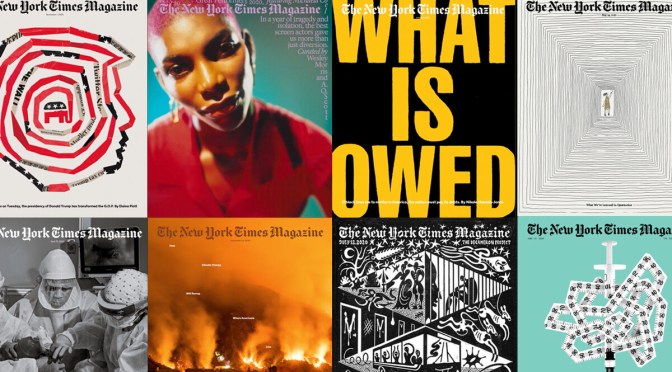
THE NEW YORK TIMES MAGAZINE: The 10.25.26 Issue Michael Steinberger on how California’s ultrarich are fighting against the world’s first billionaire tax; Charles Homans on who runs the Democratic party; Matthew Shaer on the director Sterlin Harjo; and more.
Gina Hinojosa, the Democratic nominee for governor, on her appeal to MAGA voters and her refusal to engage in the “culture wars.” By Lulu Garcia-Navarro
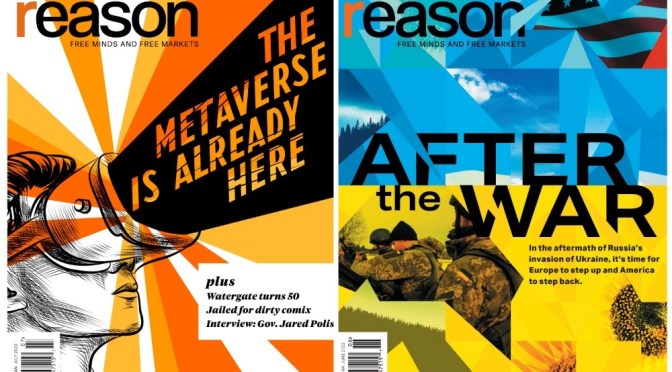
REASON MAGAZINE: The latest issue features… Nearly three years ago, Javier Milei became Argentina’s president, promising deep spending cuts, mass layoffs of government workers, and radical change. He’s made impressive progress, but the job isn’t finished.
How Milei Won
It took three ingredients: an offbeat candidate, a bombastic campaign, and a public hungry for something new. By Daniel Raisbeck
Rents, Internet Speeds, and Airfares: 3 Deregulation Success Stories From Milei’s Argentina
Javier Milei is showing the world how deregulation can slash prices and improve services.
Fortunately, we do better on overall economic freedom, despite losing ground.
Politicians may not like it, but the countries they misgovern compete with one another for businesses, people, and capital. To attract startups, entrepreneurs, and investors, governments have to offer attractive environments, or else lose out to friendlier nations. When it comes to tax competitiveness, a new report says that Estonia leads the way in first position, with the United States lagging at 17th.
Jorge Luis Borges Against the State
Freedom, literature, and politics in the work of Jorge Luis Borges By Alejandara M. Salinas