Friedrich Merz is a man with few choices and little popular support as he faces the end of Germany’s postwar settlement and the collapse of all the checks and balances to maintain democratic norms after the second world war and reunification. While Alternative für Deutschland’s success in state elections in Saxony-Anhalt saw the party win 44% of the vote, they are three seats short of a governing majority and, so far, no other party has said they are prepared to work with them, which means that for the moment, at least, the threat of Germany’s first rightwing extremist state government since the Nazi period has not yet come to pass.
As Berlin correspondent Deborah Cole explains, Merz is seen as the wrong man to present and sell a political counterpoint to the AfD’s populist policies. Seen as lacking in empathy and political dexterity, his demeanour is in sharp contrast to Ulrich Siegmund, the AfD’s lead candidate in Saxony-Anhalt. But as Deborah’s Berlin colleague, Kate Connolly, reports, some of Siegmund’s prospective new MPs have questionable backgrounds, including criminal records, Stasi pasts and connections to far-right networks.
Spotlight | Stop, slow down and swerve the apocalypse Can the world heave a collective sigh of relief after fellow tech bosses heeded a proposal by Anthropic CEO Dario Amodei’s to put the brakes on AI’s headlong rush to over take human intelligence? Nick Robins-Early weighs up our chances
Science | Can I borrow your coyote? Guardian US reporter Lois Beckett visits a one-of-a-kind California lending library where you can check out taxidermied animals and fossilised dinosaur bones.
Feature | Slime is not as simple as it seems Scientists are battling to determine whether supposedly simple organisms demonstrate a form of intelligence. If they do, what does it mean for our understanding of brain power, asks Samanth Subramanian
Opinion | Ethics make a return to UK foreign policy The evidence is Ed Miliband’s bold decision to label settler violence in the West Bank as “ethnic cleansing” and institute a boycott, argues Steve Bloomfield
Culture | Shear fun Catherine Shoard is rounded up for a trip down to Mossy Bottom farm to get a behind-the-scenes preview of the latest Shaun the Sheep film
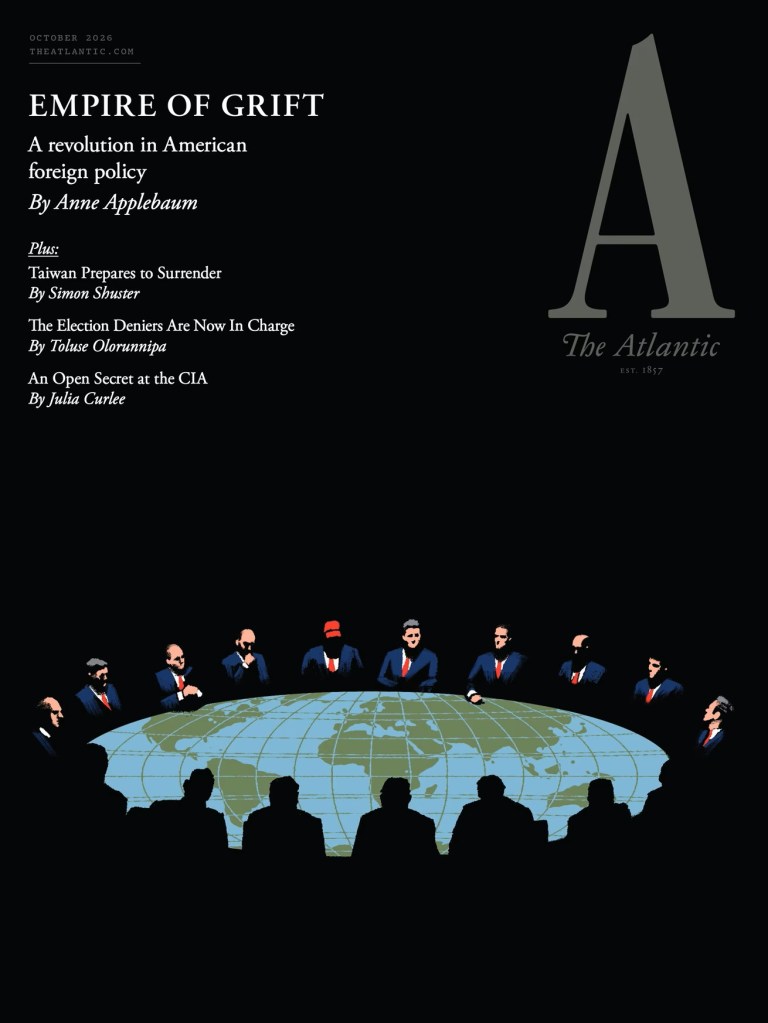
THE ATLANTIC MAGAZINE: The latest issue features “EMPIRE OF GRIFT” – Anne Applebaum examines how hardened ideologues and opportunistic profiteers are bending American diplomacy to advance an antidemocratic agenda—and their own financial interests. For our cover, the illustrator Ben Hickey created an ominous image of figures in shadow arrayed around a map of the world, evoking the war-room scenes from Stanley Kubrick’s 1964 film, Dr. Strangelove or: How I Learned to Stop Worrying and Love the Bomb.
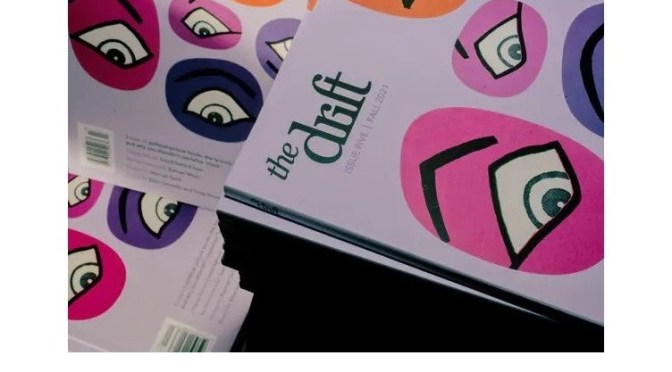
The Drift Magazine – The latest issue features an editors’ note on contemporary democracy, an interview with Marion Nestle regarding food industry oversight, a report on postliberal Budapest, and analytical essays on regional strategies and political momentum.
THE NEW YORK TIMES MAGAZINE:The latest issue features features articles on cultural retrospectives, corporate collapses, linguistics, and ethical dilemmas. Highlights include an examination of Dolly Parton’s cultural impact, an investigation into the collapse of Guidepost Montessori, and an analysis of household “familects”