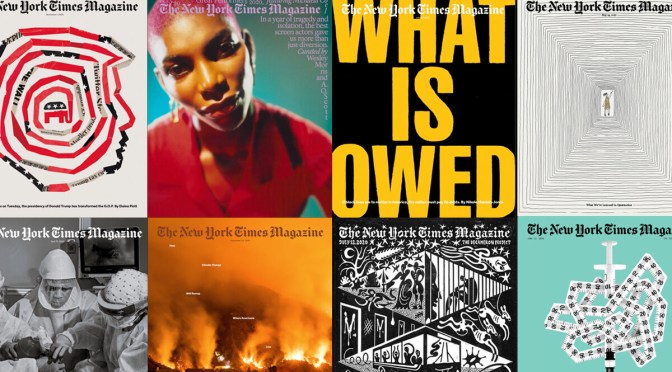
THE NEW YORK TIMES MAGAZINE:The 6.28.6 issue features Charles Homans, Steve Eder, Jan Ransom and Michael Rothfeld on the untold story of Jeffrey Epstein’s death; Katie Engelhart on the pain of caring for a parent who abused you; Dan Brookes on kickboxing in Thailand; and more.
The comedian Robby Hoffman seems to be everywhere these days, including her scene-stealing role in “Hacks” as a former Hasidic Jew from Crown Heights, Brooklyn, who becomes a Hollywood assistant and her part in the HBO comedy “Rooster” as the blunt, protective roommate of a student having an affair with a professor.
For the 250th anniversary, The Times Magazine asked leading historians to profile founding-era Americans whose roles in the drama have been often overlooked.
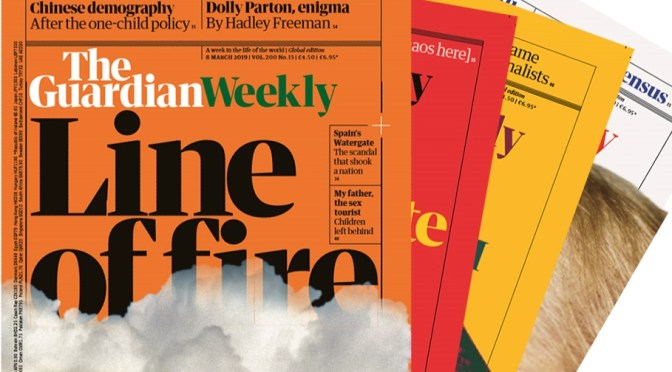
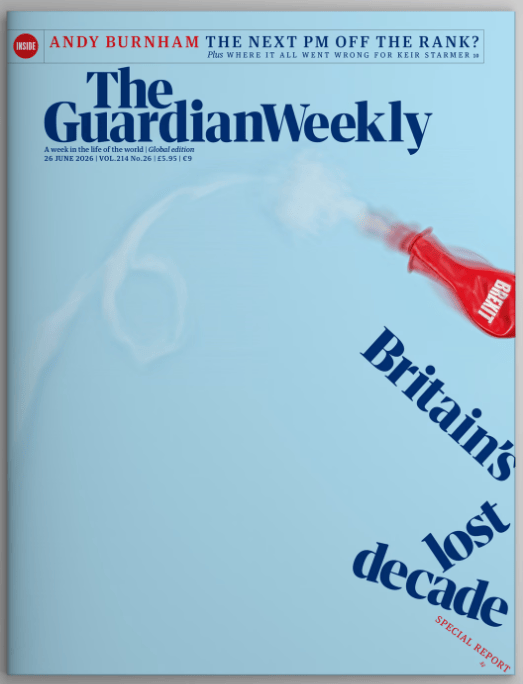
It’s neatly ironic that the 10th anniversary of the Brexit vote should have been marked this week by yet another prime ministerial resignation.
The two things aren’t directly related – the intense pressure put on Keir Starmer to step down was partly down to his own political flaws. But the rise in the polls of Reform UK, Nigel Farage’s populist rightwing party that morphed out of the Brexit-obsessed Ukip, was a key factor.
The fact that the country is now set for its seventh prime minister in the decade since Brexit speaks volumes. The vote in 2016 to leave the European Union deeply fractured Britain, a country that remains volatile and impatient for change to this day.
Change has come to the UK as a result of Brexit – only not for the better, as senior economics correspondent Richard Partington explains for our special report this week. We revisit the buildup to the vote as key figures at the time recall how it shook the country’s politics. And there’s even a quiz to test your memory of the more arcane sideshows of it all.
Spotlight | Iran’s regime survived the war. Will it make peace with its people? If the conflict with the US and Israel triggered a rare moment of solidarity in the divided country, many doubt it will be used for reform, reports Saeed Shah
Spotlight | Why did Somali children become targets of US drone strikes? Six months ago, at least 12 people, including eight children, died during a US attack. The US has never admitted the civilian deaths. Mark Townsend pieces together what happened that day
Environment | The online archive sharing scientific knowledge with everyone The Biodiversity Heritage Library is an invaluable online archive of historic texts on species living and lost supplied by the world’s leading museums and universities. Now its future is in doubt. Donna Ferguson reports
Opinion | There is still hope for international law Even in this age of global rupture, do not despair: developments in Ukraine and Iran show that the military superpowers are not getting it all their own way, argues Nathalie Tocci
Culture | Why time is still on Keith Richards’ side At 82, the Rolling Stones guitarist is still hale and hearty, enjoying life as a great-grandad and jousting with Mick Jagger like old times. Ahead of a new Stones album launch, Alexis Petridis caught up with him
California has failed to protect private property from squatters. Desperate owners are turning to katana-wielding enforcers to reclaim their homes. Christian Britschgi
AI Is Already Beating Human Doctors in Medical Tests
Robo-docs are not likely to take over healthcare anytime soon, but they could do more to assist human doctors—if we let them. Elizabeth Nolan Brown
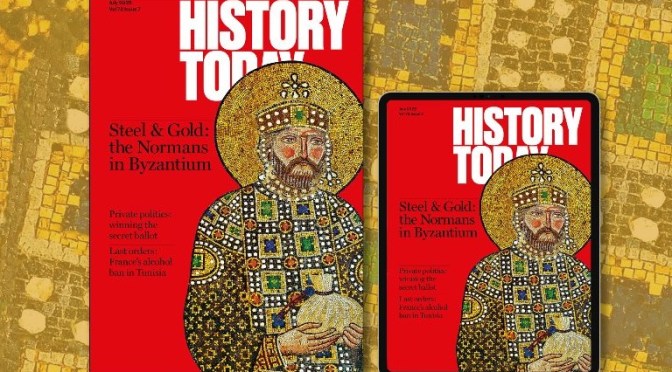
HISTORY TODAY MAGAZINE: The latest issue features ‘The Declaration of Independence’, Black Loyalists, how England learned Old English, sacrifice and early Christianity, and the Hans Crescent strike.
That the United States declared its independence in July 1776 is well known; that the British state commissioned, but never published, a counter-declaration is not.
Hoping to weaken the rebels’ cause, Britain offered freedom to enslaved people who joined the British army. At the end of the American Revolutionary War that promised freedom had to be honoured – but how and where?






 Intellicurious