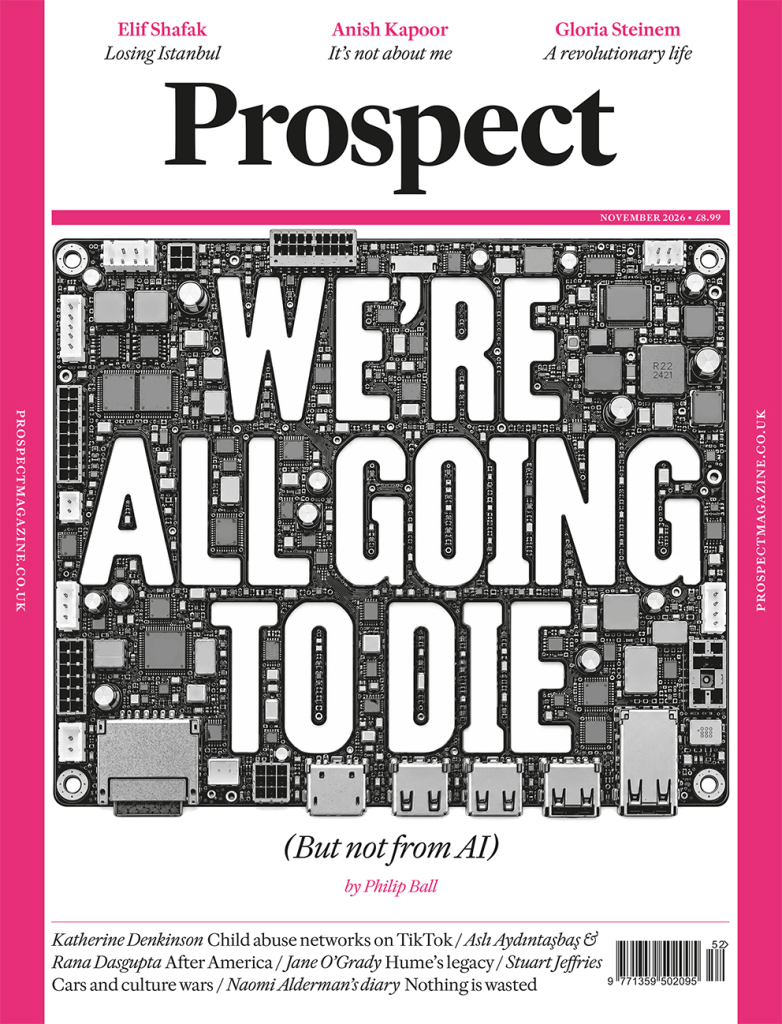
We’re all going to die, but not from AI
We must challenge Silicon Valley’s self-serving warnings of apocalypse

We must challenge Silicon Valley’s self-serving warnings of apocalypse
Once upon a time, the export crop of Martha’s Vineyard and Nantucket was whale oil. Nowadays it is money, harpooned by visiting campaigns from deep-pocketed donors at anchor in their summer seaside retreats. In the peak season of July and August, the islands’ social rhythms are dictated by money-harvesting events, wrangled by local hosts jostling for the social éclat that comes from securing a high-profile honoree. By late August this year, the territory had already been worked over by a series of hopeful visitors with hands outstretched, such as the rising Texas Senate hopeful James Talarico, Hakeem Jeffries in eager pursuit of the House Speakership that is almost in his grasp, Maryland Governor Wes Moore and others questing the donor dollar.
The world has become strangely numb to terror. Sometimes an atrocity will be sufficiently horrifying – the murder of Charlie Kirk, say – to cause mass shock and anguish. Yet now reports of car rammings or knife rampages or foiled Islamist plots feel almost routine. We have become inured to ideological violence. In the quarter-century since 9/11, the specter of terrorism has almost become a fact of modern life. Last year, America was one of the few western countries to see a rise in terrorism, with 13 recorded attacks and 28 deaths. Today even the most appalling acts generate only a brief sense of widespread outrage. And then the news cycle moves on. No mass killing has come close to the scale of the Twin Towers attacks.
America’s war with Iran is in its eighth month and stuck. On September 26, Donald Trump confirmed that he had rejected Tehran’s offer to reopen the Strait of Hormuz in return for lifting the American naval blockade and easing sanctions. He has reportedly told his staff that renewed bombing is likely after the midterm elections on November 3. He is reluctant to

ORION MAGAZINE: The Autumn 2026 issue, ‘Tongues: Adventures in the Science of Taste’, ventures into the outer reaches of flavor. Each story is keyed to a different feature of taste in the human and more-than-human worlds, a palette that includes carnivory, sourness, sweetness, bitterness, and fermentation. Contributors parse the flavors of breast milk, spiderwebs, and stinky cheeses. They explore the cultural history of foods forged in adverse conditions like famine and oppression. Taken together, In Tongues offers a vivid, sensory buffet of how we experience the world through our tongues.
How carnivorous plants trouble the order of things. By Lacy M. Johnson
The marginalization of a flavor mirrors the logic of extraction. By Sharanya Deepak
A journey to the center of the flavor—and the feeling. By Maria Pinto
For food scientist and fermenter David Zilber, taste is the fundamental question of organismic existence. By Jaya Saxena and David Zilber

THE NEW YORKER MAGAZINE: The latest issue cover features “Peter de Sève’s “Lapdog” – Trying to keep up. By Françoise MoulyArt by Peter de Sève
For decades, the Heritage Foundation was a conservative powerhouse. Can it stay relevant in the influencer age? By Emma Green
Arrests have reached a record high—nearly fifty-one thousand in August alone—with agents conducting operations nationwide at hospitals, at airports, and outside schools. By Jonathan Blitzer
Most Democratic voters say that they favor a wealth tax, but a California ballot initiative has plenty of liberal opponents. By Nicholas Lemann

THE NEW YORK TIMES MAGAZINE: The latest issue features Trisha Thadani’s cover essay on alternative medical clinics targeting cancer patients with misinformation, alongside Max Read’s examination of Silicon Valley products adopting the logic of gambling, and Kwame Anthony Appiah’s Ethicist column on sponsoring a caregiver’s career.
A torch bearer for the great 19th-century tradition of social realism, she’s become one of the most important novelists of her generation.
The phrase “the X of it all” started as a joke to mock the vague lingo of studio bosses. But there’s something widely appealing about speaking “casually, broadly and vaguely in order to reduce friction.” By Nitsuh Abebe
My father dedicated his life to studying the Guna people of Panama, and they may soon allow unprecedented development through their land. I went on a trek through the jungle to find out why. By Ben Ryder Howe and Federico Rios
It’s not just DraftKings and Polymarket — the logic of gambling undergirds everything coming out of Silicon Valley.
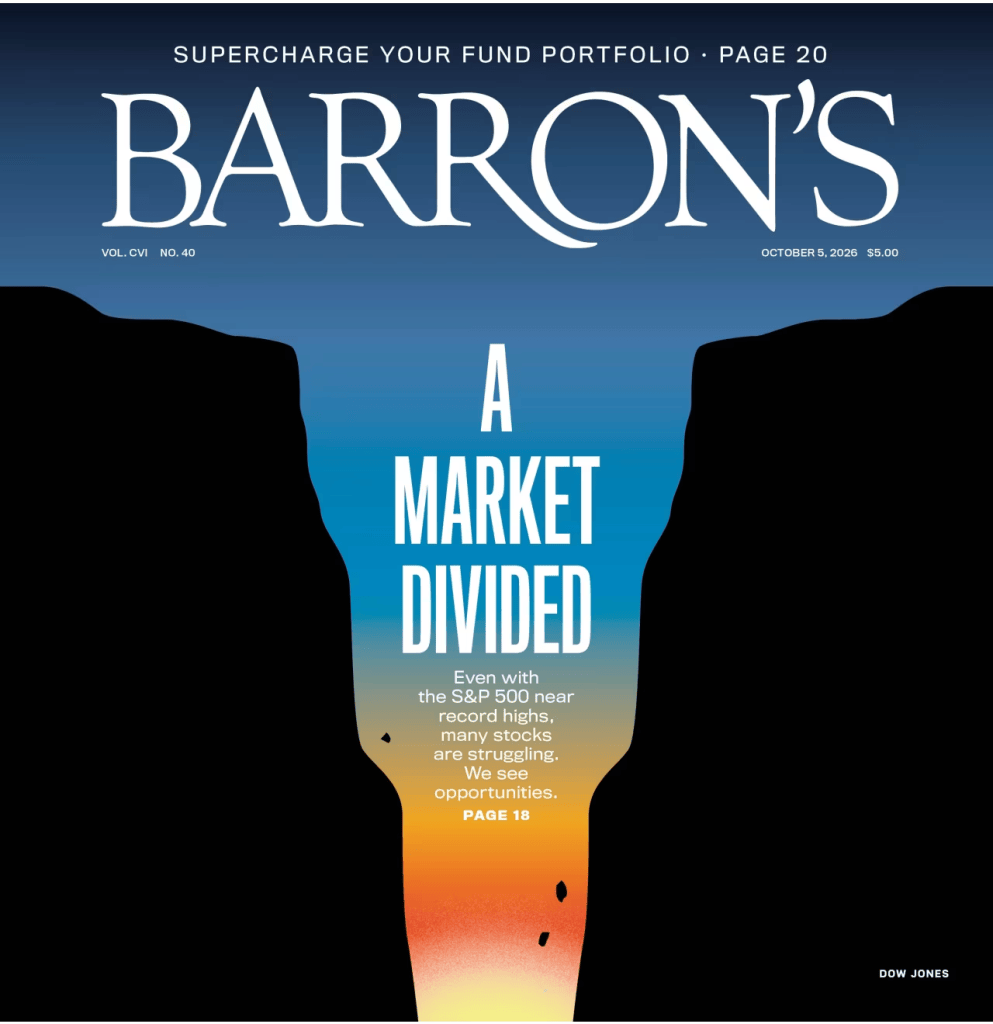
BARRON’S MAGAZINE: The latest issue features ‘A MARKET DIVIDED’ – Even with the S&P 500 near record highs, many stocks are struggling. We see opportunities.
A yawning gap has opened up inside the stock market that to some looks like an abyss. We see an opportunity.
An investor gave AI agents $500 each and provided the same daily prompt: Make as much money as you can. Stockbrokers don’t need to worry…yet.
Just a decade ago, it was nothing more than the dream of scientists in the lab. Recent advances by IBM, IonQ, Nvidia, and others illustrate the new promise of the complex technology. Investors are taking notice.
Veeva Systems stock can rally by 30% over the next year.
Get out your trust rope and harness. Investors are once again climbing the proverbial wall of worry—and earnings season could provide the piton that supports the stock market’s next move higher.
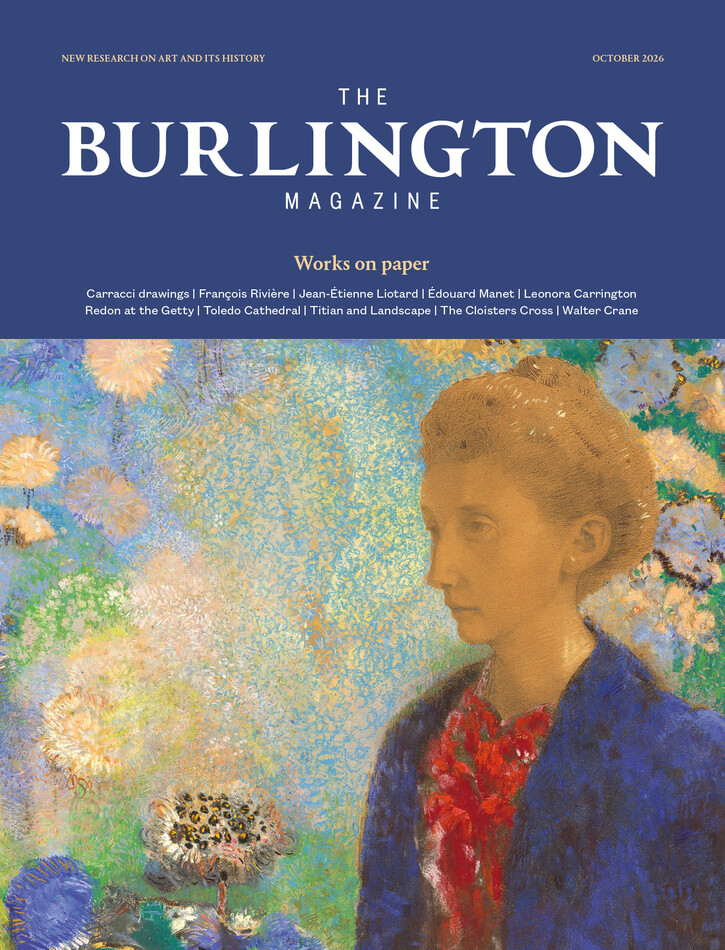
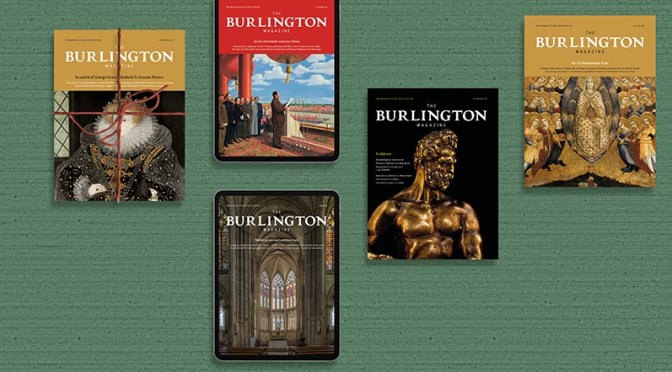
What is the largest art-history library in the world? The answer to this question depends of course on how you measure size, but an institution that might reasonably claim such a status is the RKD in The Hague. The RKD has for decades been a vast and invaluable library and archive, carefully nurtured by expert librarians and archivists (or ‘curators’ as they have long been described).
A newly identified drawing in a private collection of a crouching girl is a characteristic example of the red-chalk life studies that Édouard Manet made in the 1860s, influenced by his close study of Renaissance draughtsmanship in Florence. Although squared for transfer, the drawing has not yet been linked to any known composition by the artist.
A refined portrait by Jean-Étienne Liotard in the Musée d’art et d’histoire, Geneva, has long been identified as depicting Marie-Antoinette as a child. New research establishes, however, that it is a drawing of another member of the imperial Habsburg family and also reveals a hitherto unidentified likeness of Marie-Antoinette.
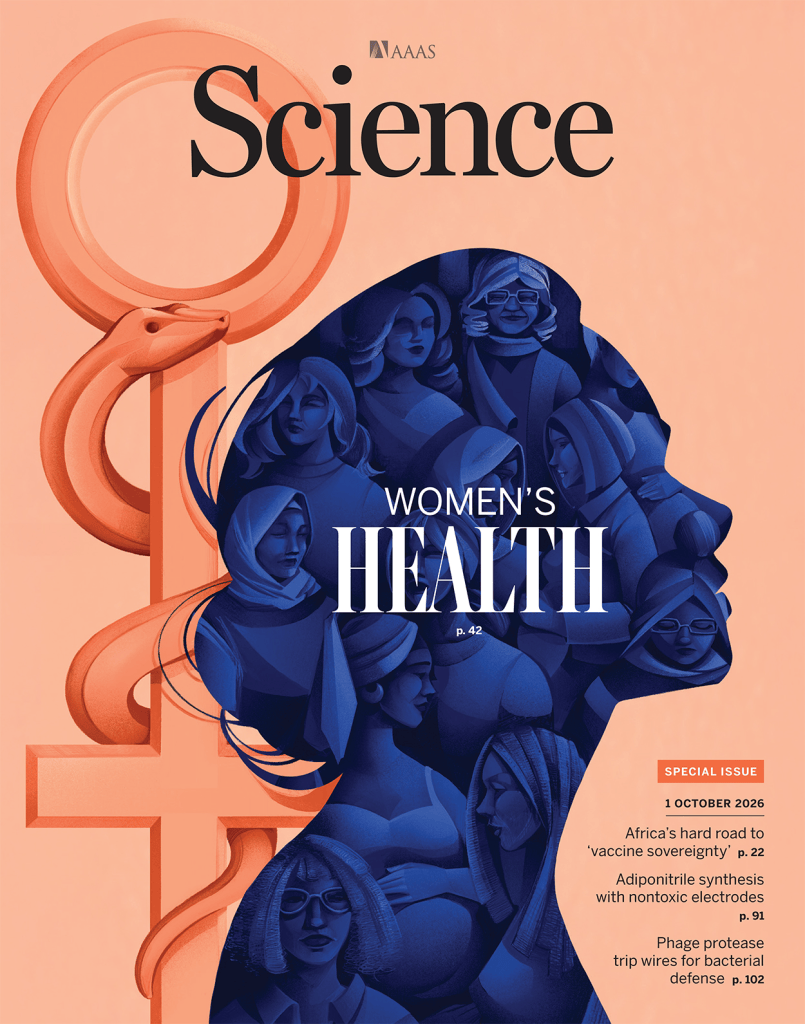
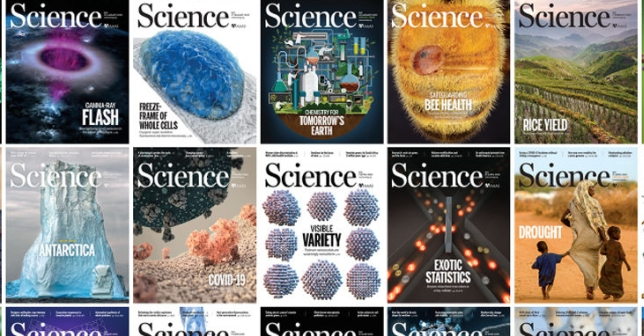
SCIENCE MAGAZINE: The latest issue features ‘WOMEN’S HEALTH’….
Historically, most human studies have involved male participants, and their findings were assumed to apply to women and children as well. Meanwhile, women’s health typically came up in the context of reproduction and childbearing, if at all. However, biomedical science has come a long way over the years, and it has become increasingly clear that there are sex-dependent differences in many diseases that do not involve reproduction and that occur at all ages. Across all areas of women’s health, including both reproductive and nonreproductive conditions, much remains to be learned about the underlying biology, effects of hormones and genetics, and potential therapeutic interventions.
Sex differences have traditionally been attributed to gonadal hormones, but accumulating evidence shows that sex chromosomes exert distinct, cell-autonomous effects on health, aging, and disease. XX and XY complements alter gene dosage, epigenetic programming, immune signaling, metabolism, and cellular stress responses, which shape aging and disease trajectories in women and men. This Review integrates mechanistic advances in sex chromosome biology—including escape from X chromosome inactivation, X reactivation, parent-of-X-origin, X-skew, X- and Y-linked gene functions, and Y loss—with aging, neurologic disease, immunity, cancer, and cardiometabolic disease. We highlight insights from mouse models, human studies, and emerging technologies that disentangle hormone-driven effects from chromosome-mediated effects and discuss translational implications for diagnostics, biomarkers, therapeutics, and clinical trial design, emphasizing the integration of sex chromosome biology into precision medicine.
Menopause is an important biological transition with up to 72 symptoms that shapes aging trajectories across organs and encompasses ~40% of the female lifespan. Although menopause awareness is increasing, research on strategies for menopause symptom management and optimizing health in the postmenopausal period is lacking. This Review highlights that menopause characteristics, such as type, timing, and symptom burden, influence health outcomes and later-life disease risk. Similarly, menopause hormone therapy comes in >200 varieties that differ by dose, formulation of estrogens and progestogens, and timing, each with their own distinct risk-benefit profiles. These distinctions are often missed in the literature but have considerable repercussions for outcomes. Optimized menopause care necessitates a precision medicine approach that considers menopause symptoms, genetics, and previous hormone exposures.
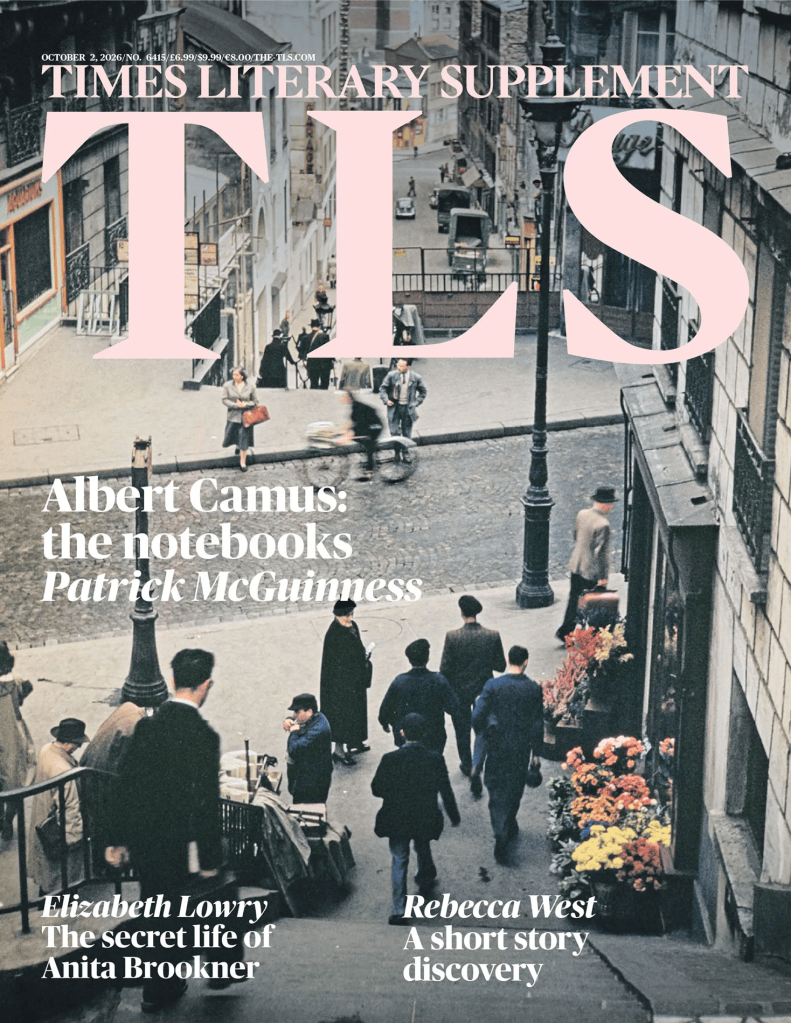
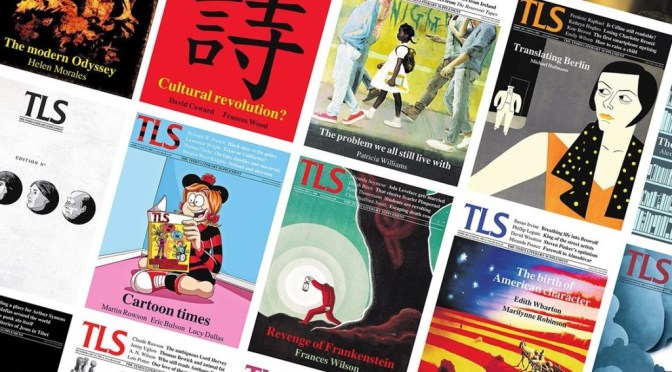
TIMES LITERARY SUPPLEMENT: The latest issue features ‘Albert Camus – The Notebooks’…
The trials of a public intellectual By Patrick McGuinness
“Sadness of success”, writes Albert Camus in a notebook entry for June 25, 1947: “If everything were more difficult for me, as before, I’d have much more right to say what I say”. The success in question was winning the Prix des Critiques for La Peste (The Plague), published a fortnight earlier. It could be worse, the reader wants to tell him by way of consolation: you could have won the Nobel. Fast-forward ten years and the entry for October 17, 1957, reads: “Nobel. Strange feeling of overwhelming weight and melancholy. At 20 years old, poor and naked, I knew true glory. My mother”.
China Miéville’s anti-colonialist vision By Anna Aslanyan
A romantic novelist who became a figure of fun By Nicola Shulman
How writing freed Anita Brookner from despair By Elizabeth Lowry

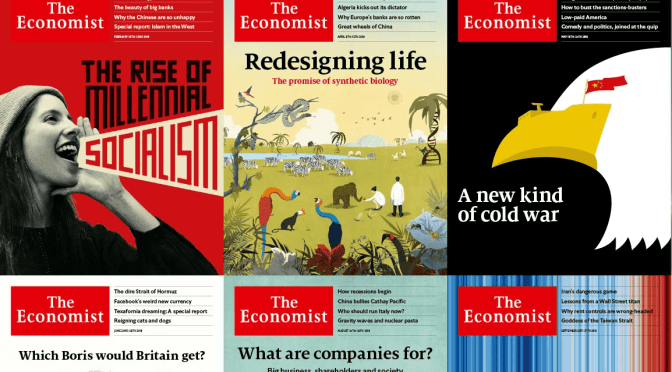
The movement is admirable, but dangerous
Governments should be preparing, but most aren’t
A summit between the two “friends” could go horribly wrong
But it must still do more to lift consumption