The NHS’s growing use of non-doctors risks creating a two-tier health service, argues Jatinder Hayre
After Aneurin Bevan created the National Health Service in 1948, the principle of universality became firmly embedded in the popular consciousness: illness would no longer divide the British people according to wealth, and the quality of care received in sickness would not depend upon the depth of one’s pockets. Bevan articulated another principle which receives rather less attention today: that the state might finance medicine, but it should not command medical judgement. Doctors needed sufficient professional independence to practise according to the needs of their patients rather than the administrative or financial convenience of the state. Both principles are now being tested – and in some cases, rewritten.
Across the NHS, work historically undertaken by doctors has increasingly been transferred to physician associates (PAs), advanced clinical practitioners (ACPs) and an expanding constellation of other roles. I use “Noctor” as an umbrella term for the phenomenon whereby non-doctors cease to complement doctors and begin to serve as a substitute for them.
The language surrounding this transformation is revealingly anaesthetic: “skill mix”, “workforce transformation”, “new models of care”. These phrases make a profound political choice sound like an administrative rearrangement. Beneath them sits a simple idea: medicine can be dismantled into tasks, those tasks redistributed amongst more rapidly trained practitioners, and the whole reconstructed without meaningful loss.
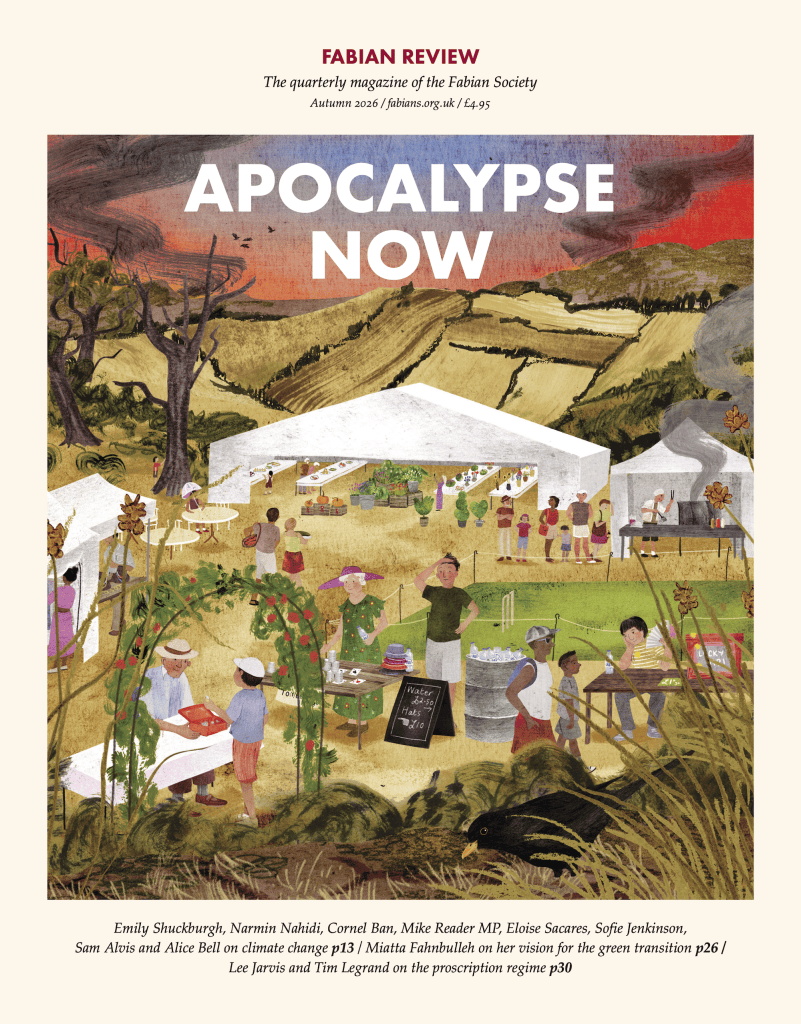
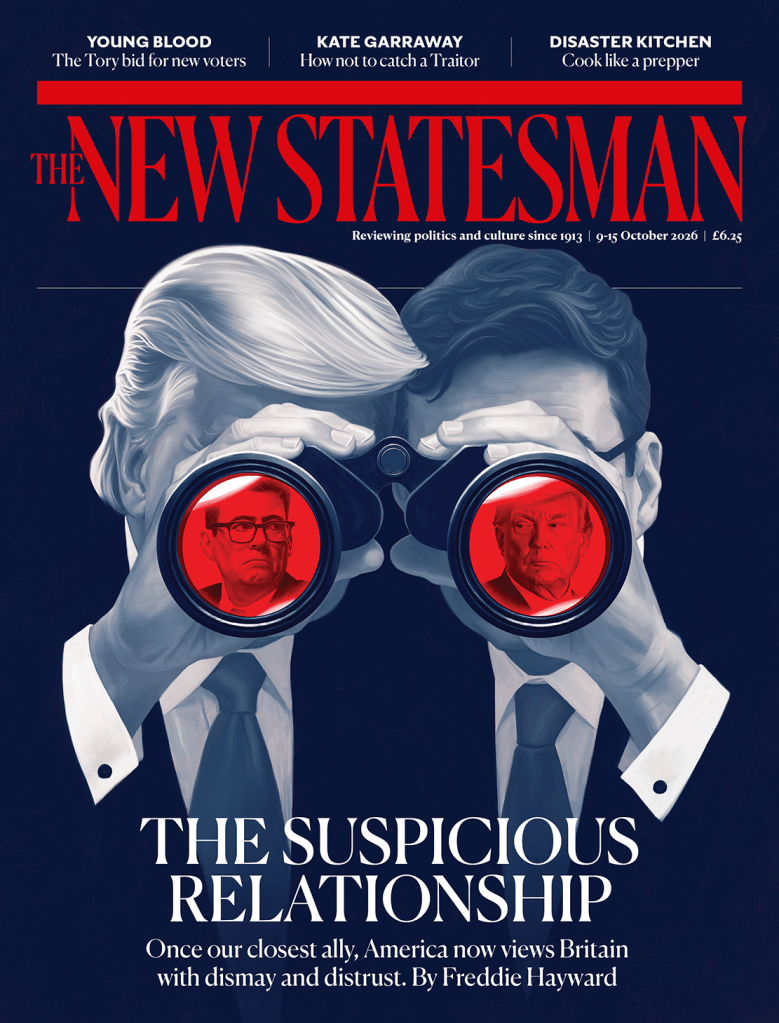
Miatta Fahnbulleh is right about everything. Will it matter? She talks to Iggy Wood about her plan for a green transition that benefits all
In the not-so-distant past, consensus around the need to tackle climate change at least superficially encompassed the entirety of British society. It was the historic party of capital – the Conservatives – who enshrined net zero in law, eliminated coal from Britain’s energy mix, and committed to ending the sale of petrol and diesel cars. Some of the most important progress was made under Boris Johnson, who, while not on the right of the party per se, was a Brexit-supporting populist.
Unglamorous electricity grid reforms could be the key to winning on the doorstep
Even Andy Burnham was surprised to get a standing ovation for taking VAT off electricity bills. His plans to address the plight of the industrialist seeking a grid connection did not meet with the same enthusiasm during his first Labour conference speech as prime minister. Yet faster grid access matters far more for bringing down Britain’s high energy costs.
On 29th September, the government announced GB Grid, a new entity under the government’s publicly-owned energy company, GB Energy. Seeded with £4bn of reallocated funding, GB Grid will be able to finance and build grid infrastructure and plans to compete with incumbent providers. Alongside GB Grid, the government announced it would expand self-build connections and accelerate competitive tendering for transmission projects, effectively increasing competitive pressure on networks. This is a refreshing approach to bringing down energy costs, combining a bold public ownership experiment with unglamorous but necessary competition reforms.
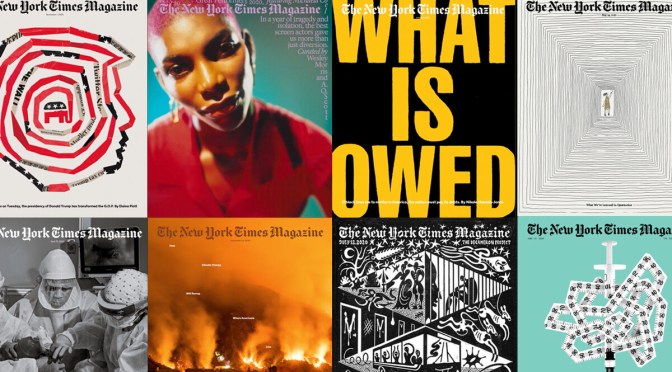
THE NEW YORK TIMES MAGAZINE: The 10.11.26 Issue features Daniel Kolitz on the rise of microdramas; Janet Reitman on a group of Texans accused of being Antifa terrorists; Marcela Valdes on the author Min Jin Lee; and more.
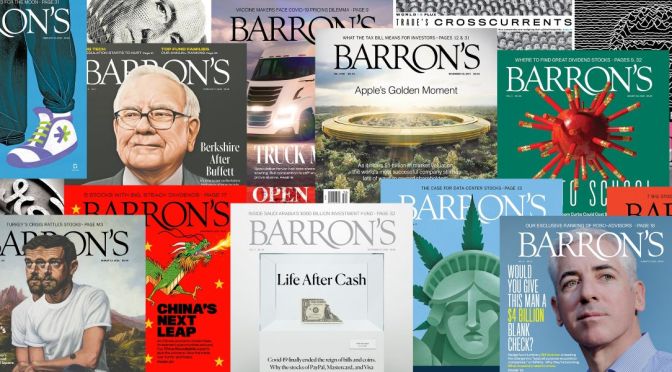
BARRON’S MAGAZINE: The latest issue features ‘THE NEXT REVOLUTION IN TRADING’ – Wall Street is “tokenizing” stocks and moving them onto the blockchain. What it means for investors.
Tokenization of financial assets could be the biggest revolution on Wall Street since the move from paper to electronic trading. Don’t think Bitcoin. Think blockchain.
This year, Barron’s has published a series of articles linking the birth and growth of America with the rise of financial markets. Today, lessons from the bond market’s 200-plus years.
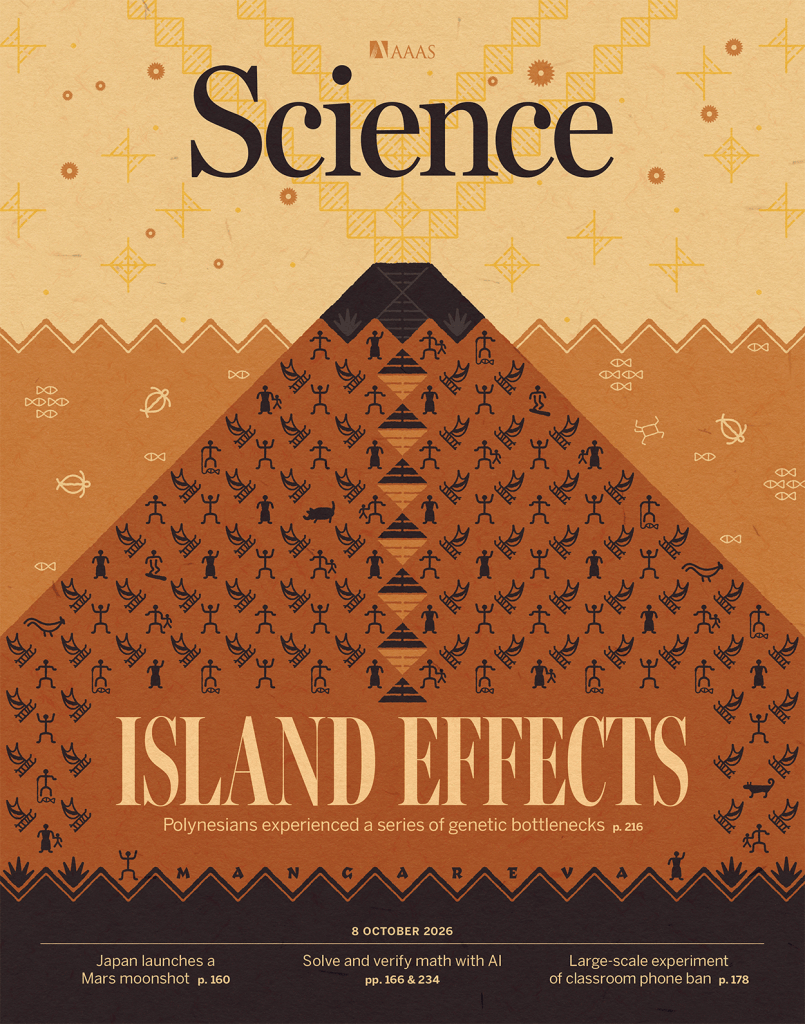
Shifts in blood proteins could point to ways to fight menopause “brain fog” and prevent later dementia
Women are more likely than men to develop dementia, and not just because they tend to live longer. One reason may be menopause, the time in midlife when sex hormones drop and menstruation stops—and which some researchers are coming to see as a stress test for the brain.
Menopause “affects brain health, for sure,” says neurologist Riley Bove of the University of California (UC) San Francisco, who studies its impacts on multiple sclerosis and other neurological disorders. She and others want to protect the brain during and after this transition—but that means identifying just how menopause puts the brain at risk.
A study published last week in Nature Medicinehas found clues in the blood of women in their 40s and 50s: proteins related to brain function, inflammation, and neurodegenerative disease that are elevated during menopause. Other ongoing studies are following groups of women over time—including during the lesser studied perimenopausal stage, from just before menstruation ends to 1 year after—to reveal processes leading to short- and long-term cognitive problems.
With fewer than 30 days until the US midterm elections, Donald Trump seems determined to still be centre stage despite poll fears that after 3 November he may end up a lame-duck president as a Democratic blue wave sweeps the country. Our Washington bureau chief, David Smith, has been watching how the president is playing to Republican voters at the start of a blitz of cross-country rallies. It’s, at best, a mixed picture.
As David reports, Trump’s self-belief and message to voters to “pretend” his name is on the ballot reveal a man out of touch with ordinary Americans’ worries about the cost of living and whose promises that the war with Iran will soon be over ring ever more hollow. And then there are the candidates, more of whom are shying away from their earlier allegiances to a president whose approval ratings continue to slide.
Spotlight| An education crisis in France As school and university protests intensify, Paris correspondent Angelique Chrisafis finds out why students feel the government is ignoring their complaints about the state of education
Spotlight| Greendivision and diversion Peter Walker reports on the English and Welsh Green party’s annual conference in which a motion equating Zionism with racism was passed, and analyses how this reveals weaknesses in the way the party is run
Feature| The big business of porn Why not analyse the porn industry just like any journalist would the oil business? That was the premise behind Patricia Nilsson’s new book. An approach that, as Amelia Gentleman finds out, yields new insights into how pornography’s imperatives have seeped into all our online lives
Opinion| Putin won’t bomb Ukraine into submission Kyiv may now be under almost constant attack but, says Rajan Menon, history shows that bombing doesn’t crush morale
Culture| There’s beauty in bits and pieces A novel exhibition in Florence puts broken sculptures on display and, as Philip Oltermann discovers, reveals their profound allure
News, Views and Reviews For The Intellectually Curious