
‘
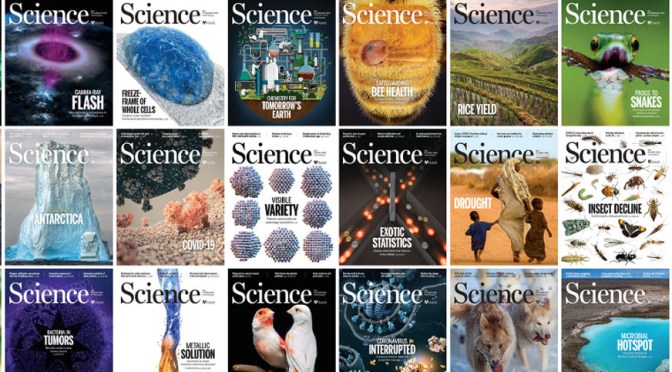
Micrometer-sized robotic chameleons
A multifunctional metamaterial can change shape and steer light simultaneously
Contemporary hominin locomotor diversity
Footprints in Kenya show that hominin bipedalism had a complex evolutionary history

‘
A multifunctional metamaterial can change shape and steer light simultaneously
Footprints in Kenya show that hominin bipedalism had a complex evolutionary history
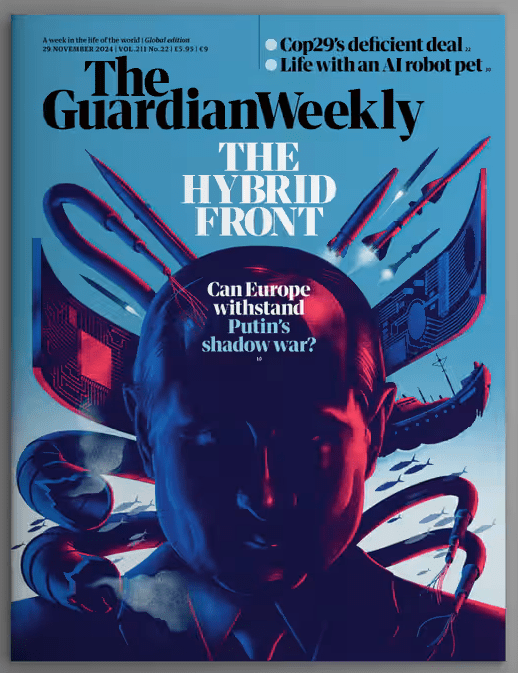
The Guardian Weekly (November 28, 2024): The new issue features last week’s escalation of Nato ballistic missile activity, in which UK and US-made missiles were launched into Russia for the first time, brought a predictably cold response from Vladimir Putin – who loosened Moscow’s nuclear doctrines and promised more attacks with a new, experimental ballistic missile.
1
Spotlight | Does lame duck Biden have time to Trump-proof democracy?
The outgoing US president may only have weeks left in the White House, but activists say he can secure civil liberties, accelerate spending on climate and healthcare, and spare death row prisoners. David Smith reports
2
Science | My weird, emotional week with an AI pet
Casio says Moflin can develop its own personality and build a rapport with its owner – and it doesn’t need food, exercise or a litter tray. But is it essentially comforting or alienating? Justin McCurry finds out
3
Feature | Are we right to strive to save the world’s tiniest babies?
Doctors are pushing the limits of science and human biology to save more extremely premature babies than ever before. But when so few survive, are we putting them through needless suffering? By Sophie McBain
4
Opinion | A social media ban is in everyone’s interests – not just kids under 16
Van Badham on why she resents being excluded from protection against monetised fear, anger and toxicity
5
Culture | A road trip like no other: an epic drive on the Autobahn
Fifty years after electronic pioneers Kraftwerk released a 23-minute song about a road – and changed pop music for ever – Tim Jonze hits the highways of Düsseldorf and Hamburg in search of its futuristic brilliance
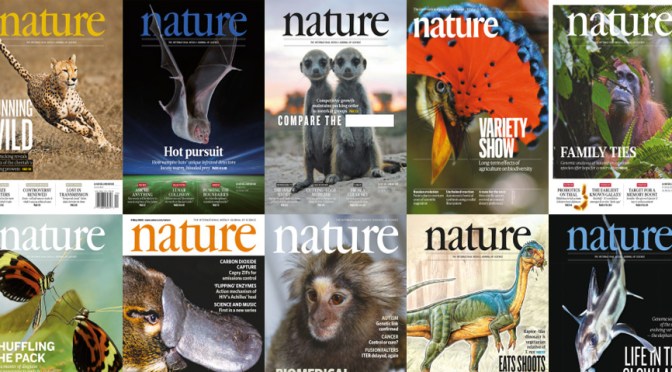
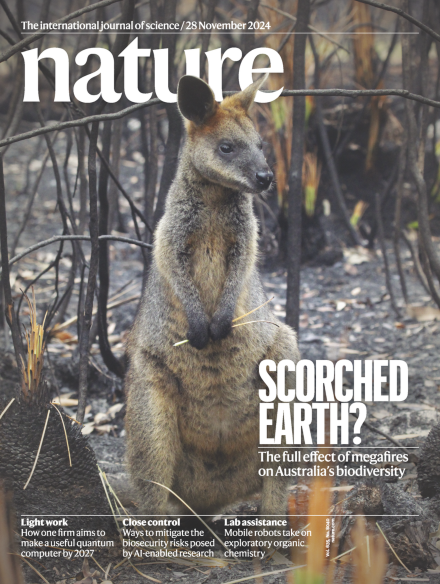
Stimulating certain brain cells in mice seems to ease anxiety without causing hallucination-like effects.
A pall of smoke from burning cropland each year decreases rainfall in the annual monsoon.
Understanding how human neurons cope with the energy demands of a large, active brain could open up new avenues for treating neurological disorders.
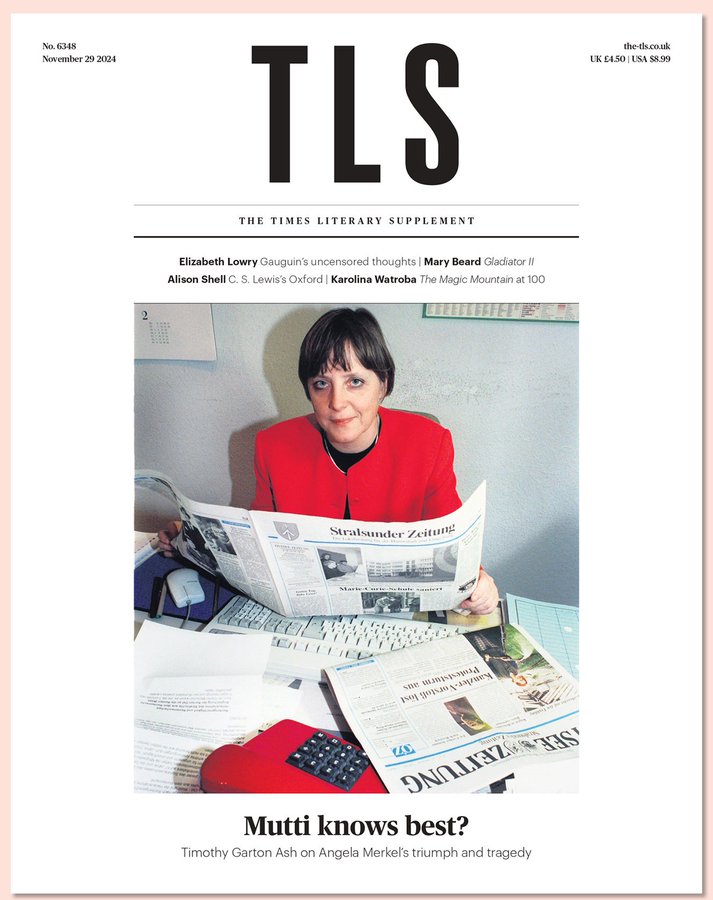
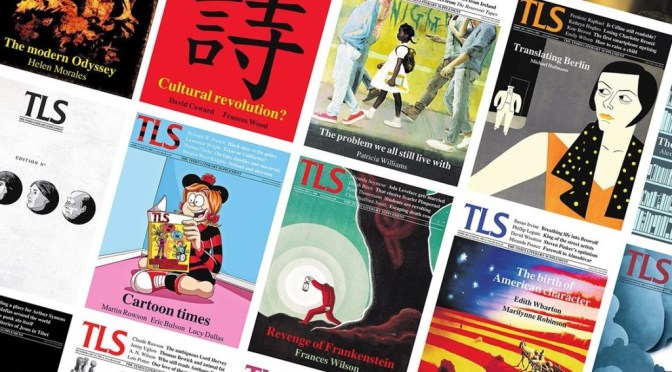
Times Literary Supplement (November 27, 2024): The latest issue features ‘Mutti Knows Best?’ – Angela Merkel’s triumph and tragedy; Gaughin’s uncensored thoughts; Gladiator II; C.S. Lewis’s Oxford and “The Magic Mountain” at 100…


Country Life Magazine (November 26, 2024): The latest issue features ‘Advent Calendar Special’…
Carla Passino is captivated by floral photographs that evoke 17th-century still-life paintings
She may be tiny, but Jenny wren certainly makes her presence felt, declares Mark Cocker
There’s more to myrrh than meets the eye, says Deborah Nicholls-Lee
Lucien de Guise is bowled over by the intoxicating concoctions mixed by Dickens and George IV
Neil Buttery tucks into the tale of the Yorkshire Christmas Pye
Pick out those perfect presents with a helping hand from Hetty Lintell and Amie Elizabeth White

The Royal Ballet dancer selects an inspiring, transformative work
The author’s Wessex is brought to life in Jeremy Musson’s words and Matthew Rice’s drawings
Deborah Nicholls-Lee is fascinated by fractals, the exquisite, ever-repeating patterns in Nature
John Lewis-Stempel urges us to rediscover our love of heathland, now a rarer habitat than rainforest
Andrew Green rounds up the animals in Dickens’s life and work
Jack Watkins explores the folklore and function of the lychgate
Our guide to entertaining in style
From flying a Spitfire to sushi-making, the COUNTRY LIFE team puts gift experiences to the test
Kate Green reveals how Sir David Willcocks changed the sound of Christmas with Carols for Choirs
Hetty Lintell on saunas, socks, silk bows and precious stones
Neil Buttery sorts the pudding prick from the tongue press
Rob Crossan talks Tupperware
Melanie Johnson on cabbage
A black fox illuminates a dreary dawn for John Lewis-Stempel
Victoria Marston looks back at classic film posters
Matthew Dennison explores the tin-novations that made Huntley & Palmers a household name
Sarah Sands shares how choral singing shaped the life of her late brother Kit Hesketh-Harvey
Ian Morton investigates the real meanings of our nursery rhymes
Harry Pearson finds out why this is the year of the Northern Lights


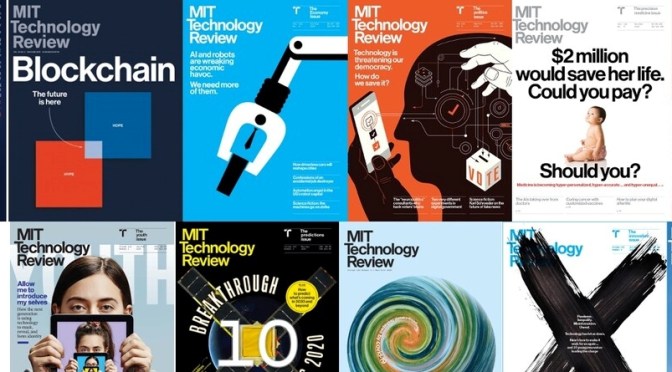
Kennedy has many bad ideas. Yet the irony of our political moment is that his more reasonable positions are the ones that could sink his candidacy. By Dhruv Khullar
“The Golden Girls” reframed senior life as being about socializing and sex. But did the cultural narrative of advanced age as continued youth twist the dial too far? By Daniel Immerwahr
Air Company, a startup that has used water and carbon dioxide to make vodka and to power automobiles, taste-tests its product and discusses getting Elon Musk’s business. By Adam Iscoe


 Inside Clear’s ambitions to manage your identity beyond the airport The company that has helped millions of people cut security lines wants to give you a frictionless future—in exchange for your face. Read more →  Google DeepMind has a new way to look inside an AI’s “mind” Autoencoders are letting us peer into the black box of artificial intelligence. They could help us create AI that is better understood, and more easily controlled. Read more →  How this grassroots effort could make AI voices more diverse A massive volunteer-led effort to collect training data in more languages, from people of more ages and genders, could help make the next generation of voice AI more inclusive and less exploitative. Read more →  Who’s to blame for climate change? It’s surprisingly complicated.The world’s biggest polluters, by the numbers. Read more →  The rise of Bluesky, and the splintering of social You may have read that it was a big week for Bluesky. If you’re not familiar, Bluesky is, essentially, a Twitter clone that publishes short-form status updates. Read more → |

‘
Robert F. Kennedy Jr. has vowed to scrutinize proven vaccines and slash staff at research and regulatory agencies
$1 billion SinoProbe II will map the depths with drill rigs and instrument arrays


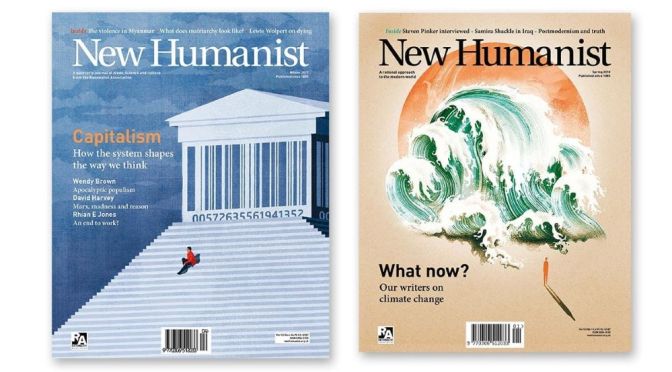
NEW HUMANIST MAGAZINE – WINTER 2024/2025 ISSUE: The new issue features ‘Our Cyborg Future?’
Neurobiologist and journalist Moheb Costandi explores the rapidly-developing world of brain-computer interfaces. For some people, these devices are already transforming lives – but the technology is quickly overtaking the ethics.
Peter Ward unpicks the dark philosophy of the tech billionaires and how it is infiltrating some of our most powerful organisations.
A recent film, The Substance, explored the growing pressure on all of us – particularly women – to modify our bodies, not only through make-up and cosmetic procedures but also through digital filters. Clare Chambers, professor of political philosophy at the University of Cambridge, talks to us about the power of resistance and allowing our bodies to be “good enough”.
Peter Salmon recounts the bizarre history of blood transfusion – and why the super-rich remain fascinated by its possibilities.

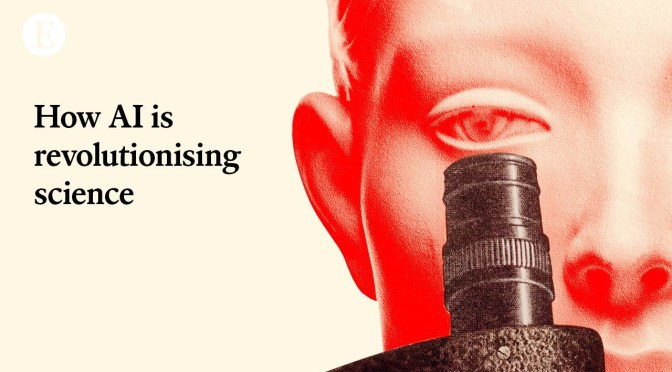
The Economist (November 21, 2024): AI is driving a transformation across all fields of science, from developing drugs for incurable diseases and improving the understanding of animal communication to self-driving labs.
Video timeline: 00:00 – How AI is revolutionising science 02:53 – Drug discovery 04:31 – AlphaFold 05:30 – Adoption of AI in science 07:08 – Animal communication 09:26 – Scientific fraud 11:03 – Self-driving labs 14:36 – Future of AI in science
Could this prompt a new golden age of discovery? Video supported by @mishcon_de_reya