
Tag Archives: Novels

THE SECOND AUTHOR

Intellicurean Essays on Intellicurious

The first modern novel announces, a few dozen pages in, that it was not written by the man whose name is on it. Cervantes gave it a second author, a translator paid in raisins, and a source he told his readers not to trust. The pen has arrived in fact, and it writes in every language at once.
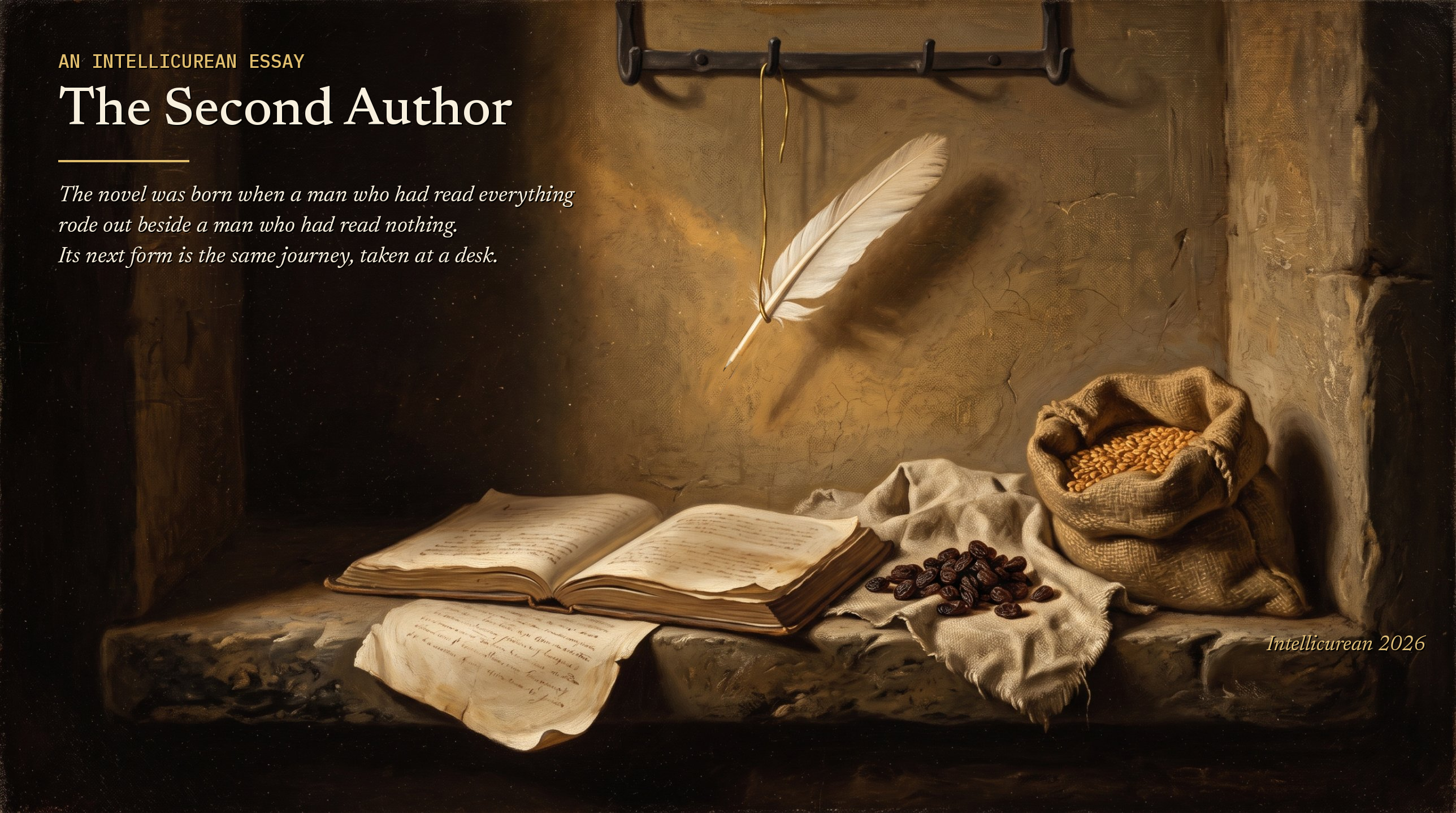
The Second Author — a goose quill hangs from an iron rack above an open manuscript, a cloth of raisins and a sack of wheat on a stone ledge in warm Toledo light
The pen on the rack, the manuscript, and the translator’s fee, made for the essay.

Why we’re pointing you there

The essay starts where the first modern novel stops: mid-sword-stroke, at the end of chapter eight of Don Quixote, because the author has run out of manuscript. In the next chapter the narrator buys the rest from a boy in the Toledo market, hires a Morisco to translate it for two arrobas of raisins and two bushels of wheat, and calls himself the book’s “second author.” Michael Cummins takes that machinery as the form’s founding fact. The novel was always written by more than one hand, about a man made of books riding beside a man who had read nothing, and working with a generative model is that same meeting, now happening at the desk. The model is Quixote. The novelist is Sancho.

The objections are given at full strength: the novel’s need for solitude, the measured sameness of AI-assisted writing, the pirated library behind the machines (the essay names its own conflict here: it was drafted with Claude, whose maker was the defendant), and a law that requires a human author. Each is answered, and one is conceded as unsolved. Then the essay goes to Cervantes’s last page, where the historian hangs up his pen and lets the pen claim the book, and finds the line the form has always drawn: not between human writing and machine writing, but between a text someone answers for and a text no one does. The question left open is who takes the pen down.
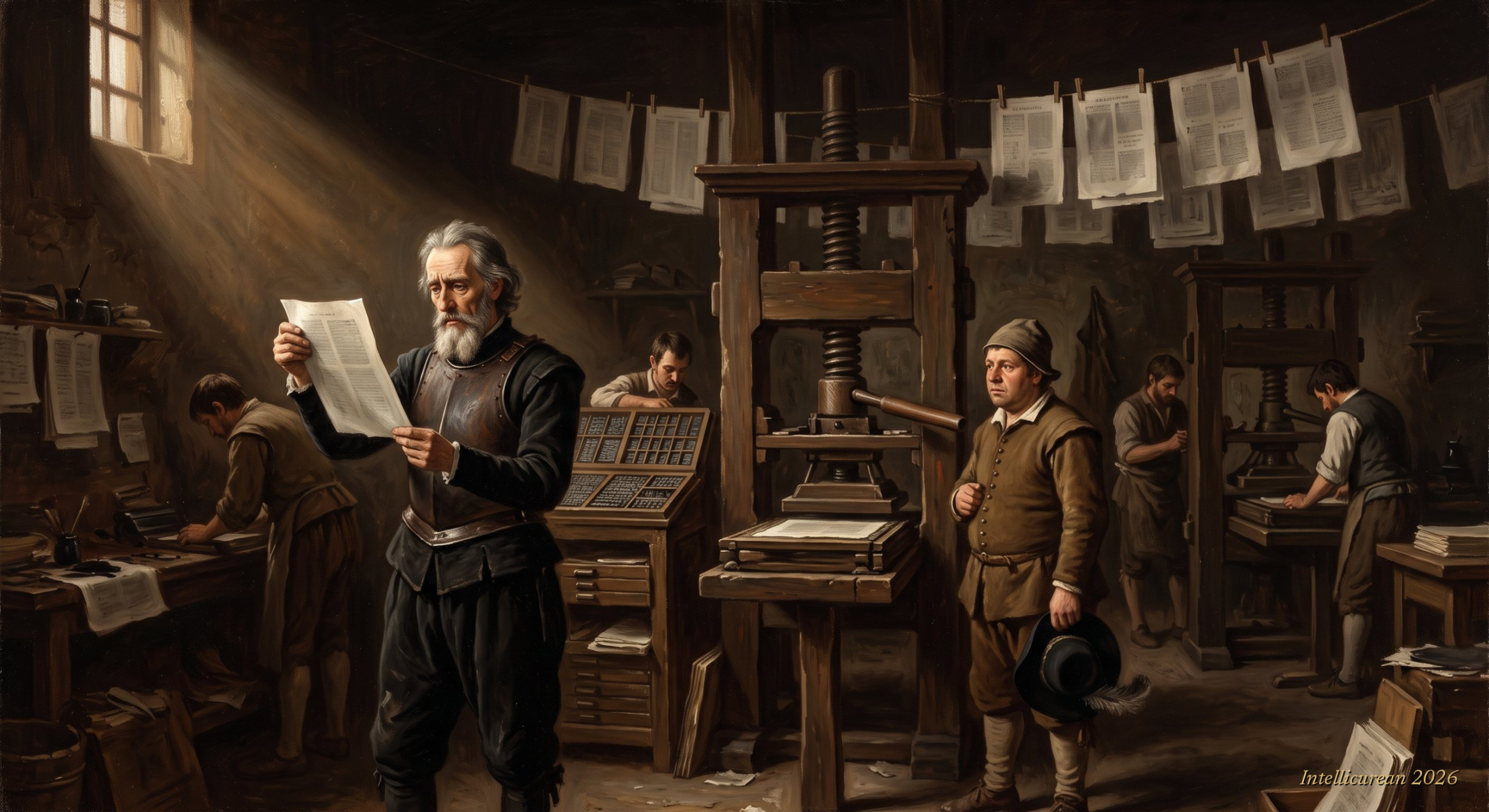
A gaunt gentleman in a rusted breastplate reads a freshly printed sheet in a seventeenth-century printing house while a stout countryman holding his hat looks on
A knight reads the machine’s account of himself, made for the essay.

The Second Author continues on Wednesdays: on the library’s debt, on interiority with two voices in the room, on sameness, on what prizes and detectors can know, on novels about their own making, and on how a reader can tell where the choosing was done.

Read the full essay at Intellicurean →

Essays & Reviews for the Intellectually Curious
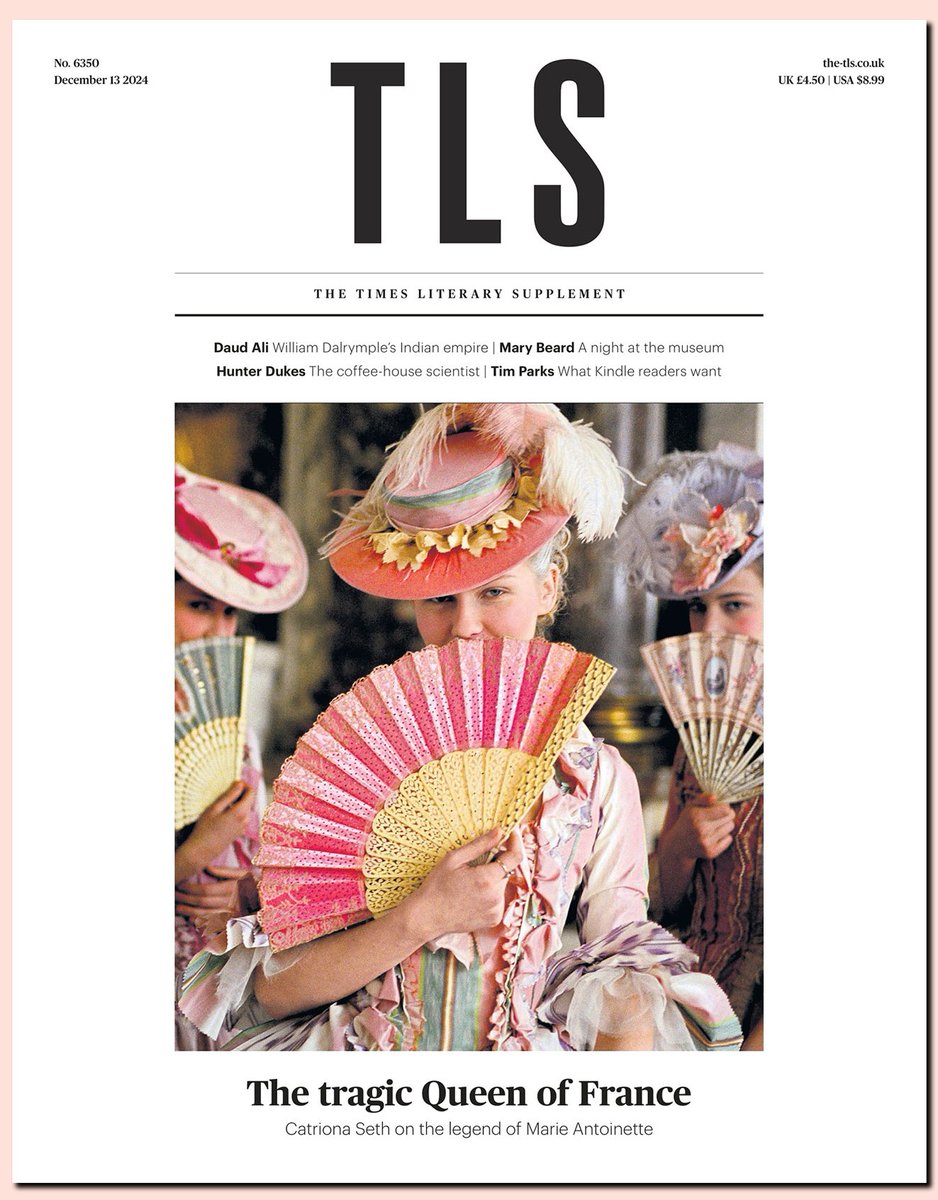
Arts/Books: Times Literary Supplement – Dec. 13, 2024

Image

Times Literary Supplement (December 11, 2024): The latest issue features ‘The tragic Queen of France’ – The legend of Marie Antoinette; William Dalrymple’s Indian empire; Mary Beard – A night at the museum; The coffee house scientist; What Kindle readers want…

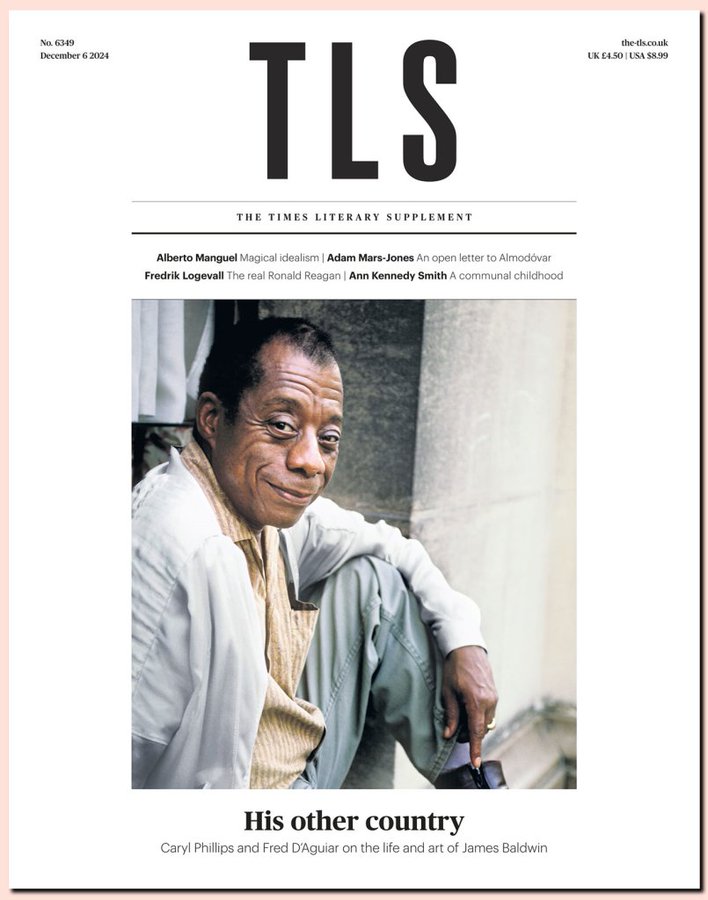
Arts/Books: Times Literary Supplement – Dec. 6, 2024

Image

Times Literary Supplement (December 4, 2024): The latest issue features ‘HIs Other Country’ – The James Baldwin revival continues in the 100th anniversary year of his birth. A trickle of biographies has become a flood, and the causes for which he stood, racial equality and gay rights, speak to the times.

Knowing his name – Celebrating the centenary of James Baldwin’s birth

By Fred D’Aguiar

Bring back the big fish

Mississippi River levee, 1940

Record-label scouts chase ‘strange compositions’

By Harry Strawson

No sacred cows

Obelisco de Buenos Aires, Plaza de la República, 1997

A video game challenges the history of Argentina

By Mia Levitin

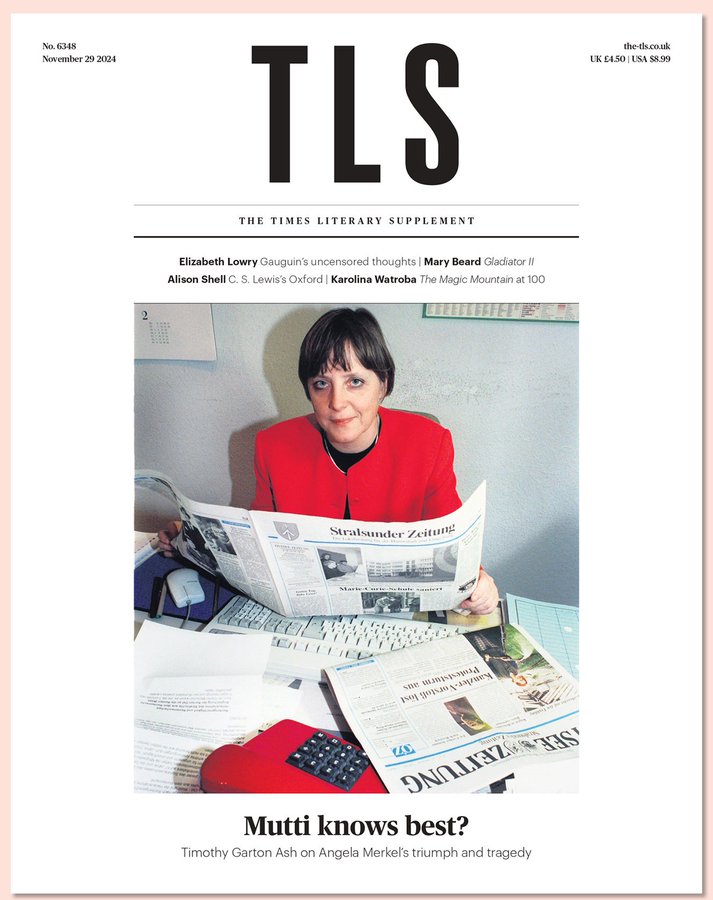
Arts/Books: Times Literary Supplement – Nov. 29, 2024

Image

Times Literary Supplement (November 27, 2024): The latest issue features ‘Mutti Knows Best?’ – Angela Merkel’s triumph and tragedy; Gaughin’s uncensored thoughts; Gladiator II; C.S. Lewis’s Oxford and “The Magic Mountain” at 100…

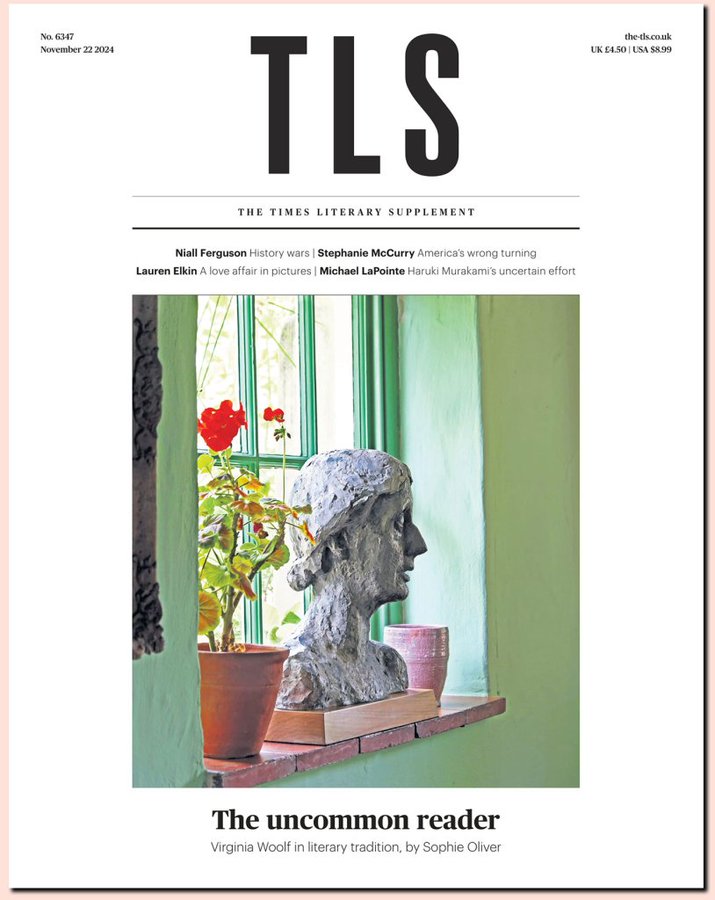
Arts/Books: Times Literary Supplement – Nov. 22, 2024

Image

Times Literary Supplement (November 20, 2024): The latest issue features ‘The Uncommon Reader’ – Virginia Woolf in literary tradition..

What we want from her books

Virginia Woolf as reader, writer and literary inspiration By Sophie Oliver

A star is torn

The unravelling of Vivien Leigh’s marriage amid her mental health breakdown By Vanessa Curtis

Ignorant armies

History as an ideological battleground By Niall Ferguson

Bergson’s boom and bust

How the world’s most famous thinker fell out of fashion By Mark Sinclair

Arts/Books: Times Literary Supplement – Nov. 15, 2024

Image

Times Literary Supplement (November 13, 2024): The latest issue features ‘Books of the Year’ – TLS writers choose their favourites…

Strings of her heart

A cellist is haunted by the history of her instrument By Norma Clarke

Neighbourhood watch

Frank Auerbach and his visions of north London By Rod Mengham

Who is the real puppet?

A spectacular production of Offenbach’s opéra fantastique By Paul Griffiths

Arts/Books: Times Literary Supplement – Nov. 1, 2024

Times Literary Supplement (October 30, 2024): The latest issue features ‘Scare Stories’ – On modern horror. Asked why he liked horror films, or terror films as he preferred to call them, Kingsley Amis wrote: “like Mark Twain on a dissimilar occasion, I have an answer to that: I don’t know”. He viewed horror as purely “harmless” entertainment. That explanation might satisfy teenage addicts, but moralists, psychologists and literary critics are inclined to examine the bloody entrails of the genre to divine deeper truths.

Dynamic, not doomed

Taking the British Revolution out of the Restoration’s shadow By Jonathan Fitzgibbons

Fiction for geeks and freaks

The decades before horror became respectable By Mark Storey

Married to amazement

How Mary Oliver ‘encourages us to believe’ By Rory Waterman

Green terror

An Australian vision of the eco-apocalypse By Tom Seymour Evans

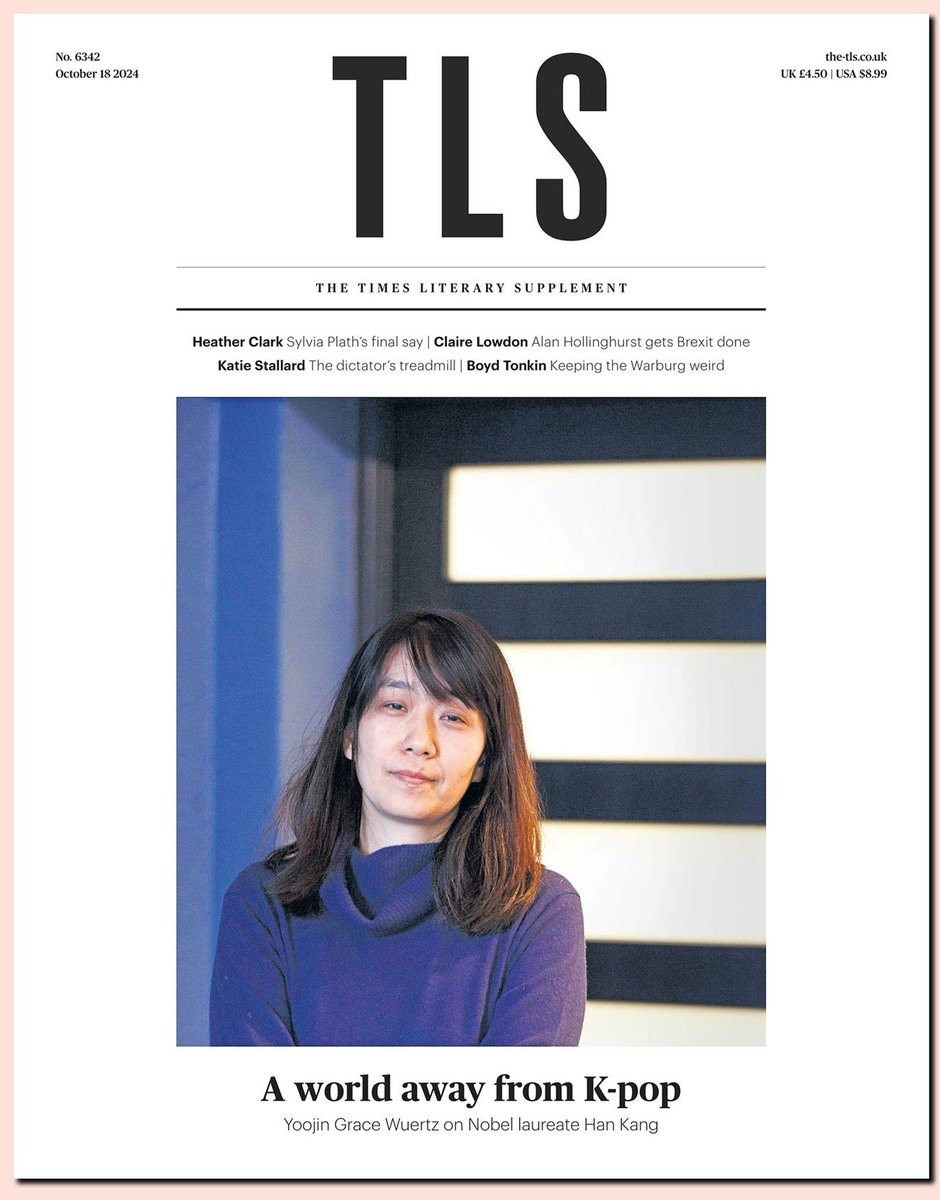
Arts/Books: Times Literary Supplement – Oct. 18, 2024

Image

Times Literary Supplement (October 16, 2024): The latest issue features ‘A world away from K-pop -The Nobel laureate Han Kang, Sylvia Plath’s final say; Alan Hollinghurst gets Brexit done; The dictotor’s treadmill; Keeping the Warburg weird…

Arts/Books: Times Literary Supplement – Oct. 11, 2024

Image

Times Literary Supplement (October 9, 2024): The latest issue features ‘This English House’ – W.H. Auden’s changing view of home by Seamus Perry…

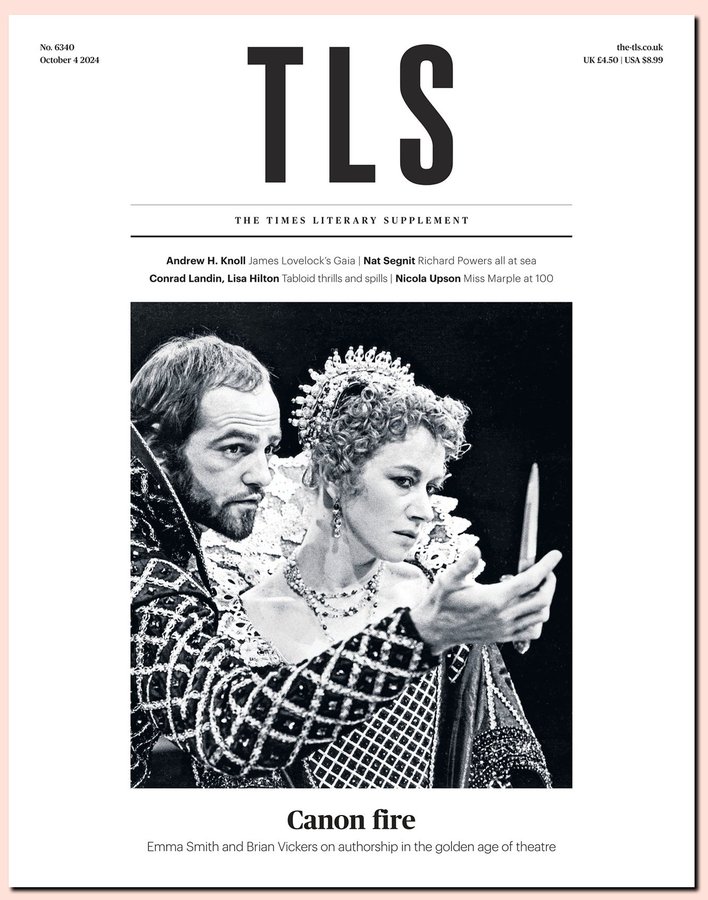
Arts/Books: Times Literary Supplement – Oct. 4, 2024

Image

Times Literary Supplement (October 2, 2024): The latest issue features ‘Canon Fire’ – Emma Smith and Brian Vickers on authorship in the golden age of theatre…