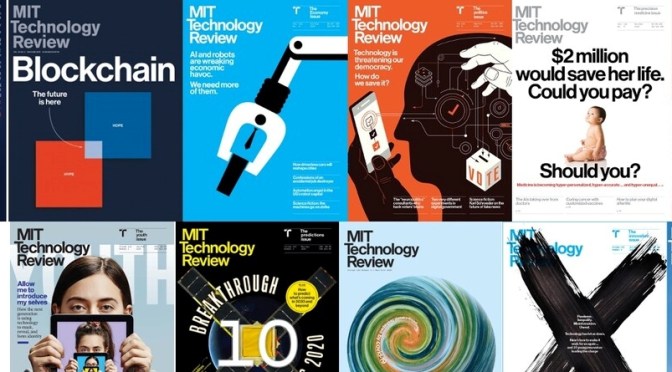
MIT Technology Review (October 23, 2024):The Food issue November/December 2024 – Is technology helping—or harming—our food supply? Featuring: The ominous rise of superweeds, the quest to grow food on Mars, and the surprising ways your refrigerator may be making your food less nutritious. Plus robots that do experiments, jumping spiders, digital forestry, and The AI Hype Index.
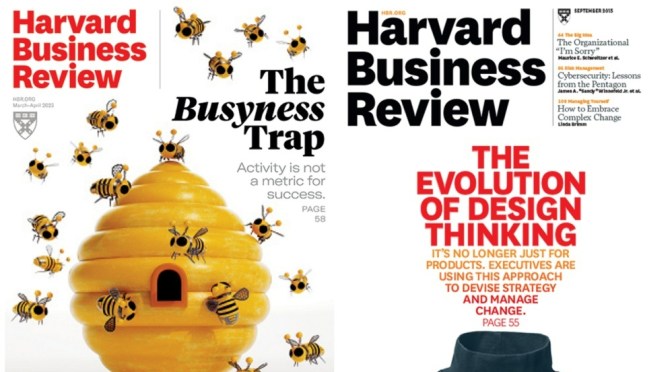
The so-called war for talent is still raging. But in that fight, employers continue to rely on the same hiring and retention strategies they’ve been using for decades. Why? Because they’ve been so focused on challenges such as poaching by industry rivals, competing in tight labor markets, and responding to relentless cost-cutting pressures that they haven’t addressed a more fundamental problem: the widespread failure to provide sustainable work experiences. To stick around and give their best, people need meaningful work, managers and colleagues who value and trust them, and opportunities to advance in their careers, the authors say. By supporting employees in their individual quests for progress while also meeting the organization’s needs, managers can create employee experiences that are mutually beneficial and sustaining.
The five dimensions to consider—and how AI can help
Summary.
More than 80% of respondents in a BCG survey of 5,000 global consumers say they want and expect personalized experiences. But two-thirds have experienced personalization that is inappropriate, inaccurate, or invasive. That’s because most companies lack a clear guidepost for what great personalization should look like.
Authors Mark Abraham and David C. Edelman remedy that in this article, which is adapted from Personalized: Customer Strategy in the Age of AI (Harvard Business Review Press, 2024). Drawing on decades of work consulting on the personalization efforts of hundreds of large companies, they have built the defining metric to quantify personalization maturity: the Personalization Index. It is a single score from 0 to 100 that measures how well companies deliver on the five promises they implicitly make to customers when they personalize an interaction.
The authors argue that personalization will be the most exciting and most profitable outcome of the emerging AI boom. They describe how companies can use AI to create and continually refine personalized experiences at scale—empowering customers to get what they want faster, cheaper, or more easily. And they show readers how to assess their own business’s index score.
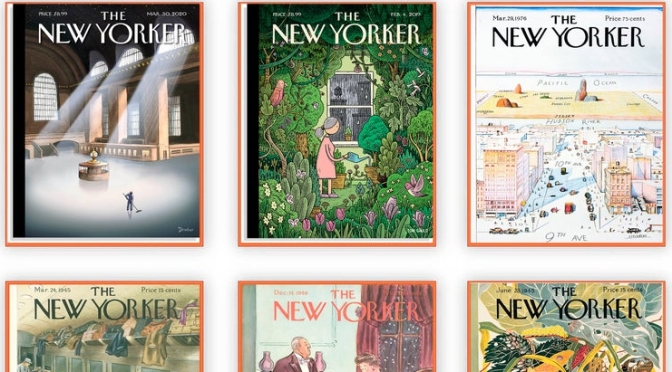
A.K.A., the oldest Black sorority, expects excellence and complete discretion. How are members responding to their most famous sister’s Presidential campaign? By Jazmine Hughes
A group of intelligence officials confers about when to alert the public to foreign meddling. By David D. Kirkpatrick
How Republican Billionaires Learned to Love Trump Again
The former President has been fighting to win back his wealthiest donors, while actively courting new ones—what do they expect to get in return? By Susan B. Glasser
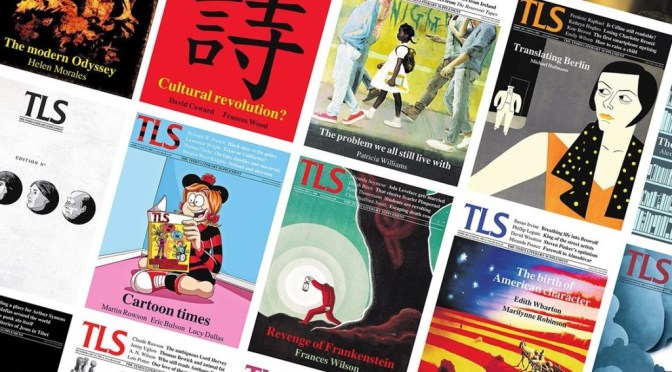
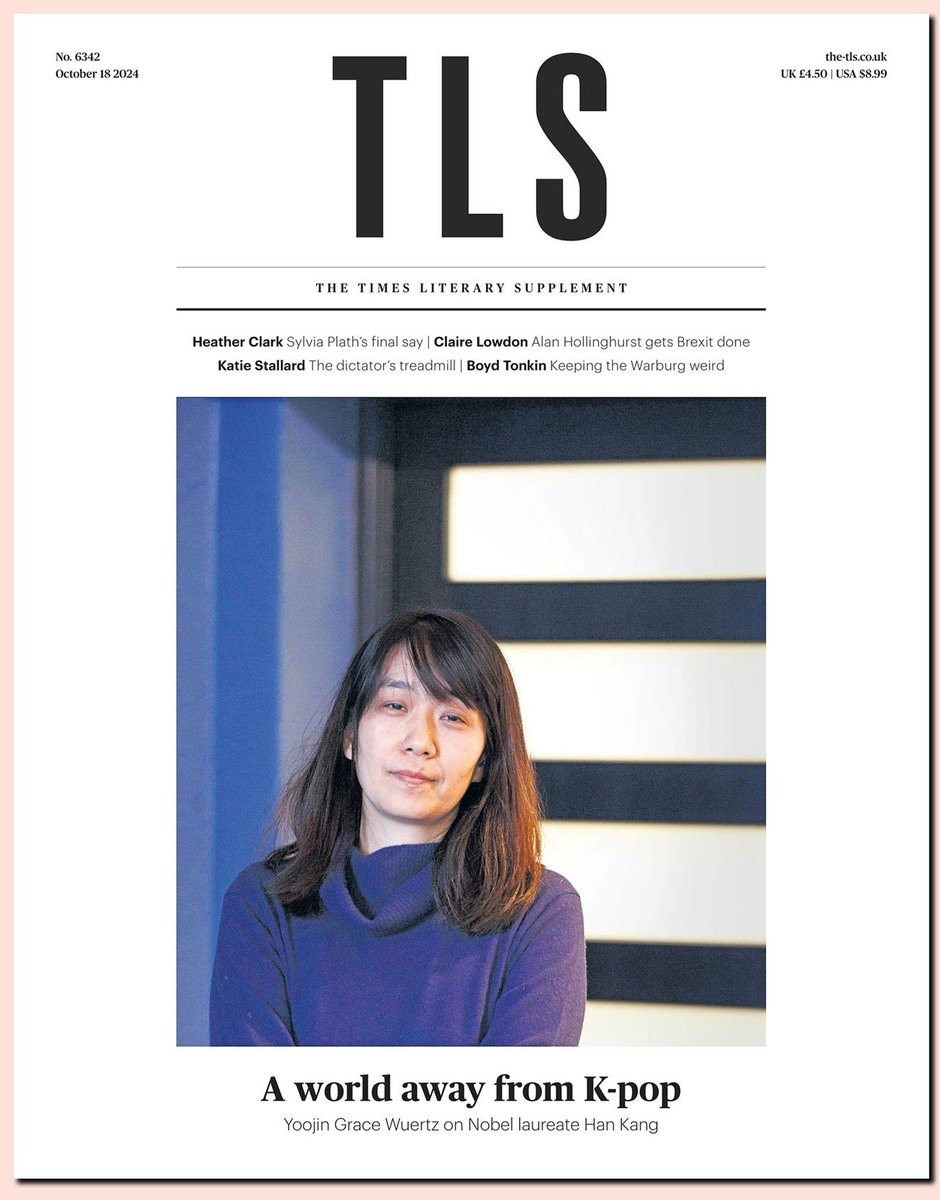
Times Literary Supplement (October 16, 2024): The latest issue features ‘A world away from K-pop -The Nobel laureate Han Kang, Sylvia Plath’s final say; Alan Hollinghurst gets Brexit done; The dictotor’s treadmill; Keeping the Warburg weird…