

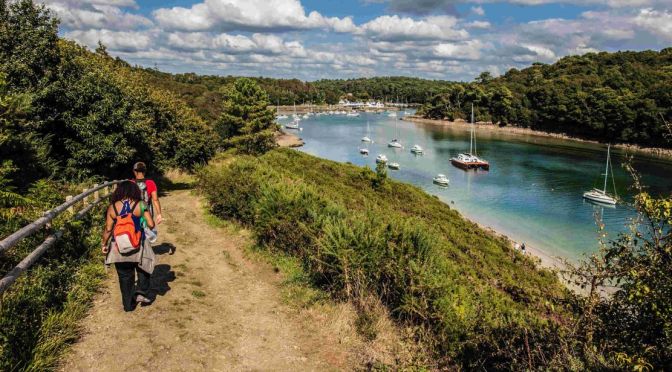
Travel: France’s Most Beautiful Hiking Paths

Down in the Cévennes, Scottish writer Robert Louis Stevenson gave his name to the Chemin Stevenson, where you can still come across donkeys. As for the route to Santiago de Compostela, one of the oldest long-distance hiking paths in France, it contains delights for the eyes and the soul.
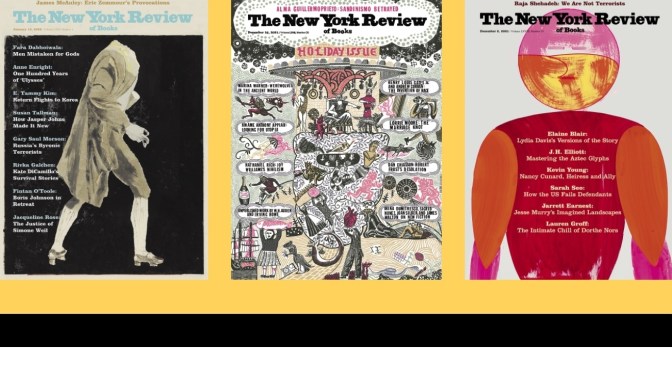
The New York Review Of Books – May 11, 2023
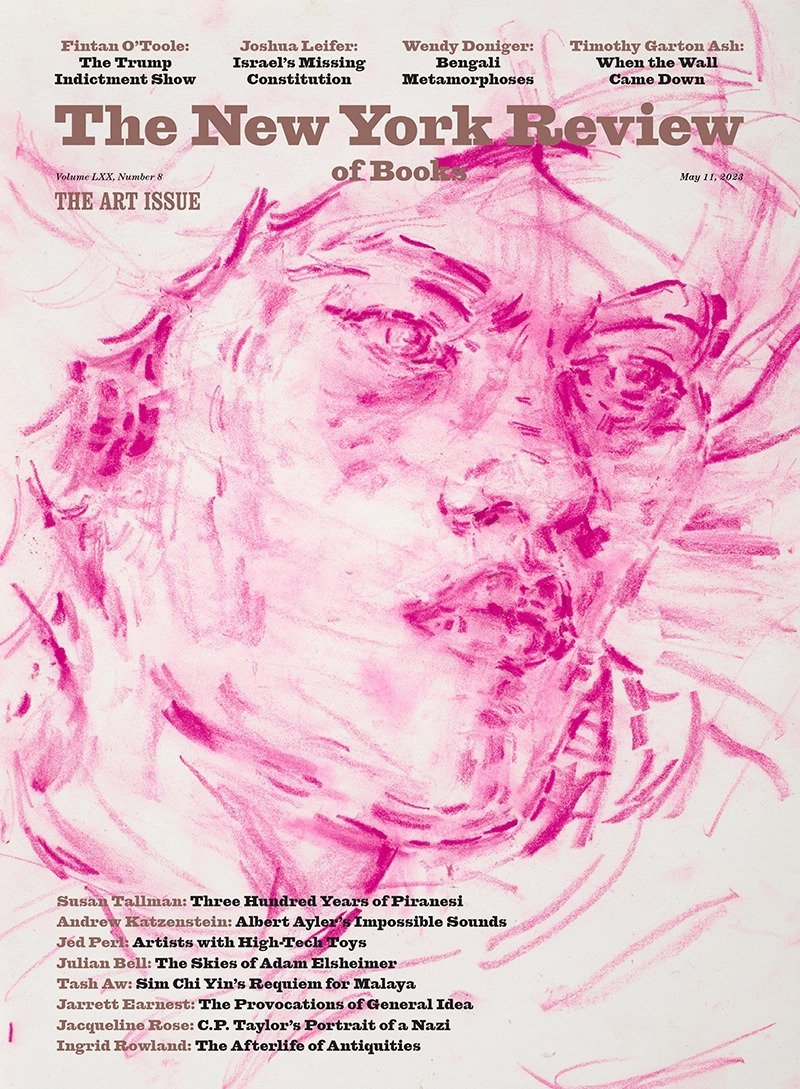

Seeing Baya Anew
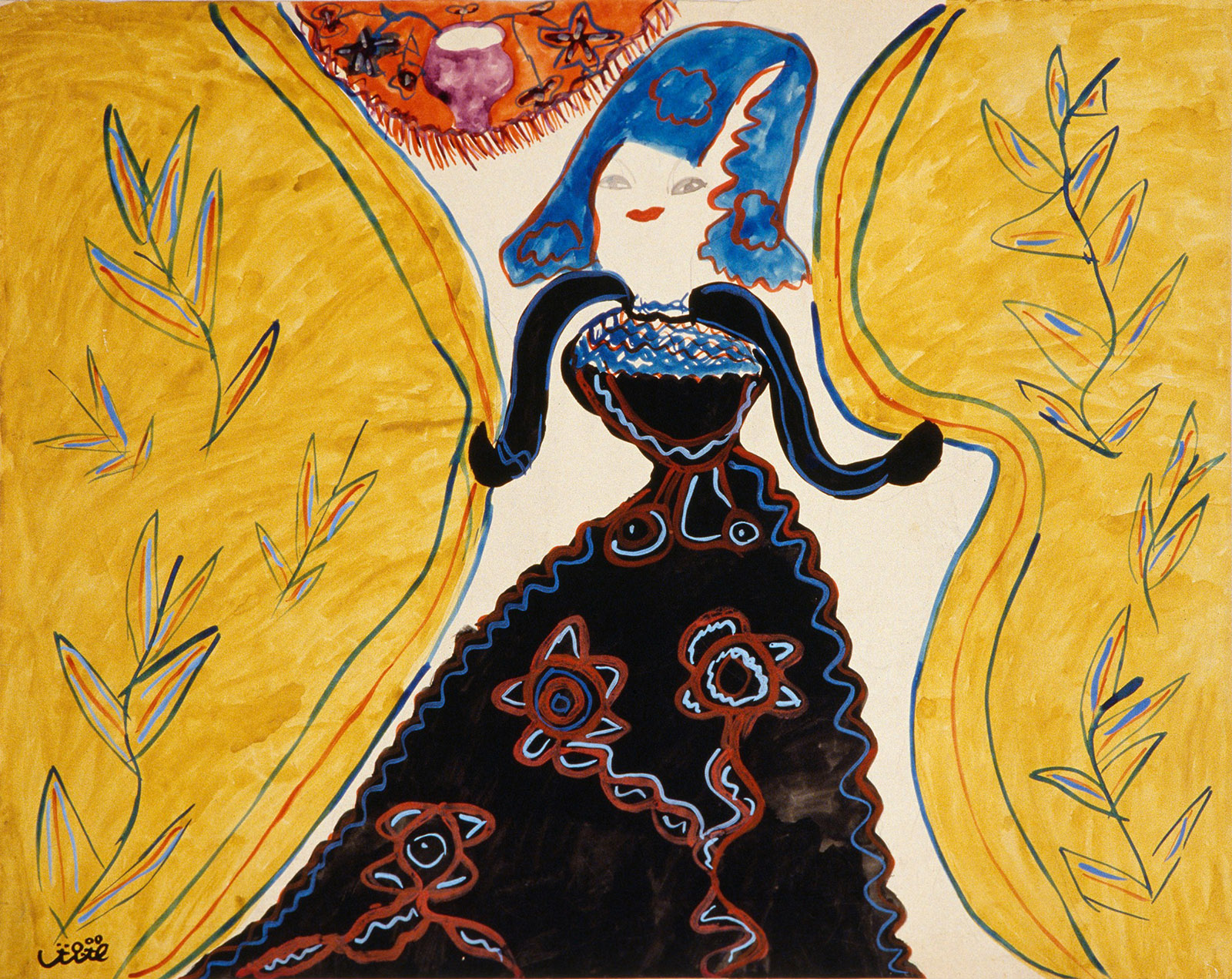
An exhibition of the Algerian painter’s work liberates it from the political symbolism of late colonialism.
In November 1947 a fifteen-year-old prodigy from colonial Algeria named Baya, described variously as Kabyle, Berber, Muslim, and Arab, exhibited her gouaches and clay sculptures at the Parisian gallery of the art dealer Aimé Maeght. Yves Chataigneau, the French governor of Algeria, and Si Kaddour Benghabrit, the rector of the Paris Mosque, were the sponsors of the exhibition, and the opening attracted some of the most influential cultural figures of postwar Paris: the writers Albert Camus, François Mauriac, and André Breton; the painters Henri Matisse and Georges Braque; the designer Christian “Bebè” Bérard.
The Perpetual Provocateur
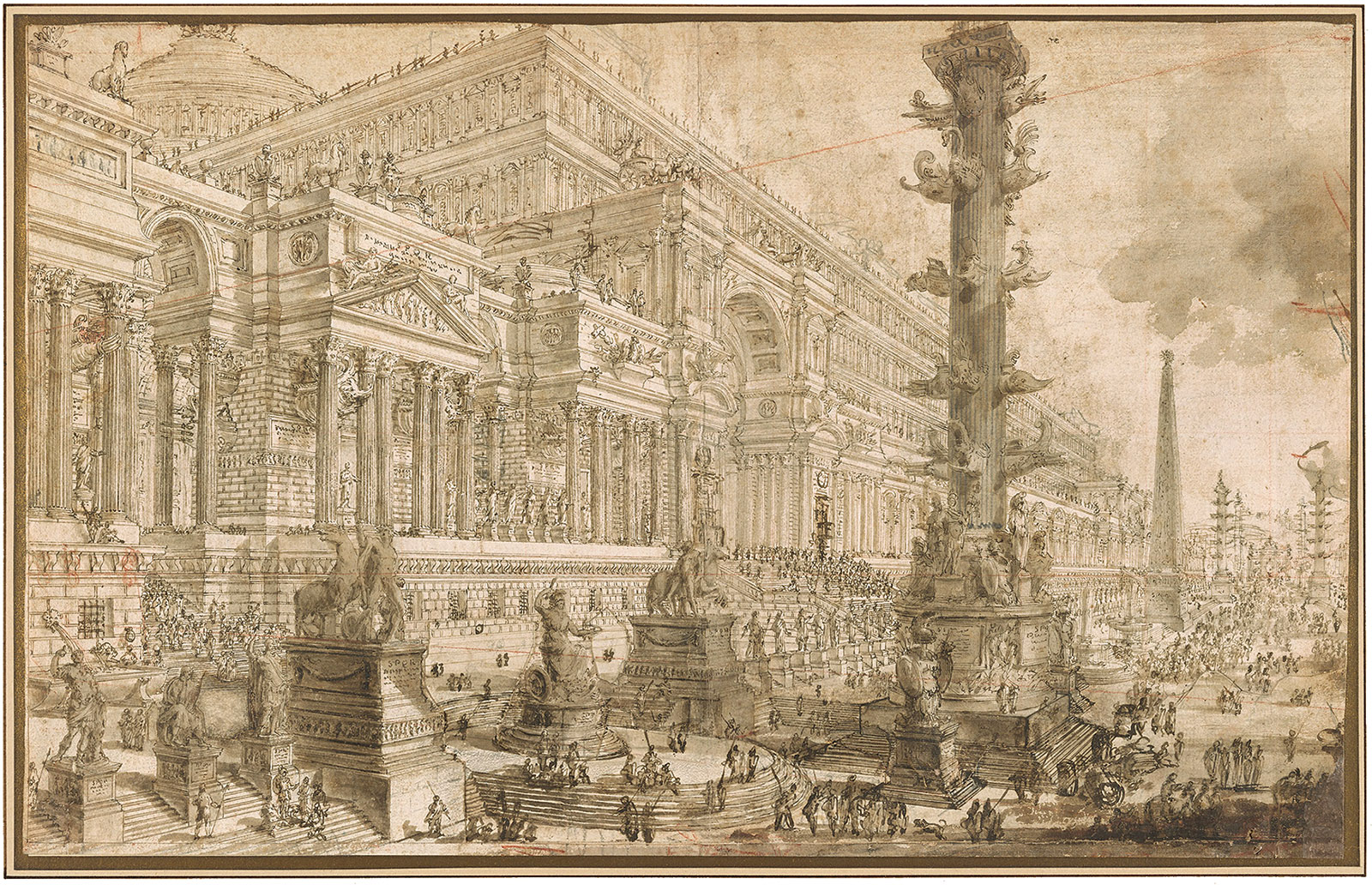
For generations, Giovanni Battista Piranesi’s prints of Roman views defined the popular image of the Eternal City. A profusion of new exhibitions and publications shows why he still speaks to us.
Also in the issue: Jacqueline Rose on C. P. Taylor’s final play, Colin B. Bailey on the Impressionists’ decorations, Wendy Doniger on Bengali tales from the mangrove forests, Christopher Benfey on the Black American potters of the nineteenth century, Jed Perl on high-tech high art, poems by Sasha Debevec-McKenney, Mosab Abu Toha, and Cyrus Console, and much more.
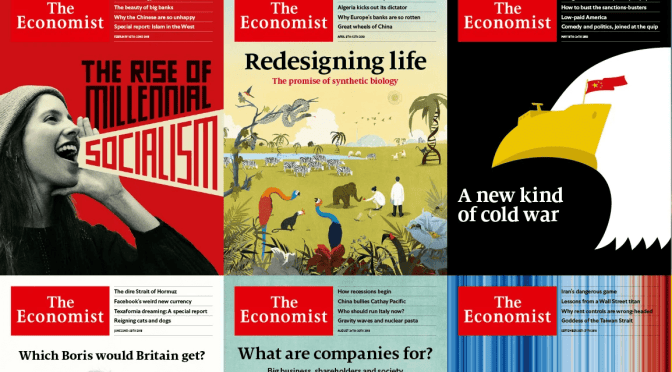
Previews: The Economist Magazine – April 22, 2023


Large, creative AI models will transform lives and labour markets

They bring enormous promise and peril. But how do they work?
Is the worst now over for America’s banks?

In order to assess the damage, we look at three financial institutions
In Sudan and beyond, the trend towards global peace has been reversed
Conflicts are growing longer. Blame complexity, criminality and climate change
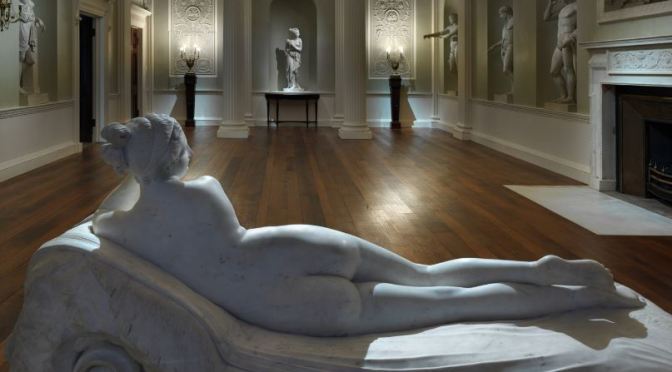
The Arts: Insights Of The ‘Louvre Looks’ Film Series
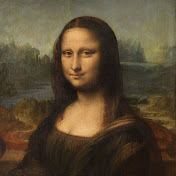
The “Louvre Looks” initiative brings together creatives under forty – whether they come from the visual arts, poetry, film, experimental music, or fashion. They created new films in the palace itself and thus reconnect with the past of the Louvre – which hosted artist studios even before it became a museum.
These films go live every Thursday on YouTube. Over the course of twenty weeks, you will be given the opportunity to discover many fresh insights into the Louvre.
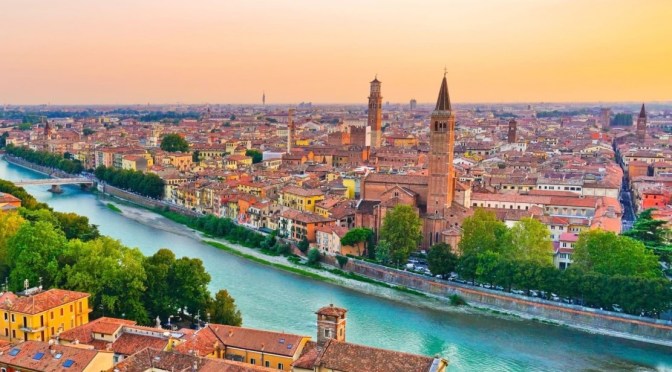
Travel: A Walking Tour Of Verona In Northern Italy


News: Sudan Cease-Fires Failing, Brazil’s Lula ‘Pro-Russia’ Stance Angers West
The Globalist, April 20, 2023: The latest in Sudan, where thousands are fleeing intense fighting in Khartoum, Europe frets about the Brazilian president’s stance on Russia, and why trust in religion is floundering in Japan.
Plus: Ukraine’s finance minister on the country’s path to recovery, and the latest film news.
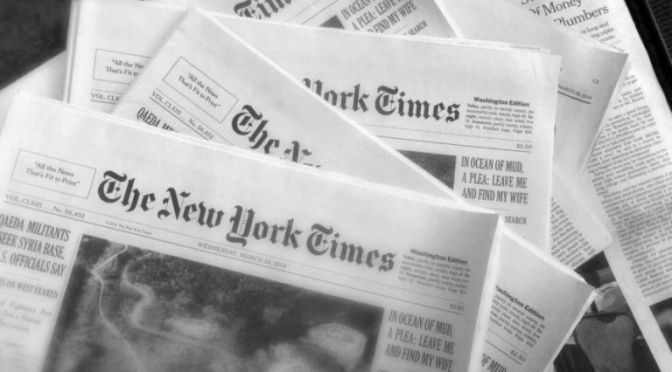
Front Page: The New York Times — April 20, 2023
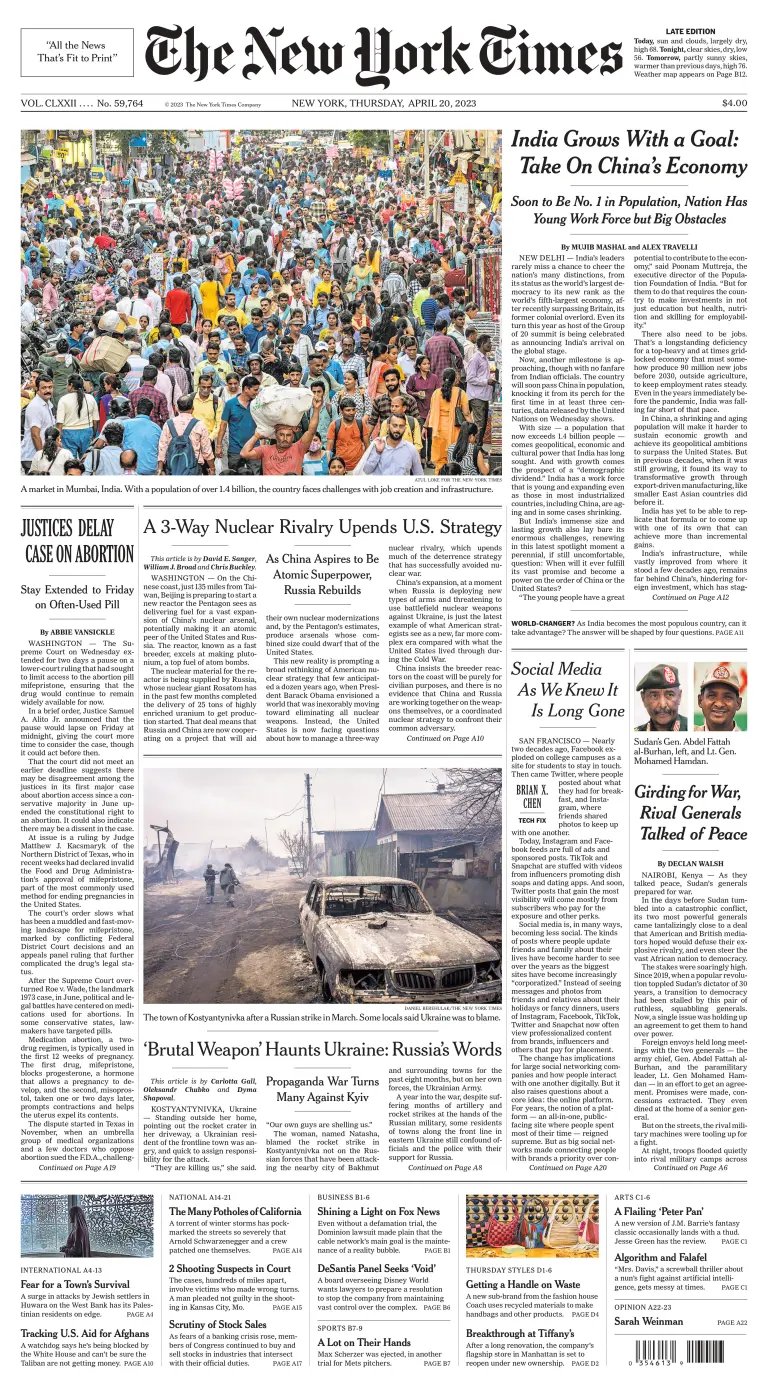
India Is Passing China in Population. Can Its Economy Ever Do the Same?

India has a young, vast work force that is expanding as China’s ages and shrinks. But the country’s immense size also lays bare its enormous challenges.
Supreme Court Delays Decision on Abortion Pill, Preserving Access for Now

The drug will remain widely available as the justices extended their deadline to Friday on whether to uphold the F.D.A.’s approval of the pill.
3 Nuclear Superpowers, Rather Than 2, Usher In a New Strategic Era

China is on track to massively expand its nuclear arsenal, just as Russia suspends the last major arms control treaty. It augurs a new world in which Beijing, Moscow and Washington will likely be atomic peers.
Sudan’s Generals Dined With Peace Negotiators, Then Started a War

What led the two generals, recently allies, to turn their forces on each other — devastating a country of 45 million people?
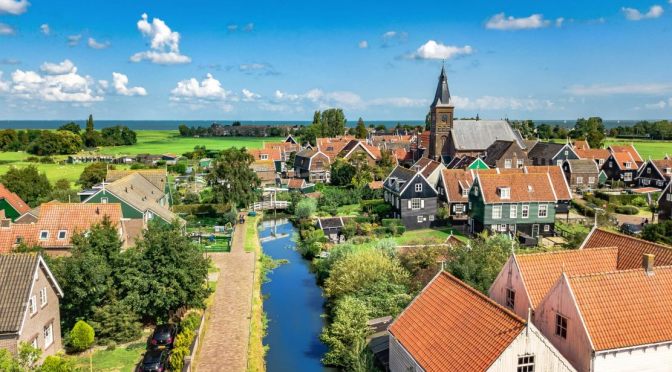
Travel Tour: The Island Of Marken, Netherlands (8K)
About a century later, the monks were expelled here by Count William the Fourth of Holland. After this, the island quickly impoverished, the islanders were forced to live on mounds to protect themselves against the water.
These mounds are known here as wharves, a number of these wharfs are still inhabited. The many floods made farming impossible and fishing became the island’s main source of income. This came to an end with the arrival of the Afsluitdijk.
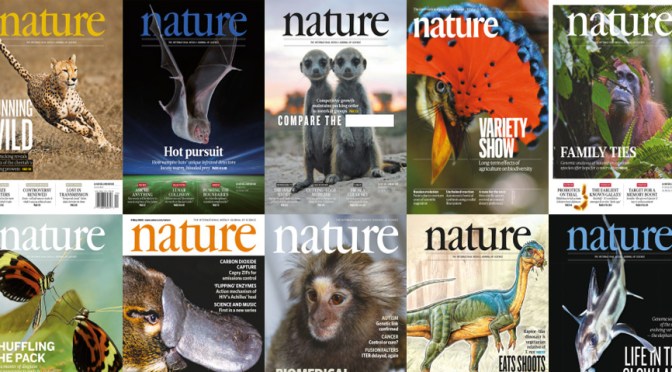
Research Preview: Nature Magazine – April 20, 2023
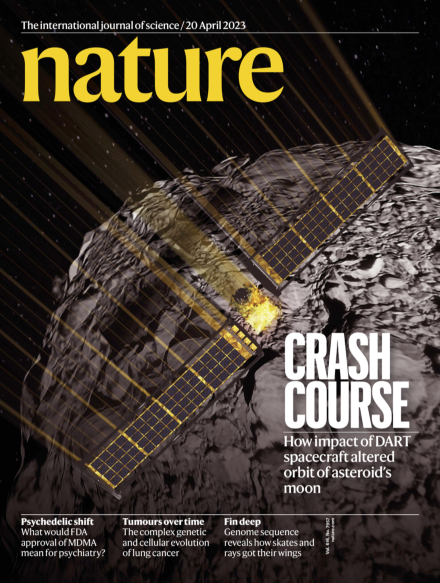

Is Africa’s Great Green Wall project withering?
The plan to re-green a 7,000-kilometre swathe south of the Sahara is at risk of losing its pan-African vision and ambition.
A glacier’s catastrophic collapse is linked to global warming
Eleven hikers died after weeks of unusually warm weather led to melting of the Marmolada Glacier in the Alps.
Sunshine is transformed into green hydrogen on an ambitious scale
Prototype facility smashes record for converting solar power to hydrogen for its technology category.

