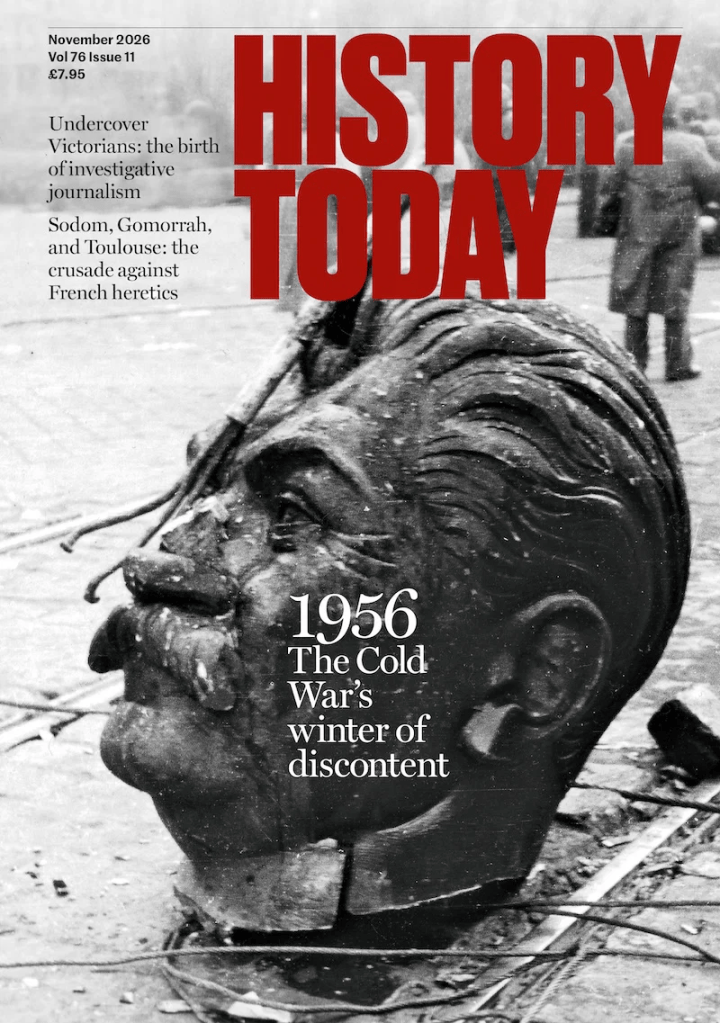
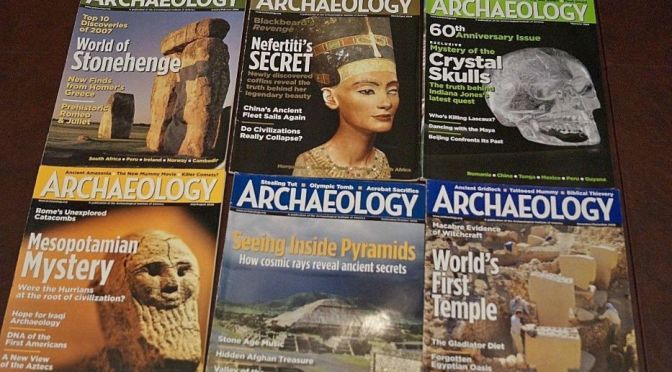
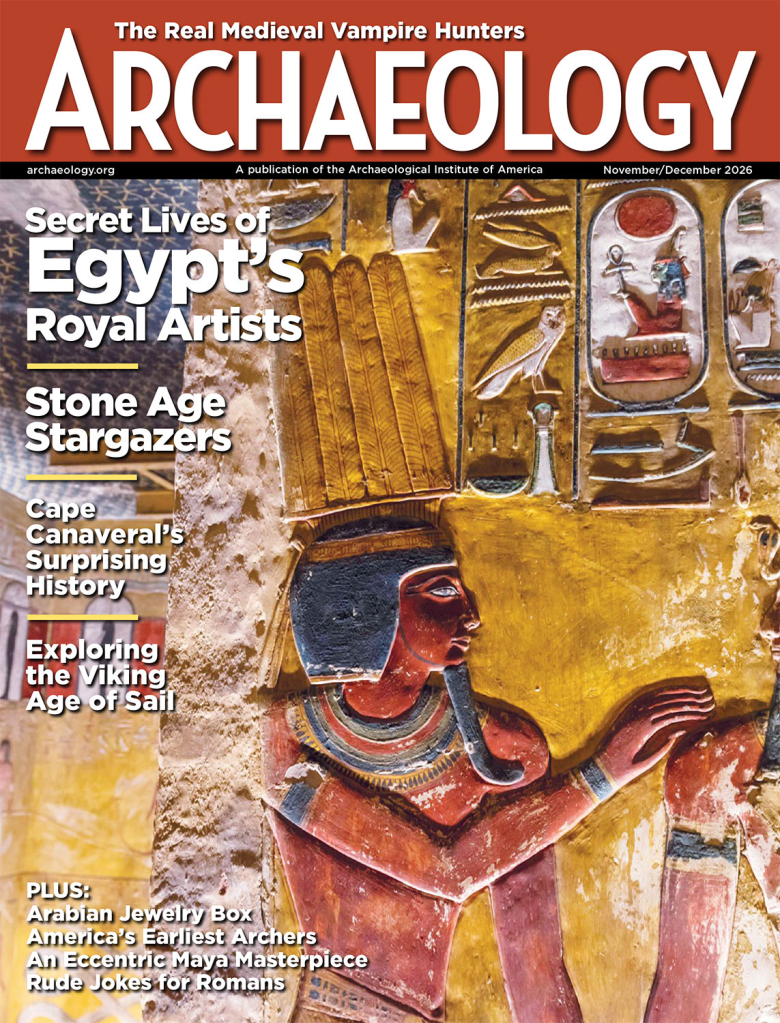
In late 1956 hundreds of thousands of Hungarians joined an uprising against the country’s Moscow-oriented government. 70 years on, the revolution’s meaning is still unclear.
For much of its modern history state lotteries were seen as antithetical to Britain’s moral values. The introduction of the Premium Savings Bond in 1956 was a major shift in government policy. What had caused it?
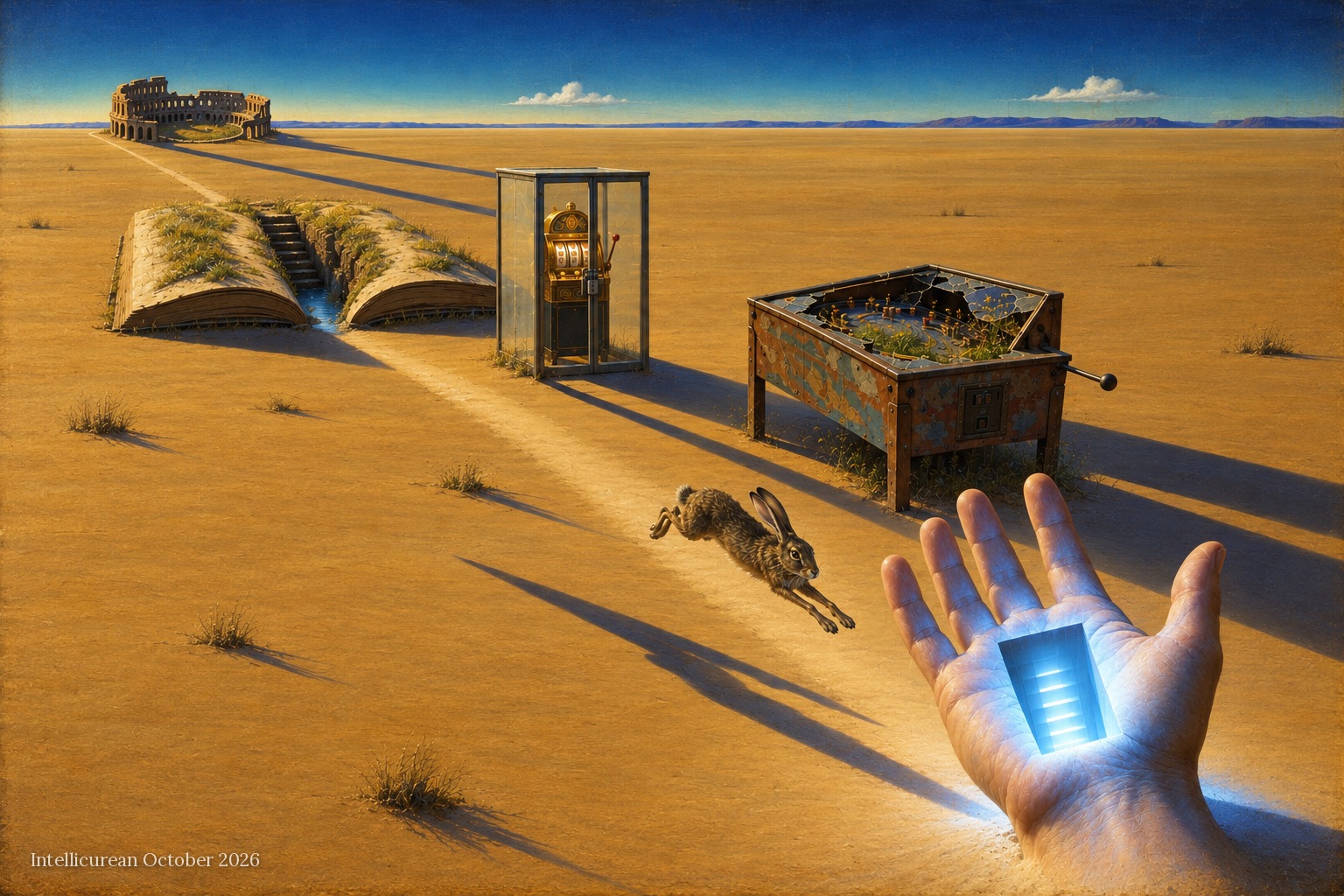
Put your phone face down and read to the end of this paragraph without touching it. Sixteen centuries ago a bishop in North Africa confessed that a dog chasing a hare across a field had turned him from some great thought. This month Scientific American asked how we get sober from the feed in our pockets. Every age has panicked about its hare, and no panic has ended in sobriety.
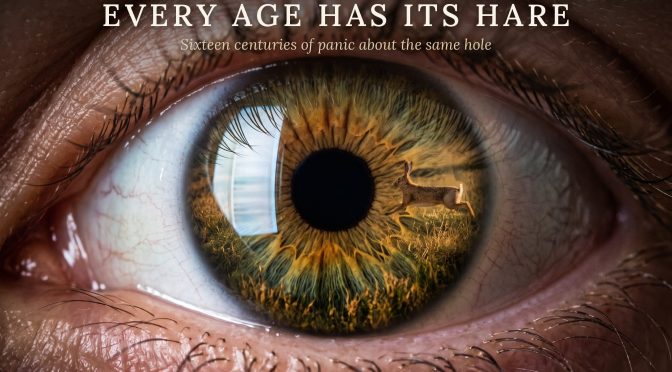
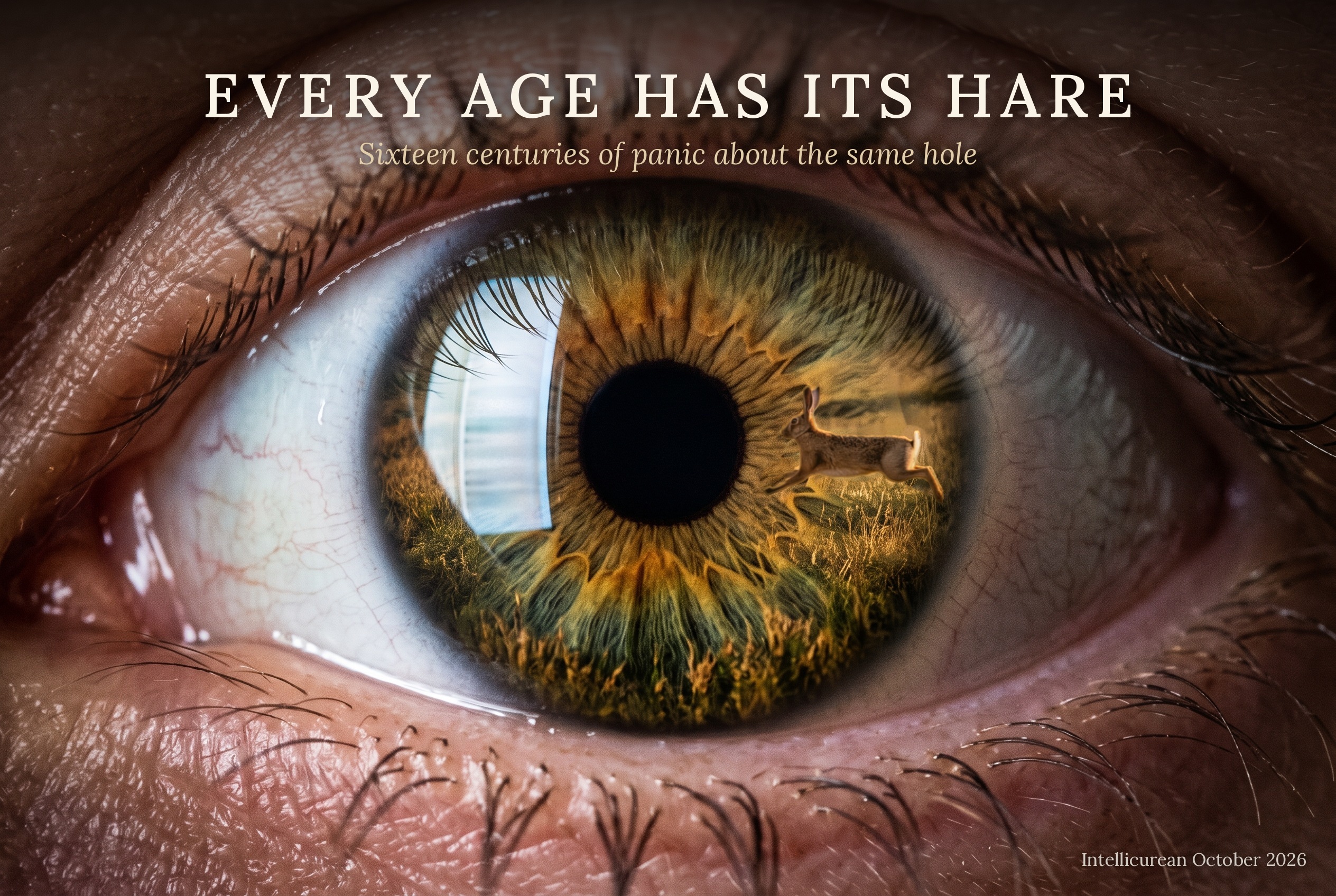
A hare in the field of an eye, running for the pupil, made for the essay.
WHY WE’RE POINTING YOU THERE
This month Scientific American asked whether we are addicted to social media and how we might get sober. Intellicurean’s essay answers by going back to the start of the complaint. It opens at the Roman games, on a young man who swore he would keep his eyes shut and was undone by the roar of the crowd. Then it follows the same hole through the centuries: a girl drowned in the river at Weimar in 1778, and the town blamed Goethe’s novel; London’s coffee houses, which a king tried to close and gave up on in eleven days; Dostoevsky at the roulette wheel, and the first slot machine; New York’s thirty-four-year ban on pinball; and a test account on TikTok that never searched for anything and was fitted to sadness in a little over half an hour.
It finds every earlier panic right about a few people and wrong about the many, and it finds the hole as old as the eye. What is new, it argues, is not the hole. It doesn’t scold anyone for their screen time, and it doesn’t pretend history hands us an easy answer.
The old holes became the floor. The new one is in the hand. Made for the essay.
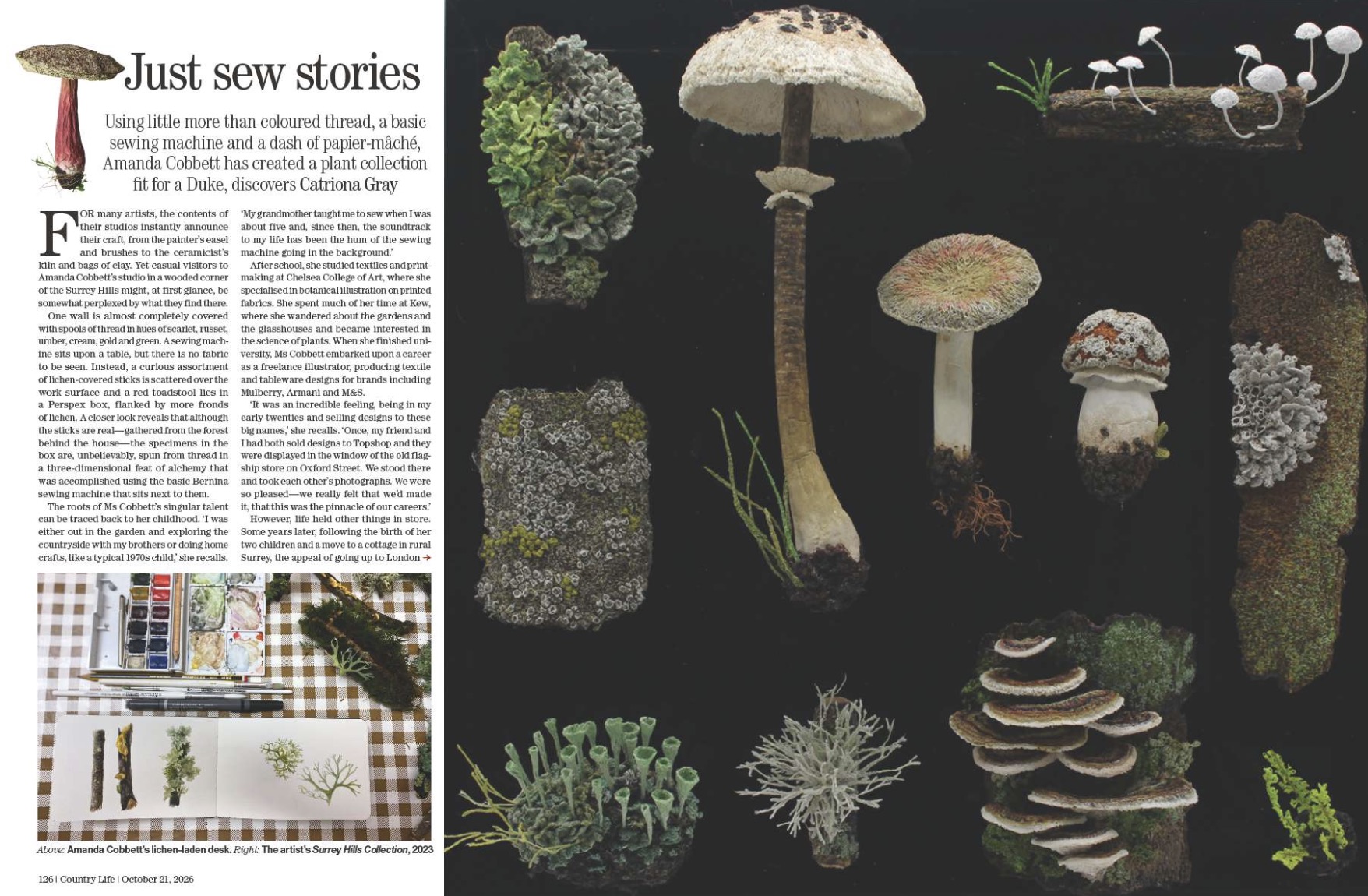
COUNTRY LIFE MAGAZINE: The latest issue features a diverse array of articles, including Emma Hughes’s tribute to Ronald Searle, a unique leader piece by Nigel Molesworth, and a dive into MI5’s secret archives, alongside international travel and luxury features, an analysis of William Morris, structural and artistic highlights like No 22 Parkside and Elizabeth Lady Templetown’s Wedgwood designs, and practical guides on country-house history, interior lighting, seasonal fashion, and culinary traditions.
The legacy
Emma Hughes hails Ronald Searle, creator of Molesworth, the Curse of St Custard’s ; plus in the leader article, Nigel Molesworth shares his observations on Country Life in his own inimitable style
Can you keep a secret?
A new book on MI5’s archives reveals a world of subterfuge and untold stories for Emma Hughes
Country LifeInternational
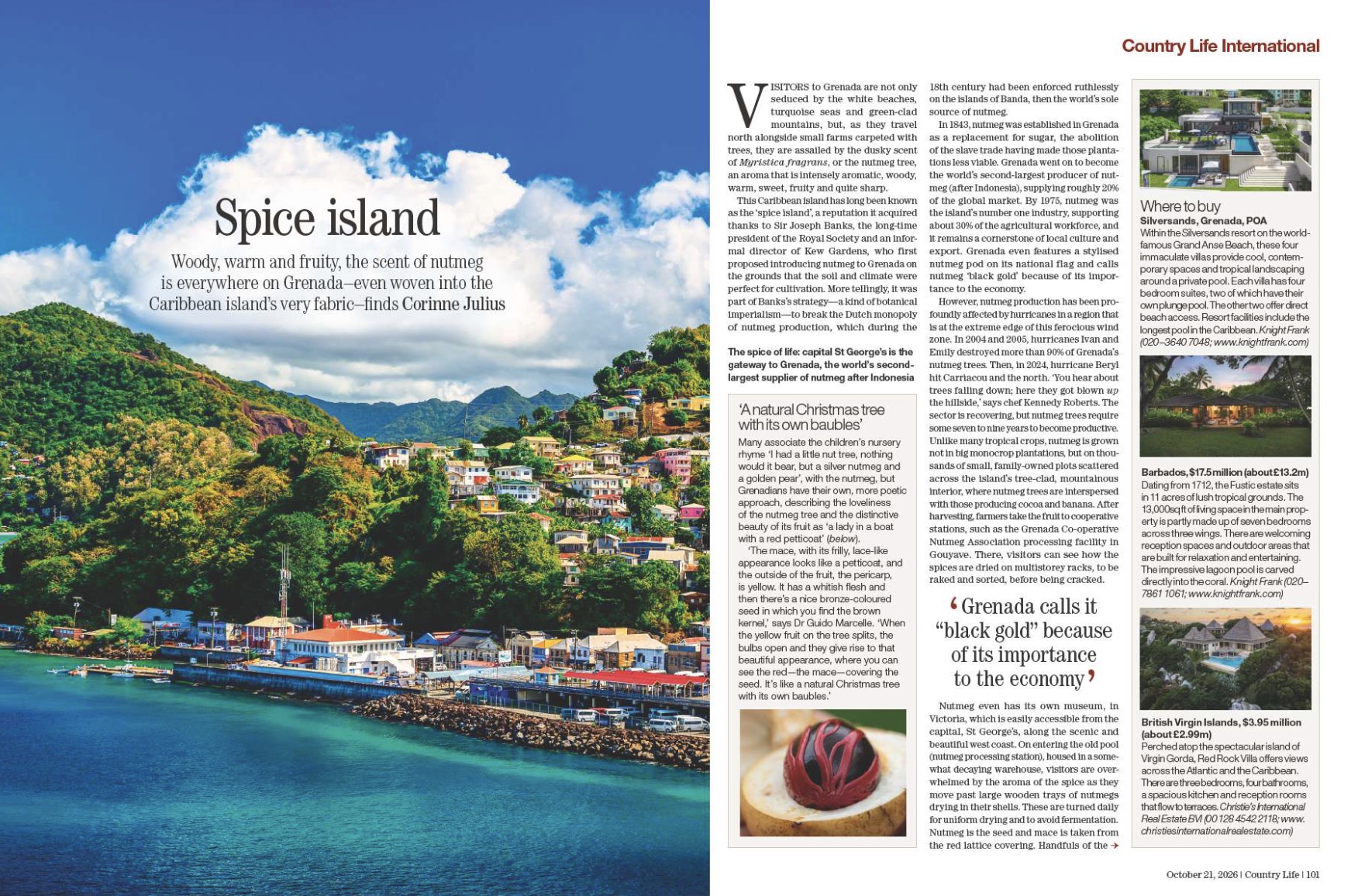
Julie Harding visits the historic Delft factory, Harry Pearson samples the best of Parisian macarons and confronts the monsters of Lake Geneva, Claire Jackson tunes up for the Concours de Genève, Corinne Julius finds the spice of life in Grenada and Holly Kirkwood highlights top properties for sale in sun-loving cities
A man of contradictions
A new exhibition examines the complex character of designer William Morris, reports Mary Miers
James Peill’s favourite painting
The Garter King of Arms picks the portrait of a man of means
Country-house treasure
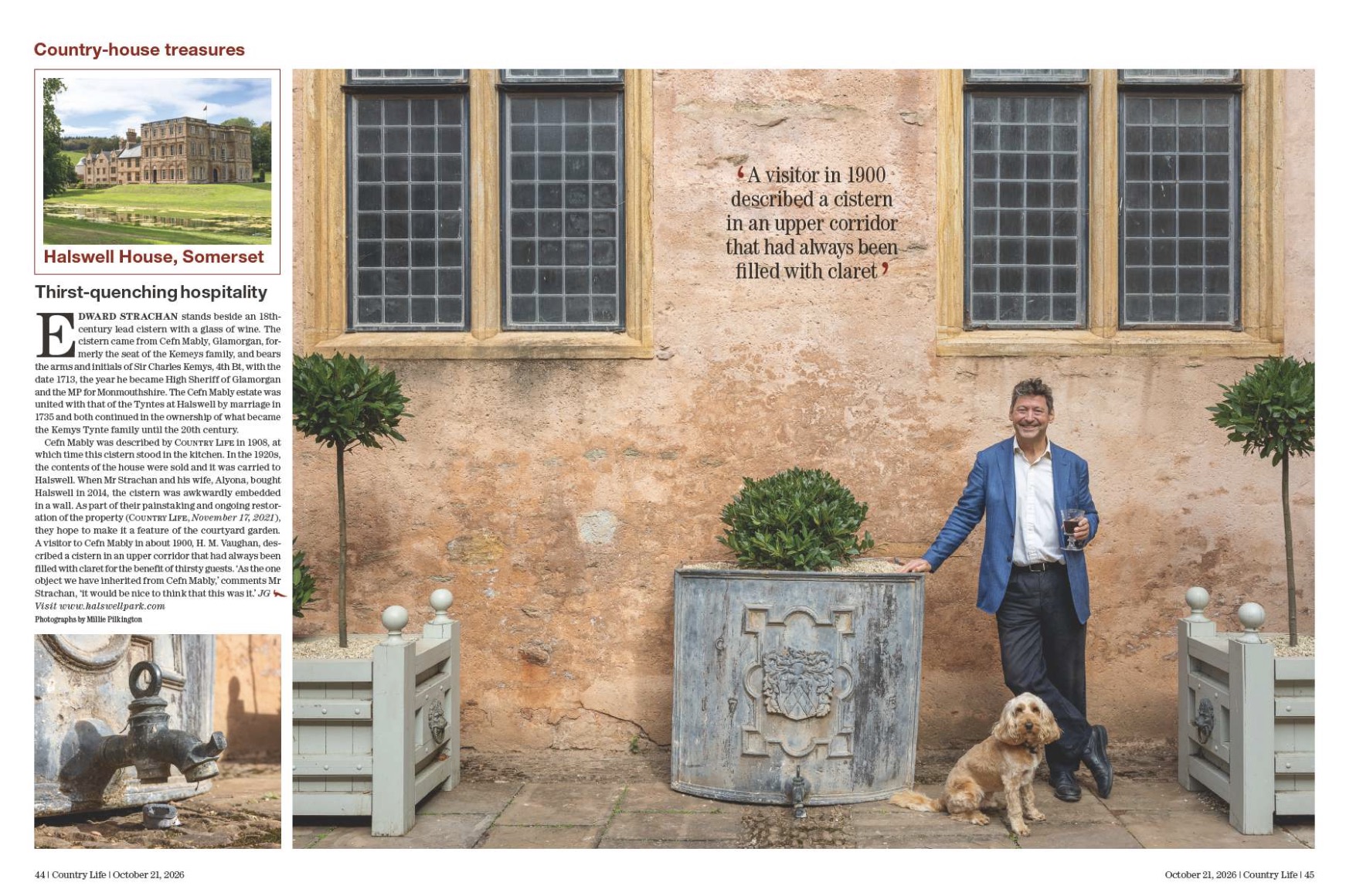
John Goodall toasts the thirst-quenching cistern in residence at Halswell House in Somerset
Rule the roast
Who first cooked up our famous Sunday lunch, asks David Ellis
Luxury
Justine Picardie admires the hum-orous style of Elsa Schiaparelli and Amie Elizabeth White seeks shades of suede for autumn
High-tech as history
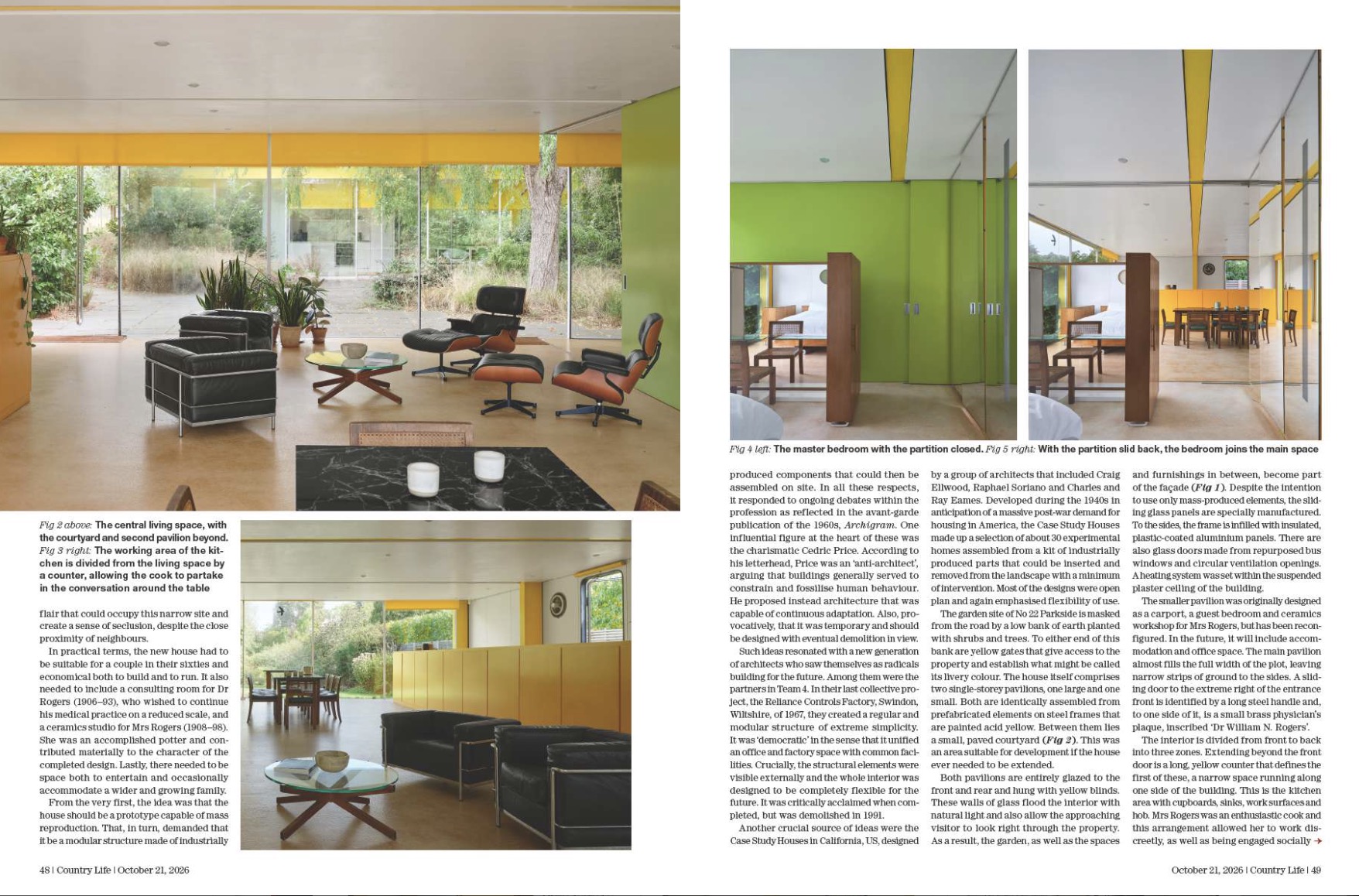
John Goodall tours the yellow, Modernist masterpiece No 22 Parkside in London, recently acquired by the National Trust
Interiors
Arabella Youens takes a shine to warm lighting in a utility room and Amelia Thorpe eyes lovely lamps
Weaving dreams
Tilly Ware meets the designer of the mesmerising perennial meadow at Shillies Barn, Suffolk
She sells sea salt by the seashore
Jane Wheatley visits Halen Môn on Anglesey and finds a thriving family empire well worth its salt
Countryside mysteries
Broomrape, toothwort and other such parasitic plants catch the ever-curious eye of John Wright
Travel
Richard MacKichan sails the Indonesian Flores Sea in style
Just sew stories
The fungi and lichen of the Surrey Hills are the source of artistic inspiration for Amanda Cobbett, as she explains to Catriona Gray
Arts & antiques
Carla Passino explores how the charming designs of Elizabeth, Lady Templetown helped her become the darling of Wedgwood
Setting the standard
James Graham serves up the best new play of the year as Michael Billington applauds a star-studded stage offering
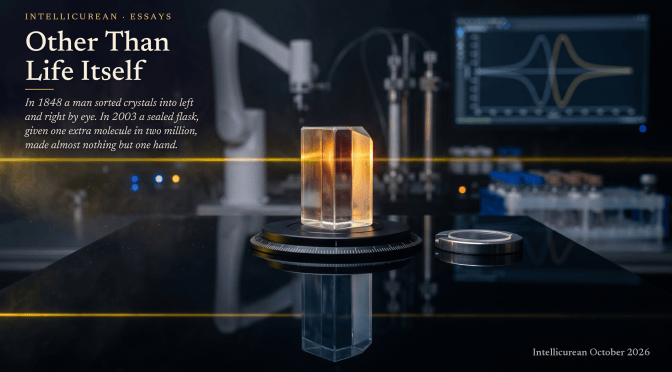
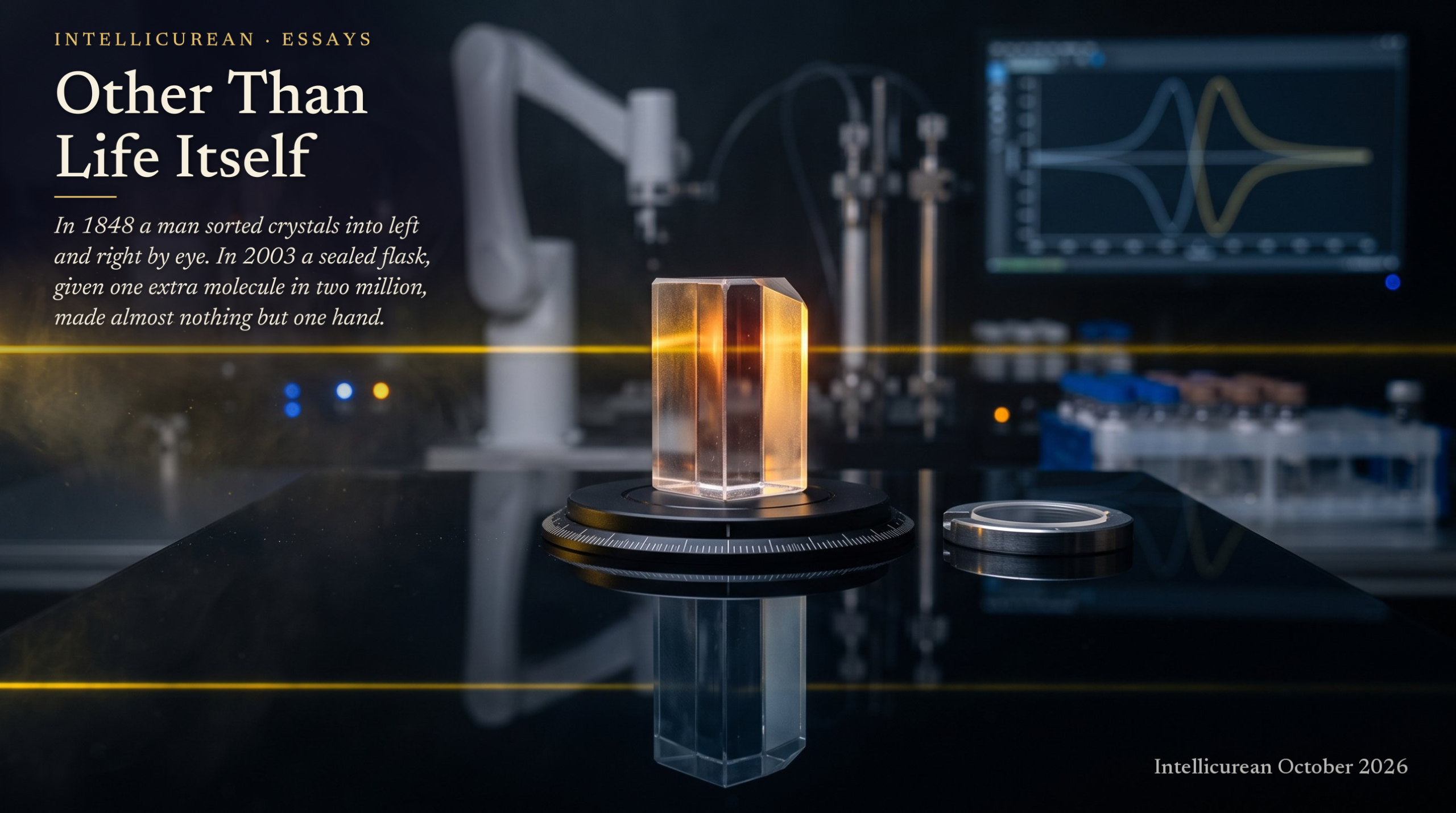
Your nose can tell a molecule from its mirror image, and life builds its proteins and genes from one form alone. No one knows why. This year’s chemistry prize went in part for a sealed flask that does much the same, and the Academy wrote: “Other than life itself, no one had previously achieved this feat.”
One hand lit, its mirror twin left cold, made for the essay.
Why we’re pointing you there
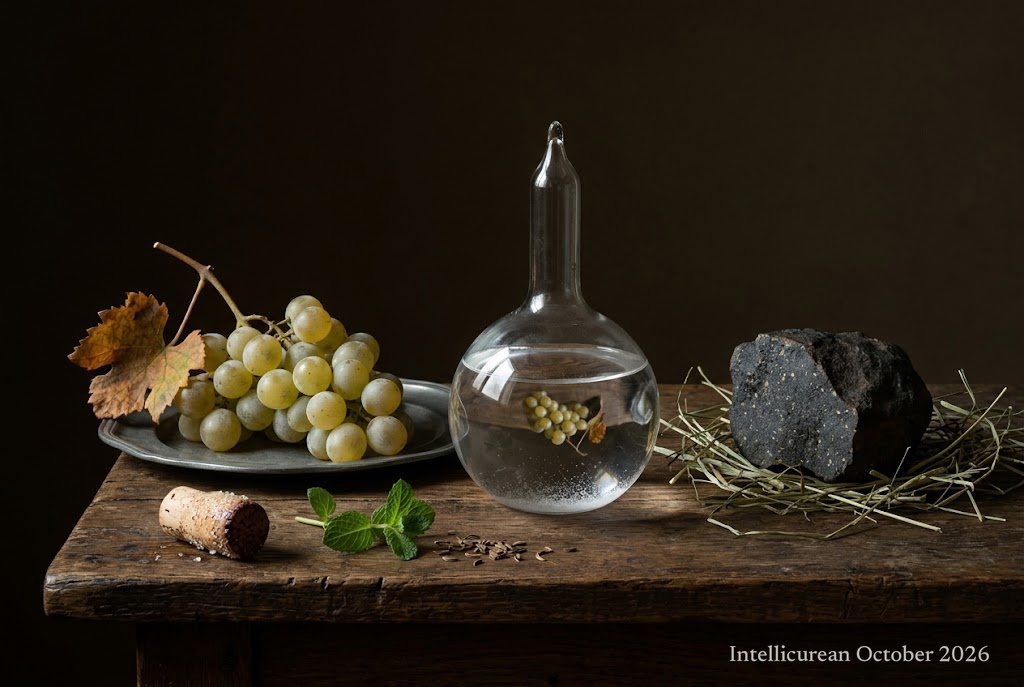
On October 7 the Royal Swedish Academy of Sciences gave the chemistry prize to Henri Kagan, 95, and Kenso Soai, 76, for work on how a slight preference for one mirror image can grow. Intellicurean takes the Academy’s most generous sentence at its word and follows the flask back to where the story starts: wine diamonds under a cork, stray crystals in the vats of an acid works in Alsace, and Louis Pasteur in 1848 sorting crystals into left and right by eye, then repeating it for the old physicist Jean-Baptiste Biot in Biot’s own rooms. From there it moves through Kagan’s “marriage,” in which a deliberately flawed catalyst does better than anyone expected because mismatched pairs sit out; a flask that existed only on paper in 1953; Soai’s thirty-seven sealed flasks, started with nothing one-handed, that came out eighteen one way and nineteen the other; and a stone that fell near Murchison, in Victoria, in 1969, carrying amino acids that lean.
What we liked most is how the essay resists both temptations of its subject. It never lets the flask stand in for how life did it, which the committee itself is careful to say it isn’t, and it never lets the mystery go soft: it says plainly that an amplifier “makes a cause indistinguishable from an accident.” It is also a story full of people, from Biot taking the young Pasteur by the arm to a laureate who heard the news while out shopping and spoke first of Pasteur. Where the essay turns the Academy’s compliment around, and what it makes of the stone, we’ll leave to the essay.
Grapes, a sealed flask, and a stone that arrived leaning, made for the essay.
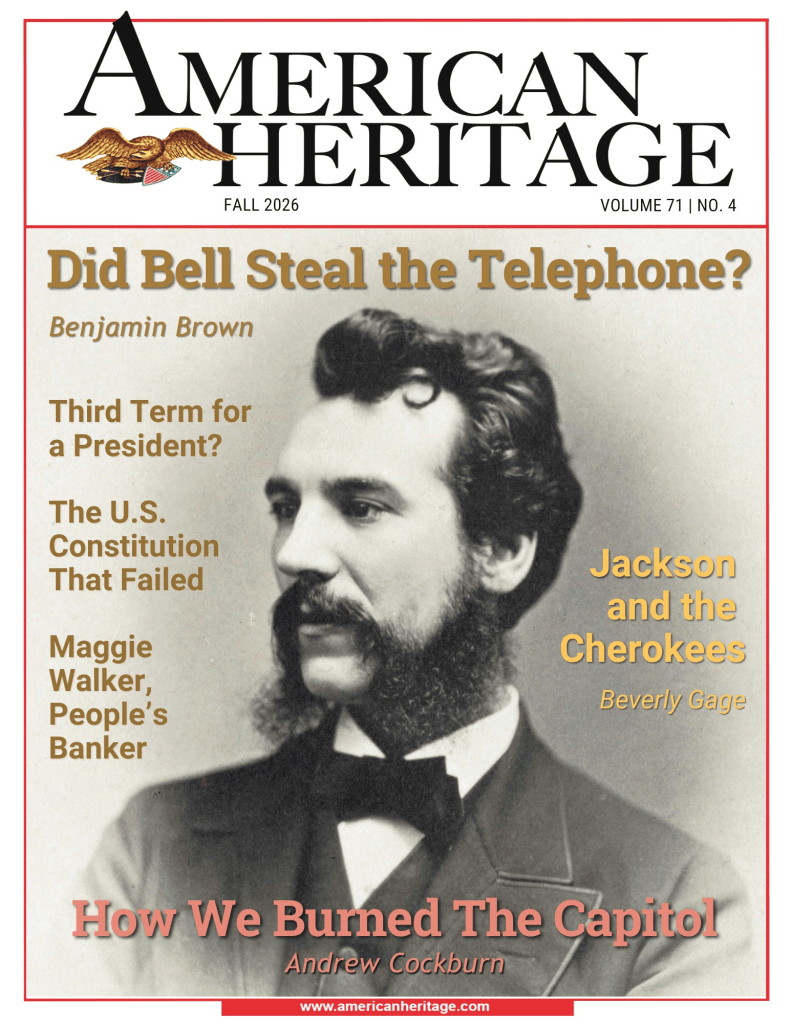
AMERICAN HERITAGE MAGAZINE: The Fall 2026 issue of American Heritage magazine features articles that address historic debates and legacies, including new evidence regarding whether Alexander Graham Bell stole the telephone patent from Elisha Gray, an ancestor’s account of Admiral Cockburn burning Washington while freeing 6,000 slaves, a guide to Southeast historic sites evaluating the complex democratic and brutal legacy of Andrew Jackson, an analysis of perceived ambiguities in the 22nd Amendment regarding presidential term limits, and the story of Maggie Walker, the first Black woman to open a bank to help underserved individuals.
New evidence finally settles the 150-year-old debate as to whether Alexander Graham Bell or Elisha Gray first invented the telephone. Benjamin Lathrop Brown
Museums and historic sites across the Southeast help us better understand Andrew Jackson, who helped define American democracy but also championed the brutal treatment of indigenous peoples. Beverly Gage
Maggie Walker, the first Black woman to open a bank, helped thousands of individuals who could not borrow from traditional lenders. Norah O’Donnell, Kate Brower Andersen
In The Nerd Reich Gil Durán shows how Silicon Valley billionaires have pushed a fringe ideology—what is popularly called techno-fascism but is closer in aspiration to straight-up totalitarianism—into the affairs of state.
The Nerd Reich: Silicon Valley Fascism and the War on Democracy by Gil Durán