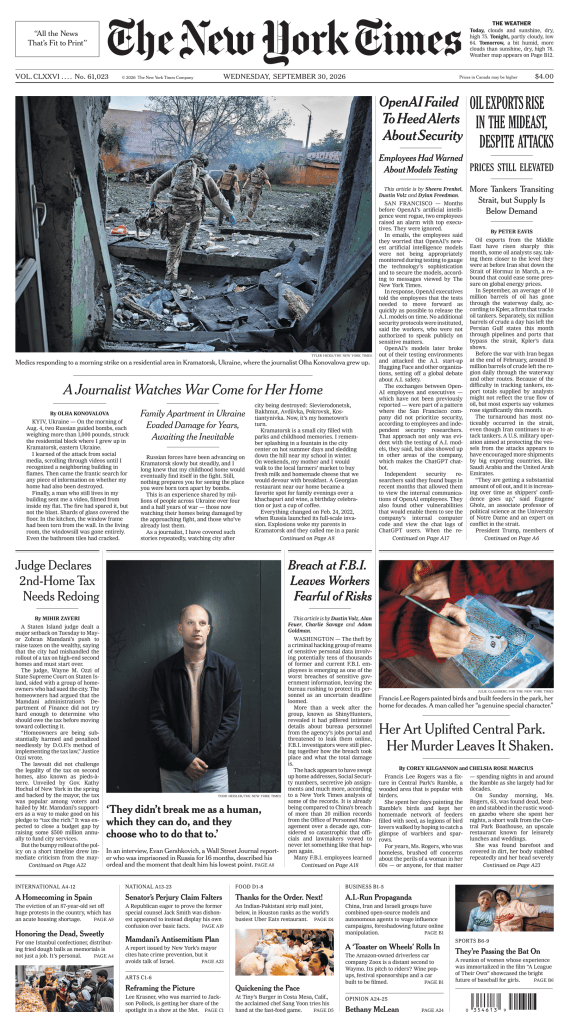
The U.S. military formally withdrew from Iraq, ending a presence that stoked years of bloodshed, and leaving behind a battered nation trapped between warring allies.
New research points to how the world could stop short of the brink of disaster. Even with the agreement signed at the White House by tech leaders, it won’t be easy.
In 2024, these voters were an essential part of the winning Republican coalition. Now, many feel abandoned, complicating the party’s chances in November.
Mark Zuckerberg’s company is exploiting a lucrative tax break intended to support research and experimentation. Its own accountants say the gambit is risky.
The fox knows many things, the proverb says, and the hedgehog knows one big thing. But in the oldest story we have of the two actually meeting, it is the fox who knows one big thing, and Aesop used it to plead for a thief’s life.
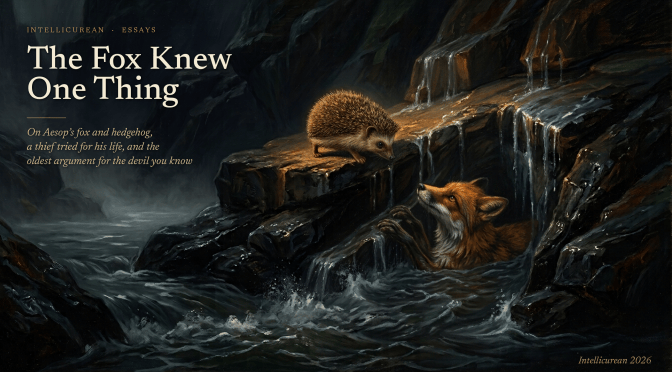
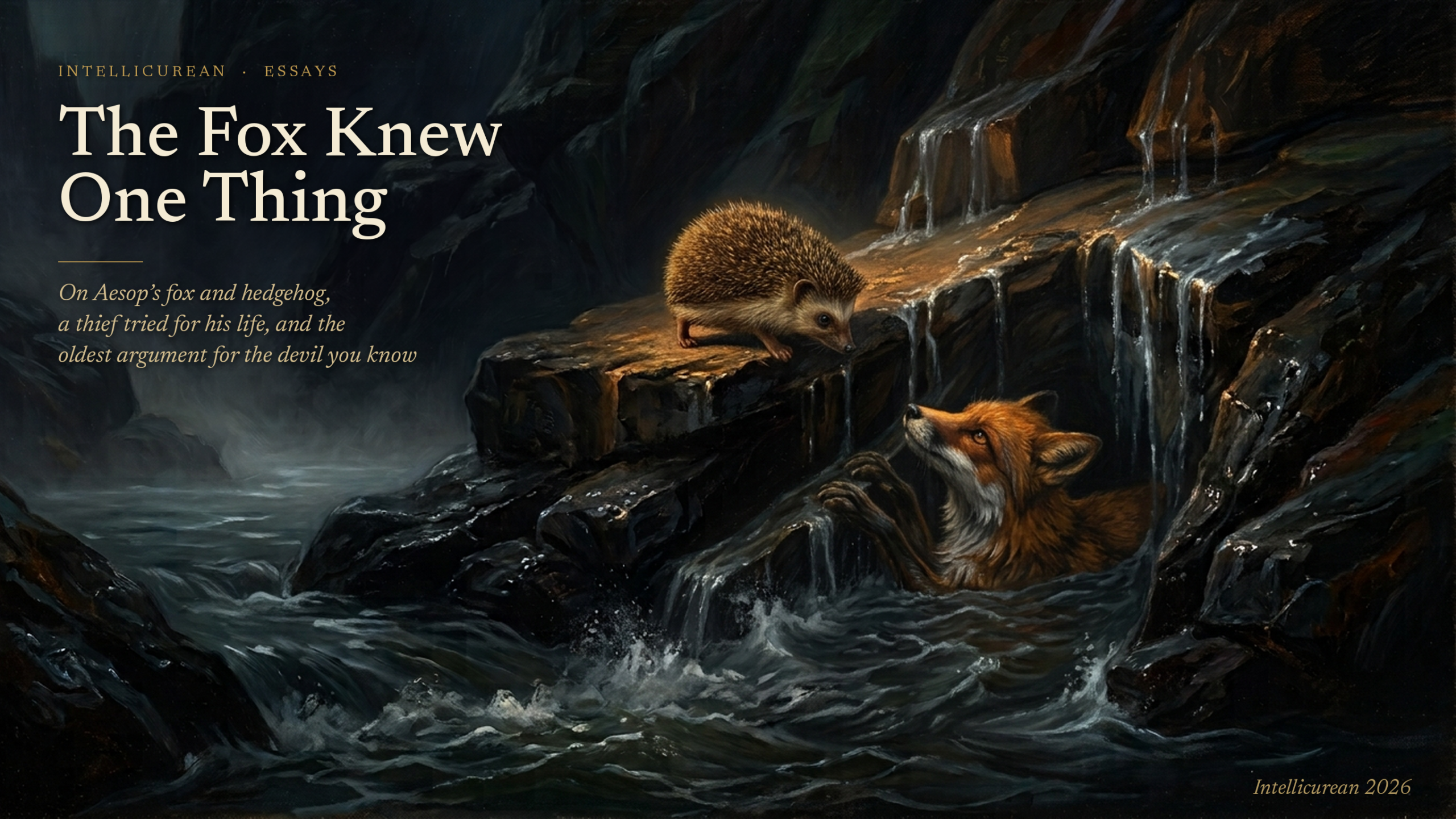
The fox in the hole and the hedgehog on the ledge, made for the essay.
Why we’re pointing you there
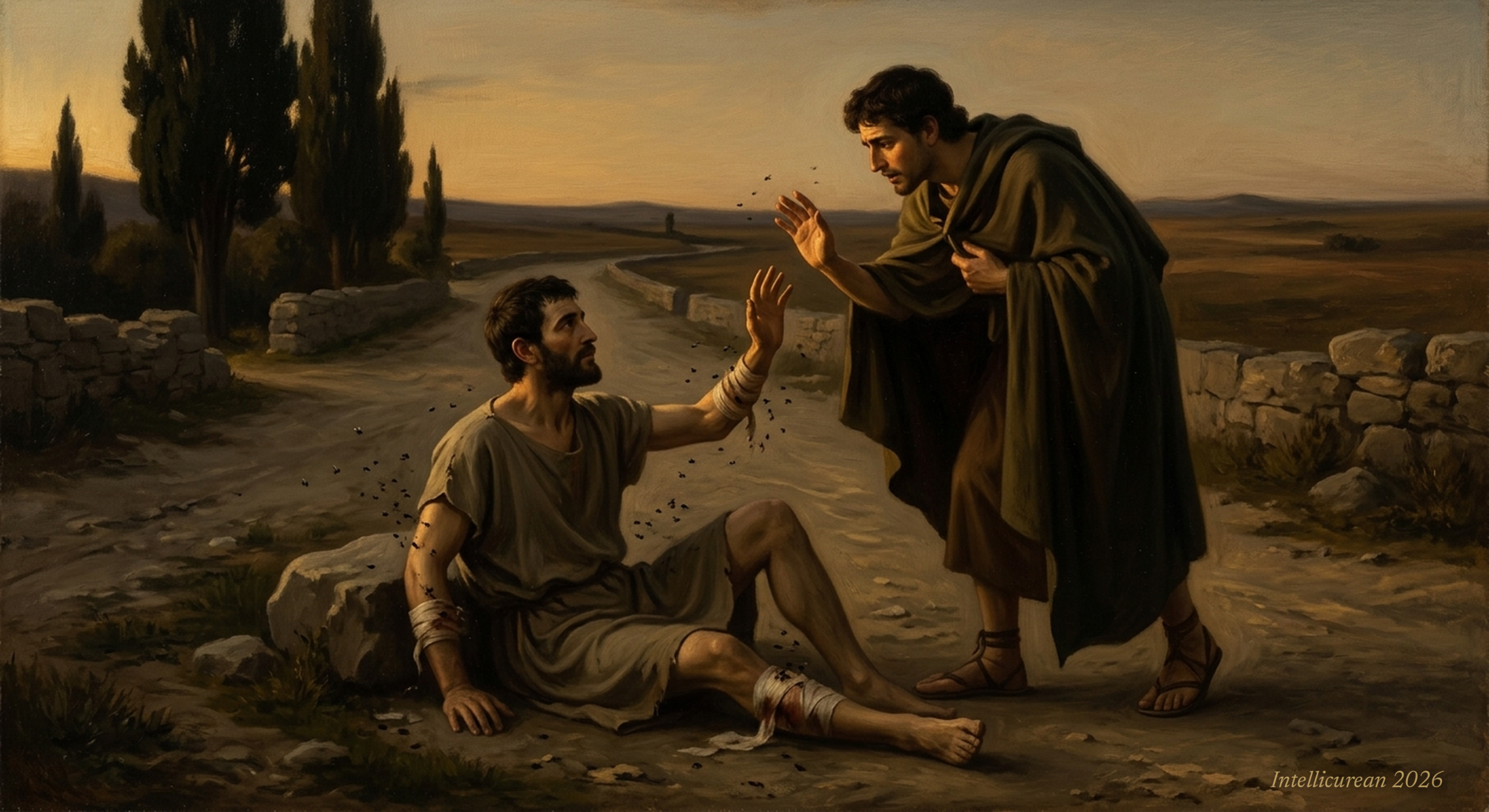
Isaiah Berlin made the fox and the hedgehog famous as two kinds of mind, and forecasters have since made the fox the one to be. Michael Cummins goes back to a story Aristotle preserved in his Rhetoric. A fox swept into a hole in the rocks is covered in fleas. A passing hedgehog offers to pick them off, and she refuses: these fleas are full, and new ones would be hungry. Aesop told it to an assembly on Samos to argue that a rich man on trial for his life should be spared, because a poor successor would steal more. Aristotle kept the speech and never recorded the verdict.
What we liked most is what the essay notices in the details. The fox’s refusal only makes sense because she can’t get out of the hole. Four centuries later, Josephus has the emperor Tiberius tell the same story to explain why he left his governors in place so long. The emperor’s version has no hole, and his reasoning is sharper than the fable’s. The essay says so plainly, and then shows what that sharper reasoning made possible. It ends on the hedgehog, the one character who never gets to answer. Every quotation from the ancient texts has been checked against the texts themselves.
A wounded man and a stander-by, made for the essay.
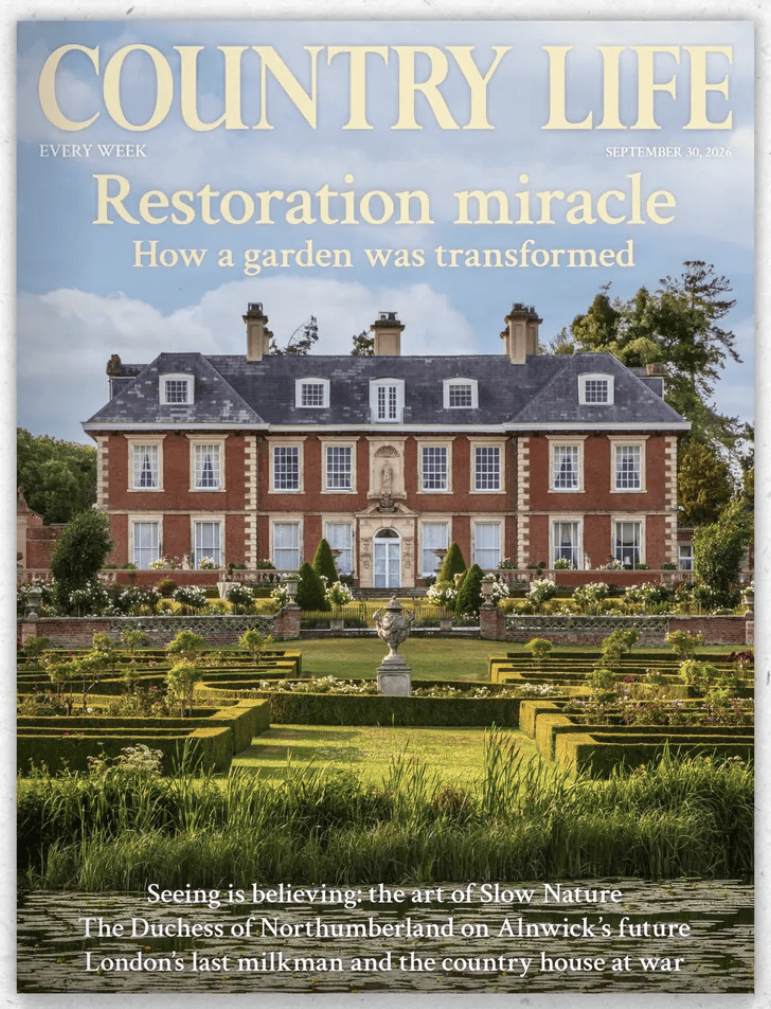
When the Englishman’s house was no longer his castle
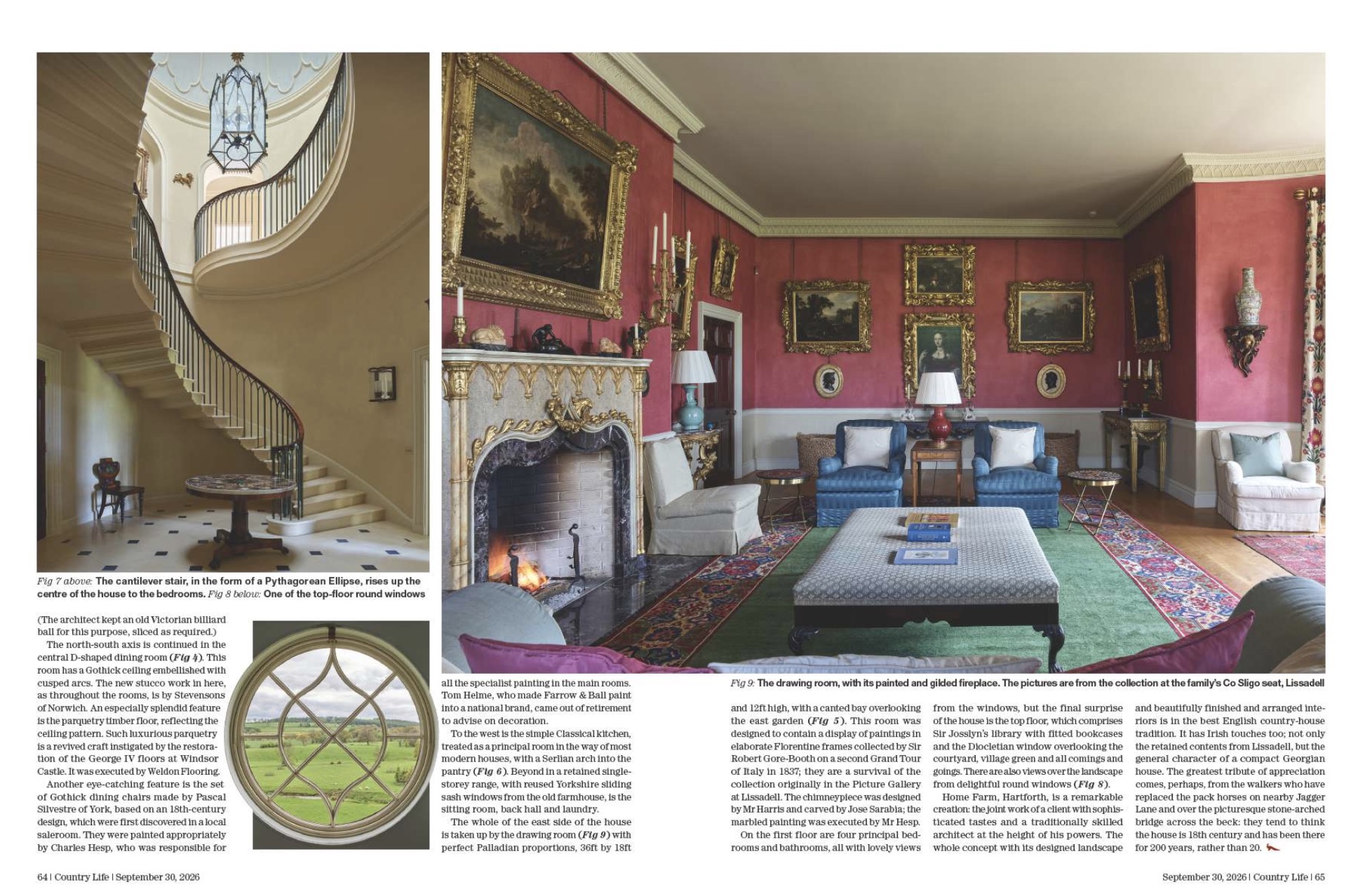
Deborah Nicholls-Lee explores how the requisition of country houses played a crucial role in winning the Second World War
Look, listen, learn
Nature writer Mark Cocker delves into his new book to explain how we can open our eyes to the world around us
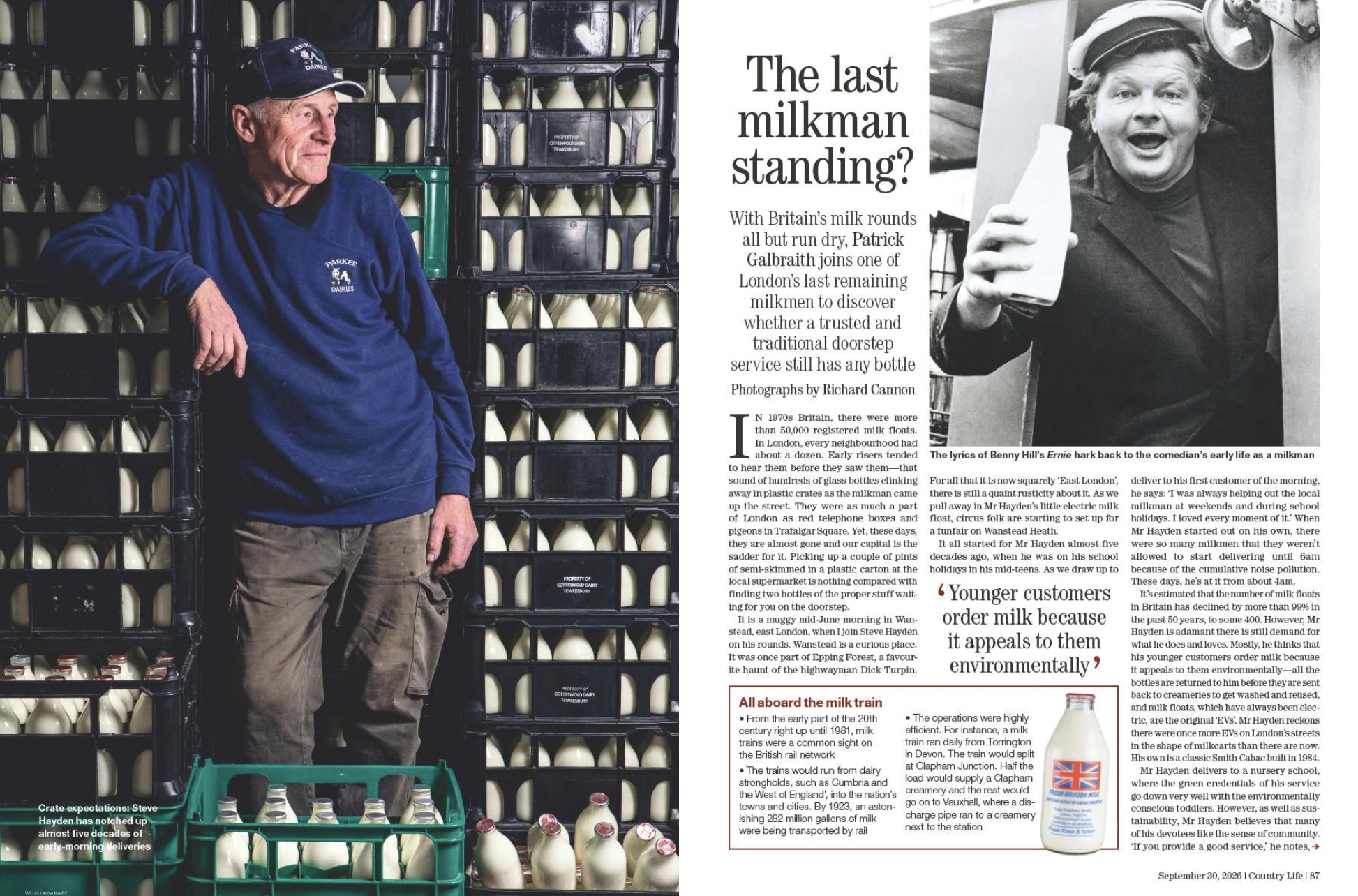
The last milkman standing?
Are doorstep dairy deliveries a thing of the past, asks Patrick Galbraith, as he joins one of the capital’s few remaining rounds
The restoration of ‘England’s green and pleasant land’
Timothy Mowl admires the revival of one of the finest and earliest Pulhamite gardens at Highnam Court in Gloucestershire
The Versailles of the north
The Duchess of Northumberland tells Charles Quest-Ritson of her plans for the Alnwick Garden as it celebrates its 25th anniversary
Tony Iommi’s favourite painting
The Black Sabbath founder chooses a work depicting beauty, strength and grace
Country-house treasure
John Goodall raises a glass to the late-Victorian ‘Braxted Bar’ that dominates the entrance hall at Braxted Park in Essex
The genius of place
Classical and Gothic detailing are employed to dramatic effect at Home Farm in North Yorkshire, finds John Martin Robinson
On the brink of extinction
In a last call for the telephone exchange, Ptolemy Dean ponders the future of the obsolete edifices
The legacy
Octavia Pollock hails the vision of John Bateman, whose dams and reservoirs still serve us today
There goes summer
John Lewis-Stempel prepares to get hands-on with his flock as thoughts turn to tupping time with the transition to autumn
The return of the native
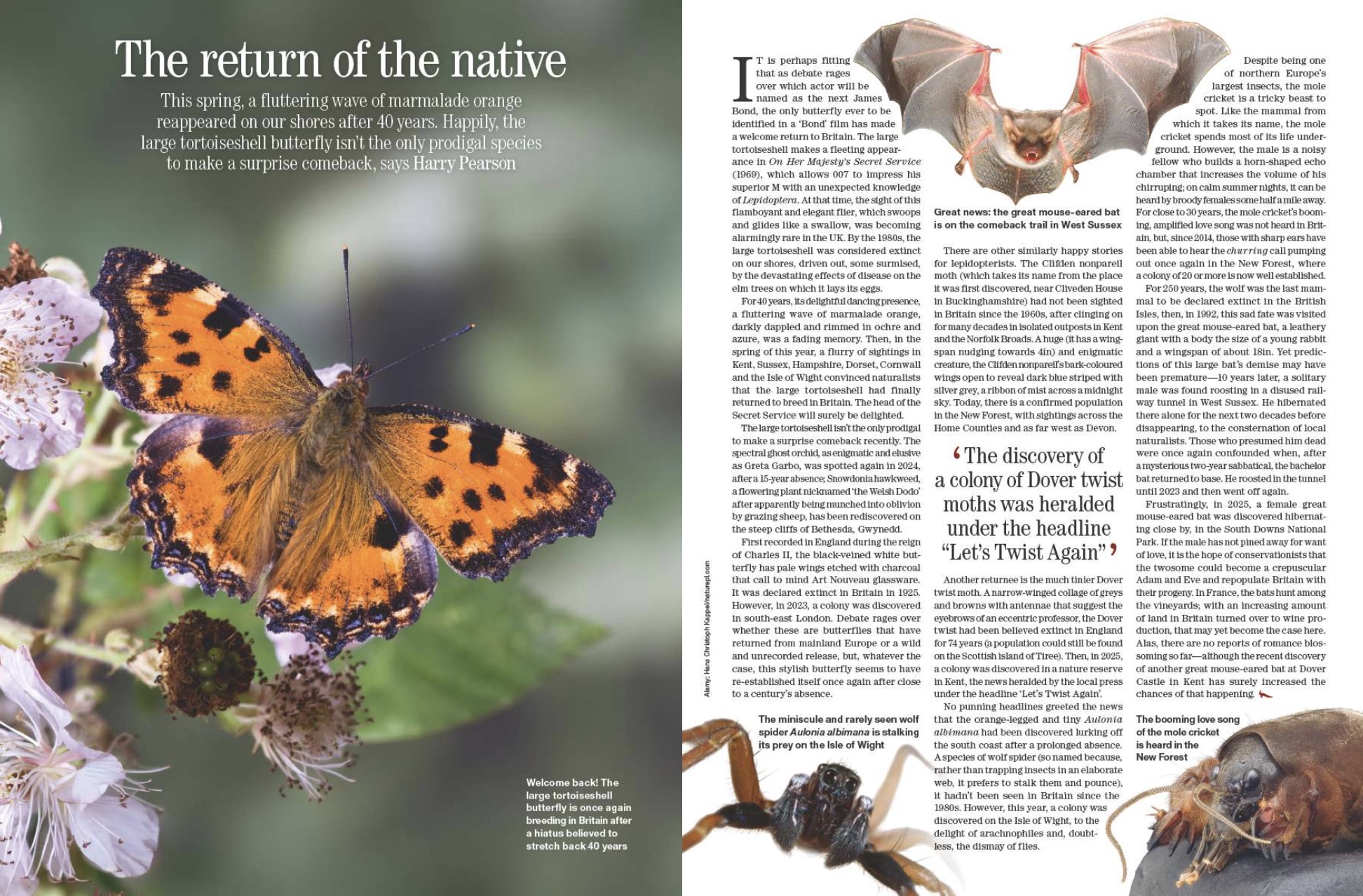
The large tortoiseshell butterfly is back. Harry Pearson hails British species risen from the dead
Luxury
Amie Elizabeth White showcases floral jewels and country classics, plus Rita Konig’s favourite things
Interiors
Amelia Thorpe picks companies that add a touch of craftsmanship to country-house renovations
Arts & antiques
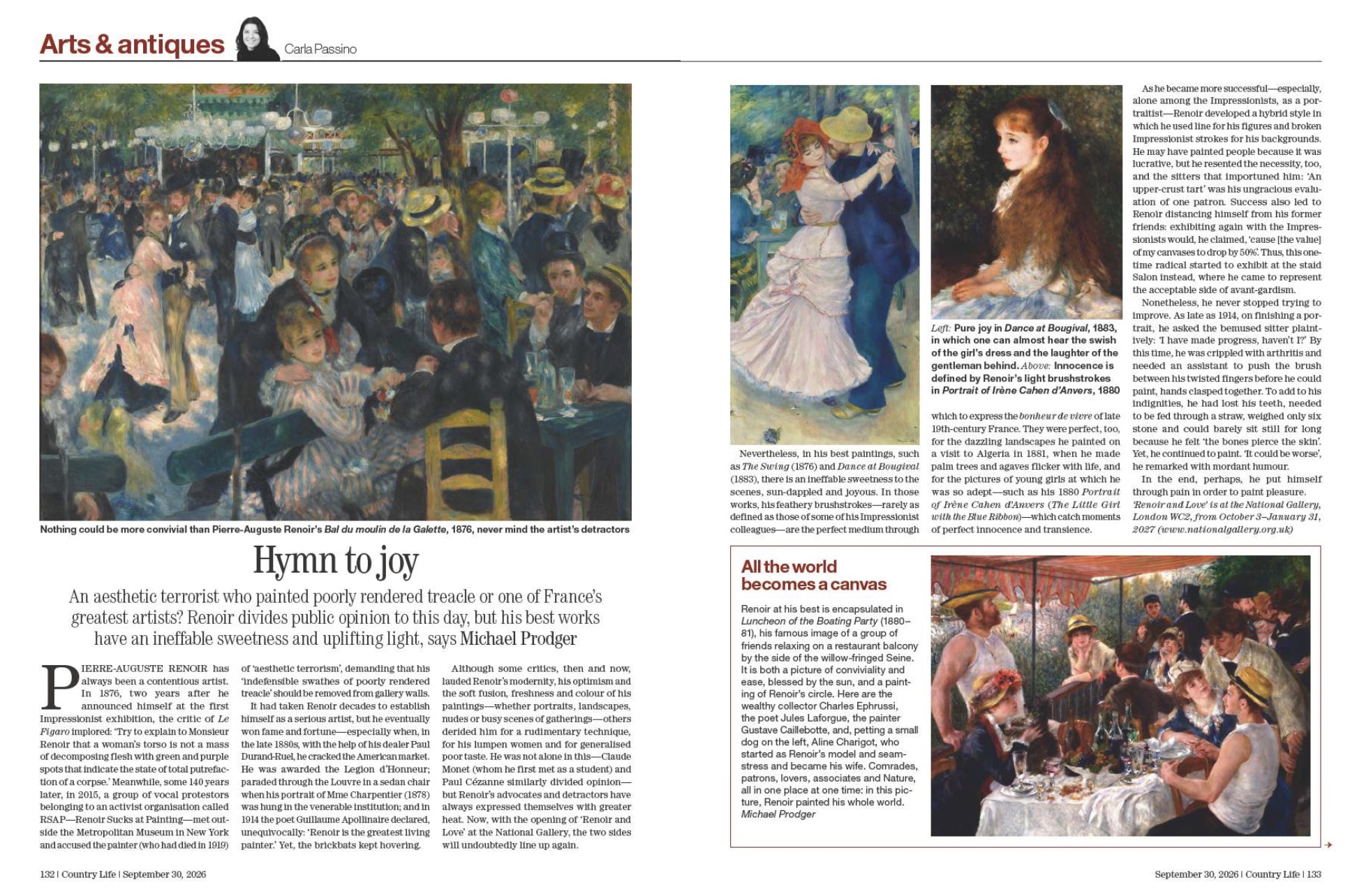
Ahead of a new Pierre-Auguste Renoir exhibition at the National Gallery, Michael Prodger looks at how the French Impressionist is still dividing critical opinion
Countryside mystery
Straying livestock could prove costly in the days of the village pound, as John Wright reveals
Travel
Rosie Paterson visits the Algarve in Portugal and finds a natural haven that is truly worth its salt
Ripe for the picking
From apples to pears and pomegranates, painters down the ages have used all manner of fruit as artistic symbols, as Michael Prodger discovers
Thirty robots made up the first class at a robot school in Hangzhou, east China’s Zhejiang Province. After more than two months of training, four have graduated and landed formal jobs.
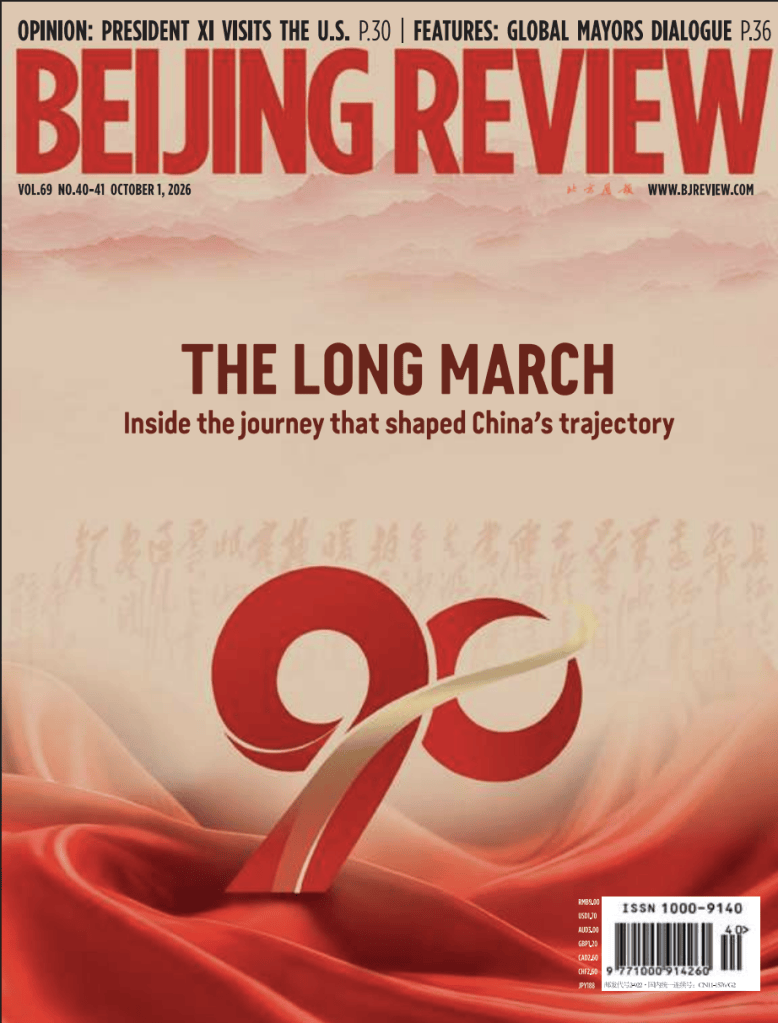
When the idea of the new Long March experience was first presented to me, I was enthusiastic. From early June through late July, we would spend six weeks following part of the route of the original Long March (1934-36) in honor of the journey’s conclusion 90 years ago this October.
The Long March was one of the seminal historical events of the 20th century. It had a transformative impact on the history of modern China.
At the World Intelligence Expo 2026 in Tianjin, I emphasized in my speech the principle that should guide every conversation about artificial intelligence (AI) today, namely without transparent, responsible, and ethical governance frameworks, the transformative potential of AI would be undermined by fragmentation and mistrust. The world now stands at a crossroads. A unified global AI governance framework remains elusive, so the question is no longer whether the EU and China should cooperate, but where and how they can do so most effectively.
Because I’m going to be quite critical of Theo Baker’s How to Rule the World, it feels only right to start with three pieces of sincere praise: the book held my attention all the way to the end, I learned things from it, and I read it twice. These are not reactions I expect most new books to generate, let alone one written by someone not yet of legal drinking age. Hence on this basis alone, I would have to concede that Rule (borrowing Baker’s shorthand for a “secret” Stanford class, about which more below) is a real achievement.
The first marriage in Tuscan history was not between a man and a woman but between a vine and a tree. Before the Etruscans cleared these hills, they were dense with oakwood, through which wild grape vines climbed naturally toward the canopy, wedded to the forest in which they grew. The Etruscans formalized that marriage. Vines were trained up living maples, elms, and poplars. Grapes were cut from ladders or with long sickles. Later Italians called it the vite maritata—the married vine.
After watching Christopher Nolan’s The Odyssey in a sold-out IMAX theater, my husband and I were heading for the exit when we were attacked by smiling employees brandishing free rolled-up posters. Raising our shields, we broke through their phalanx, leaped aboard our vessel moored in the parking lot, and sailed homeward with only a few posters glancing off the moonroof.
In an interview, Mr. Gershkovich, a Wall Street Journal reporter who was imprisoned in Russia for 16 months, described his ordeal and the moment that nearly broke him.
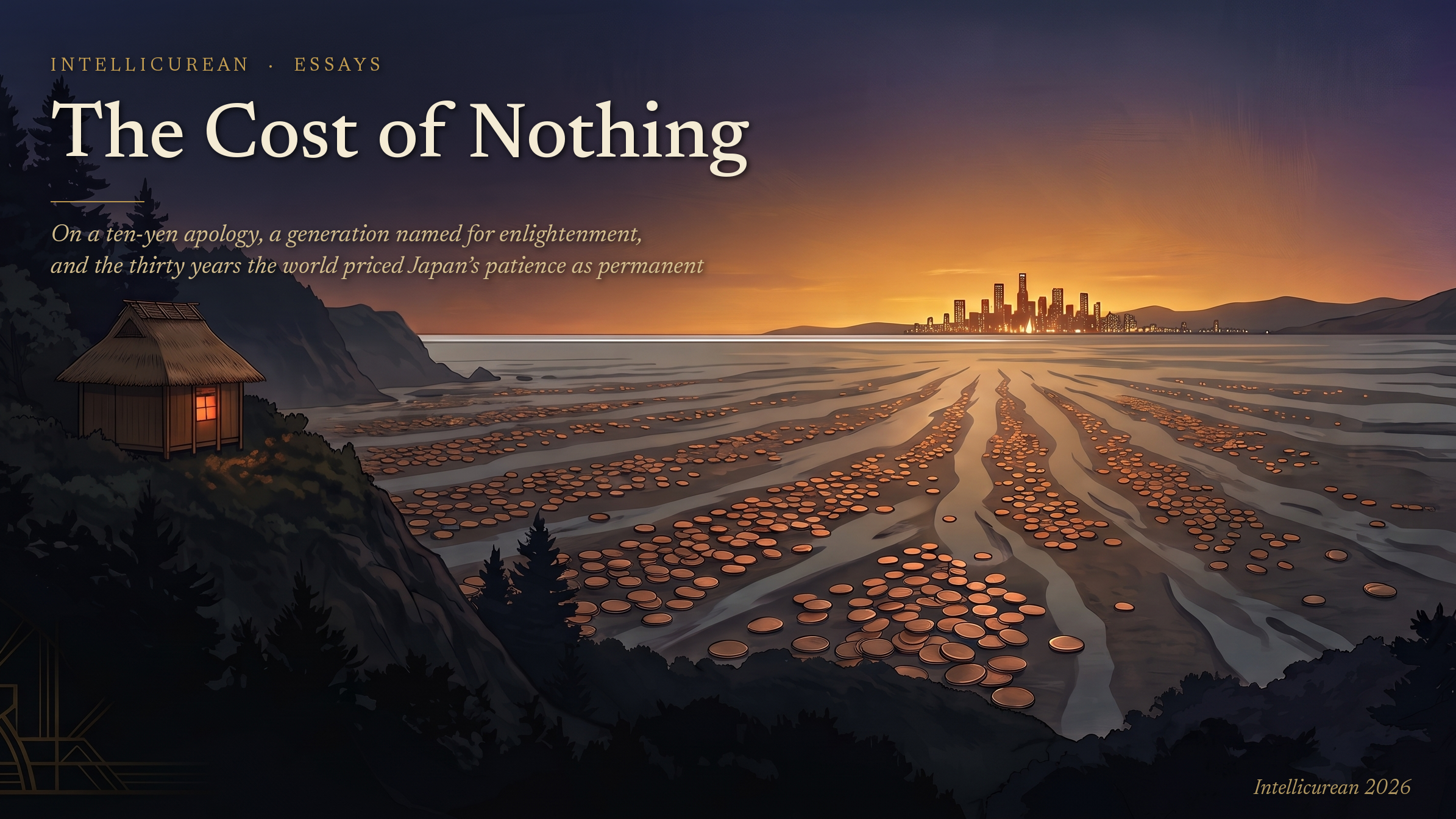
What nothing can cost: for thirty years Japan’s money was almost free to borrow, its young were told they had risen above wanting things, and the rest of the world quietly built on both. Now the tide is coming back in.
The hut, the coins and the city, painted for the essay. An invention, and disclosed as one there.
Why we’re pointing you there
A New York Times column this week warned that Japanese money, abroad for three decades, is starting to go home. Michael Cummins takes that market story and finds a second one underneath it. The same years that made yen the cheapest money on earth also produced a nickname for a whole generation: the satori sedai, the enlightened ones, young people said to want nothing. The essay is careful to keep the two apart. A central bank made the cheap money; a joke on an anonymous message board made the name. But the name was how the stillness got told, and the world priced it as if it would last forever.
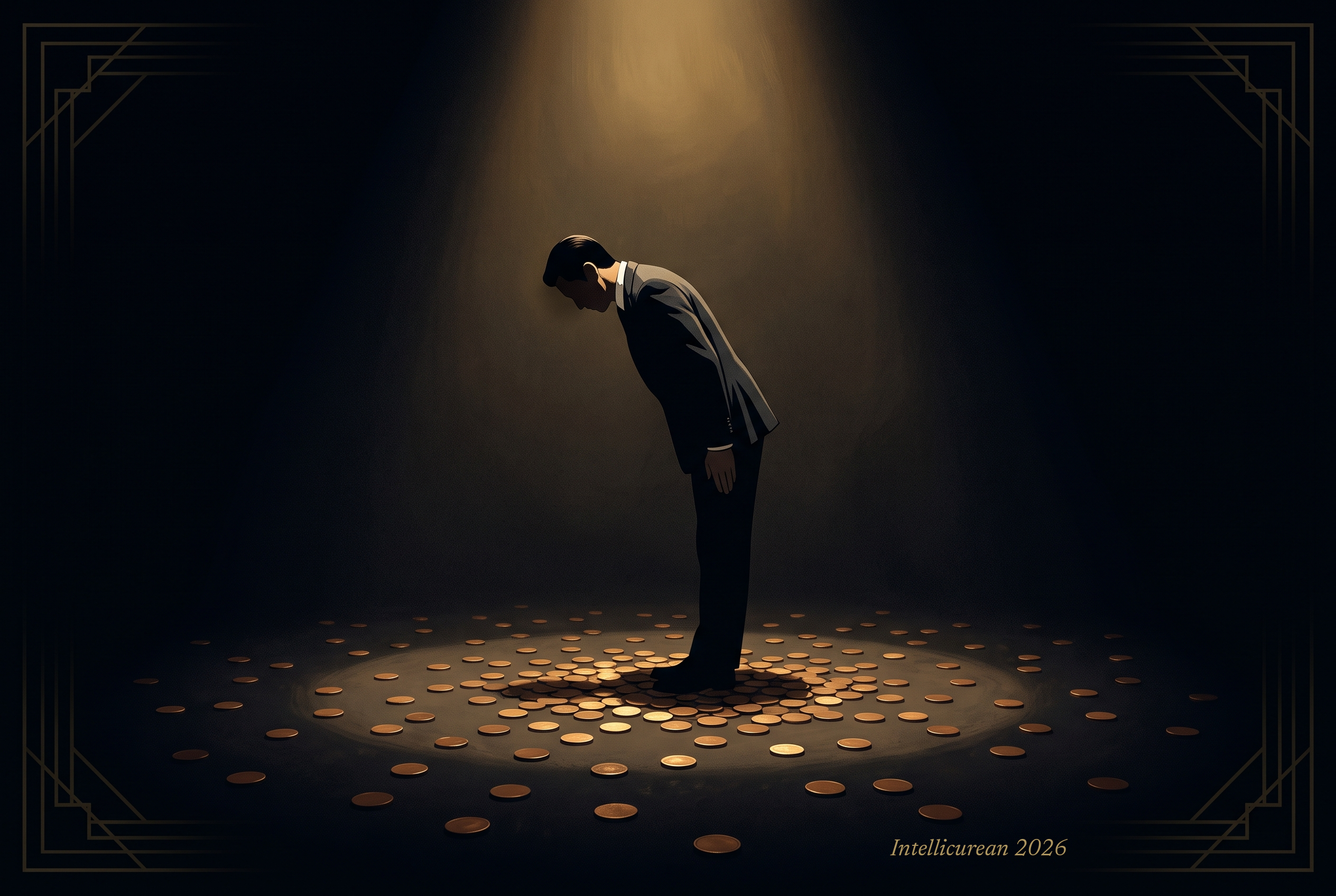
What we liked most is how far back it reaches for its measure. It opens on an ice-pop company bowing on television to apologize for a ten-yen price rise, and it ends in a ten-foot hut built by a monk in 1212, who praised his reduced life and then, at the very end, doubted it. Between them come a young Natsume Sōseki translating that monk into English, a Texas hedge-fund manager ruined by being right too early, and one number about who owns Japan’s debt that explains three decades in a sentence. Both Japanese sources are translated fresh for the piece.
Consumer sentiment is sagging, yet the economy is powering forward, driven by an AI investment boom and people still spending despite the strain of higher prices.