
Tag Archives: U.S. Economy

THE COST OF NOTHING – AN INTELLICUREAN ESSAY

Intellicurean Essays on Intellicurious

What nothing can cost: for thirty years Japan’s money was almost free to borrow, its young were told they had risen above wanting things, and the rest of the world quietly built on both. Now the tide is coming back in.
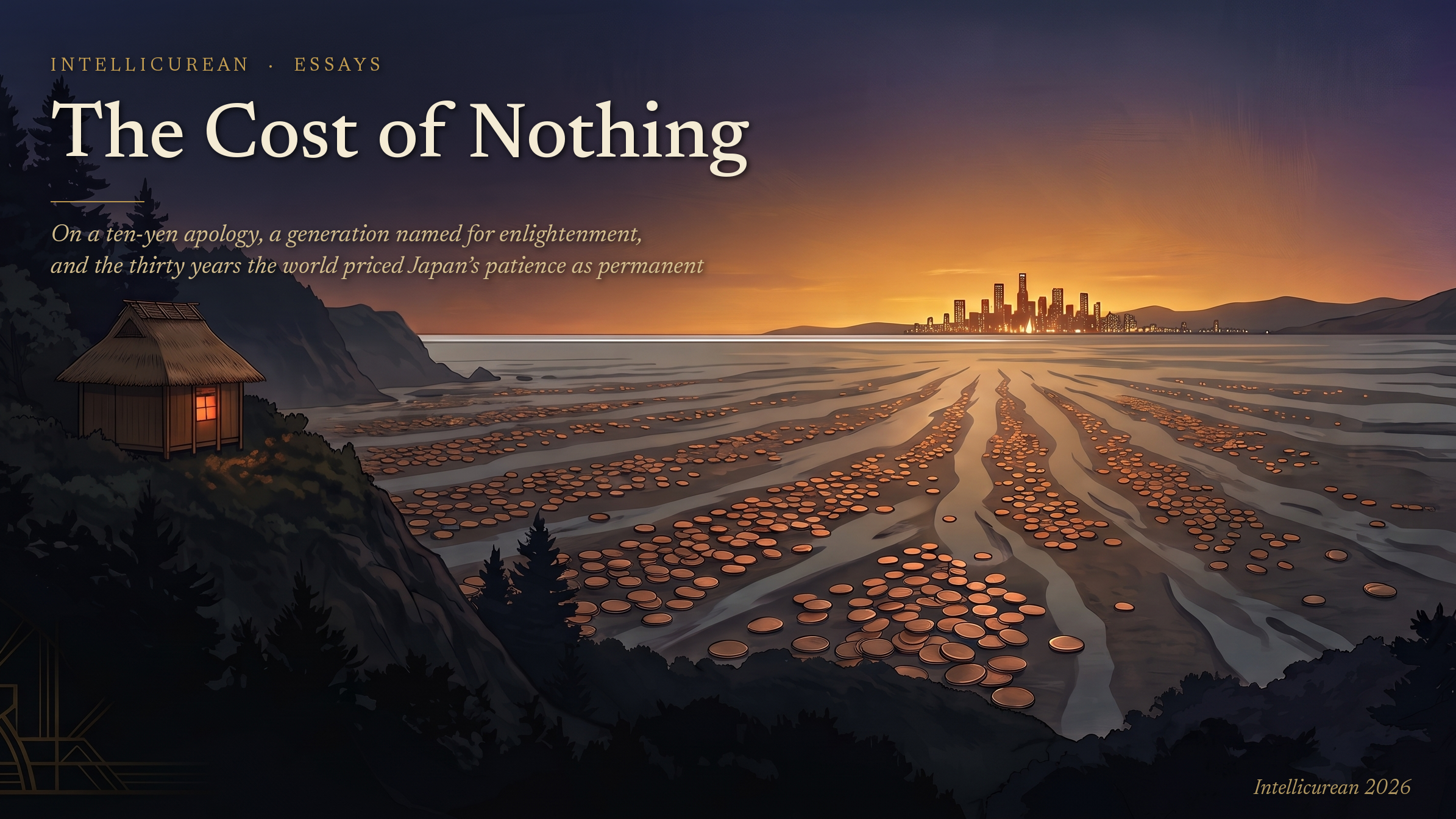
A tiny thatched hut with one lit window on a dark hillside, above a sea that has drawn far out, its bed covered in bronze coins leading to a distant glowing city
The hut, the coins and the city, painted for the essay. An invention, and disclosed as one there.

Why we’re pointing you there

A New York Times column this week warned that Japanese money, abroad for three decades, is starting to go home. Michael Cummins takes that market story and finds a second one underneath it. The same years that made yen the cheapest money on earth also produced a nickname for a whole generation: the satori sedai, the enlightened ones, young people said to want nothing. The essay is careful to keep the two apart. A central bank made the cheap money; a joke on an anonymous message board made the name. But the name was how the stillness got told, and the world priced it as if it would last forever.

What we liked most is how far back it reaches for its measure. It opens on an ice-pop company bowing on television to apologize for a ten-yen price rise, and it ends in a ten-foot hut built by a monk in 1212, who praised his reduced life and then, at the very end, doubted it. Between them come a young Natsume Sōseki translating that monk into English, a Texas hedge-fund manager ruined by being right too early, and one number about who owns Japan’s debt that explains three decades in a sentence. Both Japanese sources are translated fresh for the piece.

A lone figure in a dark suit bows deeply under a single spotlight, on a dark floor scattered with plain bronze coins
A bow over small change, painted for the essay.

Read the full essay at Intellicurean →

Essays & Reviews for the Intellectually Curious
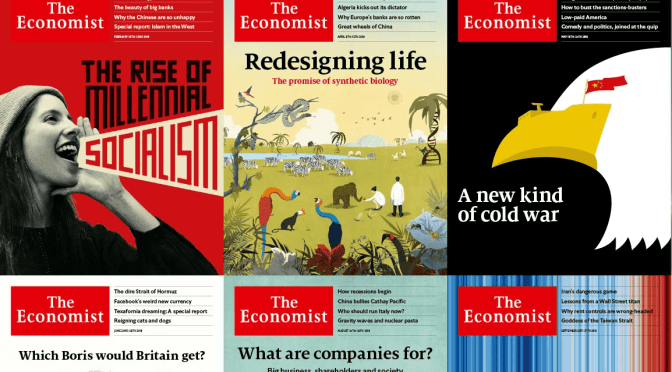
The Economist Magazine – January 4, 2025 Preview

THE ECONOMIST (January 3, 2025): The latest issue features The fight over America’s economy…

Tech is coming to Washington. Prepare for a clash of cultures

Out of Trumpian chaos and contradiction, something good might just emerge

Finland’s seizure of a tanker shows how to fight Russian sabotage

The growing threat to undersea cables demands a robust response

To see what European business could become, look to the Nordics

The region produces an impressive number o

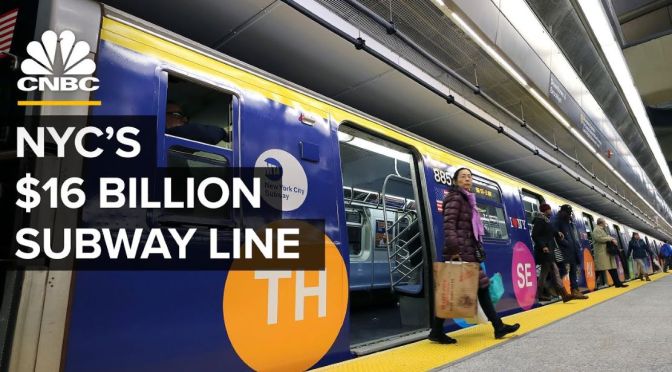
Public Transit: NYC’s $16 Billion Subway Line Costs

CNBC (May 13, 2023) – Public transit can be extremely valuable for a city’s economy – in New York City 85% of the people who travel into the business district below 61st Street take some form of public transportation.

Chapters: 00:00 — Introduction 01:39 — Second Avenue Subway 06:45 — A national problem 08:37 — Subway costs 15:31 — Solutions

In several major cities – New York, Boston, Washington, D.C., and San Francisco – the subway and other rapid rail systems are key contributors to the prosperity of the city. In NYC for example, more than $37 billion of the Metropolitan Transportation Authority’s $54 billion budget goes to subways. But building subways in the U.S. is very expensive.

In fact, it’s the sixth most expensive country to build rail transit in the world. And even that is likely an understatement. High labor costs, overbuilt tracks and stations, and onerous regulations all jack up costs. NYC’s sheer population density makes it rather worth it – so many people ride the subway that the cost per rider is comparable to many European cities where total expenditures are substantially lower.

However, the high costs hurt the case for public transit in less dense areas of the country. Lowering those costs could go a long way toward building affordable and accessible public transit for smaller cities around the country and reducing traffic congestion, pollution and traffic accidents.

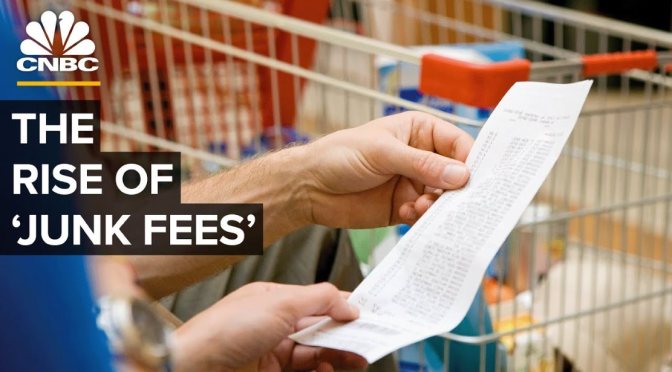
Business: How ‘Junk Fees’ Invaded The U.S. Economy

CNBC (April 25, 2023) – Americans are collectively spending nearly $65 billion on sneaky fees, according to the White House. “It really seems like companies have become addicted to junk fees,” Lina Khan, chair of the Federal Trade Commission, told CNBC.

Junk fees are making companies billions of dollars richer. Watch the video above to learn more about where junk fees hide, details of proposed changes, where policy may fall short and whether increased regulatory oversight may be enough to squash junk fees once and for all. Chapters: 0:00 Introduction 1:26 Defining ‘junk’ fees 5:34 Squashing fees 7:52 Policy problems 10:02 The future of fees

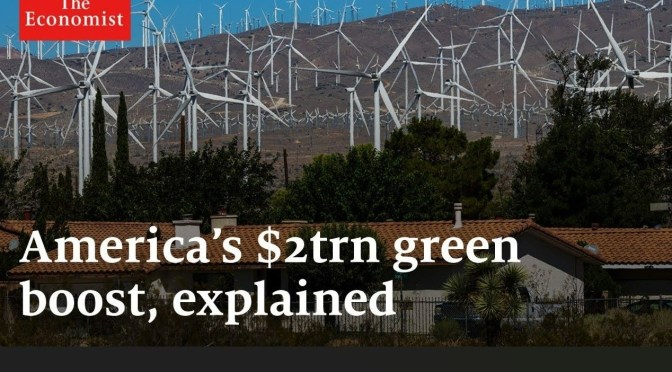
American Economy: The $2 Trillion Green Stimulus

The Economist (March 2, 2023) – America is spending trillions of dollars in an effort to make the country stronger, greener and richer. These are the three key things you need to know about the plan and its chances of success.

Video timeline: 00:00 – A new green America 00:30 – Democrats are being ambitious 01:14 – Manufacturing will move to America 01:53 – Planning could be a stumbling block

To read more about Biden’s plans to remake America’s economy: https://econ.st/3IEGNiP

Previews: The Economist Magazine- February 4, 2023

Image

View

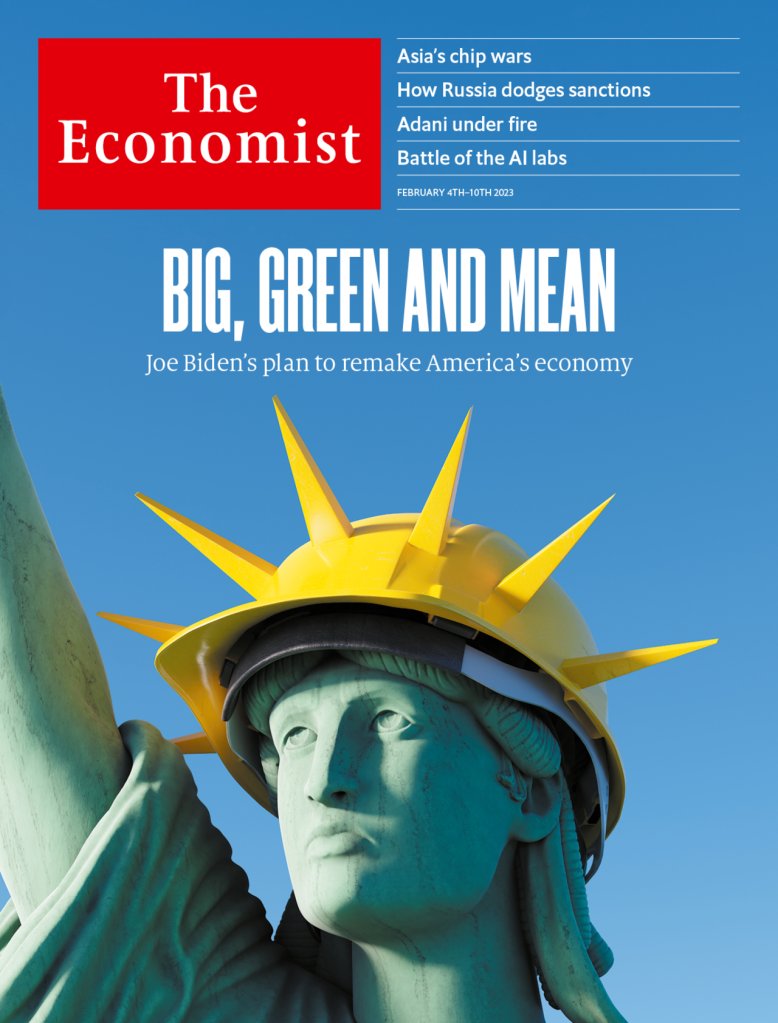
The Economist – February 4, 2023 issue:

Joe Biden’s effort to remake the economy is ambitious, risky—and selfish

But America’s plan to spend $2trn could help save the planet

Nagging questions over the Adani empire won’t go away

A short-seller’s report raises uncomfortable questions for India’s policymakers, too

Why the West’s oil sanctions on Russia are proving to be underwhelming

Another embargo comes into force on February 5th. Manage your expectations

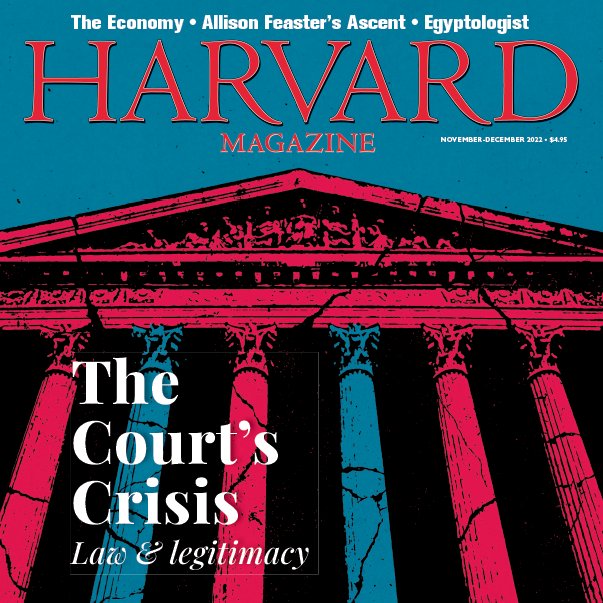
Cover Preview: Harvard Magazine – Nov/Dec 2022

Image

Justice Elena Kagan, in Dissent

Ebbing trust in the Supreme Court, and what to do about it

The Off-Kilter Economy

Reckoning with inflation and its remedies

Energy-Saving, Low-Cost Air Conditioning

Two new technologies could provide an eco-friendly cooling solution.

Morning News: U.S. Fuels World Economy, Crypto Closure, Venmo Change

A.M. Edition for June 28. WSJ’s Tom Fairless discusses the U.S. presence in the worldwide economic movement. Crypto exchange Binance is ordered to cease U.K. activities.

WSJ markets columnist Mike Bird on stock and commodity growth. And, Venmo makes a change. Marc Stewart hosts.

Morning News Podcast: U.S. Economy, Gold Prices & Covid-19 Vaccine Sites

A.M. Edition for April 2. WSJ’s Paul Hannon on the impact the U.S.’s expected economic expansion may have on the global economy this year. 

Gold futures have their worst quarter since 2016. Getting a Covid-19 shot is a celebration at some vaccination sites. Keith Collins hosts.

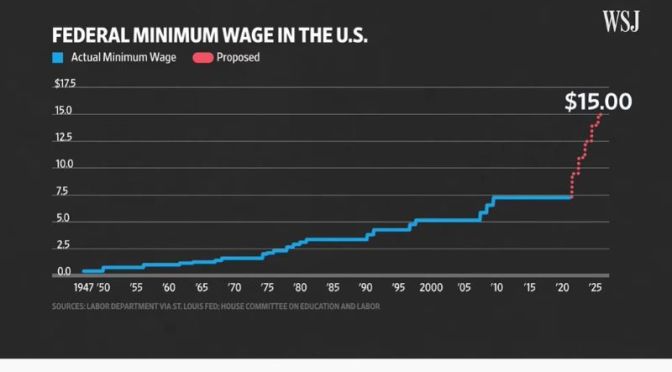
The Economy: How A $15 Minimum Wage Effects It

Biden has identified raising the minimum wage as a key goal of his administration, but economists and lawmakers disagree on the potential impact. WSJ asked two economists and a minimum-wage worker what the costs and benefits of a $15 minimum wage might be. Photo: Bill Clark/Congressional Quarterly/Zuma Press