


The fox knows many things, the proverb says, and the hedgehog knows one big thing. But in the oldest story we have of the two actually meeting, it is the fox who knows one big thing, and Aesop used it to plead for a thief’s life.

Why we’re pointing you there
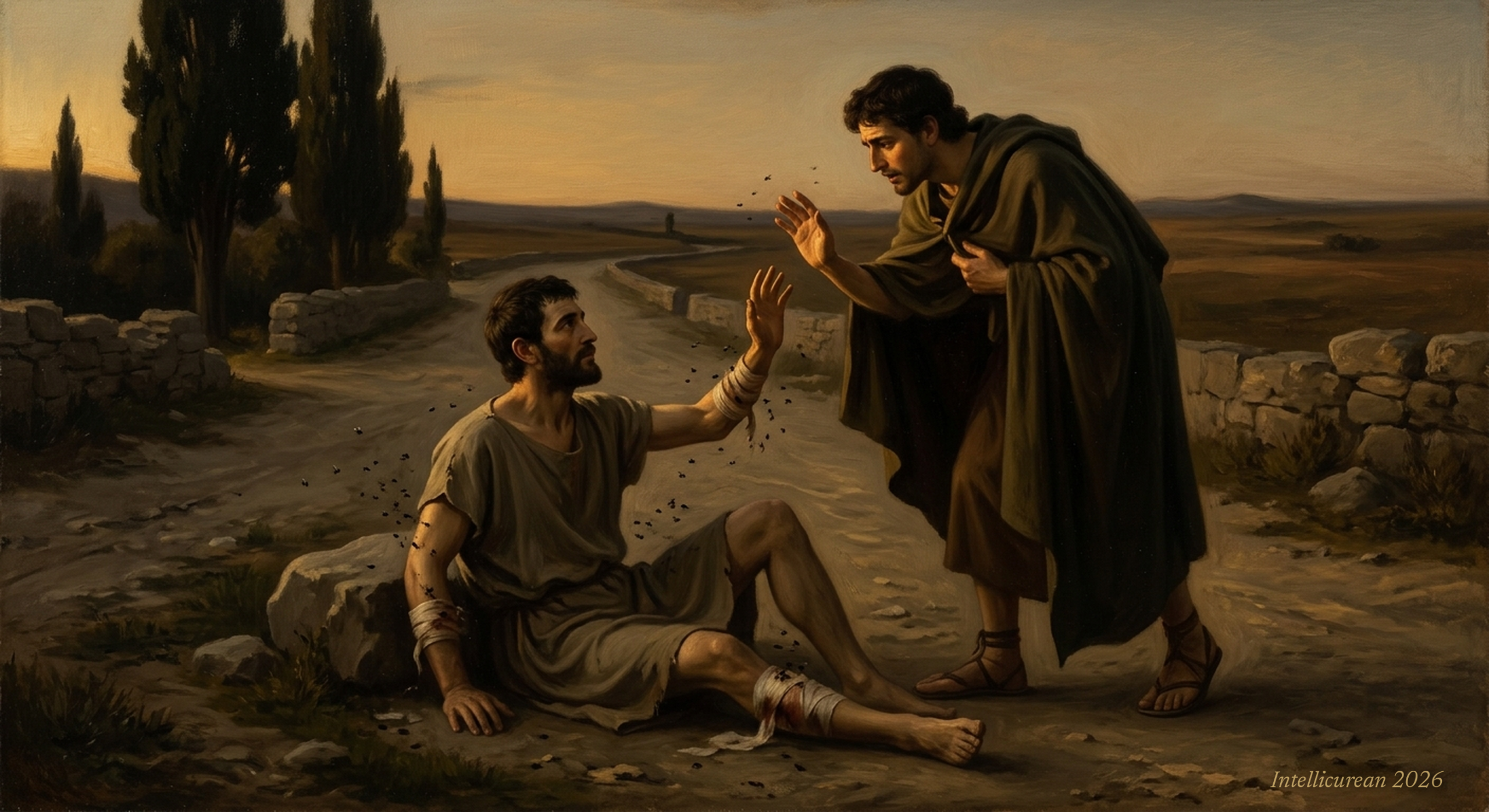
Isaiah Berlin made the fox and the hedgehog famous as two kinds of mind, and forecasters have since made the fox the one to be. Michael Cummins goes back to a story Aristotle preserved in his Rhetoric. A fox swept into a hole in the rocks is covered in fleas. A passing hedgehog offers to pick them off, and she refuses: these fleas are full, and new ones would be hungry. Aesop told it to an assembly on Samos to argue that a rich man on trial for his life should be spared, because a poor successor would steal more. Aristotle kept the speech and never recorded the verdict.
What we liked most is what the essay notices in the details. The fox’s refusal only makes sense because she can’t get out of the hole. Four centuries later, Josephus has the emperor Tiberius tell the same story to explain why he left his governors in place so long. The emperor’s version has no hole, and his reasoning is sharper than the fable’s. The essay says so plainly, and then shows what that sharper reasoning made possible. It ends on the hedgehog, the one character who never gets to answer. Every quotation from the ancient texts has been checked against the texts themselves.
Read the full essay at Intellicurean →
Essays & Reviews for the Intellectually Curious

