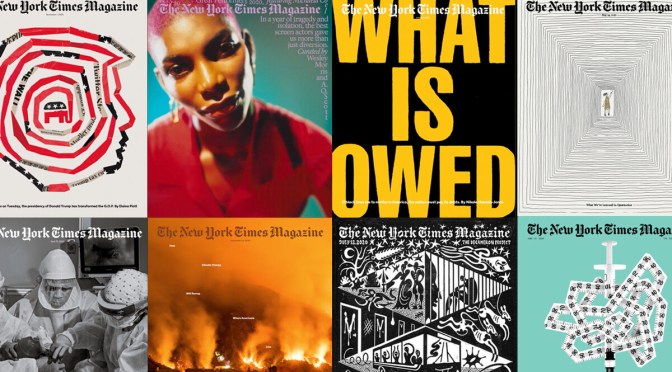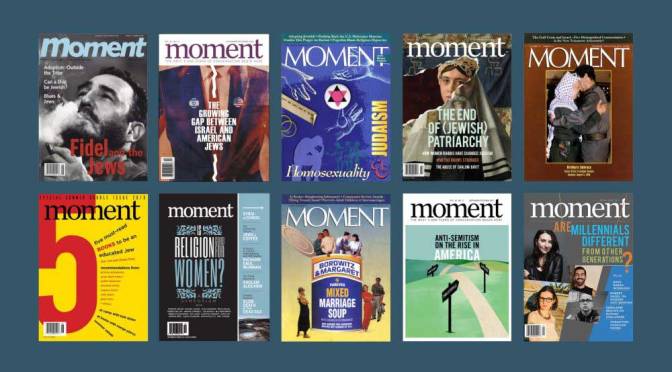
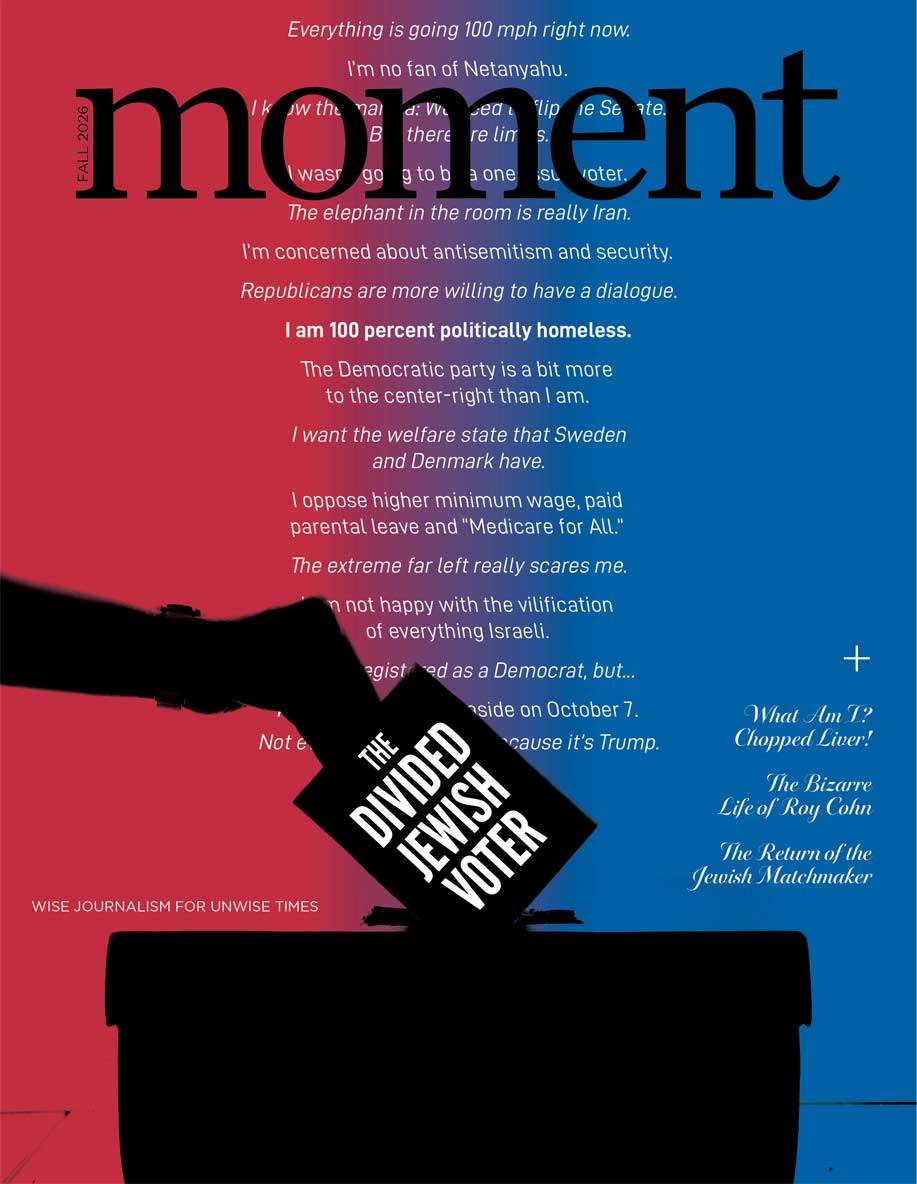
MOMENT MAGAZINE – FALL 2026 ISSUE PREVIEW

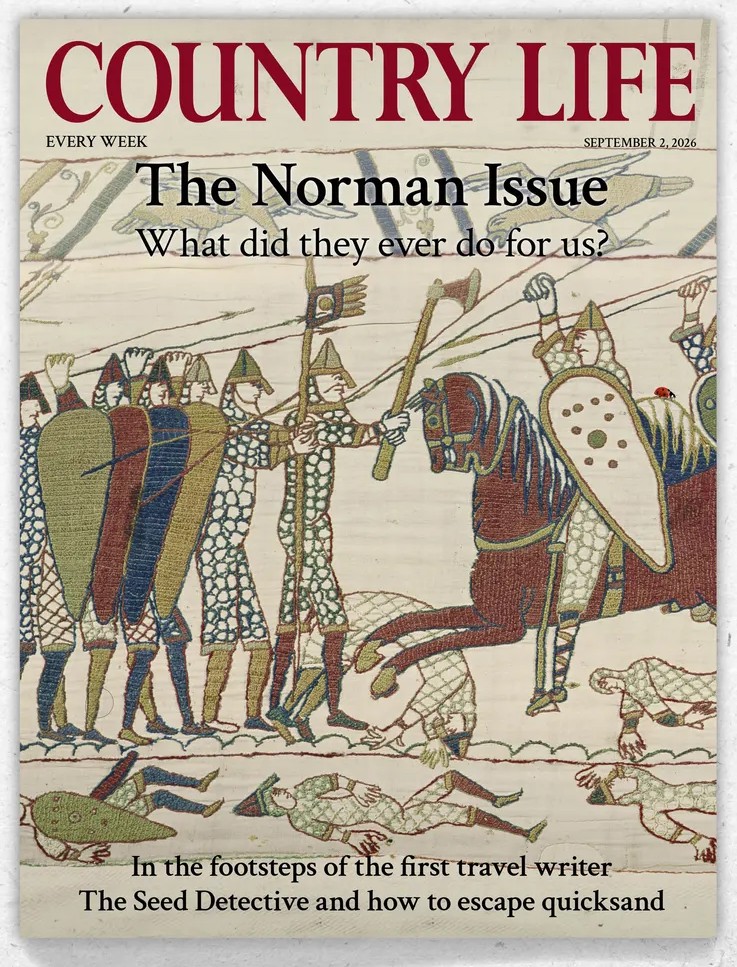
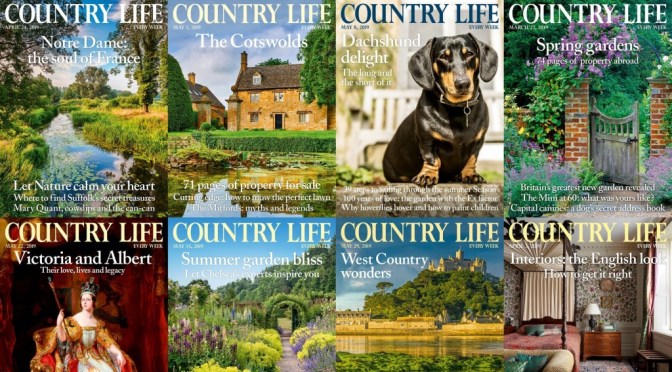
COUNTRY LIFE MAGAZINE: The latest issue features…
Edward Impey admires the ambitious attempt to revive early-12th-century interiors at Norwich Castle keep in Norfolk
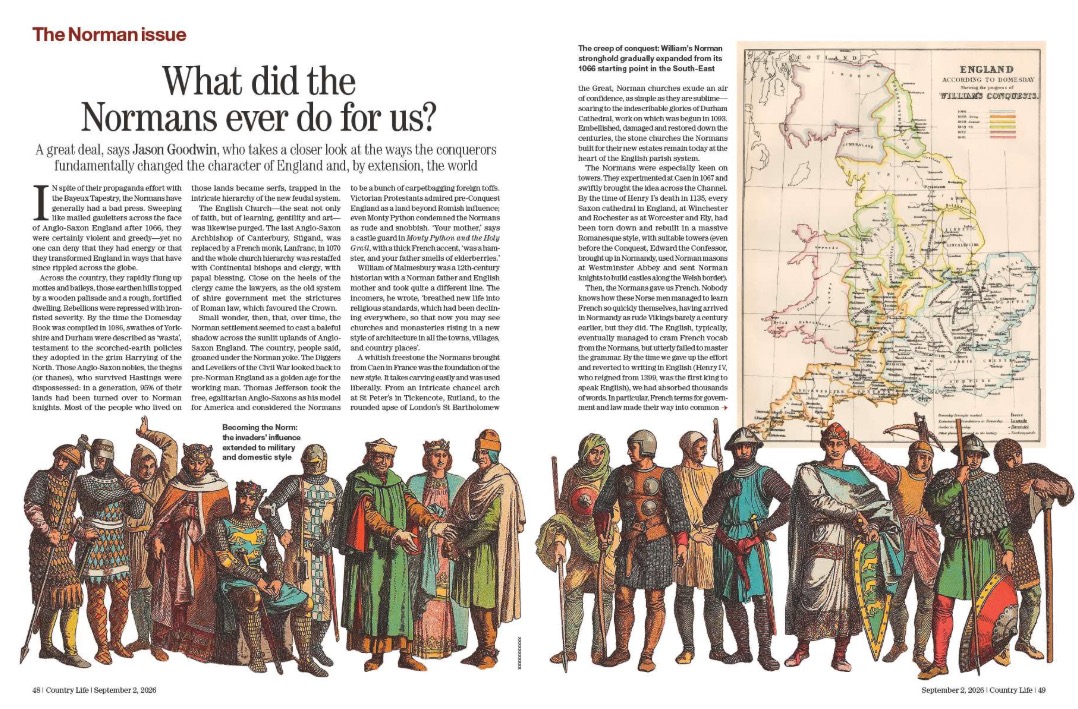
What did the Normans ever do for us?
Jason Goodwin examines how the 1066 invasion by William the Conqueror changed the character of England forever
Walk on the wild side
Nicholas Crane re-creates the 1,000-mile, 12th-century journey undertaken by Gerald of Wales, Britain’s first great travel writer
Architecture as power
The monumental castles and churches the Normans left behind still express their strength in stone, reveals John Goodall
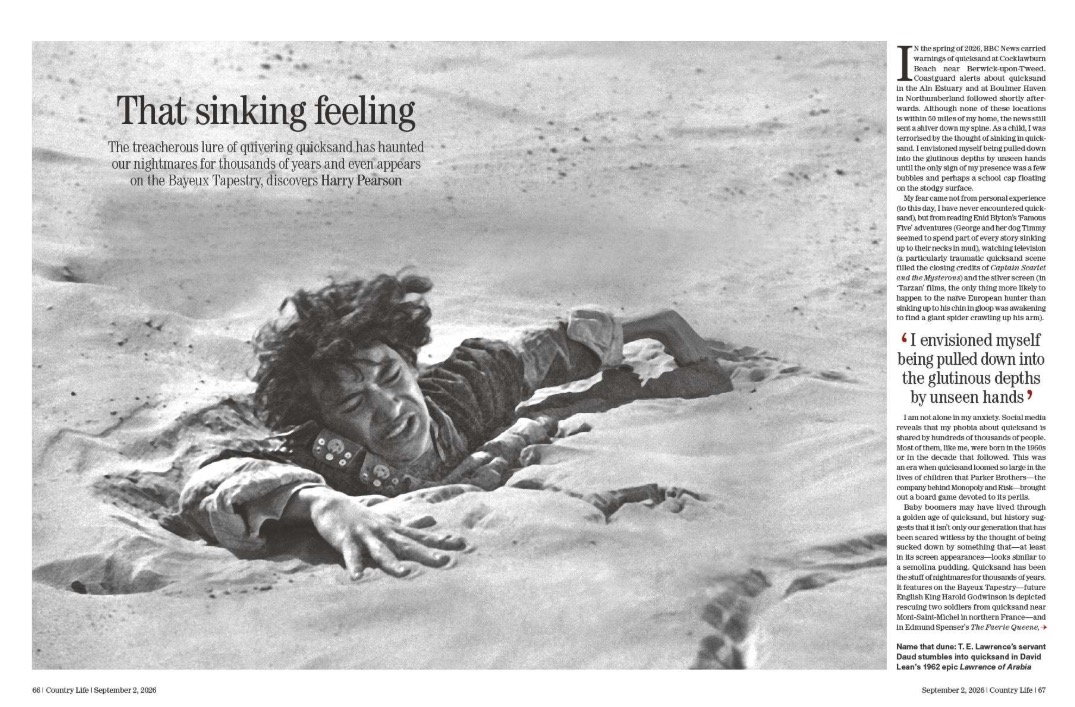
That sinking feeling
Quicksand is the stuff of many a nightmare. Harry Pearson tries not to get sucked in
Arts & antiques
Artists have long been inspired by the Battle of Hastings, as Carla Passino discovers
Michael Whitehall’s favourite painting
The podcast co-host chooses an arresting work expressing movement and fleeting beauty
Save our seeds
Seed Detective Adam Alexander issues an appeal to gardeners to revive the Victorian tradition of gathering life-giving pips
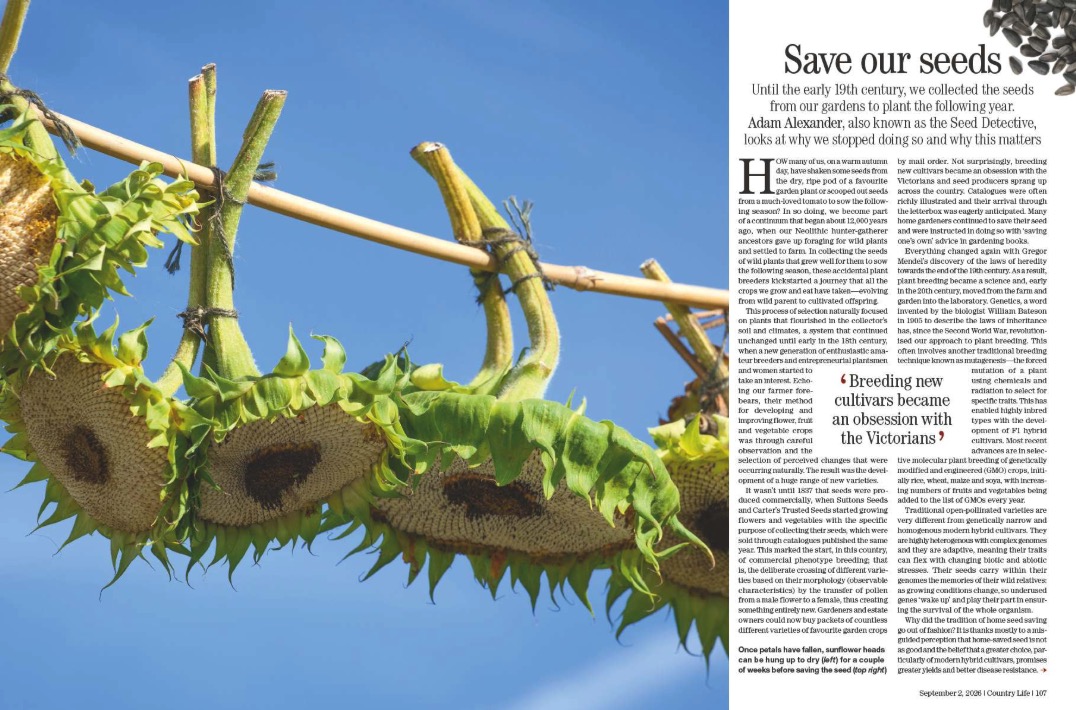
The legacy
The fossil-hunter Mary Anning helped put palaeontology front and centre, finds Kate Green
Country-house treasure
The golden Jean Tijou gates at Burghley House in Lincolnshire catch the eye of John Goodall
New series: Countryside mysteries
In the first of a series on rural riddles, John Wright cracks the old conundrum of strip lynchets
Yell for leather
Corinne Julius meets the animal-hide experts conserving historic objects from their Leicester HQ
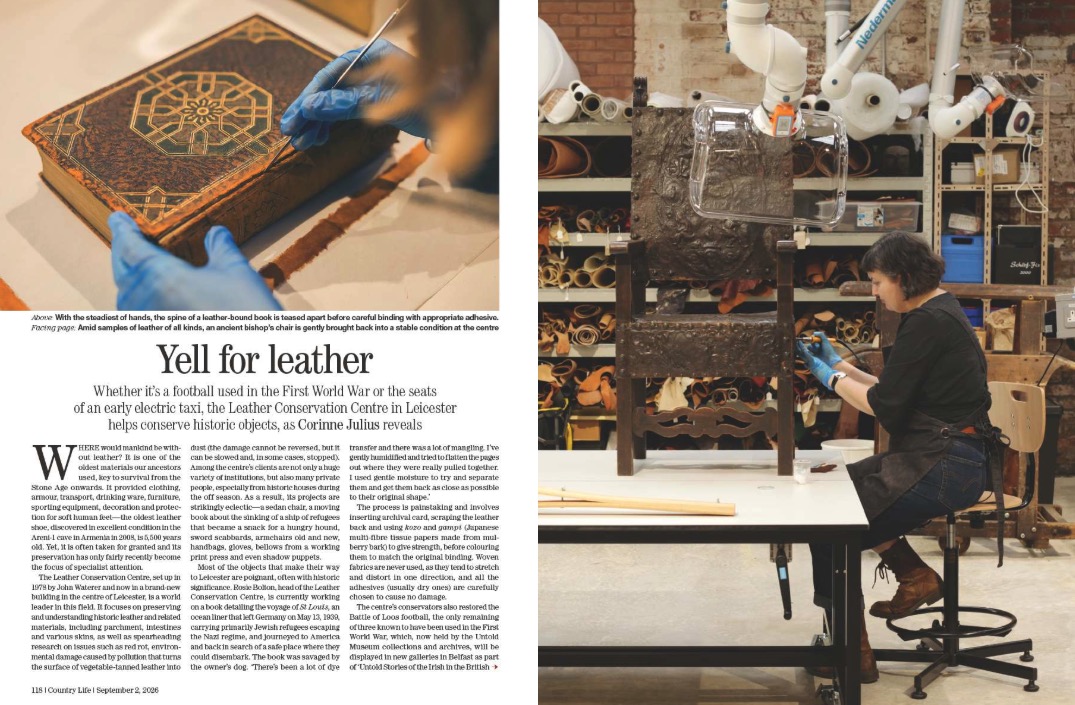
You little cracker
The neglected Kentish cobnut is making an overdue come-back, suggests Susan Low
Luxury
The runway returns and Amie Elizabeth White’s earthy tones
Interiors
Amelia Thorpe picks out elegant fittings to elevate the bathroom
Will Hosie asks what makes a pub a pub and eyes properties with a pop of colour, plus our writers have all you need to know this month and Gio Fio marvels at the reinvention of the north bank of the Thames

Out on the prairie
American plants may be the answer to our warming climate, reports Charles Quest-Ritson
Travel
Pamela Goodman roots around in the Nadder Valley in Wiltshire
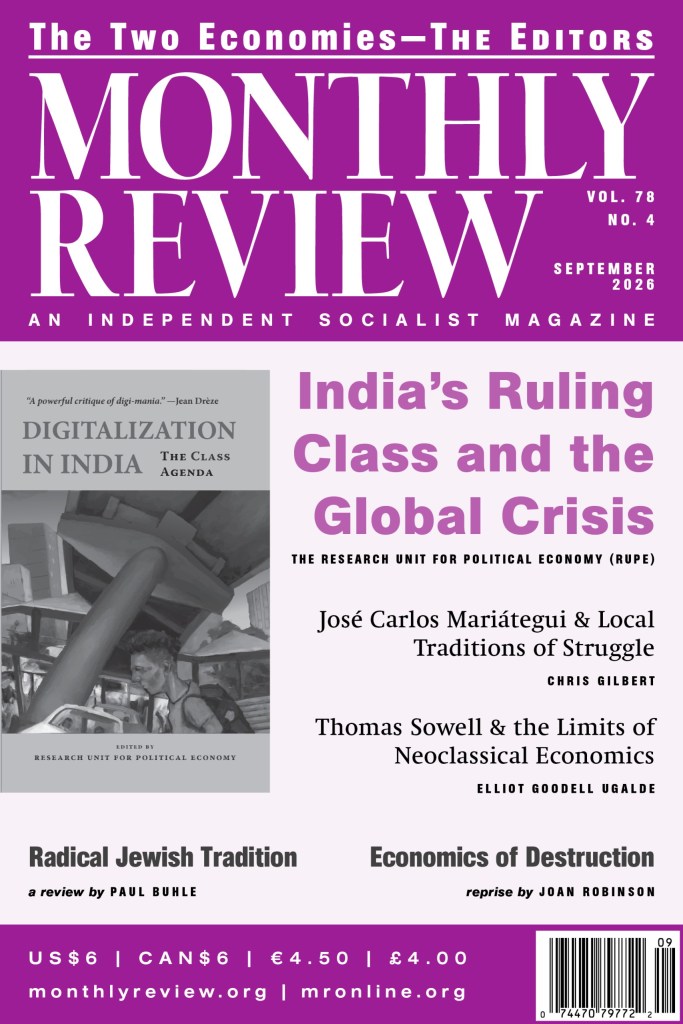
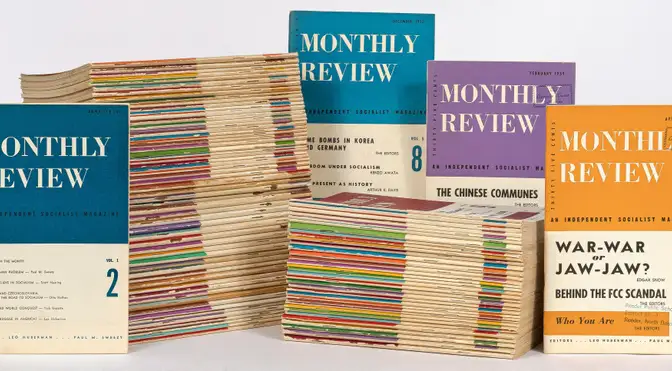
MONTHLY REVIEW MAGAZINE: The latest issue features ‘India’s Ruling Class and the Global Crisis’….
In recent years, India’s ruling classes claimed—and perhaps came to believe—that their time had come on the world stage. India was the fastest-growing major economy, due soon to be the third largest, constituting a new global power. India’s biggest tycoons figured among the world’s top twenty billionaires, part of the transnational elite. Prime Minister Narendra Modi declared that India would be a “developed country” by 2047, the centenary of the end of colonial rule.

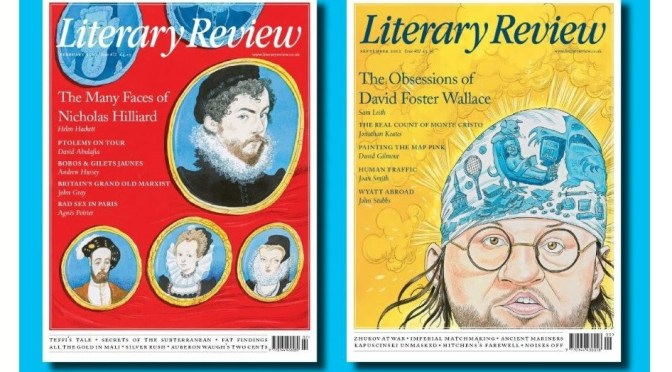
It’s getting on for twenty-four years ago that I first read Patricia Highsmith’s The Talented Mr Ripley (1955). Books tend to come to us when we need them, and it’s easy to see why Tom Ripley’s project of self-reinvention and triumphant class resentment was so appealing to me as a twenty-year-old undergraduate.
Few groups in history have been so variously defined, quarrelled over, misrepresented and appropriated as the Vikings. Their identity elusive, they have been passed around like historiographical tokens to the detriment of a deeper understanding of their cultural and political milieu. Neil Price’s The Sea-King and the Sorceress sidesteps these often sterile debates by examining the lives – and deaths – of more than twenty figures from the Viking Age and using them to shed light on wider themes, a bottom-up approach which is both logical and engaging.
A highly readable gallop through one of the world’s most complex political environments, The Cauldron is brilliant on narrative, weaker on analysis. Simon Sebag Montefiore has set himself a formidable task: to compress the modern history of a region extending from Morocco to Iran, and from the fall of the Ottoman Empire to the wars of 2026, into a single volume. The result is an exuberant pageant of sultans, shahs, kings, colonels, spies, revolutionaries and assassins. Few historians could move so confidently from the salons of Cairo to the palaces of Riyadh, from Atatürk’s Ankara to Khomeini’s Najaf, while keeping so many figures vividly in play.
When Donald Trump fired him after just eleven days as his director of communications, Anthony Scaramucci thought his career was over. He had become such an object of ridicule that a crisis PR adviser suggested he lie low for a few years before attempting to start again. Instead, the self-styled ‘front stabber’ from New York – who had naively assumed that a successful Wall Street career could equip him for the toxic political swamp of Washington, DC – launched himself into a round of media interviews, choosing to roll with the punches.

Gordon Cullen’s drawings for Townscape, his guide to urban planning, lend the subject a beguiling romanticism
The long-running fair dedicated to Italian art rests on the quality of its pre-19th-century offerings – and there’s much to delight here
Paintings made during the struggle for unification and independence are a niche interest abroad, but a few gems have risen to the top
Businesses of all sizes might be forced to go back to basics if they want to survive

THE NEW YORK TIMES MAGAZINE: The 8.30.26 Issue features Charles Homans on Democratic Socialists; Chien-Chi Chang on civil-defense drills in Taiwan; Jon Ronson on Greg Chism’s strange journey with YouTube; and more.
Her latest novel appears to savage a celebrity. But Cusk has, once again, managed to turn herself into the victim.
In 1980, feminists were often stereotyped as man-hating or out of touch. Then Parton gave the movement a boost — and an anthem. By Susan Dominus
I traveled around the country to find out if “Adventures of Huckleberry Finn” still has a place in the classroom. By Ruth Franklin
The word today applies to more than religious sects, but it says something about our worshipful attitude toward consumption. By Sophie Haigney

THE NEW YORKER MAGAZINE: The latest issue cover features “Nicole Rifkin’s “Pure Gold” – We will always love you.
Dolly Parton belonged to a beloved category: the outlaw Christian, who loved Jesus and refused to hate anyone else.
Why do we love trash and hate slop? Neil Breen’s so-bad-they’re-great movies elucidate the difference.
Flash floods, triggered by a glacial collapse in the Himalayas, have killed at least five hundred people in a nation that has contributed little to climate change but is disproportionately affected by it. By Ishaan Tharoor
Even while refusing to admit legal fault, the parent company of Facebook and Instagram has accepted, for the first time, that much of its business model is unacceptable for children. By Nathaniel Lubin
The breakneck expansion of settlements in the West Bank has rendered American talk of a two-state solution increasingly irrelevant.

WASHINGTON EXAMINER MAGAZINE: ‘25 Years After 9/11′ – Lessons not learned about Islamic terrorism…
Islamist propagandists have bombarded Americans for two and a half decades, taking advantage of our tolerance, and have persuaded much of the decent public that criticizing, opposing, and pushing back against Islam is racist. By Hugo Gurdon
In countless American minds, Brexit and President Donald Trump are linked, and not in a good way.
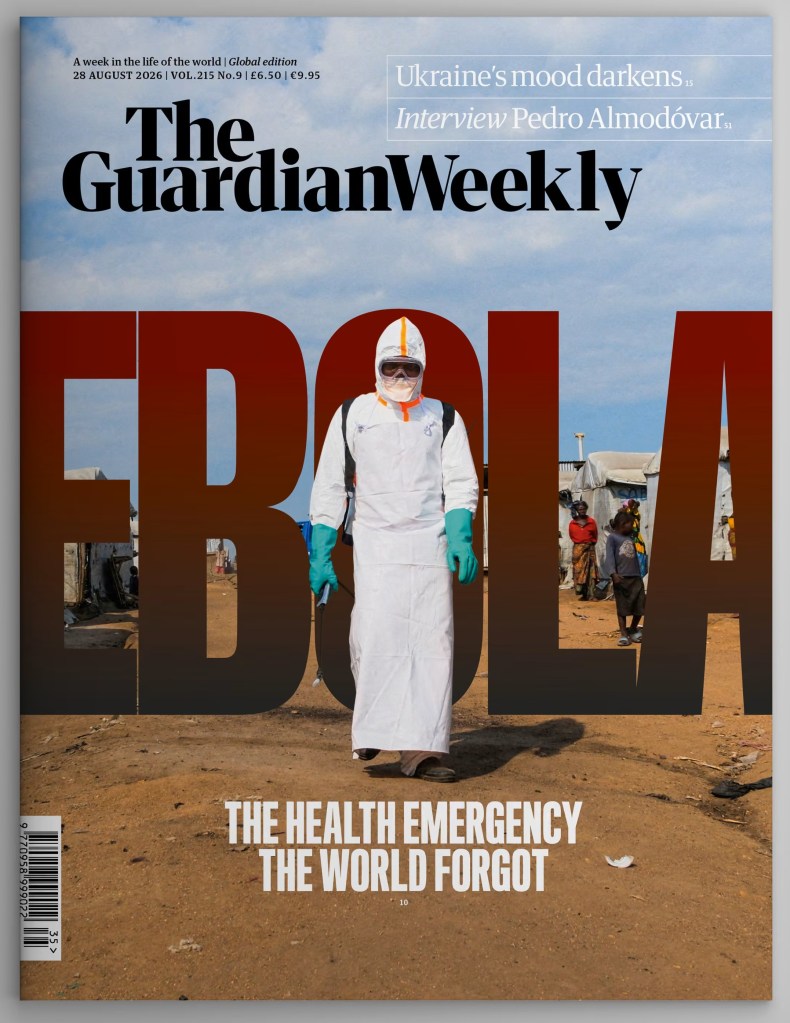
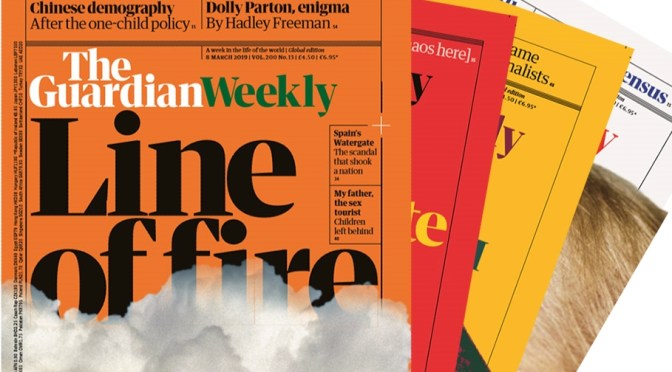
THE GUARDIAN WEEKLY: The latest issue features ‘The forgotten health crisis’ – DRC’s Ebola outbreak passes grim milestone.
The Democratic Republic of the Congo has just passed the grim milestone of 100 days since it declared its 17th Ebola outbreak.
What is the fastest-growing Ebola outbreak on record could also become the world’s deadliest ever.
For our big story this week, Prosper Heri Ngorora and Rachel Savage report on the frontline health workers who say, as the disease spreads “exponentially”, they have been left unpaid and at risk of infection.
Explaining the figures behind the outbreak, and the race to find vaccines and treatments, global health correspondent Kat Lay answers five key questions.
And Jean Kaseya, director general of the Africa Centres for Disease Control and Prevention, and Tedros Adhanom Ghebreyesus, director general of the World Health Organization, write that tapping into community leadership and knowledge is essential to halting the virus’s spread.
Spotlight | ‘We will go on – but it will be more scary’
Dan Sabbagh reports from Kyiv where, as Russian missiles rain down, casualties are mounting and the mood is darkening
Environment | Killed by kindness
Scientists were surprised to find all but two of 12 grizzlies died within a year of their “feelgood” release, unable to sustain their high-calorie diet and inclined to approach humans, writes Rebecca Ratcliffe
Feature | A family at war
Meaghan Beatley tells the remarkable story of a young Argentinian activist who thought her father’s disapproval of her leftwing views was purely political. But one evening, a kiss goodbye sent her on a remarkable journey that continues today
Opinion | Marine Le Pen’s career resurrection
No longer banned from next year’s presidential election, the far-right veteran is a bigger threat than ever, says Mujtaba Rahman
Culture | Playing the bad guy
As his new film Bitter Christmas is released, legendary Spanish director Pedro Almodóvar talks to Ryan Gilbey about Donald Trump, Netflix – and being the villain in his own movie

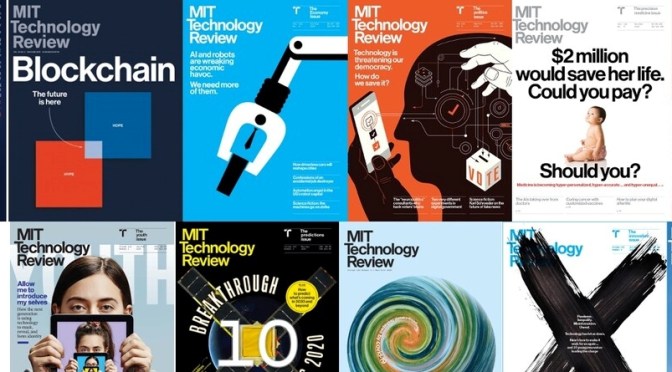
MIT TECHNOLOGY REVIEW: The Kids issue features… What does growing up in an age of chatbots and agents mean for kids’ future? From the role AI plays in their day-to-day lives to how they cope with the existential dread that comes with climate change, young people are asserting their smarts to define their relationship with technology and the world around them. Plus!…
Does an AI-filled future seem like promise or peril to today’s teens and tweens? We went right to the source.
Today’s world is a mess of troubling trends. Some groups are trying to help kids navigate their anxieties about it all.
AI companion toys for neurodivergent children promise connection and therapy, but can they deliver for the long haul?
LLMs need vastly more data than children to learn language. Understanding why could help us create more efficient models—and reveal more about developing minds.