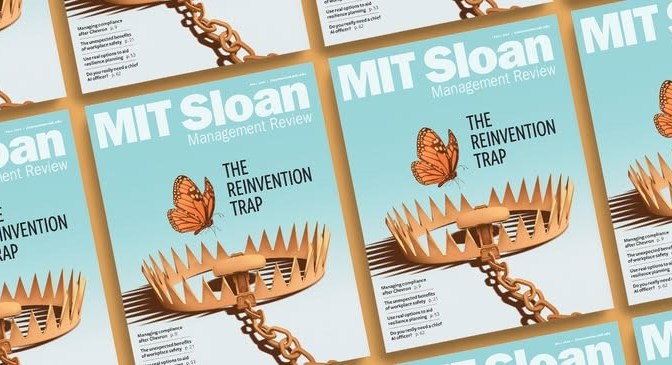
MIT SLOAN MANAGEMENT REVIEW: The Summer 2026 Issue features articles that show that when business leaders are willing to share their successes and their challenges with others, they position their own organizations and their industries for better management practice and growth.
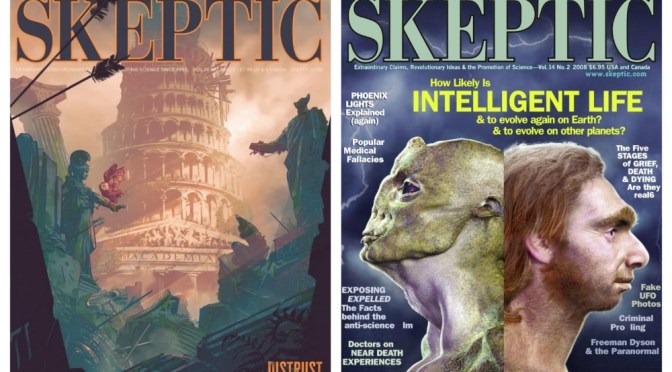
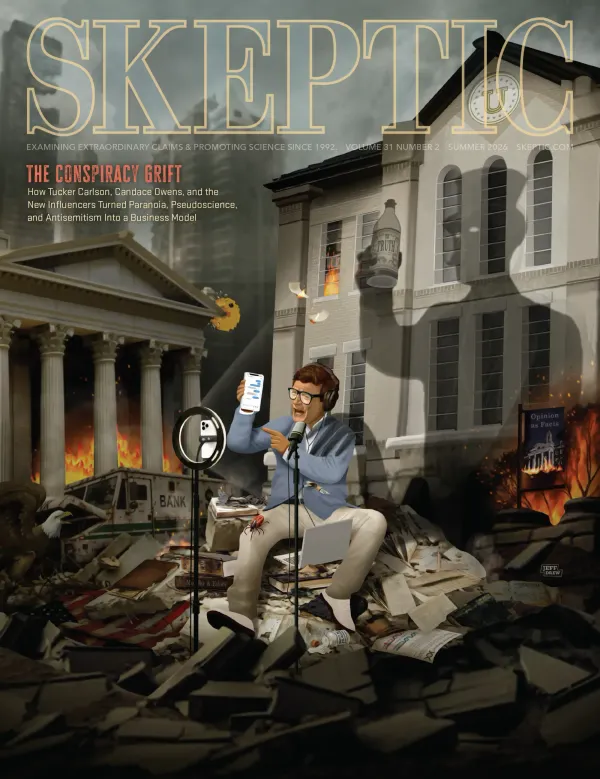
We founded Skeptic magazine and the Skeptics Society in 1992, partially in response to a market demand from consumers and the media for a scientific and rational response to increasingly tantalizing claims of the paranormal and supernatural, ESP and Psi, telepathy and telekinesis, NDEs and OBEs, ghosts and poltergeists, astrology and psychics, cryptozoology and strange creatures, haunted houses and mysterious places, UFOs and aliens, conspiracy theories and cults, and a litany of anomalous psychological experiences people reported.
I’m a humanistic weirdo, and as such I’m not sure where I belong in this modern culture war. I love truth and reason — I’ve built a career on them — but I belong to a humanistic tradition that refuses to stop at the head and leave the heart out of it. And these days there aren’t many of us. So when I look at the people we’ve come to call “anti-woke intellectuals”—many of whom have written for Skeptic or appeared as guests on The Michael Shermer Show podcast—I don’t see them the way either side wants me to.
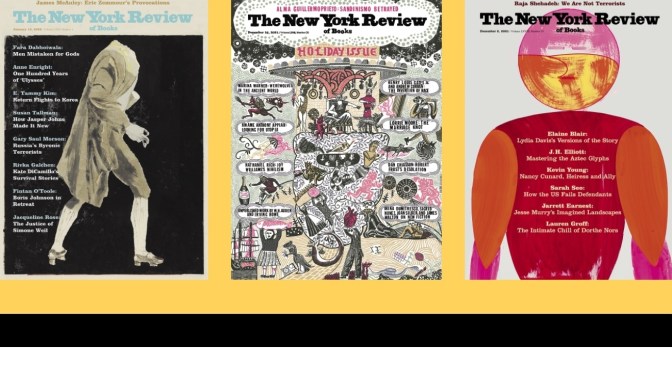
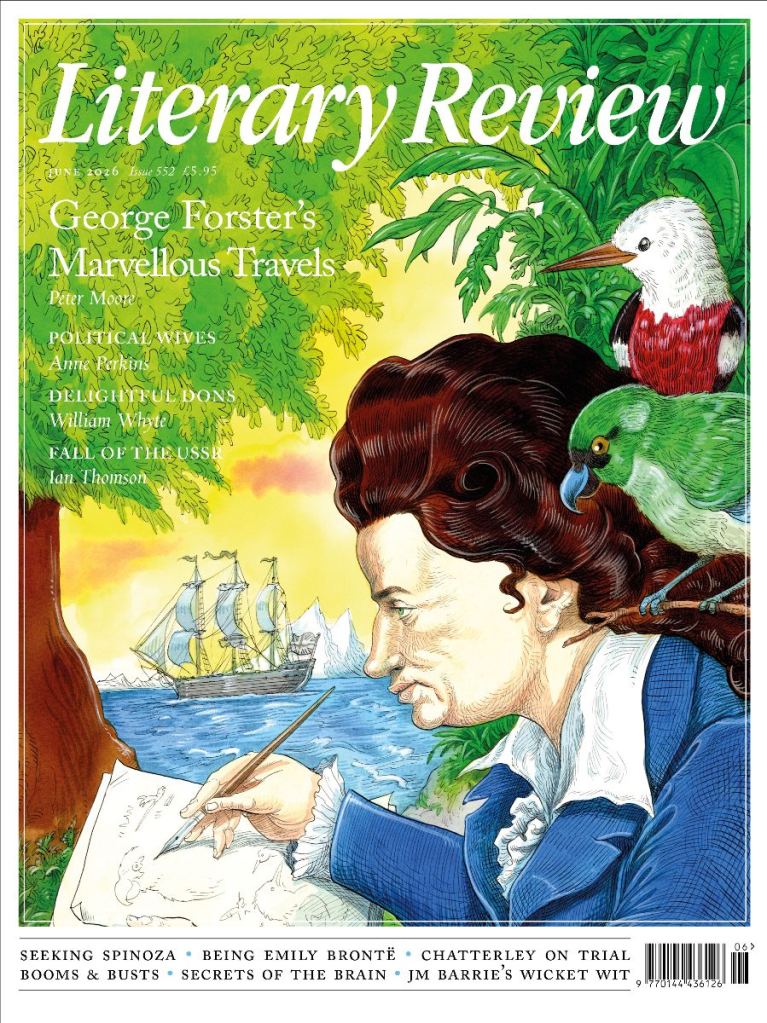
The Traveller: The Revolutionary Life of George Forster and his Search for Humanity
By Andrea Wulf
An exemplary tour of the High Enlightenment might go something like this. You’d begin in the streets of 1760s London to feel the pulse of Georgian commerce. You’d then hop aboard one of Captain Cook’s colliers and cruise through the Pacific, having encounters every day. Returning to Europe you might watch Benjamin Franklin in diplomatic action at Passy and dine with Casanova in Vienna, before sailing up the Rhine with Humboldt. Having inspected the Soho Manufactory in Birmingham and admired the picturesque scenery of the Peak District, you’d cross the Channel just in time for the grand and bloody finale in Paris.
Twilight of the Dons: British Intellectuals from World War II to Thatcherism
By Colin Kidd
Arriving as an undergraduate at Cambridge in 1961, Terry Eagleton was both overawed and underwhelmed by his supervisor, a man he calls Greenway in his memoir. ‘Greenway was the first truly civilised man I had ever encountered,’ Eagleton recalls.
This Dark Night: The Life of Emily Brontë
By Deborah Lutz
We know so little about Emily Brontë. There are just a few snapshots, like the vivid recollection of her sister Charlotte’s great friend Ellen Nussey: ‘Her extreme reserve seemed impenetrable, yet she was intensely loveable … one of her rare expressive looks was something to remember through life, there was such a depth of soul and feeling..
Why read historical fiction? A new novel by the author of “Hamnet” offers one answer: because it’s fun. By Katy Waldman
Why the American Novel Refused to Grow Up
For the critic Leslie Fiedler, the country’s best and worst fiction was shaped by visions of escape from society—and therefore from maturity. By Becca Rothfeld
The World Cup According to Gianni Infantino
FIFA’s powerful president is remaking global soccer in his own image. Can the sport survive him? By Sam Knight
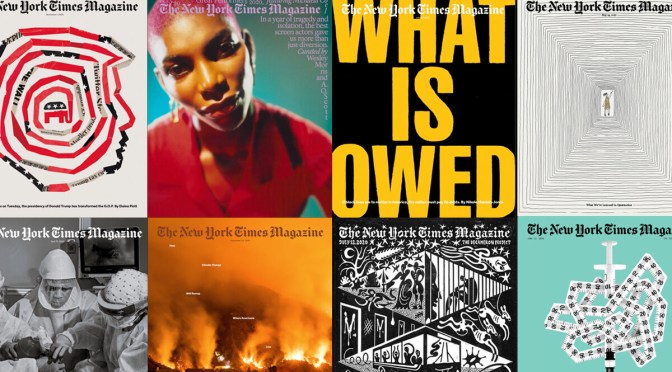
THE NEW YORK TIMES MAGAZINE:The 5.31.26 Issue features Taffy Brodesser-Akner on the A.I. actress Tilly Norwood; Daniel Waite Perry on sperm racing; Jeffrey Toobin on how to get a pardon in Trump’s Washington; and more.
One reason I love my partner is his sharp mind and critical thinking. Using A.I. for every decision is something I don’t understand. By Kwame Anthony Appiah
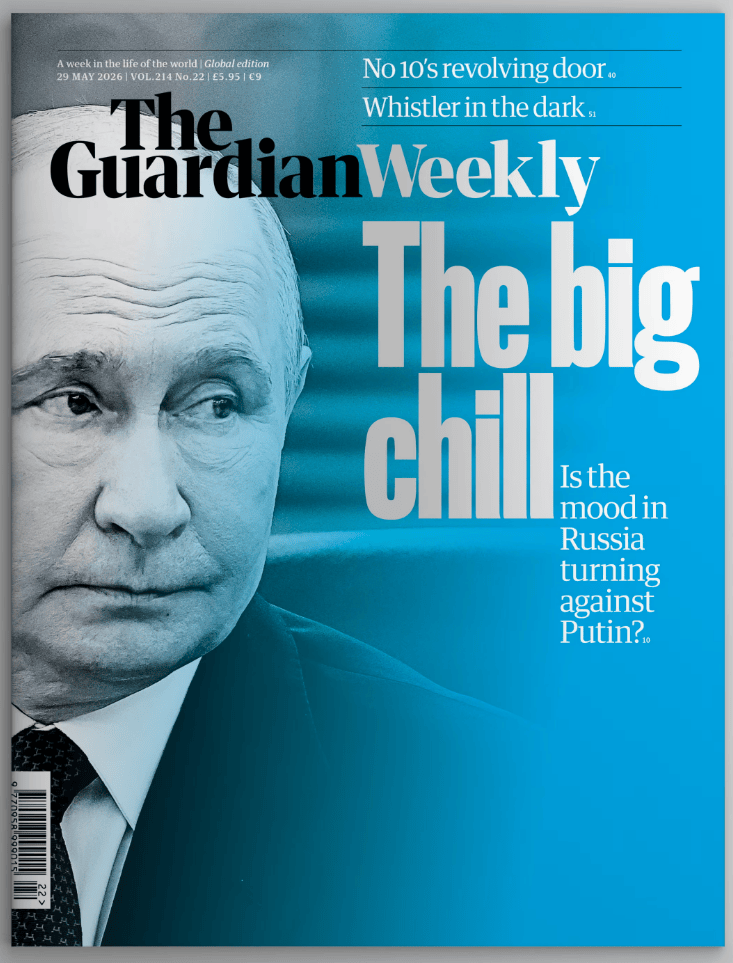
Like the majority of western news organisations, the Guardian has had no correspondent or reporter in Moscow since the invasion of Ukraine. But the Kremlin’s efforts to shut down outside media coverage has not stopped us from taking the political temperature of Russia. Indeed, as Pjotr Sauer and Shaun Walker report, attempts to close off the country have lost Vladimir Putin support among both the elites and ordinary citizens.
Talking to contacts made from many years working inside Russia, Pjotr and Shaun detail a shifting mood as the invasion drags on into its fourth summer with the economic and personal costs being increasingly felt at home. As one insider explains, “there is profound disappointment in Putin”, accompanied by “a growing sense that some kind of catastrophe is looming”.
The narrative of a bunkered ruler surrounded by underlings too scared to tell them the truth historically leads to putsch or revolution but our analysis shows that at present, though the winds may be chilling at home, Putin is far from being frozen out of power.
Spotlight | Ebola: ‘Out of control’ A new strain of virus, aid cuts and conflict in parts of the Democratic Republic of the Congo have hampered efforts to halt the spread of the virus, report Prosper Heri Ngorora in Goma and Carlos Mureithi
Science | Here be monsters An exhibition, Jurassic Oceans, at London’s Natural History Museum, showcases the fearsome creatures that once lurked below the surface – and offers a stark warning about the impact of warming waters on marine ecosystems today. Matthew Pearce dives in
Feature | When the lights went out in Berlin Earlier this year power was cut to a swathe of the German capital. A shadowy organisation, Volcano Group, claimed responsibility. But in the absence of any leads, theories of eco-terrorism, Russian meddling and far-right activity have flourished, discovers Ben Knight
Opinion | Victory doesn’t happen overnight Arsenal’s careful planning to regain the Premier League title is a lesson in long-term thinking that the Labour party, and Arsenal fan Keir Starmer, should pay attention to, argues Jonathan Freedland
Culture | Back to black with Whistler What does restoring Arrangement in Grey and Black No 1, or Whistler’s Mother, teach you about the artist who heralded a century of great American artists and about the craft of painting colour? Sarah Walden uncovers it all
The outbreaks of hantavirus and Ebola expose the shortsightedness of America’s retreat, under the Trump Administration, from its role as a global-health leader. By Dhruv Khullar
The Trump-Epstein Files: Look but Don’t Touch
The Donald J. Trump and Jeffrey Epstein Memorial Reading Room, in Tribeca, housed three and a half million bound files, along with a handy time line charting the ickiness. By Charlotte Goddu
How Problematic Is Patriotism?
National pride in America has plummeted in the Trump era. Is it worth trying to salvage? By Arthur Krystal
News, Views and Reviews For The Intellectually Curious


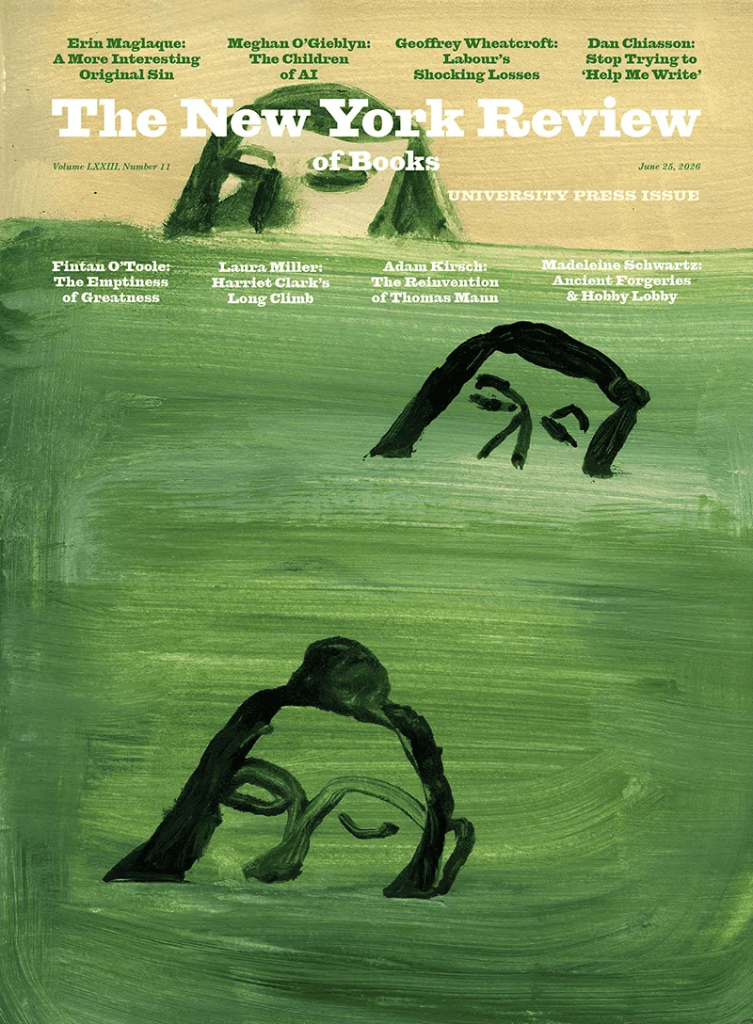




 Intellicurious