
Category Archives: Books

Book Reviews: Best Of International Fiction

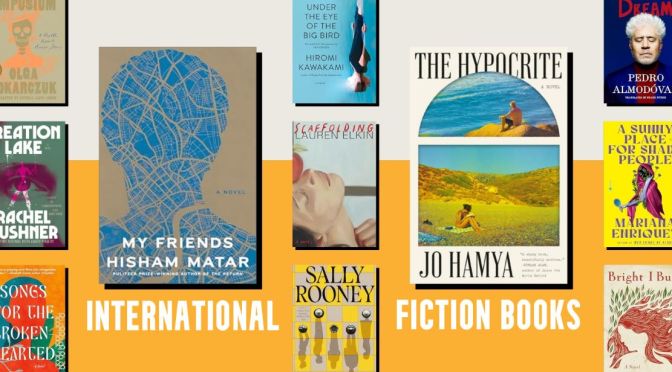
Foreign Policy (September 20, 2024): The Mediterranean was the backdrop for much of FP’s summer reading. For the first installment of our new column about international fiction, we travel to two very different settings along this vast sea: Muammar al-Qaddafi’s Libya and modern Sicily. Plus, we highlight the buzziest releases in international fiction this month.


My Friends: A Novel

Hisham Matar (Random House, 416 pp., $28.99, January 2024)

Hisham Matar’s latest novel, recently longlisted for the 2024 Booker Prize, is about friendship and exile. Matar, a Libyan American writer based in London, was raised in a family of anti-Qaddafi dissidents and has made the tyrant’s maniacal rule the subject of most of his work.
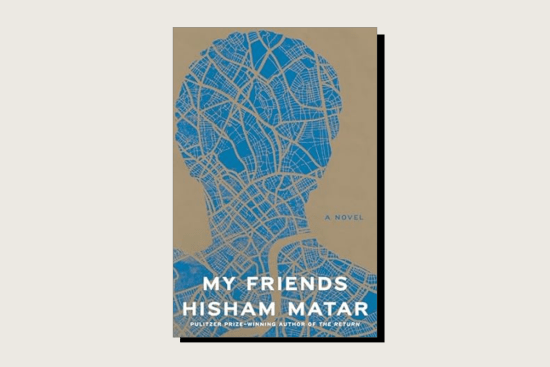
In My Friends, Matar follows protagonist and narrator Khaled from his school days in Benghazi to the period following Qaddafi’s overthrow in 2011. After attending a 1984 anti-Qaddafi demonstration in London and landing on the dictator’s hit list, Khaled is forced to upend his quiet life as a university student in Edinburgh and start over in the British capital. (The real-life protest, where officials at the Libyan Embassy shot several protesters and killed a police officer, led Libya and Britain to sever ties.)

Khaled develops strong friendships with two fellow Libyans in London, Hosam and Mustafa. Unlike Khaled, both are unwavering in their political convictions. Although Khaled is opposed to Qaddafi’s regime, he is also aware of the costs—and futility—of speaking out. That Khaled’s criticism of Qaddafi’s Libya never leaves the private, rhetorical sphere is a point of contention between him and his friends. Ultimately, Hosam and Mustafa return to Libya in 2011 to join the militias fighting Qaddafi; Khaled remains in Britain, deeply insecure about his inaction.

Khaled’s decision to attend the 1984 protest was one he made hesitantly, so it is all the more shocking that his first brush with activism fundamentally altered the course of his life. Khaled’s father, an academic who resigned himself to a mid-level career under Qaddafi to avoid repression, had taught his son that it is “almost always best to leave things be.”

At its core, My Friends is a debate over whether, in the face of repression, such silence is a form of self-preservation or cowardice. This tension exists between the book’s main characters—the friends—as well as within Khaled’s own head. While Khaled’s exile led him to make great friends, his time in London is equally a painful experience of solitude. With Libyan phone lines tapped and mail pilfered by the regime, he has had to uphold a decades-long lie to his family about why he can no longer return home—all because he attended a single protest.

An author with an agenda might have sought to portray Hosam and Mustafa as valiant fighters whose sacrifices are rewarded, opposite Khaled, who prefers comfort to confrontation. But Libyan history does not follow a morally righteous narrative arc. At the end of the book, Libya becomes enveloped in a new crisis, and each friend seeks to find his place within it.—Allison Meakem


The Hypocrite: A Novel

Jo Hamya (Pantheon, 240 pp., $26, August 2024)

The Mediterranean is a time-honored stage for the psychosocial dramas of the elite. From British novelist John Fowles’s 1965 masterpiece, The Magus, to the entire Mamma Mia! franchise, fictional foreigners have long flocked to Greek and Italian isles to escape from—and, more often, confront—their heartbreaks and pathologies and familial squabbles. Often left out of these tales are the locals.
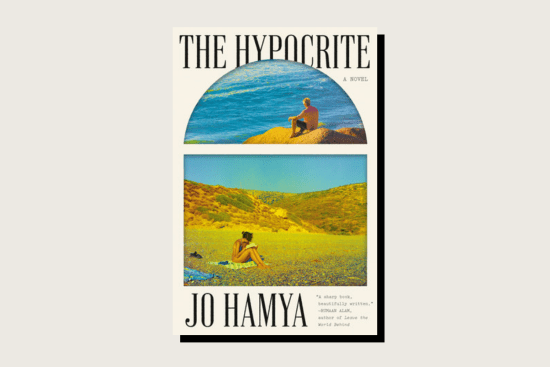
The Hypocrite by British author Jo Hamya at first seems like more of the same. It takes place over the course of one staging of a play about a summer that Sophia, the young playwright, once spent in Sicily’s Aeolian Islands with her father, a famous novelist whose work has aged poorly. It’s a smooth and often witty portrait of the upper-middle-class London art scene, written in the streamlined Rachel Cusk-esque register that defines much contemporary literary fiction.

Yet The Hypocrite also attempts to do something more. Although Sophia’s family dramas make up the bulk of the narrative, Hamya eventually shifts her focus to the family’s housekeeper in Sicily. She recalls that Sophia “was demanding in the worst way an English tourist could be.” Sophia didn’t try to learn even a little Italian. She and her father, the housekeeper thinks, were “lazy, messy people” who never bothered “to make her job easier with the simplest of acts.”

Hamya’s novel is part of the recent trend of examining who, historically, has been omitted in traditional narratives, especially ones set in locales that are under-resourced, exoticized, and deeply reliant on tourism. (Sicilians are European, yes, but they also live in one of Italy’s poorest regions.) In this regard, the novel is closer in spirit to HBO’s The White Lotus, the much-lauded send-up of the rich at a luxury resort chain (first in Hawaii, then in Sicily, and soon in Thailand), than many of its other predecessors.

Hamya does not dwell, however, on this upstairs-downstairs dynamic. Rather than skewering the careless interlopers, she aims for a bit more nuance, attending—if only fleetingly—to both the narrower interests of her protagonists and the invisible hands that helped set the stage for them that summer.—Chloe Hadavas

Profiles: Jane Bertch Of “The French Ingredient”

CBS Mornings (September 21, 2024): Jane Bertch was a banker until she quit her job, moved to France and founded a cooking school there. It’s an American dream story set in Paris.

Now, she’s telling her story in the new memoir, “The French Ingredient.” Jeff Glor reports from Paris.

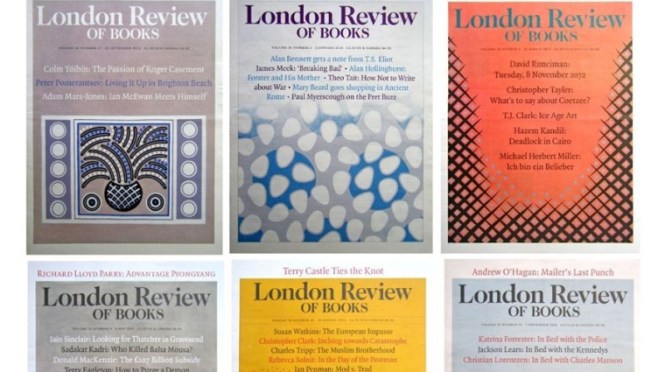
London Review Of Books – September 26, 2024 Preview

London Review of Books (LRB) – September 20 , 2024: The latest issue features T.J. Clark on Fanon’s Contradictions; Linda Kinstler at the 6 January trials; Sally Rooney’s Couples and Kubrick Does It Himself….


Byzantine Intersectionality: 
Sexuality, Gender and Race in the Middle Ages by Roland Betancourt

At the Movies: ‘Only the River Flows’ by Michael Wood

From Tudor to Stuart: The Regime Change from Elizabeth I to James I by Susan Doran – Clare Jackson

Kubrick: An Odyssey by Robert P. Kolker and Nathan Abrams – David Bromwich

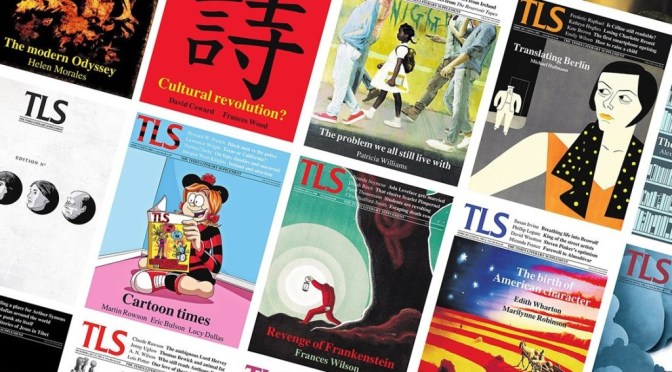
Arts/Books: Times Literary Supplement – Sept. 20, 2024

Image

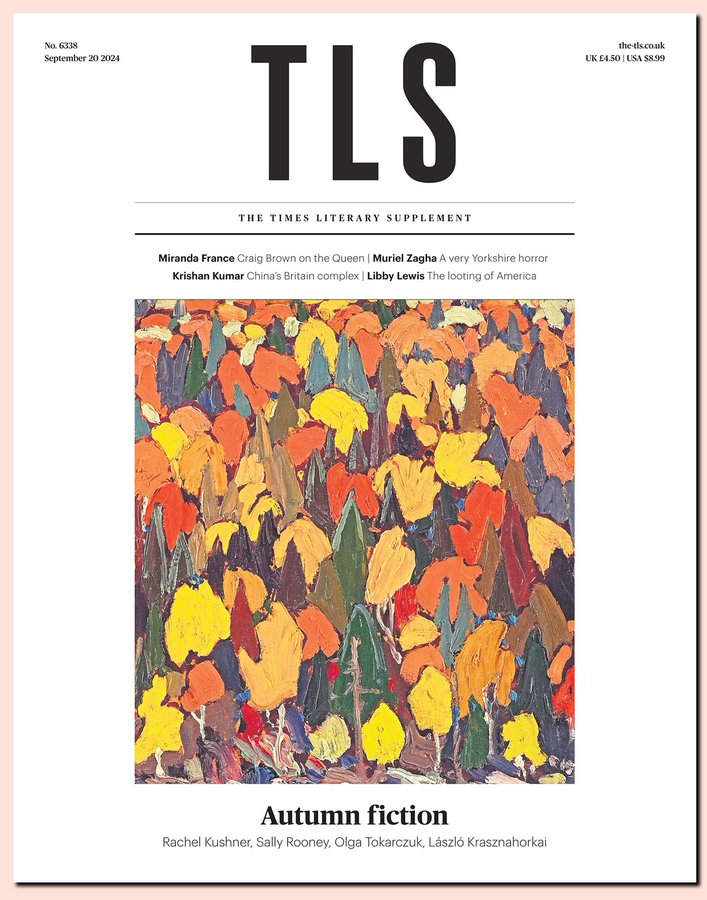
Times Literary Supplement (September 18, 2024): The latest issue features ‘Autumn Fiction’ – Rachel Kushner, Olga Tokarczuk, László Krasznahorkai and Sally Rooney; Craig Brown on The Queen; A very Yorkshire horror; China’s Britain complex and The Looting of America…

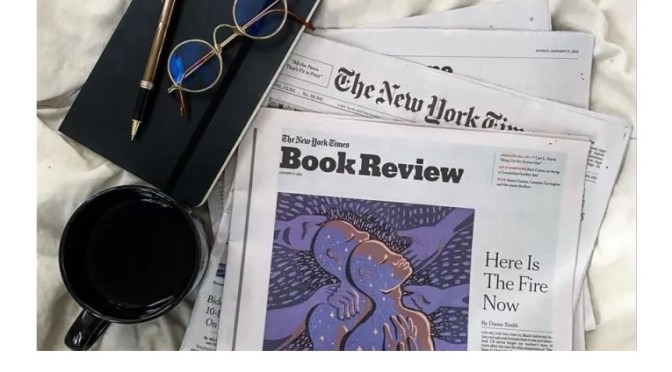
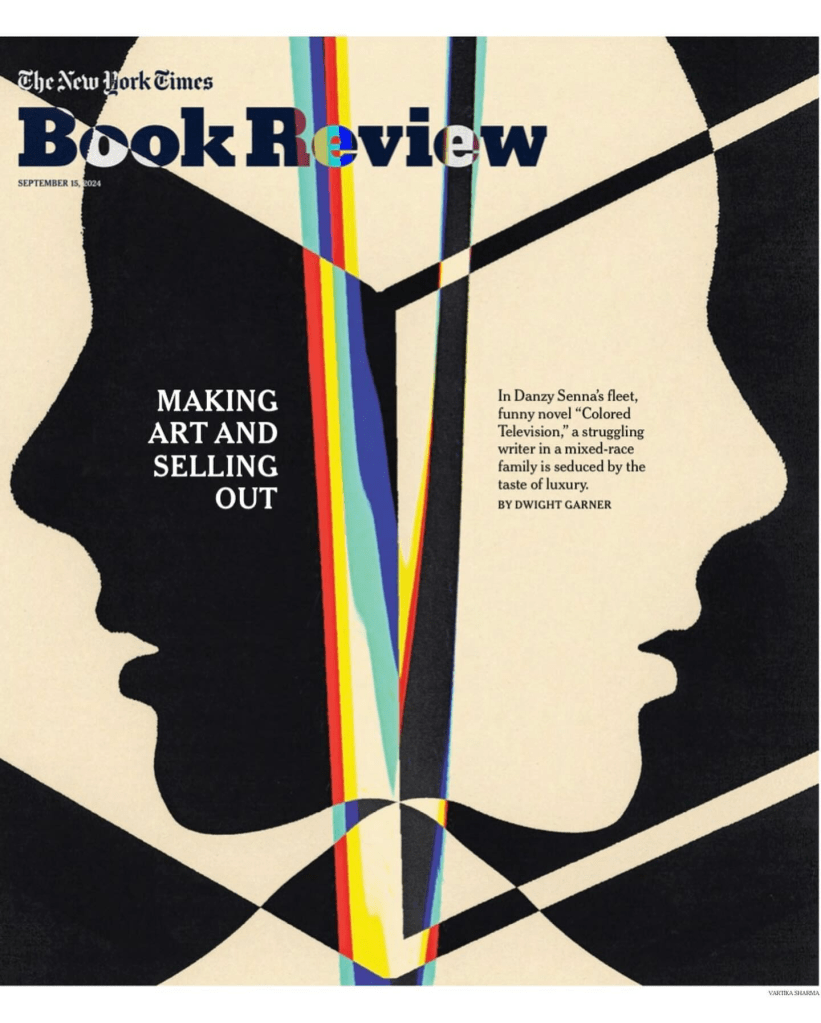
The New York Times Book Review – Sept. 15, 2024

THE NEW YORK TIMES BOOK REVIEW (September 15, 2024): The latest issue features ‘Making Art and Selling Out’ = In Danny Senna’s fleet, funny novel “Colored Television”, a struggling writer in a mixed-race family is seduced by the taste of luxury….

Debt Was Supposed to Cure Poverty and Help Pay for College. What Went Wrong?

Three new books examine debt’s fraught politics and history.

Ketanji Brown Jackson Looks Forward to Reading Fiction Again

The Supreme Court justice has been drawn to American history and books about the “challenges and triumphs” of raising a neurodiverse child. She shares that and more in a memoir, “Lovely One.”

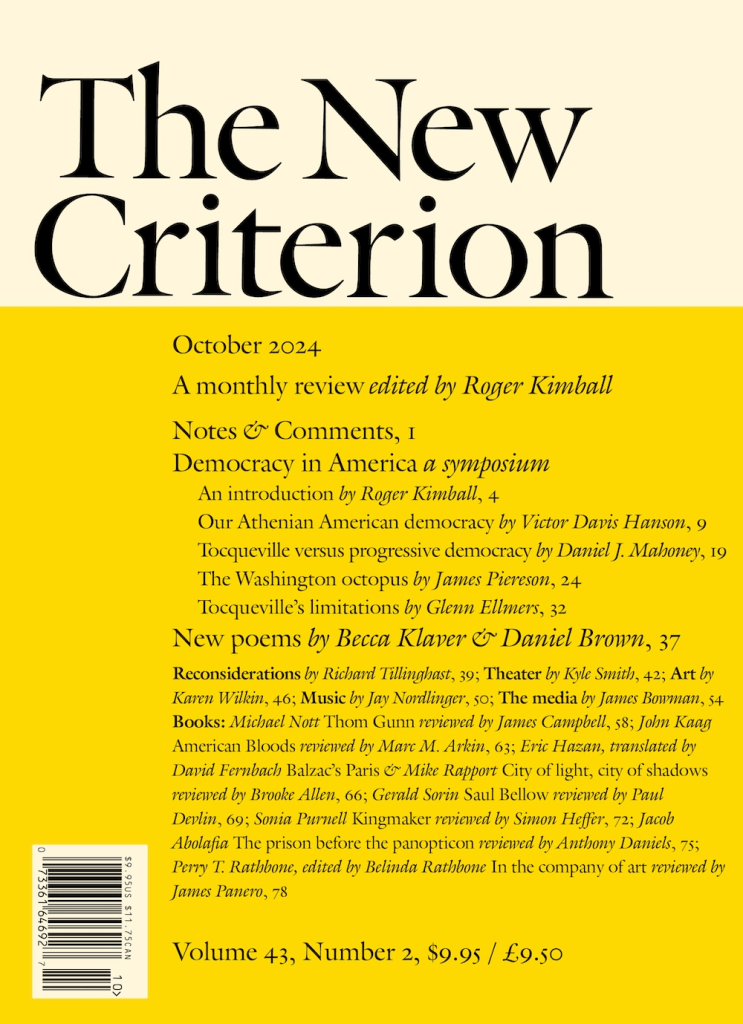
Arts & Culture: The New Criterion -October 2024

The New Criterion – The October 2024 issue features

Democracy in America: a symposium

Tocqueville’s limitations by Glenn Ellmers

Democracy in America: an introduction by Roger Kimball

Our Athenian American democracy by Victor Davis Hanson

Tocqueville versus progressive democracy by Daniel J. Mahoney

The Washington octopus by James Piereson

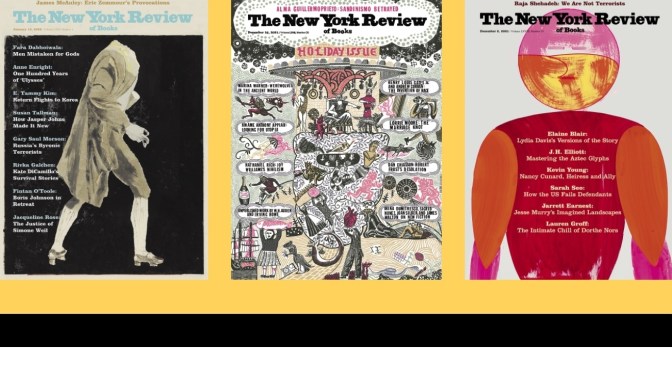
The New York Review Of Books – October 3, 2024

Table of Contents - October 3, 2024 | The New York Review of Books

The New York Review of Books (September 12, 2024)The latest issue features:

Savvy in the Grass

Some botanists maintain that peas are capable of associative learning, others that tropical vines have a sort of vision. If plants possess sentience, what is the morally appropriate response?

The Light Eaters: How the Unseen World of Plant Intelligence Offers a New Understanding of Life on Earth by Zoë Schlanger

The Nation of Plants by Stefano Mancuso, translated from the Italian by Gregory Conti

Planta Sapiens: The New Science of Plant Intelligence by Paco Calvo with Natalie Lawrence

An Entry of One’s Own

A collection of excerpts from women’s diaries written over the past four centuries offers a vast range of human experience and a subtle counterhistory.

Secret Voices: A Year of Women’s Diaries edited by Sarah Gristwood

The Bliss and the Risks

The painter Paula Modersohn-Becker’s ascension to greater visibility raises questions about how we assess artistic talent, how reputations are made, and how we reevaluate once-neglected artists, particularly women.

Paula Modersohn-Becker: Ich bin Ich/I Am Me an exhibition at the Neue Galerie, New York City, June 6–September 9, 2024, and the Art Institute of Chicago, October 12, 2024–January 12, 2025

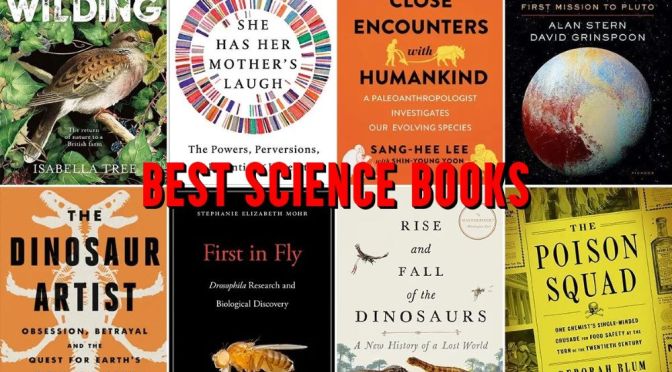
Nature Magazine: Best Science Books Of 2024

Nature

Nature Magazine (September 9, 2024): Consider the finches: Books in brief. Andrew Robinson reviews five of the best science picks…
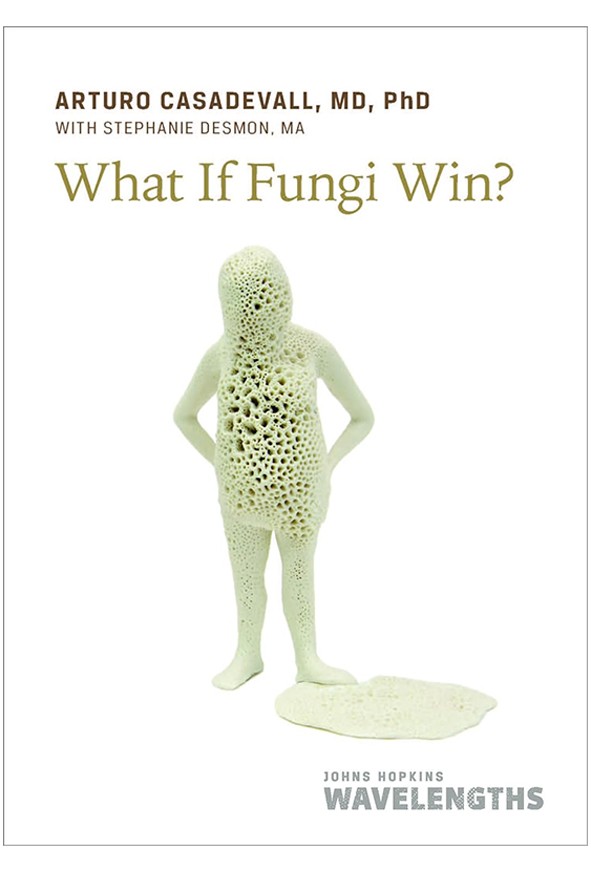

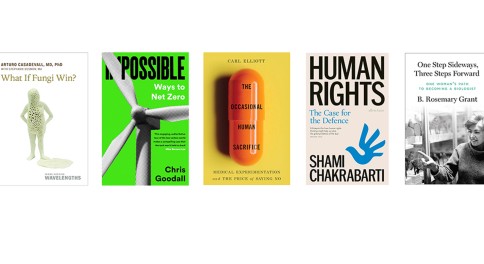
What If Fungi Win?

Arturo Casadevall Johns Hopkins Univ. Press (2024)

Earth’s largest organism, the ‘Humongous Fungus’, thrives under the floor of Malheur National Forest in Oregon. Sprung from a tiny spore 8,000 years ago, it weighs an estimated 31,500 tonnes spread over 10 square kilometres, sucking in nutrients from trees. Fungi are regarded as being more closely related to animals than to plants. “Fungi and humans share nearly 50% of their DNA,” observes epidemiologist Arturo Casadevall, in his brilliant book exploring the properties of fungi that are both fruitful and deadly to humans.

Possible: Ways To Net Zero

Chris Goodall Profile (2024)

Net-zero carbon emissions by 2050 are the global goal. China leads the world in installing wind- and solar-energy capacity, comments businessperson and environmental writer Chris Goodall, in this realistic but hopeful analysis of the technological and attitudinal challenges that all nations face in achieving net zero. The UK laundry company Oxwash — founded in 2018 by a university student tired of broken washing machines — provides services fuelled by renewable electrical power and gas from anaerobic digesters of farm waste.

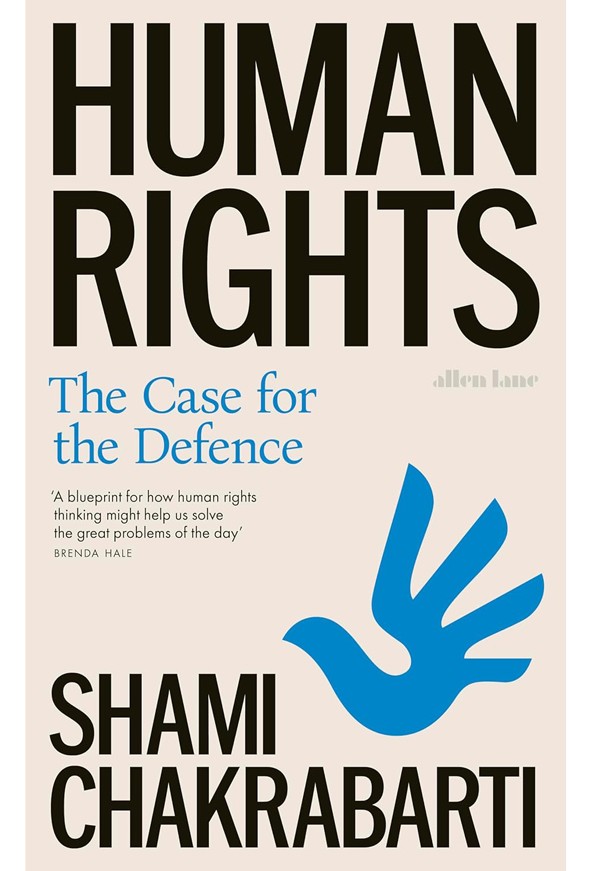
Human Rights: The Case For The Defence

Shami Chakrabarti Allen Lane (2024)

International agreements on fundamental human rights, such as entitlement to a fair trial and free speech, are now under threat in Europe, the United States and elsewhere. Shami Chakrabarti, a human-rights lawyer and former director of the UK National Council for Civil Liberties, considers how to defend these rights. How can “global inequality, conflict, climate catastrophe and the new and under-governed continent of the Internet” be tackled without global values and higher laws, or ways to enforce them?

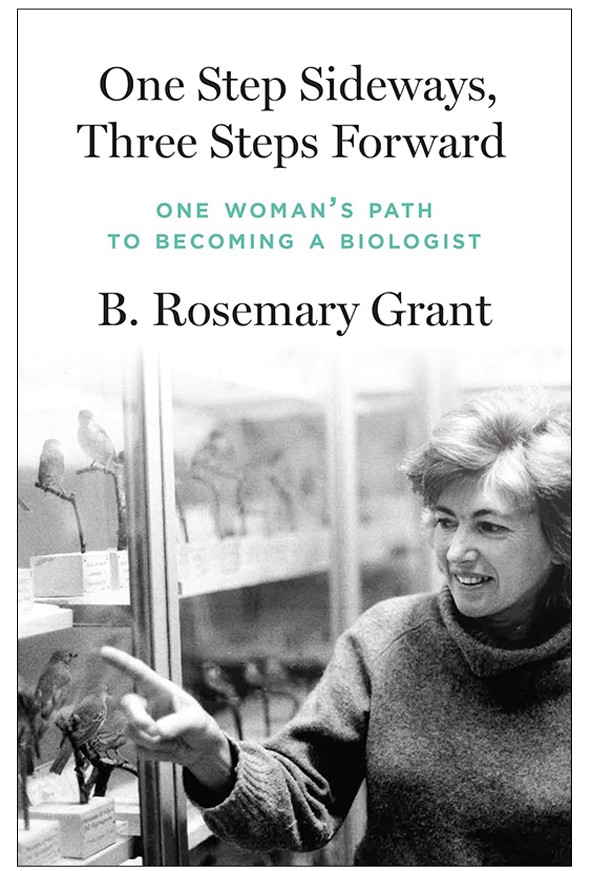
One Step Sideways, Three Steps Forwards: One Woman’s Path to Becoming A Biologist

Rosemary Grant Princeton Univ. Press (2024)

A scientific life “requires critical thinking, following exceptions to your pet theory, respect for others and strong ethical values”, concludes evolutionary biologist Rosemary Grant. Her memoir tells of a girl fascinated by birds and fossils, who later formed a celebrated team with her biologist husband Peter. While raising a family, the couple studied Darwin’s finches in the Galapagos Islands, Ecuador, for six months each year from 1973 to 2012. They revealed visible natural selection in a bird’s lifetime — contrary to Charles Darwin’s initial thinking.

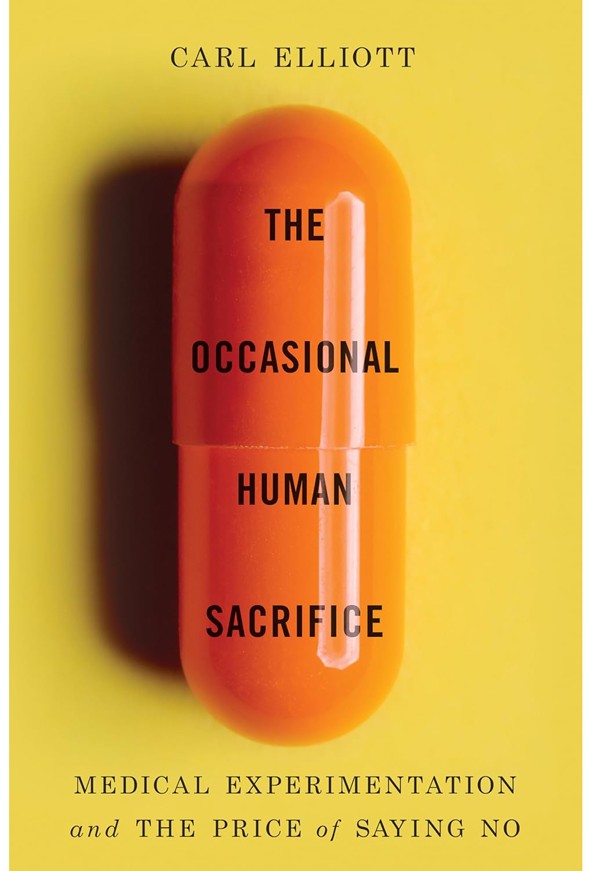
The Occasional Human Sacrifice: Medical Experimentation and the Price of Saying No

Carl Elliott W. W. Norton (2024)

Bioethicist Carl Elliott’s analysis of medical malpractice begins grippingly: “Let me present my credentials as a coward.” He then lists the times he failed to object to mistreatments as a medical student, followed by his frustrating campaign to publicize a case of suicide at his university in which a psychiatrist enrolled a patient in a dubious drug study. These experiences illuminate six historical cases of “occasional human sacrifice” caused by people’s alleged consent to participate in programmes that they did not comprehend.

Nature 633, 277 (2024)

doi: https://doi.org/10.1038/d41586-024-02918-0

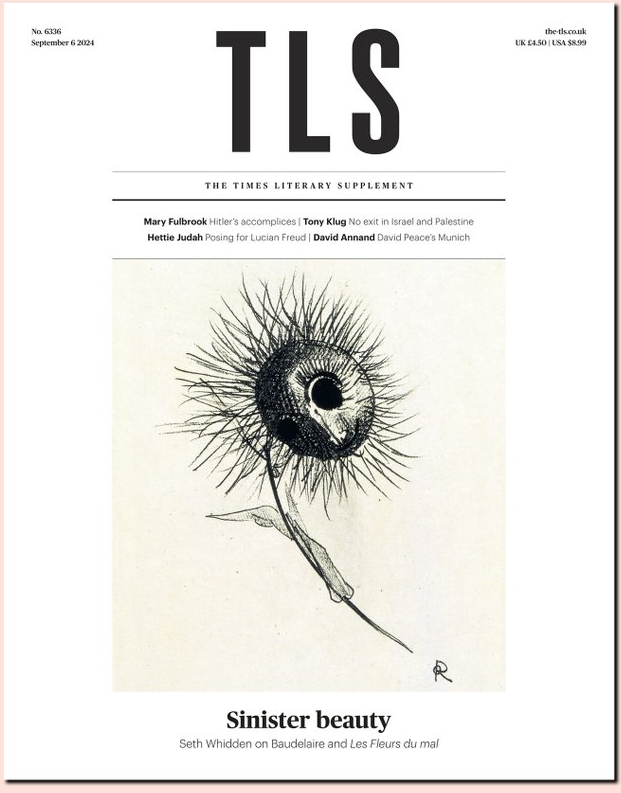
Arts/Books: Times Literary Supplement – Sept. 6, 2024

Image

Times Literary Supplement (September 4, 2024): The latest issue features ‘Sinister Beauty’ – Baudelaire and Les Fleurs du Mal; Hitler’s accomplices; No exit in Israel and Palestine; Posing for Lucian Freud and David Peace’s Munich…

Books: Literary Review Magazine – September 2024

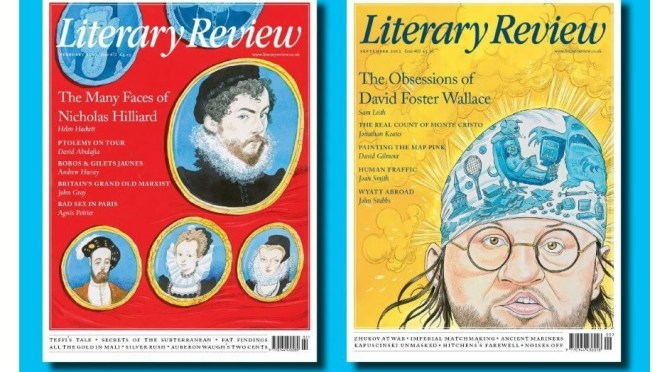
Literary Review – September 3, 2024: The latest issue features @claire_harman on female detectives; @WomackPhilip on childhood reading; Georgina Adam on art market scandal; @dannykellywords on ageing rockstars and @mathewparris3 on the Queen

Handbags & Handcuffs: “The Mysterious Case of the Victorian Female Detective” By Sara Lodge

‘If there is an occupation for which women are utterly unfitted, it is that of the detective,’ claimed the Manchester Weekly Times in 1888 – already behind the times, it seems, as women had been acting the part for years, albeit invisibly. They had started to feature in detective fiction too. It was studying the burgeoning market in ‘lady detective’ stories post-1860 that led Sara Lodge to wonder who the fantasy sleuths were modelled on, and why the Victorians found them so disturbing and alluring.

Forging Ahead: “Rogues and Scholars: Boom and Bust in the London Art Market, 1945–2000” By James Stourton

It is hard to think of a person more qualified to write this book. In addition to being an art historian, a prolific writer, a lecturer and a broadcaster, James Stourton is also a former chairman of Sotheby’s UK. He joined the auction house in 1979 and left in 2012 to become a senior fellow at the Institute of Historical Research.