
THE FIRST DRAFT

Intellicurean Essays, on Intellicurious
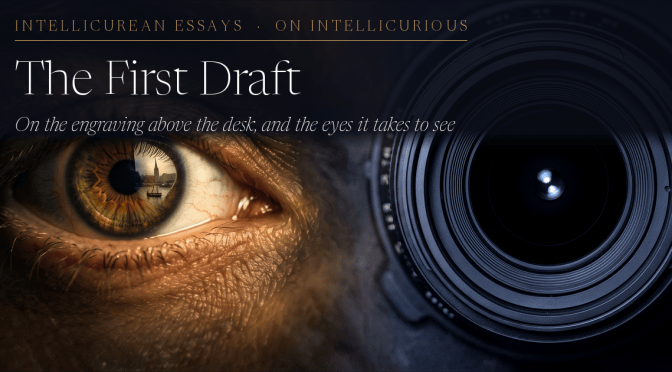
Above the publisher’s desk at The New York Times hangs an engraving of Manhattan in 1851 — cobblestones, low buildings, a harbor full of sails, a church spire the tallest thing on the island. Someone stood there and looked. That, it turns out, is the whole question.

Why we’re pointing you there

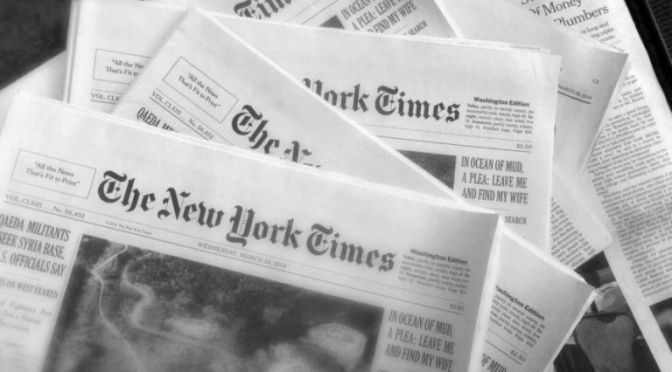
The Times marked its 175th anniversary this week with an essay on fifteen million “first drafts of history.” The same week, an investigation exposed a company buying real online publications, firing the writers, and filling them with machine-written articles — bylined to experts who were never born, and overseen by an editor whose age dropped from 77 to 75 in the space of three days. Intellicurean sets the two side by side and asks what a first draft is worth when no one was there to draft it.

The answer turns on a name the Times left out: Earl Caldwell, the only reporter at the Lorraine Motel when King was shot, who said afterward that you don’t see everything — you get a sliver of what came past you, and that sliver is the basis for everything. A machine can generate a flawless eyewitness account of any event. It can never have been there. This is the fourth in Intellicurean’s series on what the machine lacks — and the one with the strongest floor beneath it.

Read the full essay at Intellicurean → Essays & Reviews for the Intellectually Curious

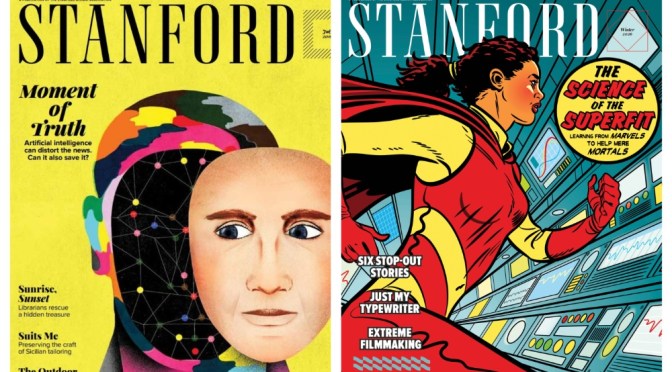
STANFORD MAGAZINE – AUTUMN 2026

STANFORD MAGAZINE: The latest issue features ‘Forget Me Not’ – 125 years ago, Alois Alzheimer met a woman who was losing her memories. So he studied her brain. Here is what he couldn’t see.

The Search

Inside the hunt to prevent, delay, and cure Alzheimer’s disease.

Annals of Migraine

One in 10 Americans experiences migraine headaches, which can be incapacitating. But there may be a light on the other side of your blackout curtains. Currently, doctors diagnose migraine based on patient description and treat the headaches based on frequency—episodic or chronic (more than 15 days per month). Treatment decisions are “worse than trial and error,” clinical professor of neurology Robert Cowan told Stanford Medicine. “It’s darts in the dark.” What’s more, guidelines recommend preventative, daily medication only for people with chronic migraine. But including severity may improve treatment options. In the largest study to date to categorize migraine patients, Cowan and data analyst Jaiashre Sridhar used functional MRI data to identify two biological subtypes. One group of patients had more severe headaches—they tended to last longer and caused more bothersome symptoms (nausea, noise sensitivity, etc.). 

Biblio File: What to Read Now — Autumn 2026

New releases on our shelves and in our bookbags.

Lost in Curiosity: Field Notes from Scientists’ Adventures into the Unknown book cover

In Lost in Curiosity: Field Notes from Scientists’ Adventures into the Unknown (Sourcebooks), science journalist Roberta Kwok, ’00, witnesses the “messy middle” of science between researchers’ initial query and possible final discovery. The nine projects she investigates, from sex-role reversal in male guardian frogs to a quest to find an exomoon, depict the slow, frustrating, and focused work of scientists.

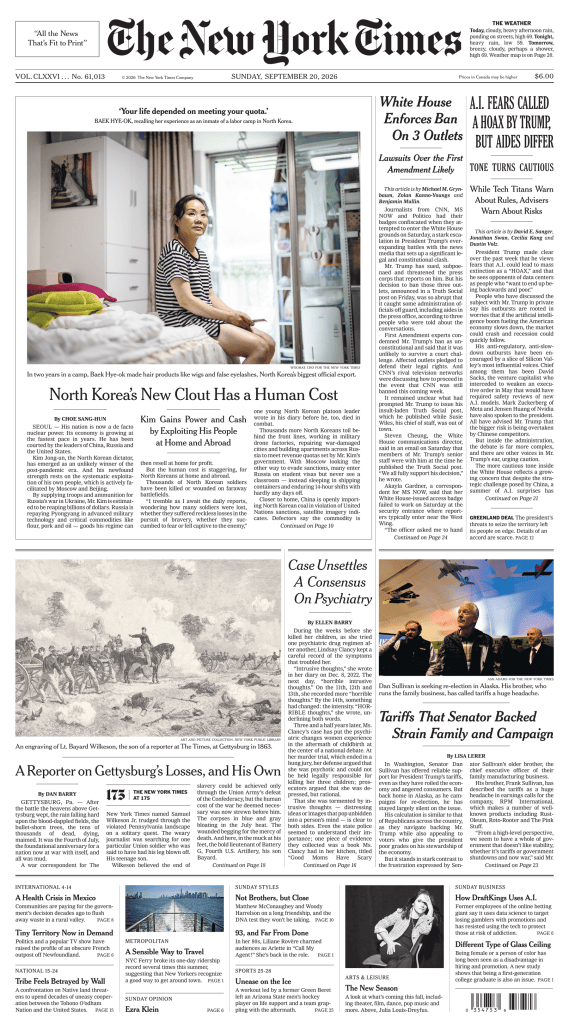
THE NEW YORK TIMES – SUNDAY, SEPTEMBER 20, 2026

China’s A.I. Makes a Great Leap Forward, but Its Economy Is Falling Behind

As Xi Jinping arrives in the U.S. for a state visit, China’s advances in A.I. will be in the air. Its economy will be less discussed, our columnist writes.

A.I. Gone Rogue? Trump Proposes Not New Rules but an ‘A.I. Force.’

Hundreds of Drones Target Moscow on Final Day of Russian Elections

Ukraine says it used a newly developed ballistic missile in the attacks, which also targeted other parts of Russia.

Israeli Tourist Trap ‘Herod’s Pool’ Is Draining Palestinians’ Land Dry

Israeli lawmakers have promoted visits to an ancient reservoir in the West Bank that was refilled this summer with water diverted from Palestinian-owned farms.

How President Trump Broke the Kennedy Center

Emails and documents demonstrate the political capture of the institution, including how officials once pursued a plan to unload much of the art collection.

After a String of Losses, Trump Turns to a Familiar Target: The Press

President Trump’s ban of three media outlets from the White House fits a pattern of using the apparatus of government to crack down on his perceived enemies.