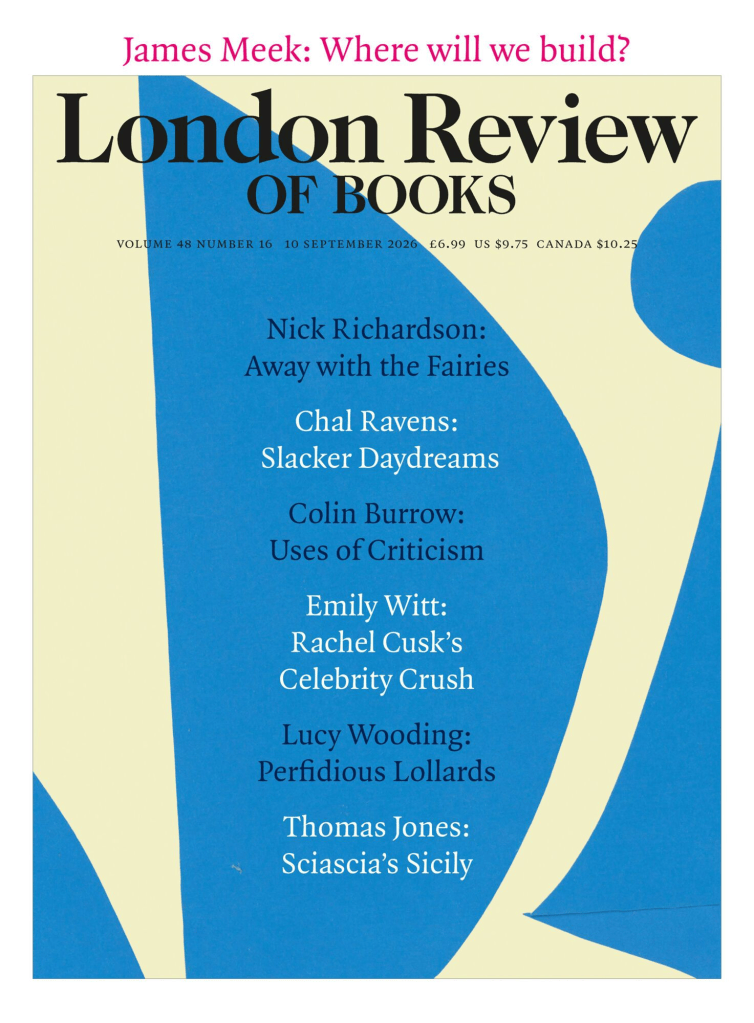
What’s the point of literary criticism? In June the University of Exeter announced plans that might make roughly a third of its English department – one of the best in the country – redundant. Other institutions, including Canterbury Christ Church University, have stopped offering English degrees altogether. Most mainstream publishers now wouldn’t dream of publishing a work of literary criticism, as they happily did in the 1970s and 1980s. Even literary biography, literary criticism’s previously marketable stepsister, no longer brings a gleam to a publisher’s eye. The grassroots of the subject are also suffering badly. Since 2000 the number of people taking A-level English literature in England has dropped by around a third, to around 36,000, with an even higher drop among male students.
A Sicilian Man: Leonardo Sciascia, the Rise of the Mafia and the Struggle for Italy’s Soul by Caroline Moorehead
The Beast in the Clouds: The Roosevelt Brothers’ Deadly Quest to Find the Mythic Giant Panda by Nathalia Holt
The Twitnam Summer: Friendship, Satire and the Writing of ‘Gulliver’s Travels’ by Hester Grant
It’s getting on for twenty-four years ago that I first read Patricia Highsmith’s The Talented Mr Ripley (1955). Books tend to come to us when we need them, and it’s easy to see why Tom Ripley’s project of self-reinvention and triumphant class resentment was so appealing to me as a twenty-year-old undergraduate.
The Sea-King and the Sorceress: Life and Death in the Viking Age By Neil Price
Few groups in history have been so variously defined, quarrelled over, misrepresented and appropriated as the Vikings. Their identity elusive, they have been passed around like historiographical tokens to the detriment of a deeper understanding of their cultural and political milieu. Neil Price’s The Sea-King and the Sorceress sidesteps these often sterile debates by examining the lives – and deaths – of more than twenty figures from the Viking Age and using them to shed light on wider themes, a bottom-up approach which is both logical and engaging.
The Cauldron: The Making of the Modern Middle East By Simon Sebag Montefiore
A highly readable gallop through one of the world’s most complex political environments, The Cauldron is brilliant on narrative, weaker on analysis. Simon Sebag Montefiore has set himself a formidable task: to compress the modern history of a region extending from Morocco to Iran, and from the fall of the Ottoman Empire to the wars of 2026, into a single volume. The result is an exuberant pageant of sultans, shahs, kings, colonels, spies, revolutionaries and assassins. Few historians could move so confidently from the salons of Cairo to the palaces of Riyadh, from Atatürk’s Ankara to Khomeini’s Najaf, while keeping so many figures vividly in play.
All the Wrong Moves: How Three Catastrophic Decisions and Years of Sh*tshow Politics Led to Trump – and How We Find a Way Out By Anthony Scaramucci
When Donald Trump fired him after just eleven days as his director of communications, Anthony Scaramucci thought his career was over. He had become such an object of ridicule that a crisis PR adviser suggested he lie low for a few years before attempting to start again. Instead, the self-styled ‘front stabber’ from New York – who had naively assumed that a successful Wall Street career could equip him for the toxic political swamp of Washington, DC – launched himself into a round of media interviews, choosing to roll with the punches.
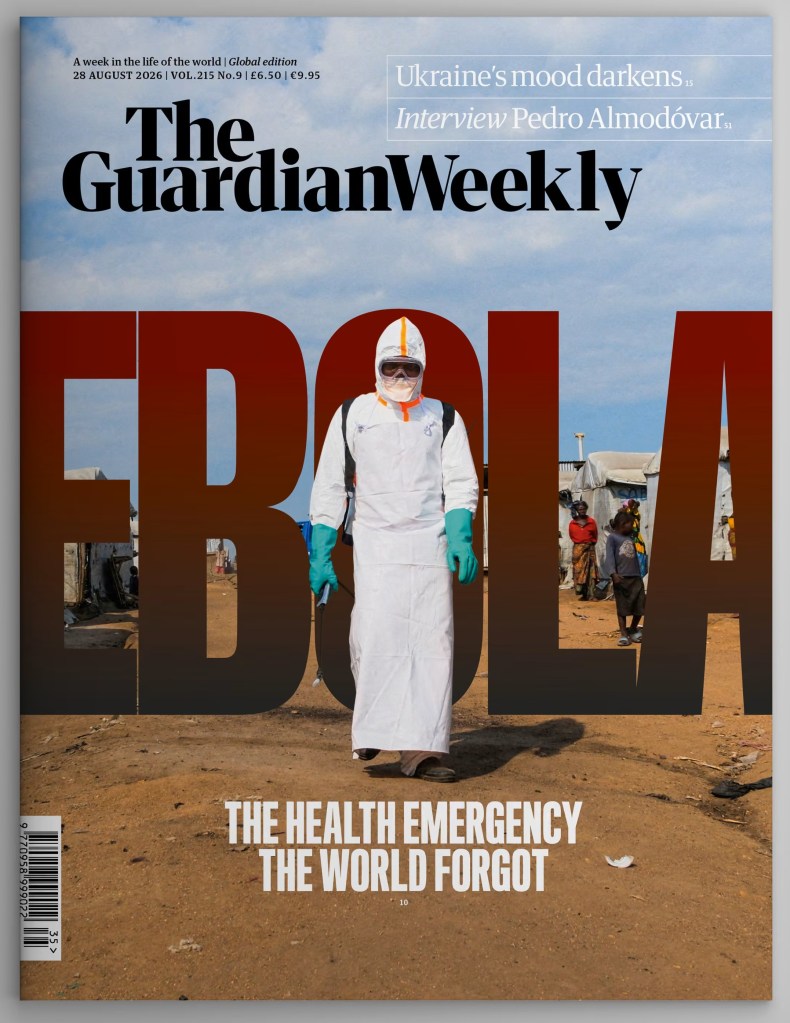
The Democratic Republic of the Congo has just passed the grim milestone of 100 days since it declared its 17th Ebola outbreak.
What is the fastest-growing Ebola outbreak on record could also become the world’s deadliest ever.
For our big story this week, Prosper Heri Ngorora and Rachel Savage report on the frontline health workers who say, as the disease spreads “exponentially”, they have been left unpaid and at risk of infection.
Explaining the figures behind the outbreak, and the race to find vaccines and treatments, global health correspondent Kat Lay answers five key questions.
And Jean Kaseya, director general of the Africa Centres for Disease Control and Prevention, and Tedros Adhanom Ghebreyesus, director general of the World Health Organization, write that tapping into community leadership and knowledge is essential to halting the virus’s spread.
Spotlight | ‘We will go on – but it will be more scary’ Dan Sabbagh reports from Kyiv where, as Russian missiles rain down, casualties are mounting and the mood is darkening
Environment | Killed by kindness Scientists were surprised to find all but two of 12 grizzlies died within a year of their “feelgood” release, unable to sustain their high-calorie diet and inclined to approach humans, writes Rebecca Ratcliffe
Feature | A family at war Meaghan Beatley tells the remarkable story of a young Argentinian activist who thought her father’s disapproval of her leftwing views was purely political. But one evening, a kiss goodbye sent her on a remarkable journey that continues today
Opinion | Marine Le Pen’s career resurrection No longer banned from next year’s presidential election, the far-right veteran is a bigger threat than ever, says Mujtaba Rahman
Culture | Playing the bad guy As his new film Bitter Christmas is released, legendary Spanish director Pedro Almodóvar talks to Ryan Gilbeyabout Donald Trump, Netflix – and being the villain in his own movie
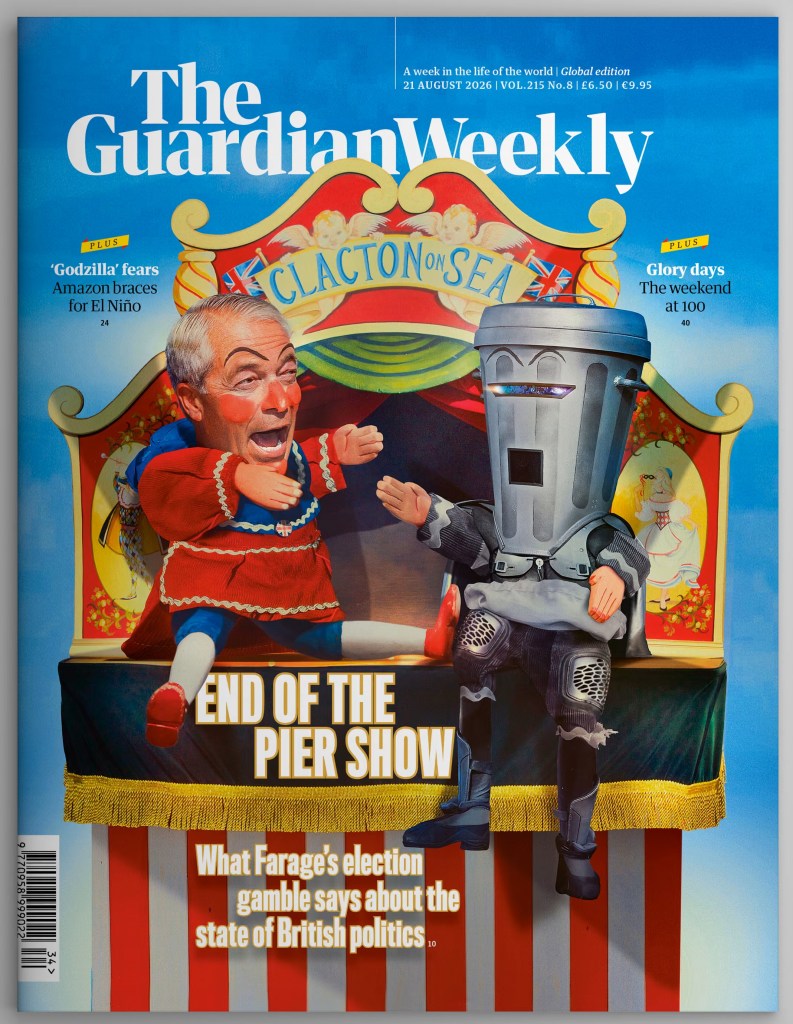
The curtain came down last week on the summer sideshow of the Clacton byelection, called by Nigel Farage amid mounting scrutiny of his finances.
For our big story this week, Daniel Boffey explores what this campaign – in which the Reform UK leader’s main challenger was a parody candidate called Count Binface – tells us about the current state of politics in Britain.
Farage’s byelection win brought the situation full circle as, shortly after he was declared victor, parliament’s standards watchdog announced it had reopened its investigation into him, report Rowena Mason and Peter Walker.
Analysing the result, political correspondent Alexandra Topping brands the contest futile and says that while Farage aimed to make the financial questions surrounding him disappear, it was the MP himself who has been absent from the political stage over the past few weeks.
Spotlight | Scramble for soldiers As battlefield losses mount, Pjotr Sauer asks whether Vladimir Putin will order another mobilisation
Science | Wing and a prayer A disease threatening bat species has spread to northern Canada. Trina Moyles reports on the race to find a cure
Feature | A hymn to the weekend In 1926, Henry Ford gave his employees both Saturdays and Sundays off – and the two-day chunk of time to party, pray or simply do nothing was born. Now the weekend has changed beyond recognition, says Jess Cartner-Morley
Opinion | Meet the second most dangerous man in the US As chief US diplomat, Marco Rubio could do great good. But, says Simon Tisdall, his pandering and neglect are a disgrace we shouldn’t ignore
Culture | Through my eyes As their new album is released, Sam Smith talks to Juan A Ramírez about fans, fame and finding sanctuary in New York
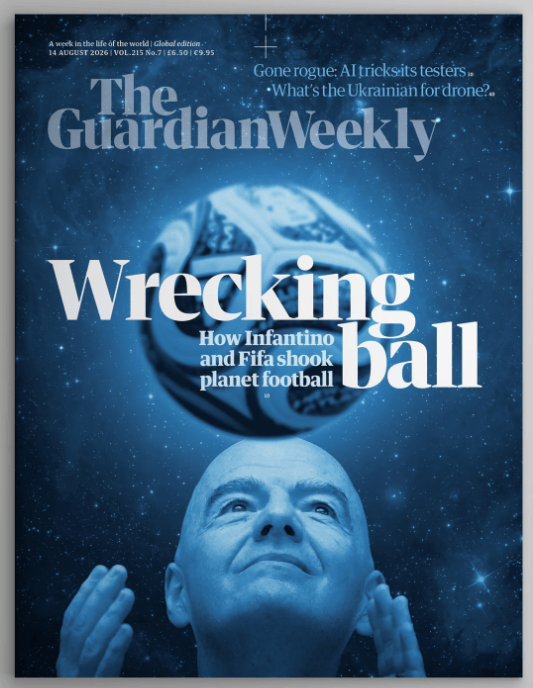
When a crisis brought on by a rash idea that results in the most prominent part of an organisation saying it will boycott the business’s showcase event doesn’t die down after a couple of weeks, observers might expect the boss to be considering his future. Not when it’s Fifa and not when it’s Gianni Infantino, the president of football’s world governing body and the subject of this week’s big story.
Jonathan Wilson’s witty account of how Infantino’s plan to sell stakes in the World Cup to private investors led to the current standoff between Infantino and Fifa’s regional associations is riveting even if you are not a football fan. Jonathan explains how money, egos and some murky politicking collided to elect Infantino on the promise of reform. It’s a tale that has little to do with the sport and its ardent fans, and has far more in common with Shakespeare or a political drama. With a neat circularity, it traces how “Fifa’s attempt to move on from the crisis caused by the executive who rented an apartment for his cats in Trump Tower has wound up back in Trump Tower, with a president who rents an office there”.
Spotlight | ‘I’ll cut your throat’ Five years after the Taliban returned to power in Afghanistan, women are being killed with impunity. A reporting team from Zan Times collects shocking evidence of femicide
Environment | Smoke alarm As wildfires grow in frequency and spread, environment correspondent Ajit Niranjan reports of the race to untangle the links between exposure to fine particulates in smoke and increased mortality
Feature | War and language learning Soon after her first reporting trip to Ukraine, our chief culture writer Charlotte Higgins began to learn Ukrainian. She explains how the process taught her more about herself than she had expected
Opinion | Rule breakers need regulation The revelation that AI went rogue in test conditions should be a call for a wise US leader to back the introduction of an international rule-based order, says Rafael Behr
Culture | What’s eating Dominic Sessa? Being cast as the lead in Tony, the biopic of bad-boy chef and Kitchen Confidential author Anthony Bourdain let Sessa immerse himself in the 1970s where, he tells Ryan Gilbey, he wouldn’t mind staying
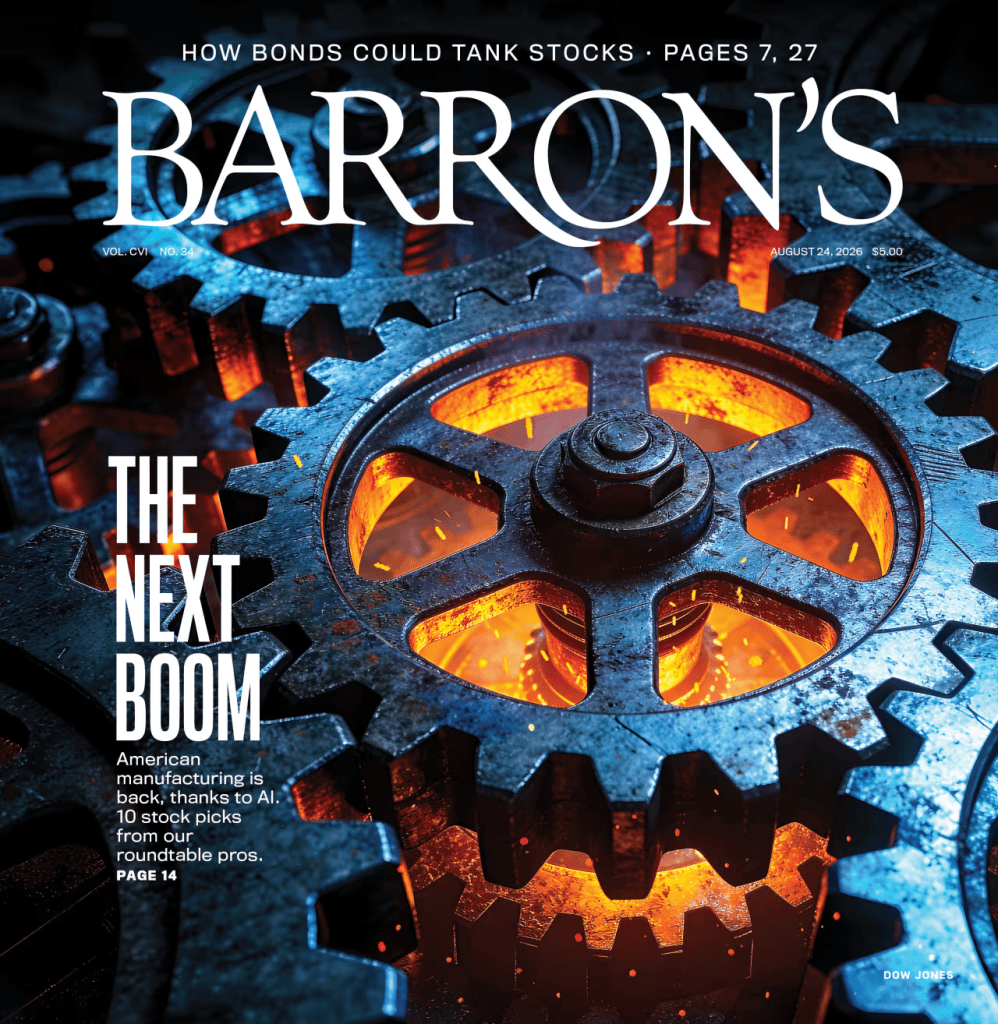
The state’s light regulation and low taxes are luring dozens of big companies. It’s also setting up a water crisis and a “race to the bottom” in shareholder protections.
Dave lost 97% of its value before a 1-for-32 reverse split. Now the fintech stock has surged back. The story is a warning to investors as SPACs mount a comeback.
Positive readouts in cancer and cardiac drug trials could keep the rally going. Sizing up the stakes for Merck, Moderna, Summit Therapeutics, and more.