Reviews: ‘The Week In Art’

Ben Luke talks to Hannah McGivern, a correspondent for The Art Newspaper who has just been to Qatar, about the vast number of public art projects that will accompany the FIFA Men’s World Cup that begins there on Sunday 20 November.

She also discusses the museums that Qatar plans to open by 2030. How does this explosion of cultural initiatives sit with Qatar’s record on human rights and treatment of low-paid migrant workers in the building of its cultural venues and World Cup stadia? It has been a heady fortnight of auctions in New York.

Ben speaks to Georgina Adam, an editor-at-large at The Art Newspaper, about the highs and lows, and whether we can expect even more sales of blockbuster collections in the coming years.

And this episode’s Work of the Week is an untitled painting by Luis Meque, an artist born in Mozambique who came to fame in the 1980s and early-1990s in Zimbabwe. Tandazani Dhlakama, the curator of the exhibition When We See Us: A Century of Black Figuration in Painting at Zeitz Museum of Contemporary Art Africa in Cape Town, tells us about Meque’s painting and his brief and brilliant life.When We See Us: A Century of Black Figuration in Painting, Zeitz Museum of Contemporary Art Africa, Cape Town, South Africa, 20 November-3 September 2023 Hosted on Acast. See acast.com/privacy for more information.
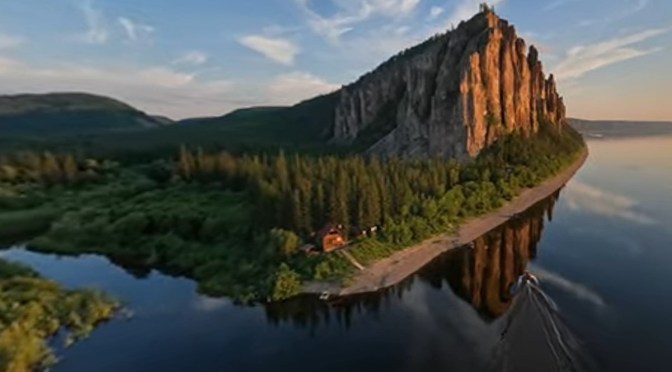

360° Views: Lena Pillars National Park, Siberia

Lena Pillars is the name given to a natural rock formation along the banks of the Lena River in far eastern Siberia. The pillars are 150–300 metres high, and were formed in some of the Cambrian period sea-basins. The highest density of pillars is reached between the villages of Petrovskoye and Tit-Ary.

Yakutia (Russian: Яку́тия, yah-KOO-tee-yuh), also known as the Republic of Sakha, is located in the Russian Far East, and is notable for being the world’s largest subnational governing body by area. Yakutia covers an area of more than 3 million km², representing about 18 percent of the Russian Federation, and making it roughly the size of India, despite having a population smaller than that of Rhode Island. The republic’s capital is Yakutsk.

Yakutia borders Chukotka to the northeast, Magadan Oblast and Khabarovsk Krai to the southeast, Amur Oblast to the south, Zabaykalsky Krai and Irkutsk Oblast to the southwest, Evenkia to the west and Taymyria to the northwest. In the north it has a long coastline with the Arctic Ocean.

News: U.S. Influence In Asia-Pacific, Sweden And Finland Push For NATO

As the Asia-Pacific Economic Cooperation forum kicks off, how is US influence in the region being received? Plus: Turkey’s Nato demands for Sweden as the country implements anti-terror measurements and Finland’s border-fence proposal.

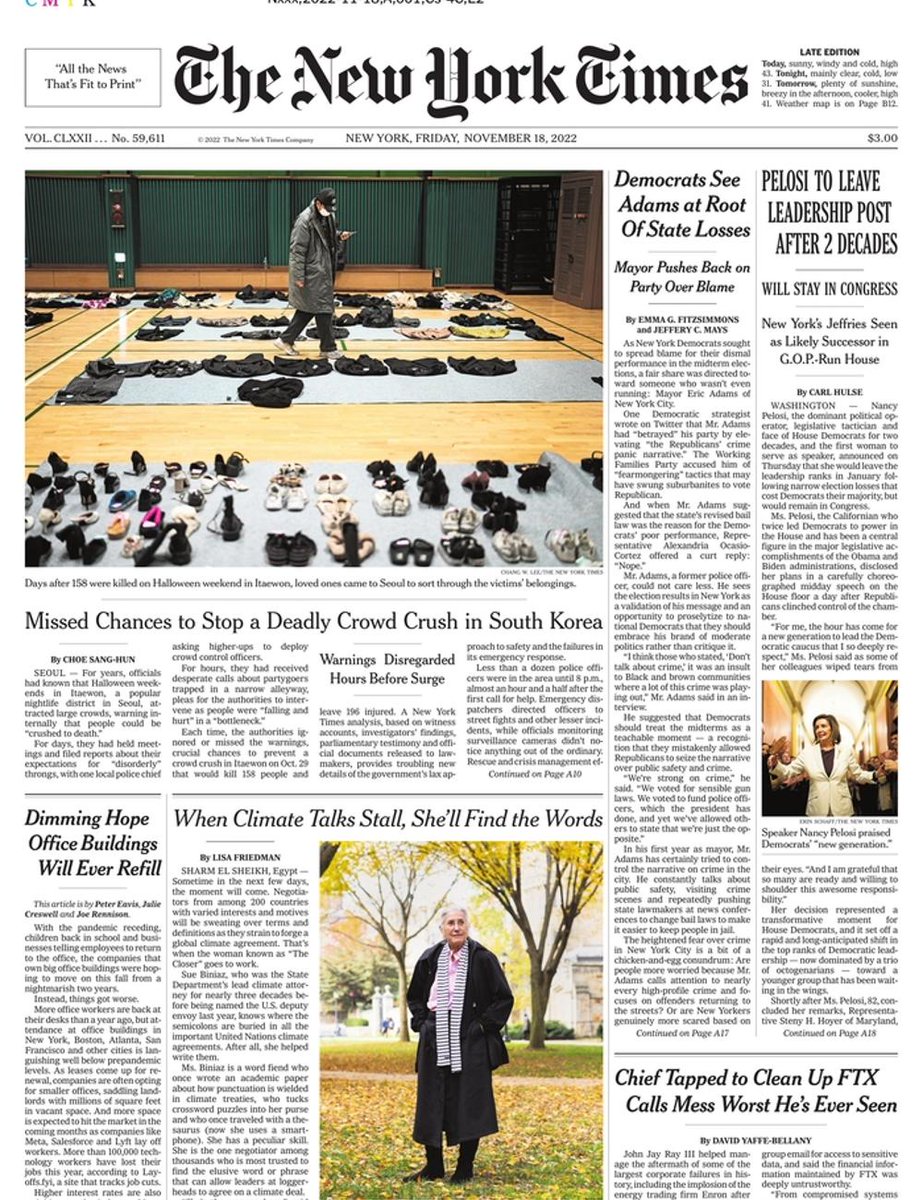
Front Page: The New York Times – November 18, 2022

Image

Pelosi Steps Aside, Signaling End to Historic Run as Top House Democrat

“For me, the hour has come for a new generation to lead the Democratic caucus that I so deeply respect,” Speaker Nancy Pelosi said. She has led her party in the House for two decades.

N.Y. Democrats Blame Eric Adams for Election Losses. He Doesn’t Care.

The New York City mayor focuses relentlessly on crime, and critics say he lent legitimacy to Republicans who played up the issue in their midterms campaigns.

Police Expected the Halloween Crowd. Why Couldn’t They Stop the Disaster?

An analysis, based on official documents and parliamentary testimony, reveals that authorities in South Korea missed crucial chances to prevent a crowd crush that would kill 158 people.

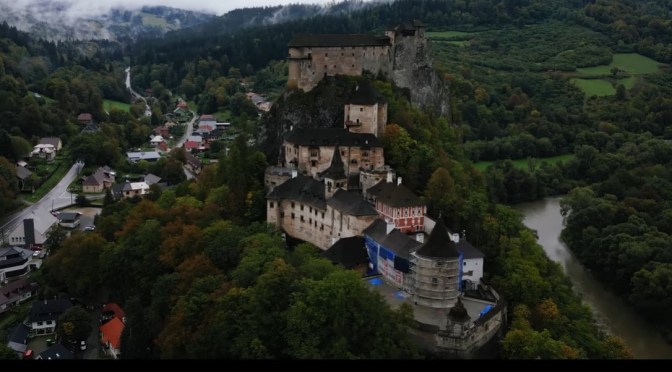
Views: The Culture And Castles Of Slovakia (4K)

I traveled around Slovakia September 2022 for a week, Here is my experience. It’s a small country so I was able to see many places & was really happy to create a travel video from my fathers country.

The places you will find in the film were mainly regional which included: The Tatra Mountains, Spiš Castle at the village of Žehram, Oravam Castle at the village of Oravský, Podzámok, Banská Štiavnica, Trnava (Folk singing & dancing), The Trenčín Castle, The Strečno Castle, Čičmany village, The Likava Castle.

Filmed and Edited by: Max Harach

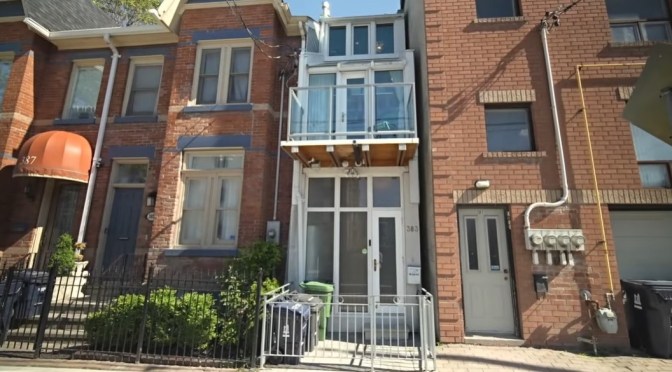
Architectural Tours: An 8′ Wide House In Toronto

This ultra-narrow house looks modern on the outside, but inside it’s a cozy and welcoming home with multiple levels designed around a meandering set of stairs that run up the center of the home. With lots of wood, exposed copper pipes, and small dimensions, the owner often describes the house as feeling like a boat or a treehouse.

While it might seem like the house was recently built as an in-fill house or accessory dwelling unit, there has actually been a narrow single-story structure on the property since at least 1880. It wasn’t until 1980 – a full century later – that the then-owner, an architect, applied to the committee of adjustments to build the house as it is today.

With such a long and narrow floorplan, an important feature of the house is the full glass walls and skylights at both ends of the house, which lets natural light flow into each room and prevents the house from feeling dark and confined.

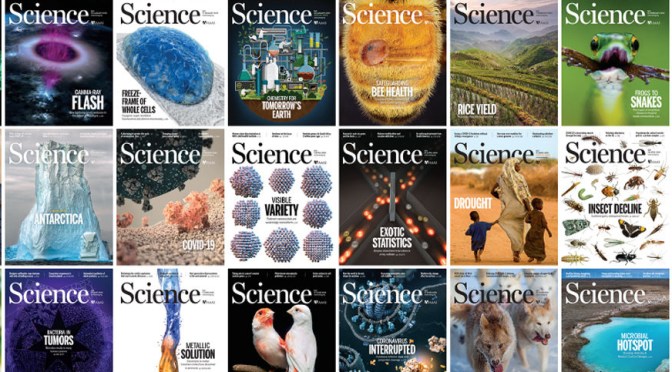
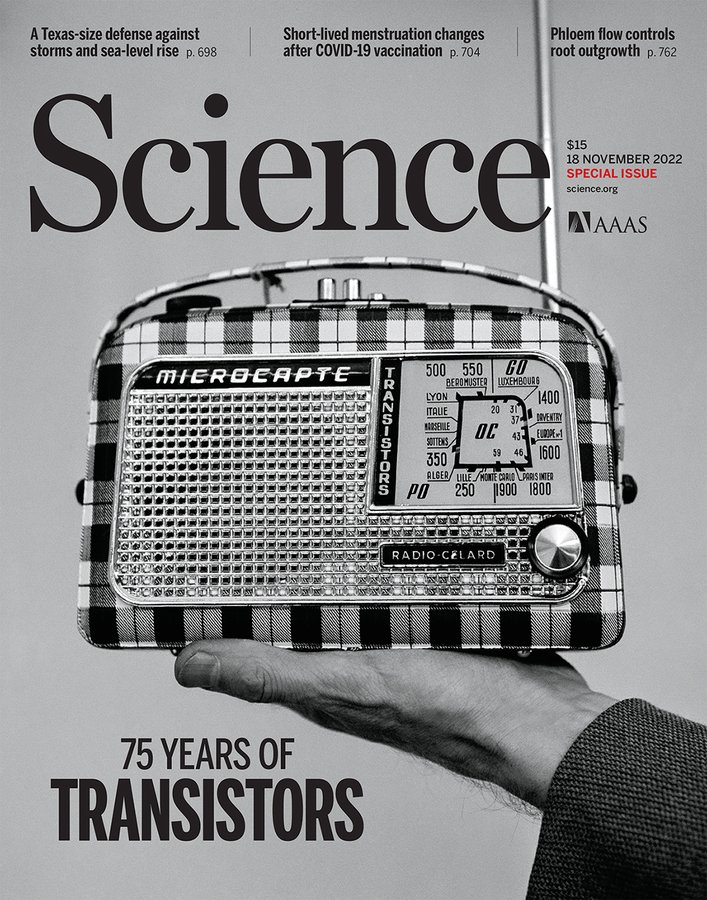
Research Preview: Science Magazine – Nov 18, 2022

Image

Science Magazine – November 18, 2022 issue:

Moore’s law: The journey ahead

High-performance electronics will focus on increasing the rate of computation

Tumors can teem with microbes. But what are they doing there?

New study suggests microbiomes can promote cancer by suppressing immune response and seeding metastase

Booming trade in mammoth ivory may be bad news for elephants

Paleontologists are urged to take a stand against a market that may provide cover for continued poaching

Defining the onset of the Anthropocene

Twelve sites are considered for defining the Anthropocene geological epoch

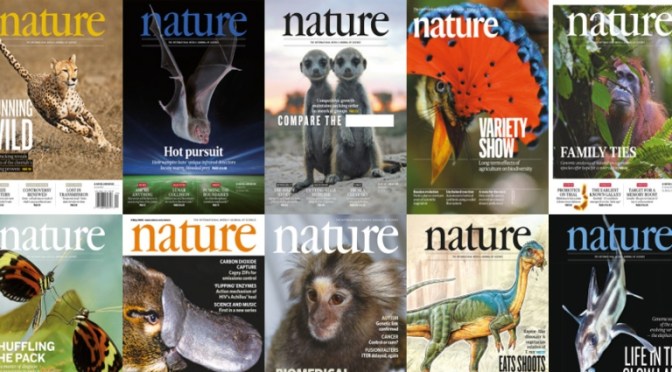
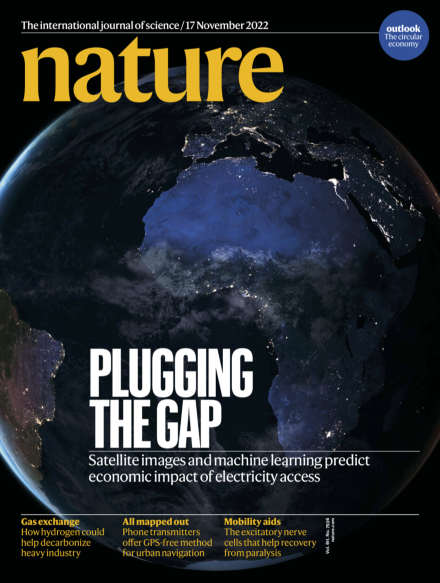
Research Preview: Nature Magazine – Nov 17, 2022

Volume 611 Issue 7936

nature – November 17, 2022 issue:

Farming feeds the world. We desperately need to know how to do it better

Interventions designed to improve agricultural practices often lack a solid evidence base. A new initiative could change that.

CRISPR cancer trial success paves the way for personalized treatments

‘Most complicated therapy ever’ tailors bespoke, genome-edited immune cells to attack tumours.

Overhyping hydrogen as a fuel risks endangering net-zero goals

Hydrogen is touted as a wonder fuel for everything from transport to home heating — but greener and more efficient options are often available.

A fortune in gold is buried in electronic waste

US consumers could generate more than one billion pieces of e-waste a year by 2033.

Why older people get less protection from flu vaccines

Immune players called B cells are partly to blame for the decline in vaccine efficacy for people over 65.

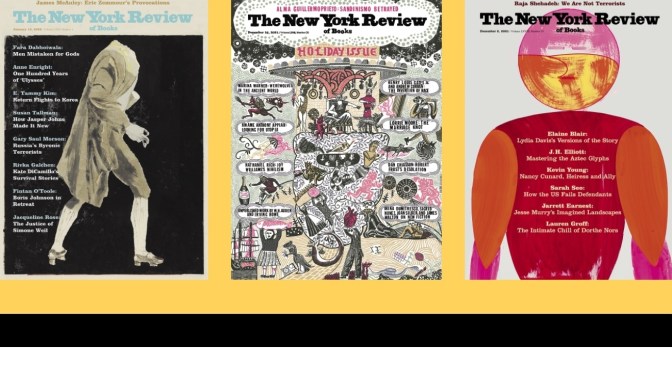
Books: New York Review Of Books – Dec 8, 2022

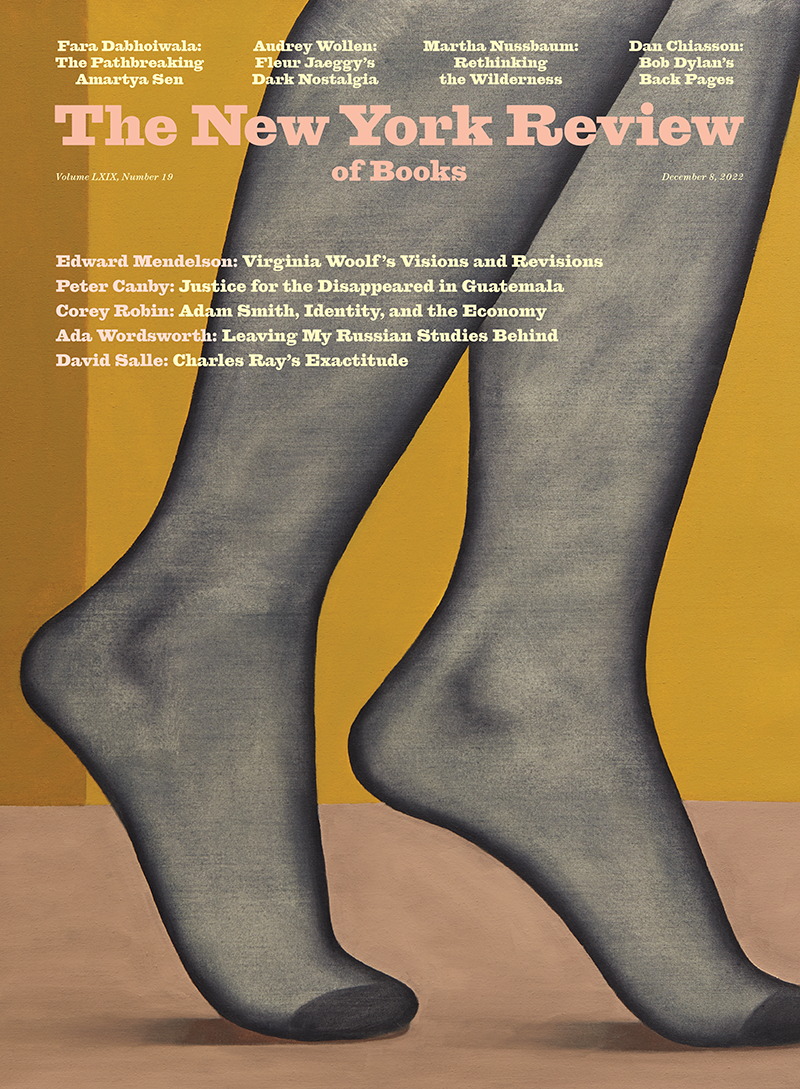
December 8, 2022 issue cover

The New York Review of Books – December 8, 2022:

The Circuitous Sublime

Like most hauntings, Fleur Jaeggy’s books are often quite baroque, but they cast a strange spell that causes everyone to remember them as nothing but austere.

Sweet Days of Discipline by Fleur Jaeggy, translated from the Italian by Tim Parks

The Water Statues by Fleur Jaeggy, translated from the Italian by Gini Alhadeff

I Am the Brother of XX by Fleur Jaeggy, translated from the Italian by Gini Alhadeff


Road Maps for the Soul

The Philosophy of Modern Song can be read as a tour journal, refracted through one lonely song after another.

The Philosophy of Modern Song by Bob Dylan


A Peopled Wilderness

We must find new ways to act toward animals in a world dominated everywhere by human power and activity.

‘A Great Democratic Revolution’

Alexis de Tocqueville left France to study the American prison system and returned with the material that would become “Democracy in America.”

The Man Who Understood Democracy: The Life of Alexis de Tocqueville by Olivier Zunz


Analysis: The Future Of Energy Policies In Europe

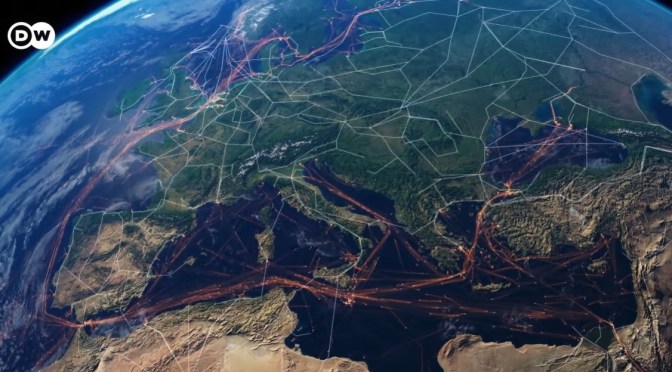
DW Documentary – Energy is life – these days, Europeans are experiencing that first-hand. For far too long, Europe has depended on coal, oil and gas imports from around the world. Not only have these fuels been driving the climate catastrophe, but they also serve as a dangerous bargaining chip for geopolitical interests.

Energy is essential — and it is a major problem. The war in Ukraine has shown just how dependent Europe is on fossil fuels. This has weakened Europe and given export countries – frequently governed by authoritarian rule – a geopolitical means of leverage. Now, war on the European continent has eclipsed concerns over the climate Crisis. The increased consumption of harmful fuels is creating economic and political problems.

Yet, against the odds, decarbonizing Europe remains a widespread priority, and alternative solutions are already available. In France, Denmark and Ukraine, civil initiatives are taking energy supplies into their own hands and investing in the joint production of their own solar energy. In some cases, privately produced solar energy has proven much cheaper than what national solar energy providers offer.

These initiatives show that decentralizing energy production could be the key to transforming our energy supply. Poland still depends heavily on coal, but is offering re-training programs for employees in the mining business to help them transition to green jobs. An estimated one million such green jobs are expected to be created in Europe by 2030. Green hydrogen, currently still in the development stages, could be a sustainable and profitable alternative for industries in the future.

Across the continent, workable alternatives are emerging. The current quick succession of political crises has now joined the ongoing climate crisis to show just how important it is to act now.

News, Views and Reviews For The Intellectually Curious