Category Archives: Politics

THE NEW YORKER MAGAZINE – OCTOBER 12, 2026 PREVIEW

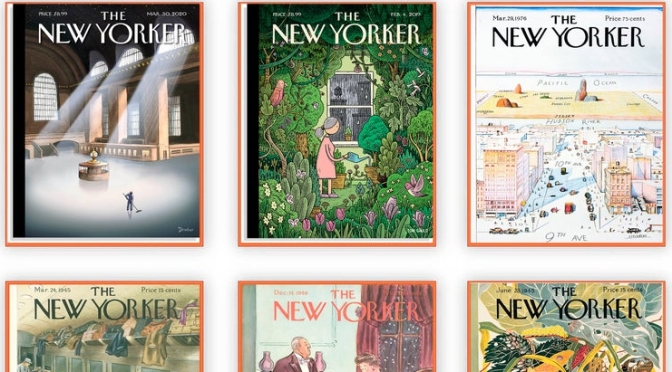
The cover of the October 12 2026 issue of The New Yorker which features a muscular man jogging in Central Park with his...

THE NEW YORKER MAGAZINE: The latest issue cover features “Peter de Sève’s “Lapdog” – Trying to keep up. By Françoise MoulyArt by Peter de Sève

The Battle for the Post-Trump Right

For decades, the Heritage Foundation was a conservative powerhouse. Can it stay relevant in the influencer age? By Emma Green

ICE Is Everywhere and Acting with Impunity

Arrests have reached a record high—nearly fifty-one thousand in August alone—with agents conducting operations nationwide at hospitals, at airports, and outside schools. By Jonathan Blitzer

The Battle to Pass a Billionaire Tax

Most Democratic voters say that they favor a wealth tax, but a California ballot initiative has plenty of liberal opponents. By Nicholas Lemann

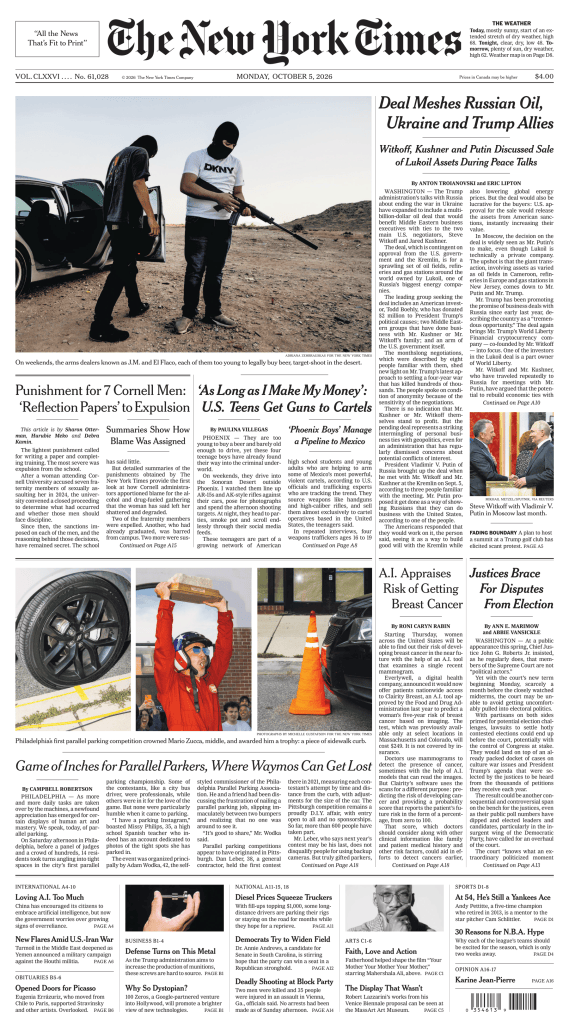
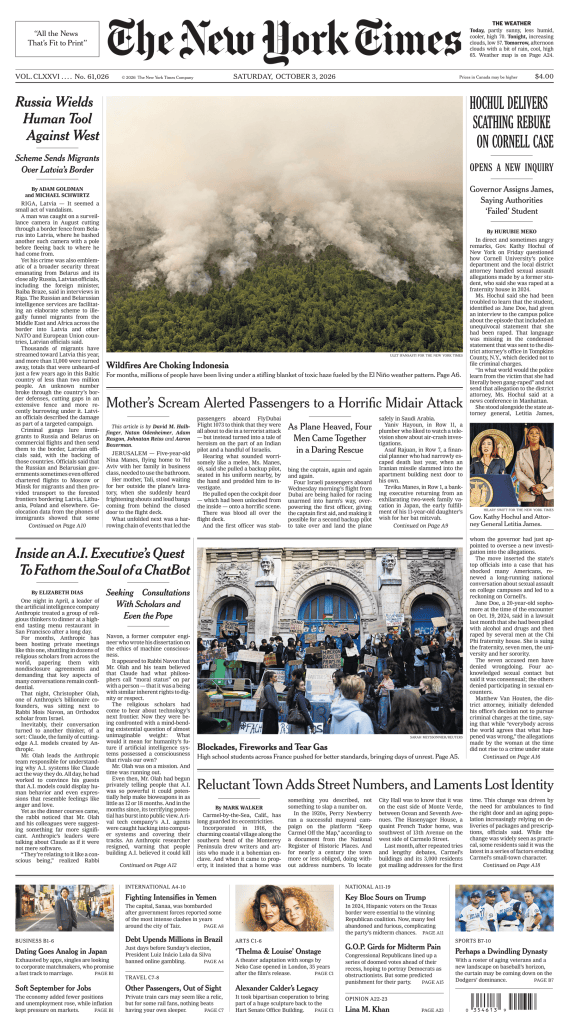
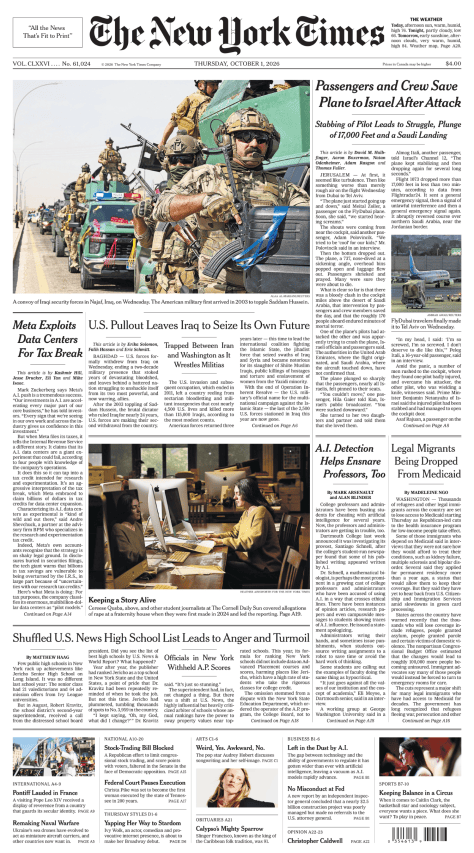
THE NEW YORK TIMES – MONDAY, OCTOBER 5, 2026

Trapped in a Kill Zone, a Ukrainian City Is Beginning to Starve

Evacuation is almost impossible and food is running out in Russian-occupied Oleshky, a city menaced by mines and drones.

How the Midterms Could Complicate the Supreme Court’s New Term

Even before the justices start their new term today, the court has spent the summer resolving fast-moving requests on election-related disputes.

U.S. Rushes to Withdraw Bombers From U.K. Air Base After New Threats

The move came with unusual speed, following what U.S. officials said were threats of an Iran-based plot against the installation.

Spain Calls Early Election After Housing Crisis Roils Government

Prime Minister Pedro Sánchez of Spain has faced rising challenges to his authority amid a migration crisis and several corruption scandals involving his inner circle.

Jair Bolsonaro’s Son Pushes Brazil’s President to a Runoff

Neither President Luiz Inácio Lula da Silva nor his top challenger, Flávio Bolsonaro, won a majority of votes in the first round.

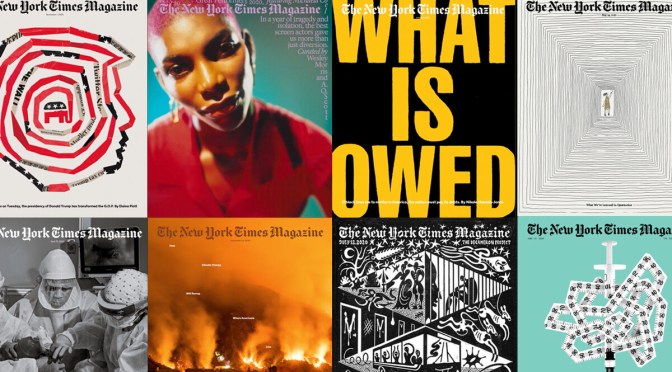
THE NEW YORK TIMES MAGAZINE- OCTOBER 4, 2026

THE NEW YORK TIMES MAGAZINE: The latest issue features Trisha Thadani’s cover essay on alternative medical clinics targeting cancer patients with misinformation, alongside Max Read’s examination of Silicon Valley products adopting the logic of gambling, and Kwame Anthony Appiah’s Ethicist column on sponsoring a caregiver’s career.

Min Jin Lee Was Underestimated for Half Her Life. Then She Started to Write.

A torch bearer for the great 19th-century tradition of social realism, she’s become one of the most important novelists of her generation.

When Did Everyone Start Talking Like a Hollywood Windbag?

The phrase “the X of it all” started as a joke to mock the vague lingo of studio bosses. But there’s something widely appealing about speaking “casually, broadly and vaguely in order to reduce friction.” By Nitsuh Abebe

They Kept Outsiders Away for 500 Years. Their World Is About to Change.

My father dedicated his life to studying the Guna people of Panama, and they may soon allow unprecedented development through their land. I went on a trek through the jungle to find out why. By Ben Ryder Howe and Federico Rios

How Everything Became Gambling

It’s not just DraftKings and Polymarket — the logic of gambling undergirds everything coming out of Silicon Valley.

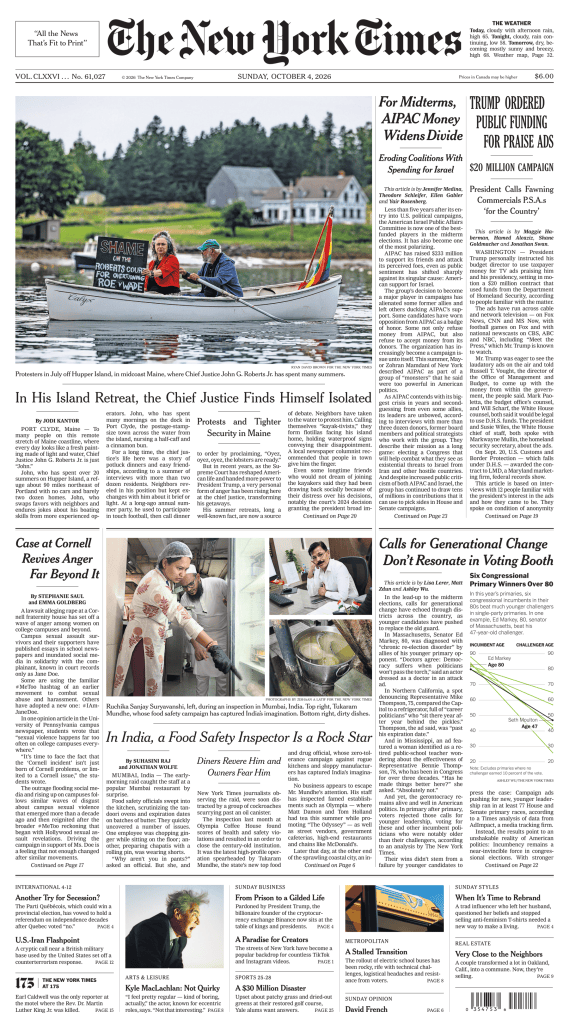
THE NEW YORK TIMES – SUNDAY, OCTOBER 4, 2026

Superpowers Race to Put Nuclear Reactors on the Moon

The United States wants a reactor on the moon by 2030. A Russian-Chinese alliance is working on one for 2036. Some leading scientists say the danger is great.

Russians Snap Up Chinese E.V.s as Ukrainian Attacks Make Fuel Scarce

As Ukraine increasingly takes the war to Russia, the effects may be most visible on the roads.

Israeli Authorities Trade Blame for Failure to Flag FlyDubai Co-Pilot

The Omani co-pilot who officials said tried to crash the plane was said to have embraced extremist Islamist views.

How Cornell Punished Each of the 7 Men Accused of Sexual Assault

Summaries obtained by The Times offer a detailed look at the discipline meted out to the men accused of sexually assaulting a fellow student.

An Outrage in 2019, No Problem in 2026: How Trump Moved the Ethical Line

President Trump’s decision to hold an international summit at his golf club, an idea rejected in his first term, illustrates how much he has shattered norms.

THE NEW YORK TIMES – SATURDAY, OCTOBER 3, 2026

U.S.-Russia Talks on Ukraine Now Involve an Oil Deal Tied to Trump Allies

President Vladimir Putin brought up a sale of Russian energy assets with Jared Kushner and Steve Witkoff. The deal raises new questions about conflicts of interest.

Separatists Are Set to Win Quebec’s Election. What Will It Mean for Independence?

The Parti Québécois has vowed to hold a referendum on independence, three decades after Quebec voted “no.” Voters want change, but maybe not that much.

Omani Co-Pilot on FlyDubai Flight Is Said to Have Extremist Views

It was unclear what background checks had been carried out before he was allowed to fly to Israel.

Senate Races in Republican States Tilt Toward Democrats, Polls Find

Democrats are performing strongly in five reliably Republican states where they are trying to flip Senate seats, according to new Times/Siena polls.

D.A. in Cornell Rape Inquiry Declined to Review Additional Evidence

Records showed that campus police officers informed prosecutors that they had conducted interviews beyond taking a statement from the woman who said she was raped.

American High School Students Are Selling Guns Bound for Cartels

Drawn by money and status, teenagers in Arizona are buying, stealing and selling weapons destined for criminal groups in Mexico.

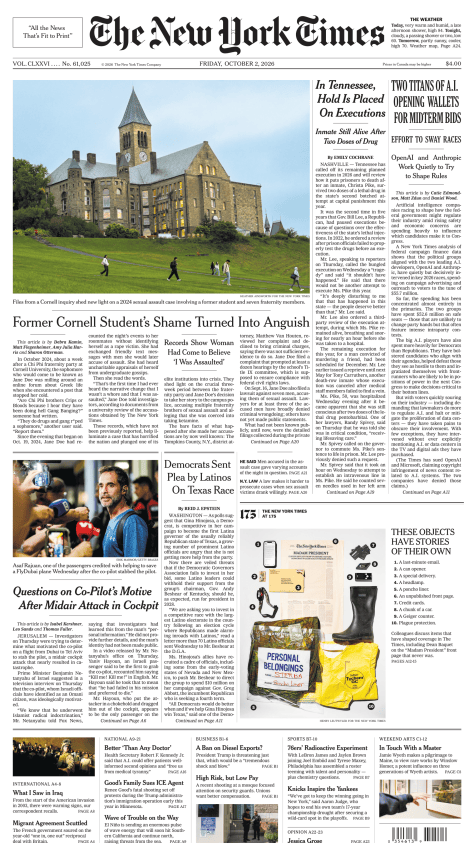
THE NEW YORK TIMES – FRIDAY, OCTOBER 2, 2026

‘I Couldn’t Let All of Them Die’: Pilot on FlyDubai Flight Recalls Sudden Attack

Capt. Smit Machchhar, who was stabbed by his co-pilot midair between Dubai and Tel Aviv, said he “had to act” to prevent a crash despite serious injuries.

China’s Push into A.I. Has Led to a Problem: Too Much Usage

As citizens embrace the technology for entertainment, relationships and even farming advice, the government is stepping up efforts to set limits.

Russia Is Planning Its Most Powerful Blow Yet to Try to Freeze Ukraine

Ukraine showed European partners what it said were intercepted Russian plans to cut off major cities from power, heat and water this winter.

How Russia Uses Migrants as Weapons Against Europe

The Latest Russian Propaganda? A.I.-Generated War Songs.

Fresh Jobs Figures to Bring Insights on U.S. Economy

The job market has been strong and unemployment steady as inflation has unsettled markets and raised costs for consumers.

The Powerful Yet Fragile Force Propping Up Stocks and the Economy

The artificial intelligence boom has pushed up the stock market, even as interest rates have pulled it down, our columnist says.

Hochul to Address Cornell Case After Appointing Special Prosecutor

Gov. Kathy Hochul appointed New York’s attorney general to investigate an allegation of rape. They are expected to give an update this morning.

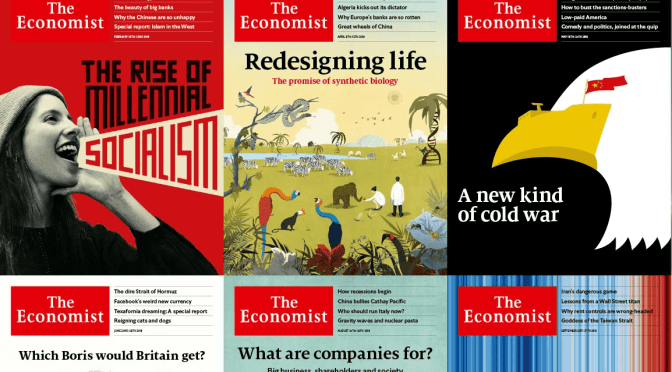
THE ECONOMIST MAGAZINE – OCTOBER 3, 2026

THE ECONOMIST MAGAZINE: The latest issue features ‘The century’s biggest idea’ – Effective altruism and the battle over AI…

Effective altruism is this century’s biggest idea

The movement is admirable, but dangerous

A hurricane is coming to tax systems

Governments should be preparing, but most aren’t

Don’t put Donald Trump and Kim Jong Un in a room together

A summit between the two “friends” could go horribly wrong

China’s new infrastructure push will help itself and the world

But it must still do more to lift consumption

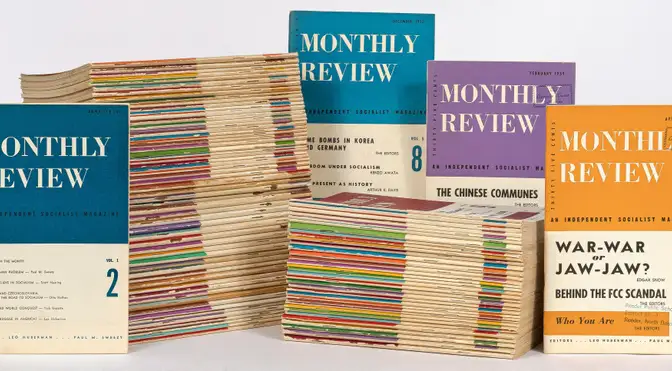
MONTHLY REVIEW MAGAZINE – OCTOBER 2026 PREVIEW

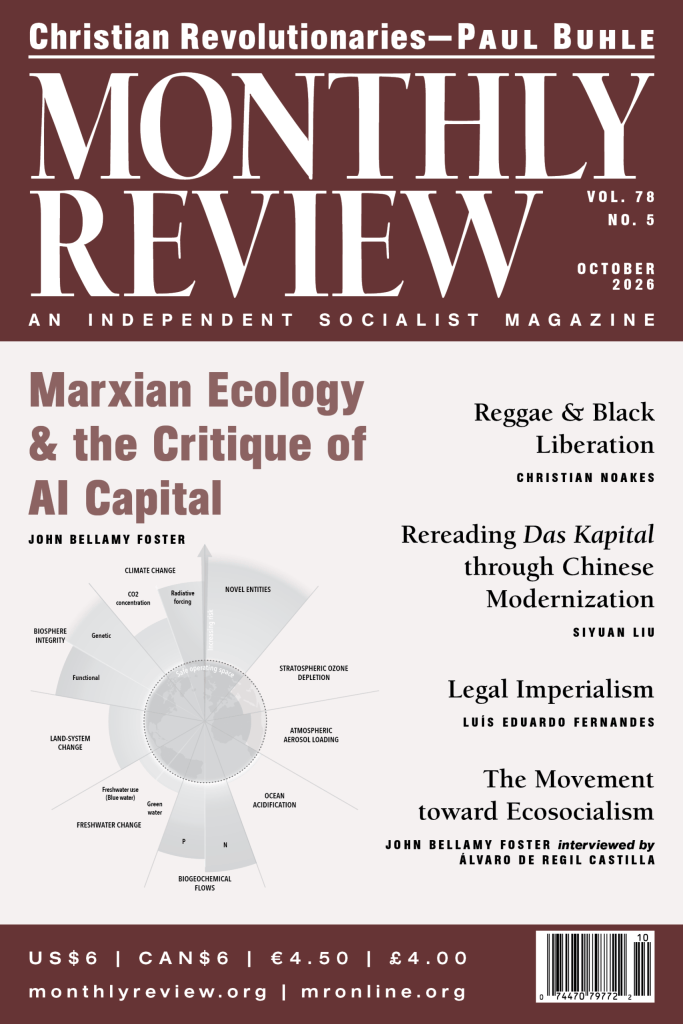
MONTHLY REVIEW MAGAZINE: The latest issue features ‘Marxian Ecology & the Critique of AI Capital’….

Marxian Ecology and the Critique of AI Capital

by John Bellamy Foster

What is the rise of AI capital, and what does it mean for contemporary work, culture, and the ecological state of our planet? John Bellamy Foster dispels the myth of a “hyperorganized AI capitalism.” As Foster writes: “We are not entering a stable new age…but rather a new, capitalist-engendered global disorder in which humanity, according to climate science, is headed ever more rapidly toward a planetary ‘point of no return.'” The only way out—the only way, that is, to ensure the survival of humanity—is a radical shift away from the catastrophically destructive regime of capital accumulation and toward sustainable human development through socialism.

Radical Jewish Tradition

by Paul Buhle

Paul Buhle reviews The Radical Jewish Tradition by Donny Glickstein and Janey Stone. The book, Buhle writes, is a window onto “the antinomies of nineteenth-century Jewish life”—including the growing movement against Zionism and for socialism among Eastern European Jews. This authors, Buhle notes, also tells the story of Jewish communists in Britain, the United States, and beyond, taking into account the wide sweep of Jewish left activity globally, situating the present struggles against genocide in Palestine squarely within the legacy of radical Jews everywhere.

Legal Imperialism: International Law and Dependency in Late Imperialism

by Luís Eduardo Fernandes

Today’s resurgence in U.S. imperialist interventions abroad and the concomitant so-called crisis of the “rules-based order” can be explained, Luís Eduardo Fernandes argues, through the category of “legal imperialism, which refers to how the international juridical form is internalized within societies and in the context of dependency, colonialism, unequal exchange, and monopoly capital. “International law and imperialism,” Fernandes writes, “do not stand as opposing poles. They are part of the same unity.… Violence is constitutive of the juridical form.”

THE NEW YORK TIMES – THURSDAY, OCTOBER 1, 2026

Bloody Attack in the Cockpit of a Flight to Israel, and a Terrifying Plunge

“I don’t deserve to die like this,” said one passenger on Flight 1073 from Dubai to Tel Aviv. The motive of the cockpit stabbing remains unknown, officials said.

Israelis Celebrate Passengers’ Return as Questions Swirl Over Flight Attack

Prime Minister Benjamin Netanyahu praised the flight’s injured captain, Israeli passengers and reserve pilots, who helped secure the plane and land it safely. The attacker has not been identified.

U.S. Bond Yields Hit Highest Level Since 2002

The trends pushing up yields, including the war in Iran and high government debt levels, are unlikely to dissipate soon.

Tennessee Fails to Execute Woman After 2 Doses of Lethal Injection

Christa Pike was convicted of murdering a classmate in 1995. It was not clear what went wrong in the execution or what her current medical condition was.

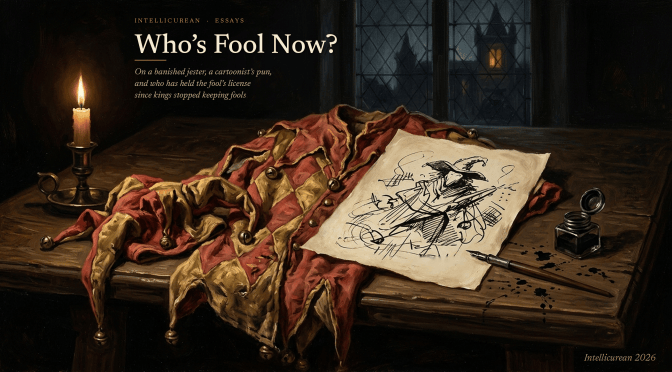
WHO’S FOOL NOW?

Intellicurean Essays on Intellicurious

In 1638 the king’s jester asked an archbishop, “Who’s fool now?” and was thrown out of court the same day. The fool’s license to mock has changed hands ever since. It has rarely been the fool’s to keep.

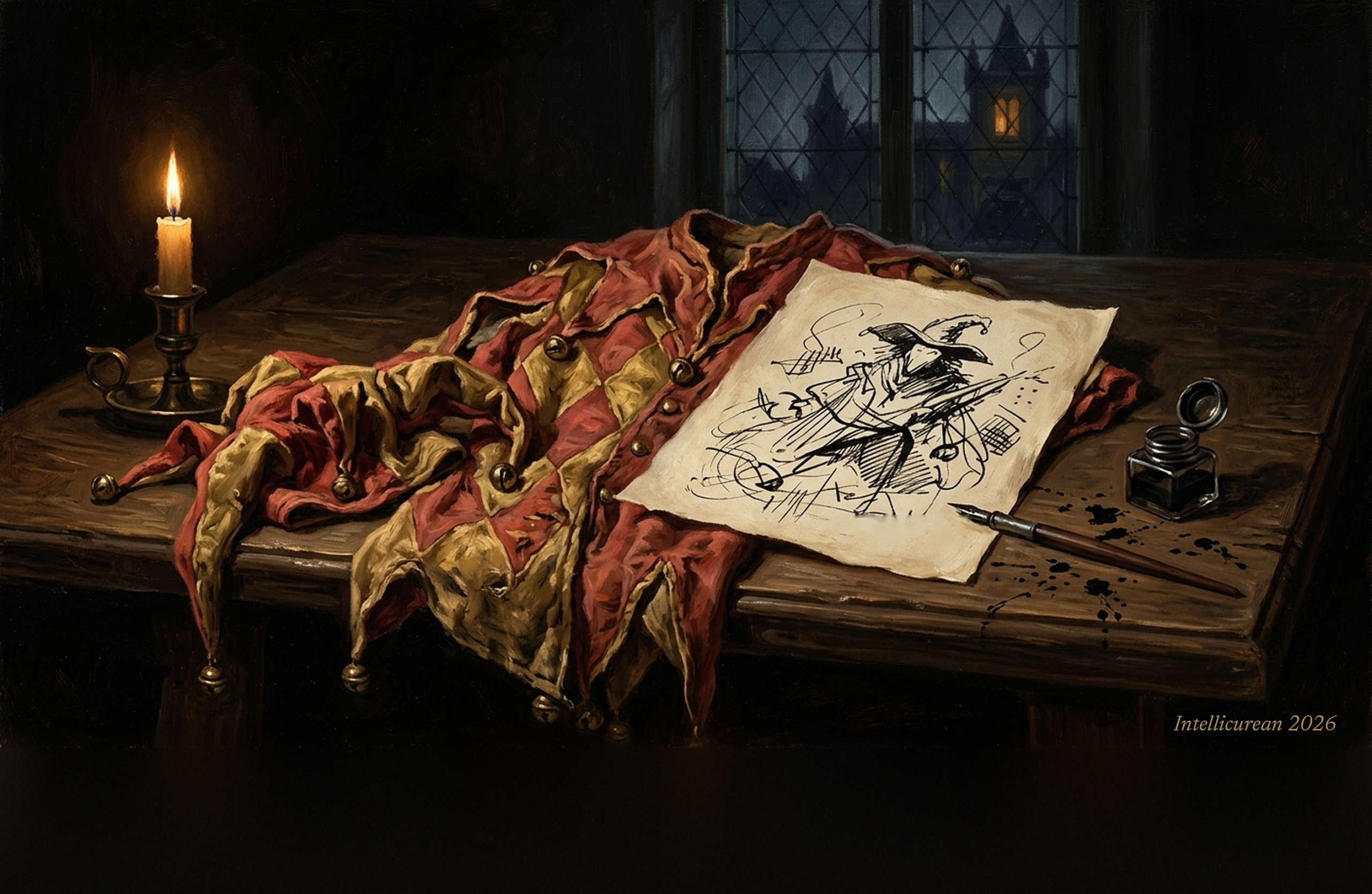
A jester’s red and gold motley coat thrown across a candlelit table beside an ink caricature, a pen and an inkwell, with a palace silhouetted through the window
The fool’s coat set down and the pen taken up, made for the essay.

Why we’re pointing you there

Archibald Armstrong had jested for two kings when he mocked Archbishop Laud over the Scottish prayer-book revolt. The Privy Council sentenced him to have his coat pulled over his head and be banished the court. Michael Cummins starts there and asks who has held the fool’s license since kings stopped keeping fools. He follows it through Shakespeare’s “allowed fool,” a caricaturist on a party pension, and a Victor Hugo play banned after a single night. Then a British cabinet minister takes a cartoonist to lunch, and in January 2025 a Pulitzer Prize winner walks out of the Washington Post.

What we liked most is the centerpiece. In 1937 Goebbels complained about David Low’s cartoons, and Lord Halifax carried the complaint home. The newspaper said it couldn’t control Low, so the minister had to ask the cartoonist himself. Low agreed to ease off, and answered with a new character whose name was a pun on what had just happened to him. The essay grants that the cost of losing the license has fallen a long way since Armstrong’s day. It ends by asking whether a paying public is a freer master than a king, or only a larger court.

In a rain-dark London dining room, a tall man in a dark suit gestures across a lunch table toward a man reading a page of cartoons; a leather muzzle lies on the white cloth between them
A lunch in Bayswater, made for the essay.

Read the full essay at Intellicurean →

Essays & Reviews for the Intellectually Curious