
Tag Archives: Washington Post

WHO’S FOOL NOW?

Intellicurean Essays on Intellicurious

In 1638 the king’s jester asked an archbishop, “Who’s fool now?” and was thrown out of court the same day. The fool’s license to mock has changed hands ever since. It has rarely been the fool’s to keep.

A jester’s red and gold motley coat thrown across a candlelit table beside an ink caricature, a pen and an inkwell, with a palace silhouetted through the window
The fool’s coat set down and the pen taken up, made for the essay.

Why we’re pointing you there

Archibald Armstrong had jested for two kings when he mocked Archbishop Laud over the Scottish prayer-book revolt. The Privy Council sentenced him to have his coat pulled over his head and be banished the court. Michael Cummins starts there and asks who has held the fool’s license since kings stopped keeping fools. He follows it through Shakespeare’s “allowed fool,” a caricaturist on a party pension, and a Victor Hugo play banned after a single night. Then a British cabinet minister takes a cartoonist to lunch, and in January 2025 a Pulitzer Prize winner walks out of the Washington Post.

What we liked most is the centerpiece. In 1937 Goebbels complained about David Low’s cartoons, and Lord Halifax carried the complaint home. The newspaper said it couldn’t control Low, so the minister had to ask the cartoonist himself. Low agreed to ease off, and answered with a new character whose name was a pun on what had just happened to him. The essay grants that the cost of losing the license has fallen a long way since Armstrong’s day. It ends by asking whether a paying public is a freer master than a king, or only a larger court.

In a rain-dark London dining room, a tall man in a dark suit gestures across a lunch table toward a man reading a page of cartoons; a leather muzzle lies on the white cloth between them
A lunch in Bayswater, made for the essay.

Read the full essay at Intellicurean →

Essays & Reviews for the Intellectually Curious
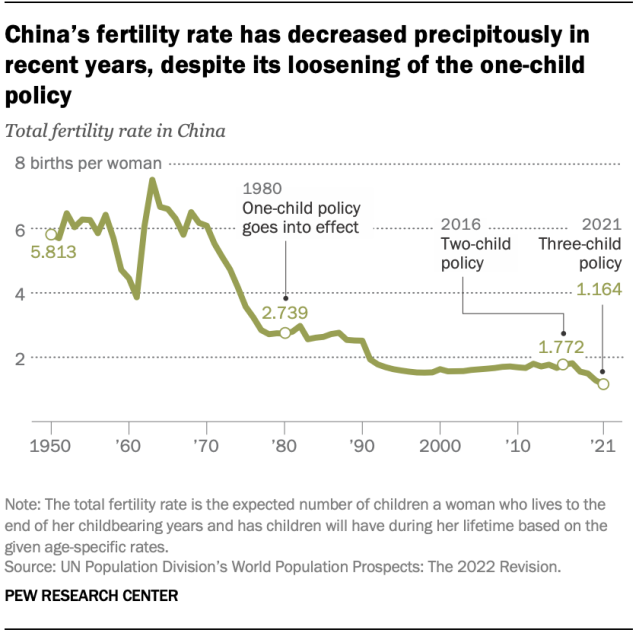
Opinion: China’s Youth Has Sacrificed Freedoms, Now Learn To “Eat Bitterness”

For generations, the Chinese Communist Party has held on to power partly through an implicit bargain with its citizenry: Sacrifice your freedoms, and in exchange, we’ll guarantee ever-rising living standards.
That deal has not held up for today’s youths.
Opinion | Ignatius, Summers, Rampell, more discuss China's economy in  turmoil - The Washington Post

Until quite recently, China’s young people seemed poised to take on the world — and many of them appeared to believe they would. They’ve shown a streak of hyper-nationalism, stoked by the country’s leadership and reinforced by China’s growing economic and geopolitical strength.

China’s Gen Z came of age, after all, in the wake of the country’s accession to the World Trade Organization and amid a rapid rise in incomes.

President Xi Jinping has said young people must learn to “eat bitterness” (an idiom that roughly means to toughen up by enduring hardship). Today’s youths, leaders say, are not too good for manual labor or moving to the countryside — experiences Xi and his generation once had to endure.

China’s resilience after the financial crisis, particularly relative to the sluggish recovery across most of the West, suggested China and its citizens had nowhere to go but up. Political dysfunction in many of those same Western democracies, expertly exploited by Chinese propaganda, reinforced this perception.

READ MORE

Analysis: Biden Rebukes Putin, Republican Politics

New York Times columnist David Brooks and Washington Post columnist Karen Tumulty join Judy Woodruff to discuss the week in politics, including President Biden’s rebuke of Russia and Putin at the U.N. and the state of Republican politics.

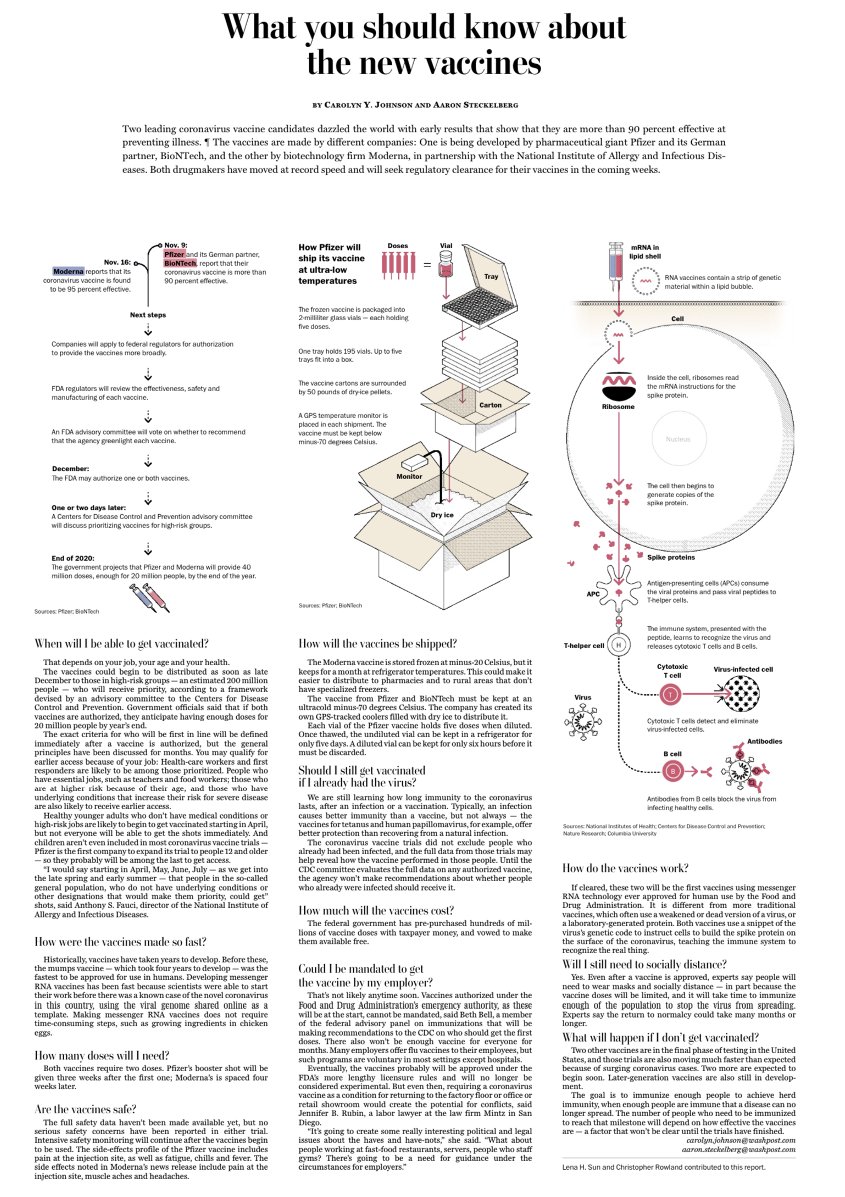
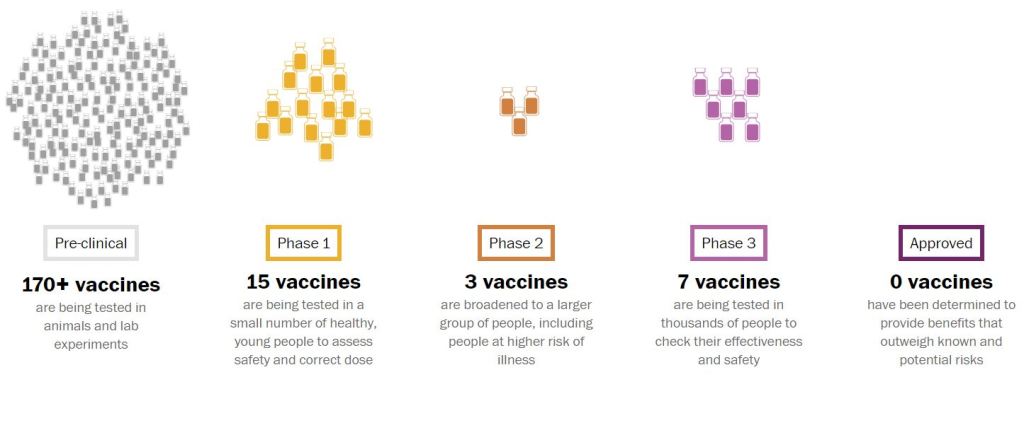
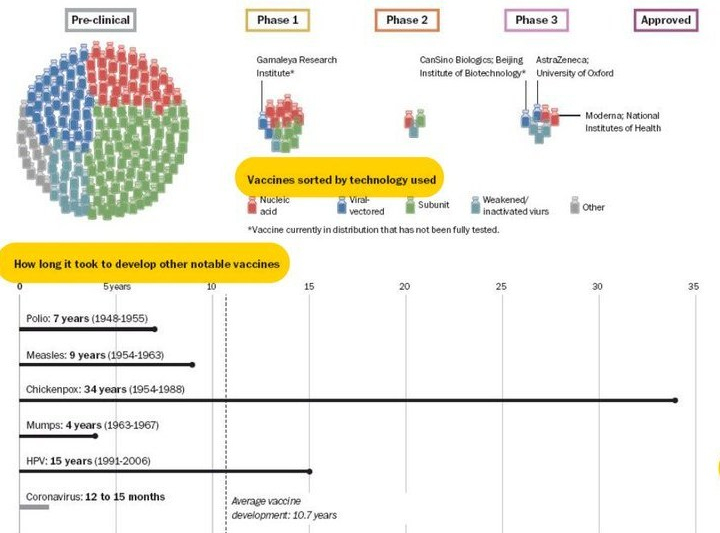
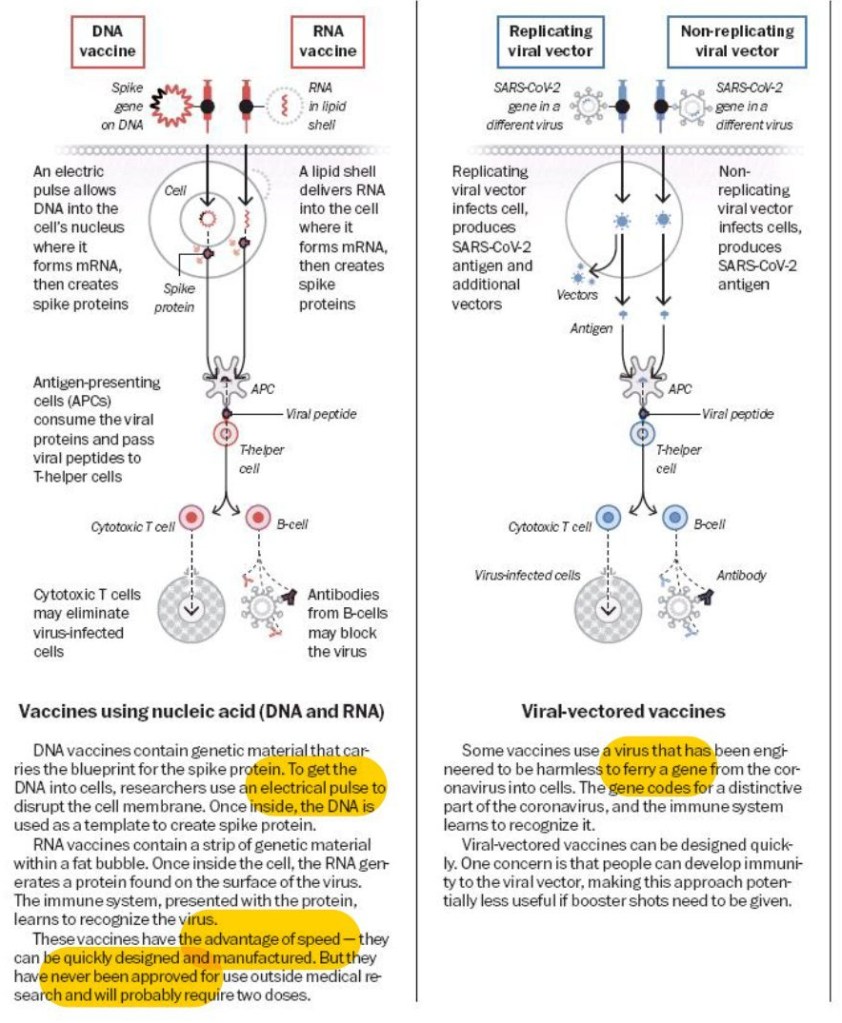
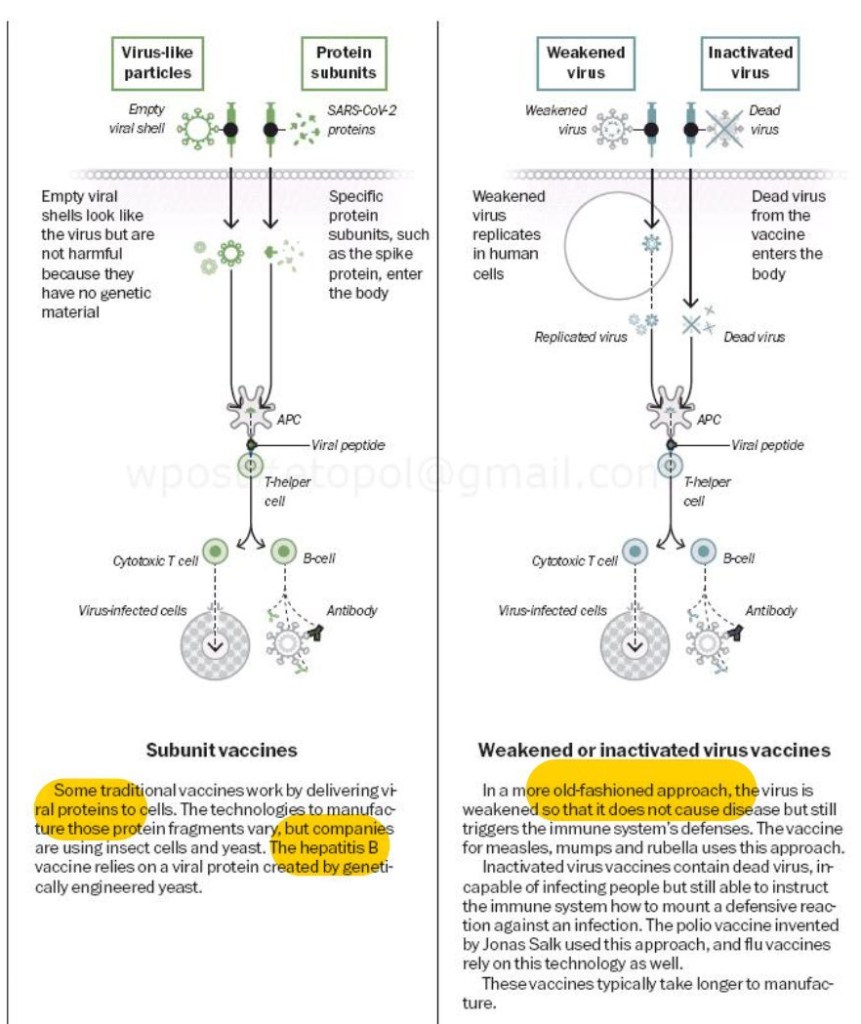
Infographics: “Inside Race for A Covid-19 Vaccine”

WASHINGTON POST (AUG 16, 2020): Researchers in the United States set an audacious goal in January to develop a coronavirus vaccine within 12 to 18 months. This would be a world record. The mumps vaccine is considered to be the fastest to move, in four years, from scientific concept to approval in 1967. The quest for an HIV vaccine continues, 36 years and counting.

Read more from Washington Post