
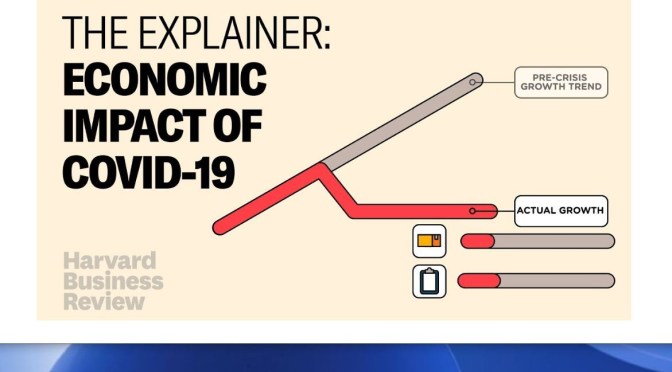
Predicting the path ahead has become nearly impossible, but we can speculate about the size and scale of the economic shock. Economic contagion is now spreading as fast as Covid-19 itself. Social distancing, intended to physically disrupt the spread, has severed the flow of goods and people, stalled economies, and is in the process of delivering a global recession.
Predicting the path ahead has become nearly impossible, as multiple dimensions of the crisis are unprecedented and unknowable. Pressing questions include the path of the shock and recovery, whether economies will be able to return to their pre-shock output levels and growth rates, and whether there will be any structural legacy from the coronavirus crisis.
This Explainer explores several scenarios to model the size and scale of the economic shock and the path ahead.
Based on the HBR article by Philipp Carlsson-Szlezak, Martin Reeves and Paul Swartz
 A selection of three essential articles read aloud from the latest issue of The Economist. This week, the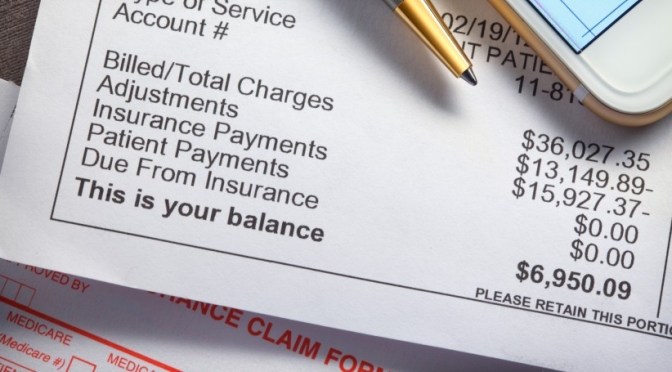
 Though U.S. legislation targeting the problem of surprise medical bills advanced out of key congressional committees in 2019 with support from leaders in both parties, Congress ultimately failed to pass a law to end such bills.
 In the new series “Economics For People” from the Institute for New Economic Thinking (INET), University of Cambridge economist and bestselling author Ha-Joon Chang explains key concepts in economics, empowering anyone to hold their government, society, and economy accountable.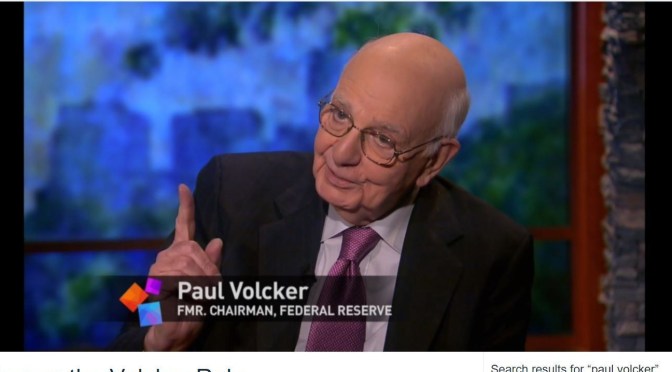
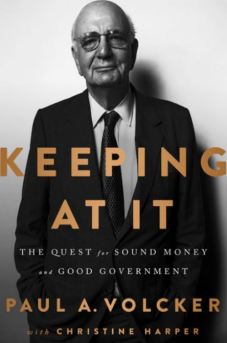 Paul Volcker, who
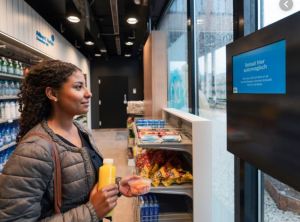 Shoppers have to use a debit card at the door to gain entry to the store. Then they can shop for products and just walk out. Upon exit, customers can verify their purchases against the receipt. No cash is accepted.
 Wall Street Journal corporate bureau chief Marcelo Prince explains the competition between retailers Amazon, Target and Walmart to provide one-day shipping to customers during the holiday season.
 As digital payments become the norm, will there be a need for cash? The Economist’s Finance editor Helen Joyce takes a look behind the scenes of the future, from Sweden to Shanghai. She explores how digital payments will transform the economy, and how they risk leaving some people behind.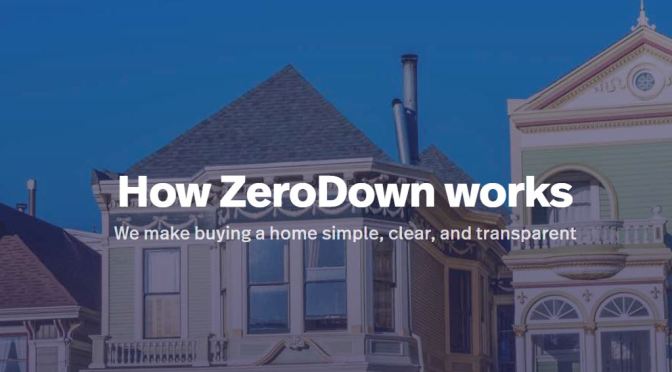
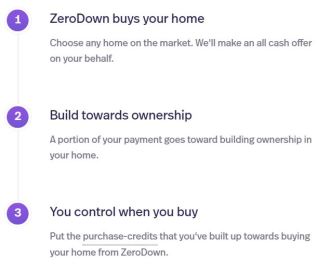 Real estate startup ZeroDown, which launched earlier this year, boasts a unique business model. Aiming to help more people become homeowners in the pricey San Francisco Bay Area, the company removes several of the largest hurdles from the homebuying process, namely the down payment and mortgage, and buys homes for its customers outright.
 Intellicurious