
Since 2010, Social Security’s cash flow has been negative, meaning that the agency does not collect enough money through taxes to cover what it is paying out. Even though there was still this vast trust fund behind Social Security, they started tapping that fund’s interest.
Starting in 2021, they will have to dip into the trust fund itself to cover those benefit payments, and even that pool of cash has an expiration date. Trustees of the fund expect that by 2035 it will not be enough to cover full benefit payments. Due to COVID-19, that date may come years sooner than expected, which has some retirees seriously worried about their future.


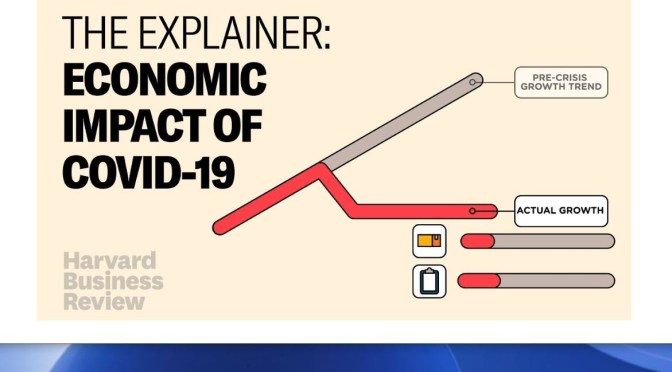
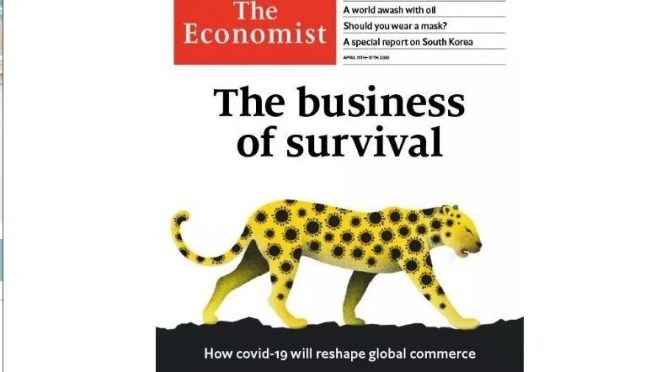
 A selection of three essential articles read aloud from the latest issue of The Economist. This week, the

 Though U.S. legislation targeting the problem of surprise medical bills advanced out of key congressional committees in 2019 with support from leaders in both parties, Congress ultimately failed to pass a law to end such bills.
 In the new series “Economics For People” from the Institute for New Economic Thinking (INET), University of Cambridge economist and bestselling author Ha-Joon Chang explains key concepts in economics, empowering anyone to hold their government, society, and economy accountable.

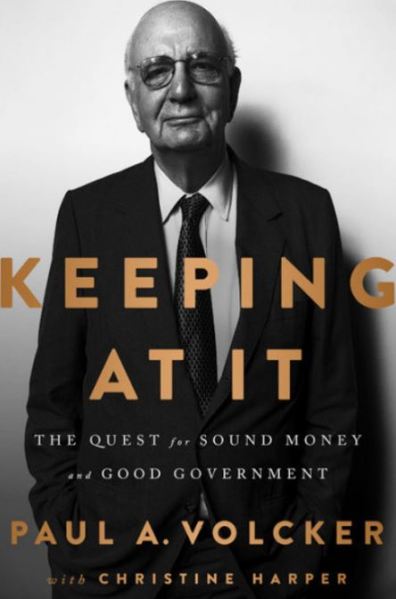 Paul Volcker, who

