Tag Archives: History

THE GUARDIAN WEEKLY – MARCH 6, 2026 PREVIEW

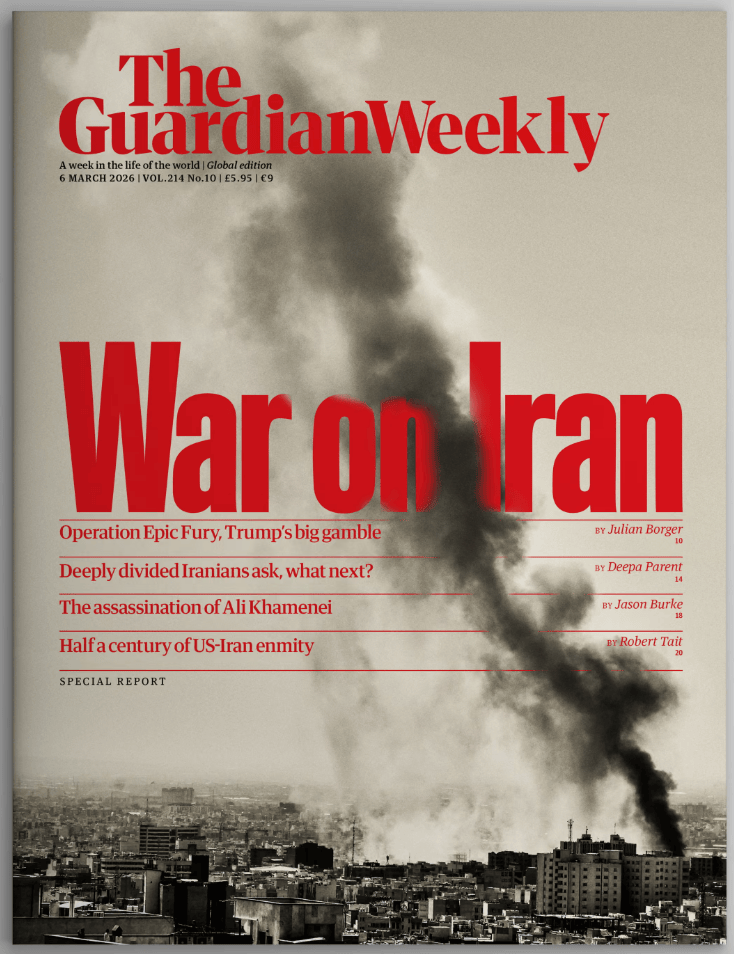
THE GUARDIAN WEEKLY: The latest issue features ‘War On Iran’ – The global consequences of Trump’s big gamble. Plus Can the Louvre recover its joie de vivre?

Some weeks I head out of the office on a Friday afternoon with an uneasy feeling that our best-laid plans for next week’s Guardian Weekly might not look quite the same by Monday. This was one of those weeks.

While the scope and power of the US-Israel attack on Iran – not least the successful targeting of Ayatollah Ali Khamenei and several other senior leaders – took many by surprise, the drums of war had been building for a while. With hindsight, last week’s failed nuclear talks may simply have been cover for what was to come.

As war unfurled dramatically across the Middle East, it was impossible to predict the consequences on a range of fronts, from the likelihood of regime change in Iran to the impact on America’s regional allies under attack, or the ripple effect on global energy prices and disruption to international travel.

Spotlight | Can the Louvre rediscover its joie de vivre?
After a heist and the departure of its boss, the famous Paris museum is wrestling with repairs, strikes and a criticised renovation plan, reports Jon Henley

Science | Do lizards hold the key to how nature works?
The emergence of a new group of common wall lizards offers an insight into how variety within nature can help conserve species, writes Roberto García-Roa

Interview | The world according to Gavin Newsom
He’s the Democratic politician with movie-star looks, dogged by accusations of being a smooth‑talking elitist. But Gavin Newsom may just win the most powerful office in the world. Jonathan Freedland finds out why

Opinion | Labour needs to wake up to the dawning of a new political era
After last week’s disastrous showing in a byelection, the government must accept voters no longer want two-party politics, argues John Harris

Culture | The wild and witty paintings of Rose Wylie
Roaring into her 90s, the rebellious artist is now sought after by galleries worldwide and her works fetch huge sums. Melissa Denes visited her studio
LITERARY REVIEW ———- MARCH 2026 PREVIEW

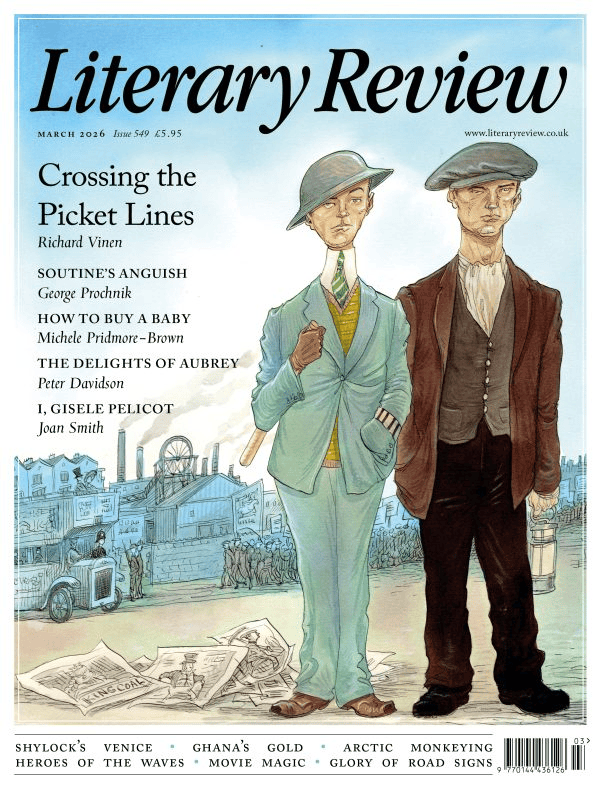
LITERARY REVIEW : The latest issue features Richard Vinen on the General Strike * George Prochnik on Chaim Soutine * Michele Pridmore-Brown on the fertility industry * Peter Davidson on John Aubrey * Joan Smith on Gisèle Pelicot * Piers Brendon on Kathleen Harriman * Jonathan Keates on the Venetian Ghetto * Erik Linstrum on Asante gold * Zoe Guttenplan on road signs * Holly E J Black on illustration * Michael Burleigh on the Arctic * Frances Cairncross on corporate scandals * Andrew Seaton on wind power

Not Funny, Not Forgotten

The historian A J P Taylor was at Oxford during the general strike of 1926. After it, he later recalled, relations between the minority of undergraduates, such as himself, who had gone to help the strikers and those who had signed on as special constables or volunteer strike-breakers were cordial. Only those sensible men who had stuck to their books and essays were disdained. The whole episode seemed funny in a stereotypically English way – like a Punch cartoon brought to life.

Chaim Soutine: Genius, Obsession, and a Dramatic Life in Art

By Celeste Marcus

The artist Chaim Soutine was obsessed with Rembrandt’s painting of a flayed and headless ox. After managing at the age of twenty, in 1913, to get from Smilovichi, a shtetl in present-day Belarus, to Paris, Soutine made many visits to the Louvre to study the canvas. In the mid-1920s, he decided to translate it into his own idiom: a voluminous impasto, churning with deep, febrile … 

Cash Cow: How the Maternal Body Became a Global Commodity – and the Hidden Costs for Women

By Alev Scott

Fuelled by desire and desperation, and considerable hucksterism, the global fertility industry is sometimes seen as having kinship with the sex trade. Its critics are keen to point out that it’s saturated with eugenicist values and geographic exploitation. In a not atypical scenario, a handful of ‘white eggs’ are purchased … 

John Aubrey at four hundred

Whenever I approach the blind corner on the path south of my house in Oxford, I ring my clear-toned bicycle bell and think of John Aubrey, who noted in the 17th century that church bells sound clearer after rain (which was true for my little bell today). I have often also passed on to tense students approaching their final exams Aubrey’s excellent advice that you are ‘more apt to study’ if you’ve played a gentle game of real tennis (or some less real modern equivalent). And whenever I find… 

THE NEW YORK TIMES BOOK REVIEW – MARCH 1, 2026

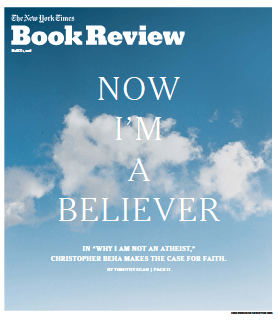
THE NEW YORK TIMES BOOK REVIEW: The latest issue features ‘Now I’m A Believer’ – In “Why I am Not an Atheist”, Christopher Beha makes the case for faith…

Two Sisters Explore the Complex Legacy of Their Mother’s Art

“Backstitch,” a novel by Marian Mitchell Donahue, examines the stark contrast between public talent and private troubles.

Mario Vargas Llosa’s Swan Song Is an Ode to Peruvian Music

The final novel from a titan of Latin American literature follows a critic trying to capture the essence of his national culture.

History’s Most Prolific Female Killer, or a Victim of Disinformation?

A new book by Shelley Puhak dismantles the legend of Hungary’s infamous “blood countess,” separating fact from myth.

MONTHLY REVIEW MAGAZINE – MARCH 2026 PREVIEW

March 2026 (Volume 77, Number 10) - Monthly Review

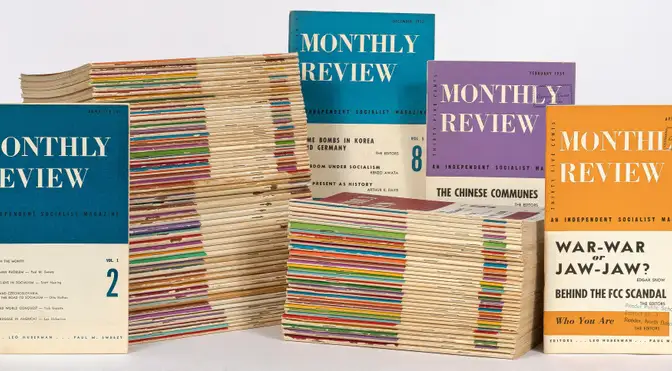
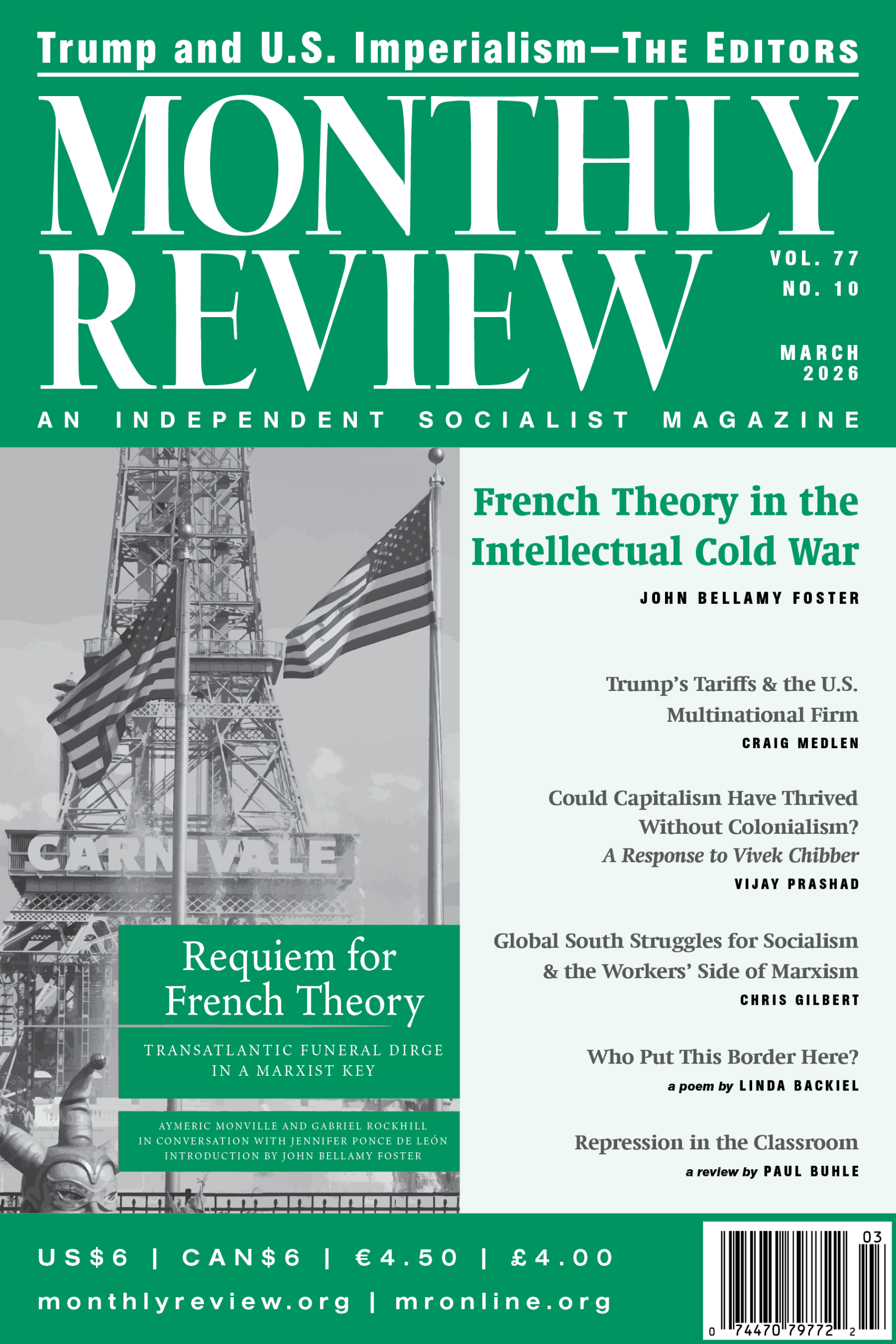
MONTHLY REVIEW MAGAZINE: The latest issue feature ‘French Theory in the Intellectual Cold War’….

With the Trump administration’s backing down on its tariffs on China, its military abduction of Venezuelan President Nicolás Maduro, its insistence on seizing Greenland one way or another, its bombings in Nigeria, and its declaration that the official U.S. military budget will be increased by 50 percent in 2027—the last four events occurring in a two-week span in late December and early January—establishment commentators are all over the map.

Could Capitalism Have Thrived Without Colonialism? A Commentary on Vivek Chibber’s Jacobin Radio Interview

by Vijay Prashad

Vijay Prashad critiques the argument that colonialism was, at most, ancillary to the transition between capitalism and feudalism in Western Europe. Instead, Prashad argues, “capitalism as it historically emerged—industrial, global, racialized, and imperial—was inseparable from colonial expropriation.” This reality must fuel a Marxist conception of the global struggle for reparations for those who have been oppressed and exploited at the hands of empires past and present.

Repression in the Classroom

by Paul Buhle

In this dual review, Paul Buhle lends contemporary context to the histories of McCarthyism found in the recently published A Blacklist Education, by Jane S. Smith, and Operation Mind, by Natalie Zemon Davis and Elizabeth Donovan. In these two books, Buhle writes, readers can find parallels with the was that is today being waged against university professors and students for political activities—a stark reminder that political witch-hunts did not end with Joe McCarthy.

Trump’s Tariffs and the U.S. Multinational Firm

by Craig Medlen

Craig Medlen dissects the logic behind the Trump administration’s efforts to impose tariffs as a way to counteract “unfair” U.S. trade deficits. Situating these deficits in the longer history of U.S. trade hegemony and its crumbling position in the global economy, Medlen uses incontrovertible data to illustrate how mainstream economic orthodoxy fails to acknowledge the effects of foreign inputs that integral to the workings of U.S. monopoly capital.

APOLLO MAGAZINE ——- MARCH 2026 PREVIEW

Anthony van Dyck | Exact Editions

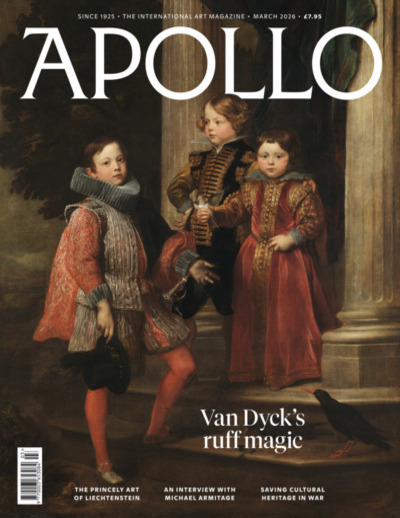
APOLLO MAGAZINE: The latest issue features ‘Van Dyck’s Ruff Magic’….

Was Henri Rousseau a sophisticate all along?

The self-taught painter had a trememdous sense of self-belief, despite being ridiculed in his lifetime. A landmark exhibition confirms him as a singularly modern artist

East Side success story: the Asia Society at 70

Since 1956, the New York institution has fostered cross-cultural understanding, equipped with a collection of masterpieces assembled by its founder, John D. Rockefeller

When art becomes an act of last resort

Joseph Koerner’s account of art made in extremis turns Bosch, Beckmann and Kentridge into unexpected associates across the ages

THE GUARDIAN WEEKLY – FEBRUARY 27, 2026 PREVIEW

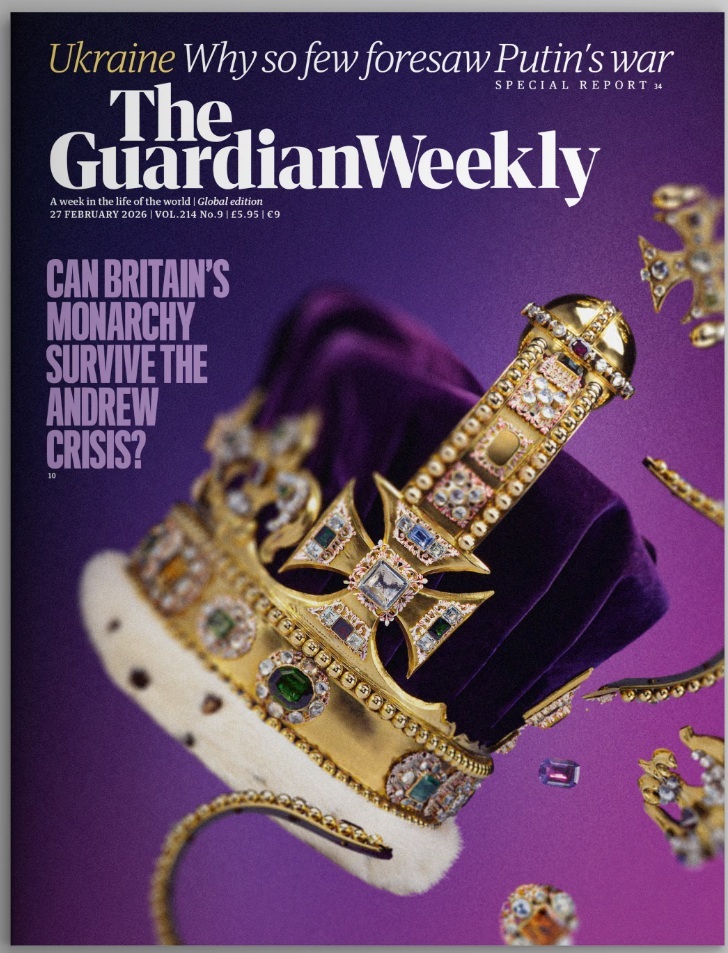
THE GUARDIAN WEEKLY: The latest issue features ‘Can Britain’s Monarchy Survive the Andrew Crisis?’…

The arrest of Andrew Mountbatten-Windsor last week, after allegations he had shared confidential information with the late US sex offender Jeffrey Epstein, sent shock waves around the world.

What happens next is unclear, but the ramifications will go far beyond the former prince, who has consistently denied any wrongdoing related to Epstein. It was one of the most consequential days for Britain’s monarchy in generations, shattering the traditional aura of royal mystique and raising questions of accountability, deference and whether the royal family should have acted sooner.

In a powerful essay for our big story this week, Stephen Bates asks whether the royal family can survive the unfolding scandal.

Spotlight | The limits to the supreme court’s assent
Last week’s declaration by the conservative-heavy court that Trump’s sweeping tariffs are unlawful is a major setback for the president, writes Ed Pilkington

Health | Why big pharma stands to gain from weight-loss pills
Oral tablets could bring obesity treatment into the mainstream, with the sector predicted to be worth $200bn by the end of the decade. Julia Kollewe reports

Special report | The road to war in Ukraine
In a remarkably detailed piece drawing on more than 100 interviews with senior intelligence officials and other insiders, Shaun Walker explains how the CIA and MI6 got hold of Putin’s Ukraine plans – and why nobody believed them

Opinion | A degree? A trade? Every rung for young people is a trap
Is it to be a degree and heavy debt when graduate jobs are shrinking? Or forgoing a degree, knowing society still worships them? Confused, angry: who wouldn’t be, asks Jason Okundaye

Culture | Big in Beijing (but less so in Blackpool)
James Balmont’s band, Swim Deep, plays to crowds of hundreds across the UK – but in China, they perform in front of tens of thousands. And they’re not the only ones

LONDON REVIEW OF BOOKS – MARCH 5, 2026 PREVIEW

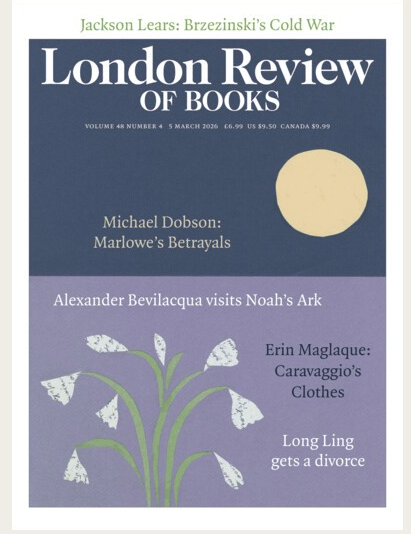
LONDON REVIEW OF BOOKS: The latest issue features Jackson Lears – Brzezinski’s Cold War; Marlowe’s Betrayals; Alexander Bevilacqua visits Noah’s Ark; Caravaggio’s Clothes and more.

Lee Gillette, Neil Blackshaw, Ed Jesudason, Samuel Freeman, David Foglesong, Jim Holt, Michael Neill, Malcolm Parry

James Butler‘Need a lord on the board?’

SMITHSONIAN MAGAZINE – MARCH 2026 PREVIEW

Cover for March 2026

SMITHSONIAN MAGAZINE: The latest issue features ‘A New Dawn For The Sahara?’…

Shifting Sands

The Sahara has cycled between eons of bountiful life and arid desolation. What will it mean when the world’s largest desert turns green once again? By Henry Wismayer | Photographs by Marcus Westberg

Modern Moves

Choreography that changed the language of dance, avant-garde costumes by runway designers, music that defined a new American sound. As her company turns 100, an inside look at the enduring world of Martha Graham. Photographs by ioulex | Text by Jacoba Urist

Voice of Deception

She was known as Vicky With Three Kisses—a German radio star whose singing and sweet talk comforted weary Nazi soldiers. She was actually a secret weapon in a little-known Allied propaganda effort. By April White

Paw Patrol

In central Texas, ranchers are beset by threats, from coyotes to drought and foreign competition. To protect their flocks from predators and help preserve their own way of life, they’re turning to the ancient know-how of man’s best friend. By Chris Pomorski | Photographs by Jordan Vonderhaar

THE NEW YORK REVIEW OF BOOKS – MARCH 12, 2026

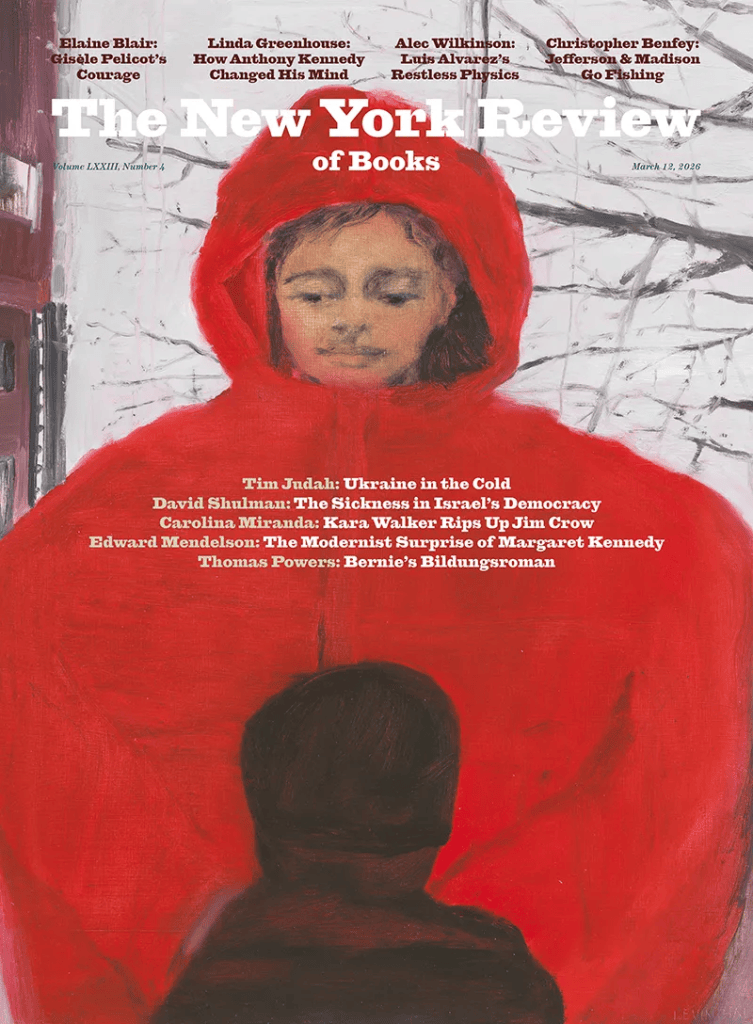
THE NEW YORK REVIEW OF BOOKS: The latest issue features

If These Walls Could Talk

In A House for Miss Pauline, the Jamaican novelist Diana McCaulay examines her family’s shadowy history by telling the story of a woman who builds her house with the remains of the manor of a former slave plantation.

A House for Miss Pauline by Diana McCaulay

A Bitter Winter in Ukraine

Four years after their full-scale invasion, the Russians are trying to freeze Ukraine into submission by relentlessly attacking the country’s energy grid.

A Real Live Socialist

What Bernie Sanders brought to the job of mayor of Burlington and what he did with it help explain what matters to him and how he fits into American political argument.

Bernie for Burlington: The Rise of the People’s Politician and the Transformation of One American Place by Dan Chiasson

THE GUARDIAN WEEKLY – FEBRUARY 20, 2026 PREVIEW

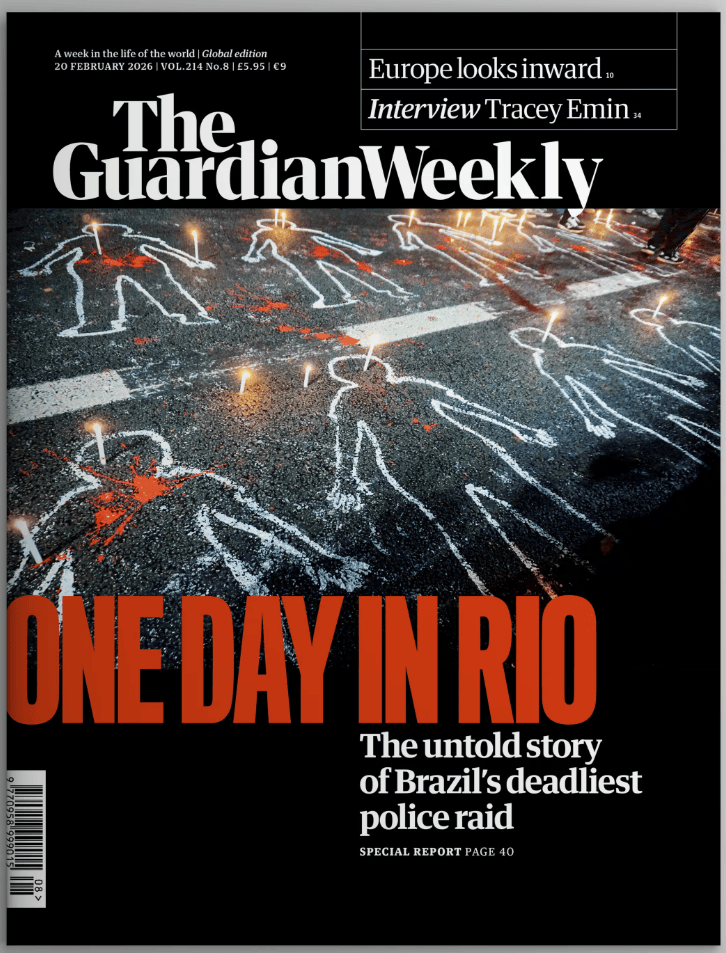
THE GUARDIAN WEEKLY: The latest issue features ‘One Day In Rio’ – The untold story of Brazil’s deadliest police raid.

The first shots of an infamous day were fired in Rio’s Complexo da Penha favela at 4.30am. It was 28 October 2025 and the deadliest police raid in Brazil’s history had just begun. By the end of the day, 122 people, including five police, were dead.

The raid, nicknamed Operation Containment, was intended to apprehend members of one of the country’s most powerful organised crime groups, the Red Command – and in particular its kingpin, Edgar Alves de Andrade, who is also known as “the Bear”.

But the list of 100 arrest warrants justifying the operation featured none of the 117 people killed, and at least one of the dead was not involved in organised crime at all. The Bear, meanwhile, remains at large. Activists, security experts and even Brazil’s president, Luiz Inácio Lula da Silva, have described the operation as a futile massacre.

Now, in a forensic investigation encompassing interviews with community leaders, lawyers, security specialists and bereaved relatives, the Guardian’s South America correspondents Tom Phillips and Thiago Rogero have pieced together the full, previously untold story of what happened.

The big story | Continental drift in Munich
Europe’s leaders met to discuss the continent’s future safety at the Munich Security Conference, a gathering characterised by mistrust of the US Trump administration and divisions over Ukraine. Patrick Wintour was there

Spotlight | Pressure mounts for Andrew to talk to police
As calls for the former prince to cooperate with the investigation become deafening, this may be the reckoning the British king’s brother cannot escape. Caroline Davies and Alexandra Topping investigate

Interview | Tracey Emin on reputation and radical honesty
She scandalised the art world in the 1990s with her unmade bed, partied hard in the 2000s – then a brush with death turned the artist’s life upside down. Now Tracey Emin is as frank as ever, as Charlotte Higgins discovered

Opinion | Iran’s 1979 revolution offers some present-day pointers
The similarities between Iran’s current crisis and events preceding the shah’s exile are striking. The radical clerics benefited then – but, asks Jason Burke, who would prevail this time?

Culture | Thundercat on funk, lost friends and being fired by Snoop Dogg
The genre-hopping bass virtuoso has backed Ariana Grande and Herbie Hancock, appeared in Star Wars and become a boxer. Stephen Bruner explains his polymath mindset to Alexis Petridis