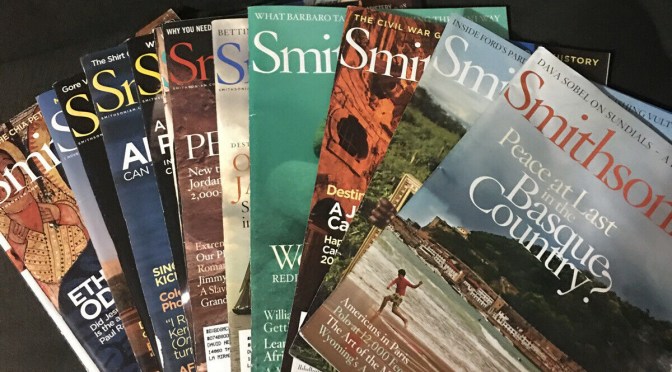
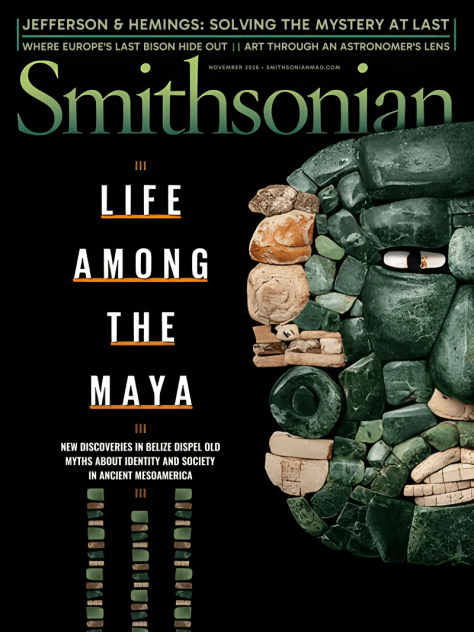
In the rainforest of Belize, archaeologists are uncovering neighborhoods, local markets and urban farms that shed new light on daily life in the ancient world By Ellen Ruppel Shell | Photographs by Neil Ever Osborne
A lock of hair, advances in genetic science and the Smithsonian’s 15-year quest to conclusively resolve an enduring question: Did Thomas Jefferson father Sally Hemings’ children? Dr. Richard Kurin, Ambassador at Large, Smithsonian Institution. Author, History by a Hair Portraits by Joshua Rashaad McFadden
Astronomers, astrophysicists and art historians are on a luminous quest to unlock the real-world secrets of classic paintings and literature By Michael Ray Taylor
After centuries of setbacks, the European bison faces a new challenge: surviving in a primeval forest that isn’t its true home By Marta Zaraska | Photographs by Kasia Strek
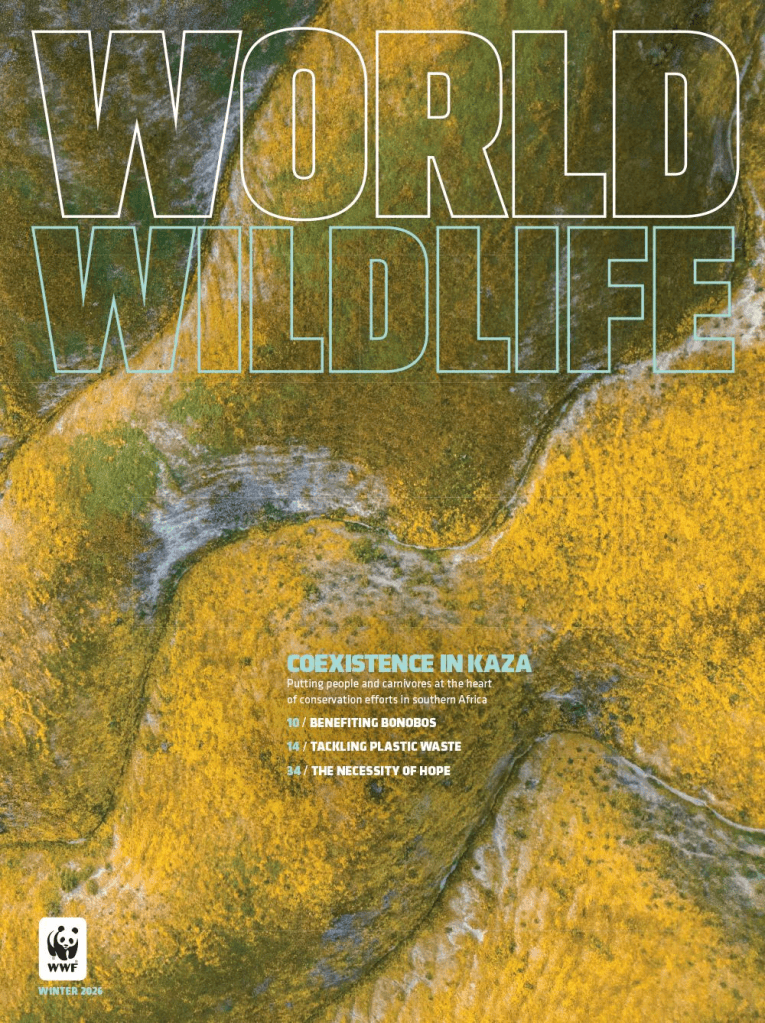
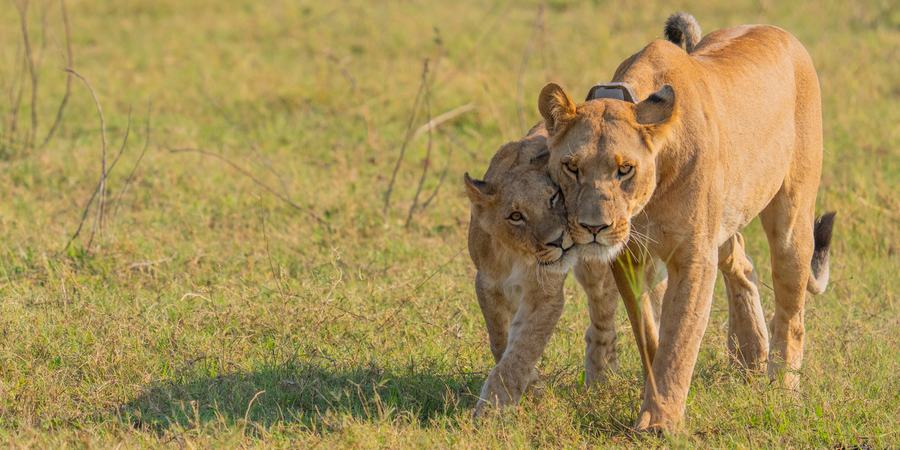
In Southern Africa, five countries unite around a shared vision: A connected landscape where communities and free-roaming wildlife can thrive. By Erin Waite
Photography by Gareth Bentley
Across Africa, large carnivores evolved to roam vast, interconnected landscapes that enable them to hunt prey, find mates, and maintain large territories. But today, those movements have become constrained as human settlements, agriculture, and infrastructure have spliced habitats into ever-smaller fragments. Increasingly isolated and funneled toward spaces inhabited by people, many of the continent’s iconic predators face mounting pressures from habitat loss and human-wildlife conflict, which have fueled alarming declines across populations.
One of the greatest opportunities to reverse this trend lies in the Kavango-Zambezi Transfrontier Conservation Area (KAZA). Spanning 200,000 square miles across parts of Angola, Botswana, Namibia, Zambia, and Zimbabwe, KAZA is the world’s largest terrestrial transboundary conservation area. Here, significant numbers of lions, African wild dogs, leopards, cheetahs, and spotted hyenas still move freely across connected wetlands, savannas, grasslands, and forests—as well as through villages and community lands—helping to keep these important ecosystems in balance.
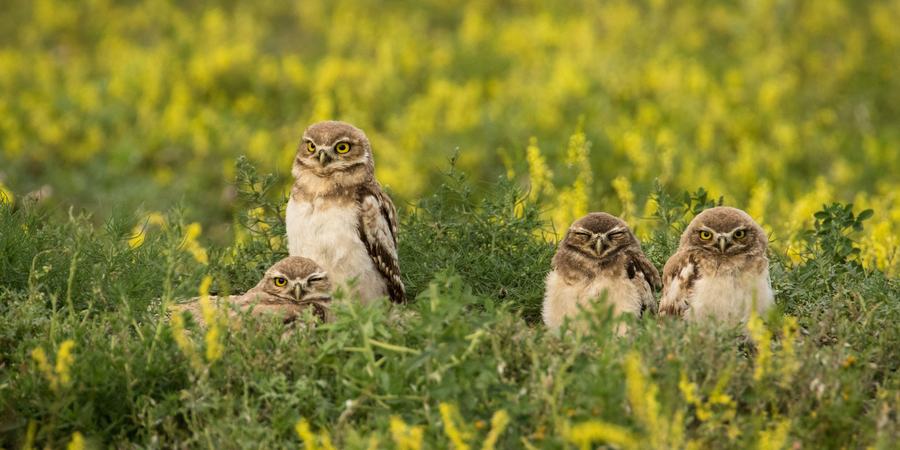
Stretching from coast to coast, grasslands cover nearly a third of the lower 48 states. Yet almost half of Americans know almost nothing about them, according to a new national survey released by the America’s Grasslands Coalition.
Grasslands—large expanses of land dominated by grasses, shrubs, and other flowering plants—are a source of clean water for millions of people in the US and play a vital role in supporting wildlife, storing carbon, sustaining food systems and rural livelihoods, and maintaining ecosystem balance. They currently cover nearly 1 million square miles of the US, roughly half of their historical range—and are continuing to disappear at an alarming rate. This decline, due to plow-up for row-crop agriculture, the spread of invasive plants, and development, threatens wildlife, fresh water, and climate resilience.
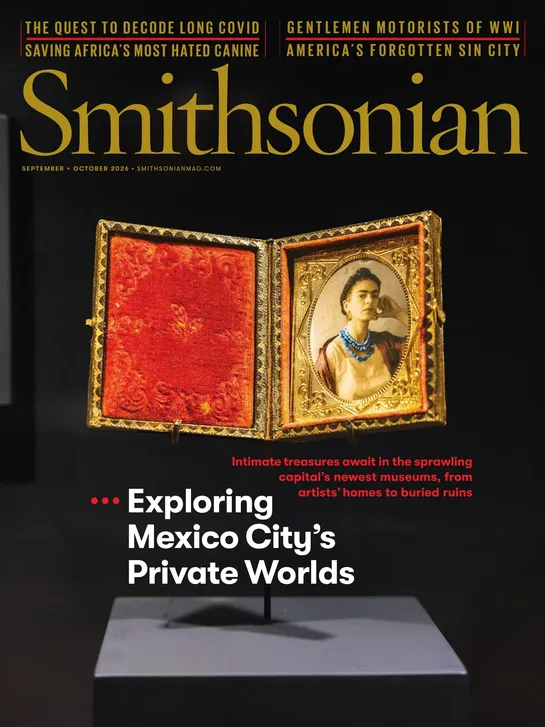
The ancient capital has plenty of artwork and fossils, if that’s what you like. Or tour the writing rooms of a Nobel winner, the fortified home of an exiled Russian revolutionary and towers of skulls
Before they become sandy souvenirs, the baubles in the bubbles of the shoreline serve as a veritable fortress for creatures like clams, mussels and conchs
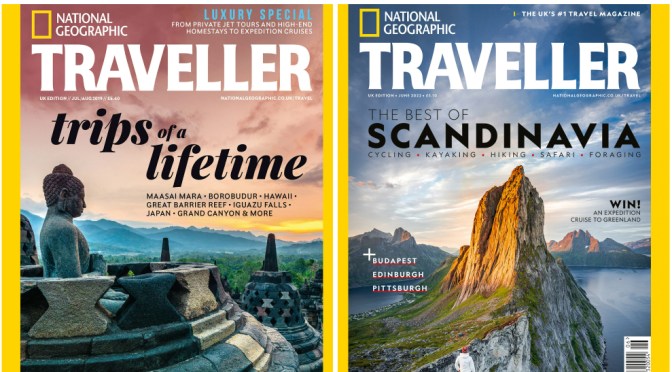
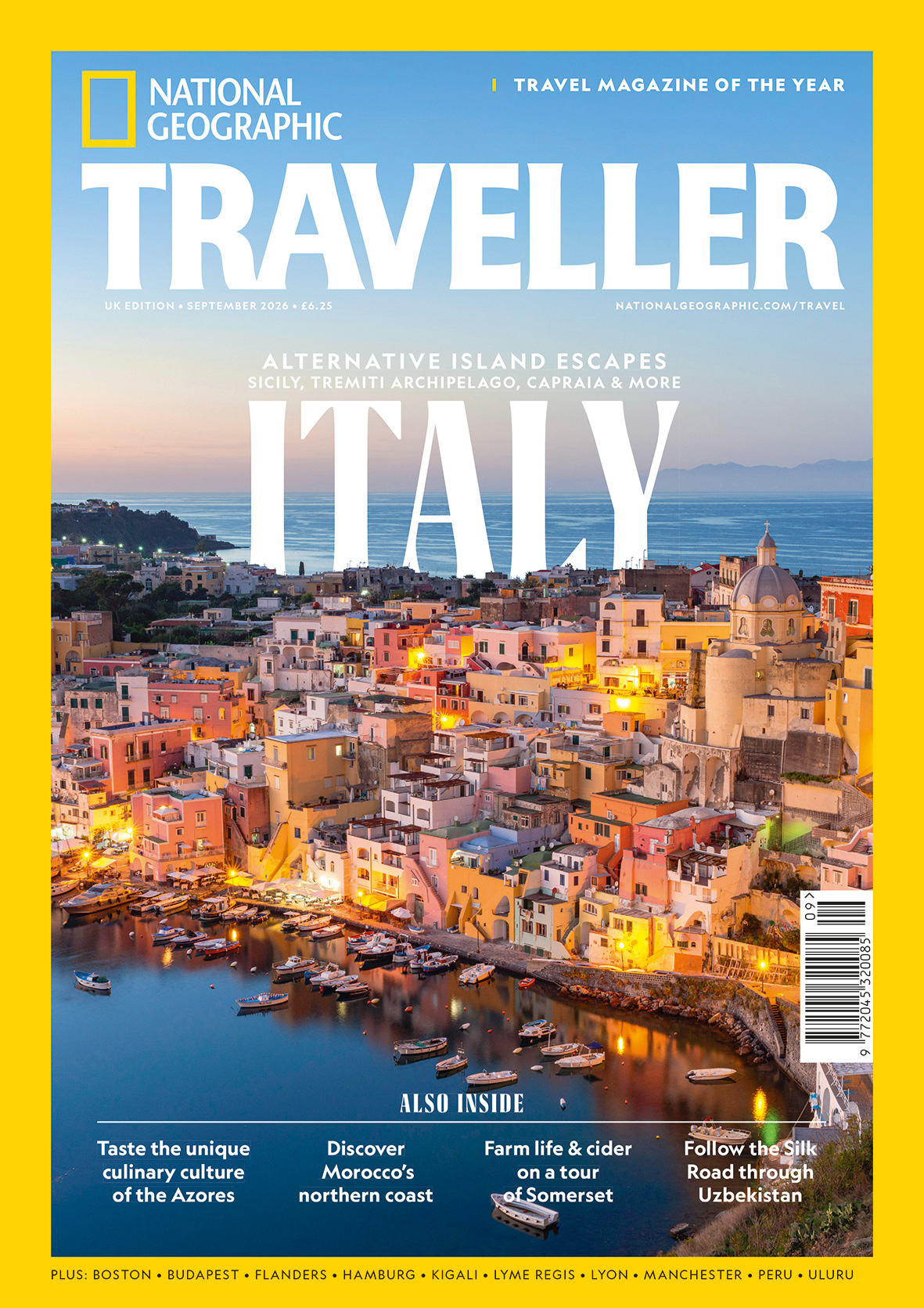
NATIONAL GEOGRAPHIC TRAVELLER MAGAZINE: The latest issue features ‘Italy’ – Experience a sliver of local life on the Italian islands, whether that means soaking up the art on display in Italy’s first Capital of Contemporary Art or exploring the coral-rich waters of the Tremiti Islands.
Also inside this issue:
Uzbekistan: Unearth the legacy of the Silk Road on a journey in the footsteps of merchants and nomads Azores:On these remote Atlantic islands, a culture of self-reliance has generated a distinct food culture Rwanda: Thriving art, food and fashion scenes are putting the spotlight on the capital, Kigali Lake Titicaca: Experience a homestay with this this high-altitude Peruvian lake’s weaving communities Music Trips: We round up eight of the best experiences for crate-diggers, opera aficionados and more Uluru: Hike through the Outback on an Indigenous-led hike ending at Australia’s sacred monolith Tetouan& Tamuda Bay: Jagged peaks and Mediterranean waters meet in this quiet Moroccan corner Somerset: In search of the farmers and cider brewers championing the county’s best-loved tipple Manchester: The Northern powerhouse’s industrial heritage lives on in its booming hotel scene Boston:Get to know Massachusetts’ capital through its revolutionary heroes and sporting legends
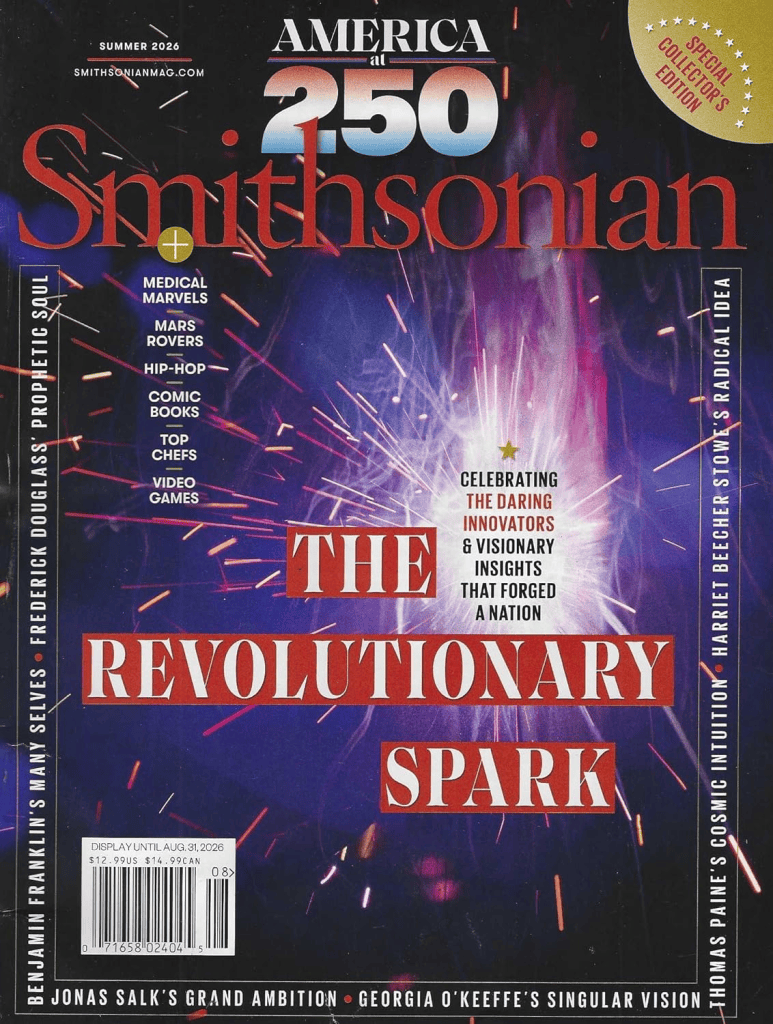
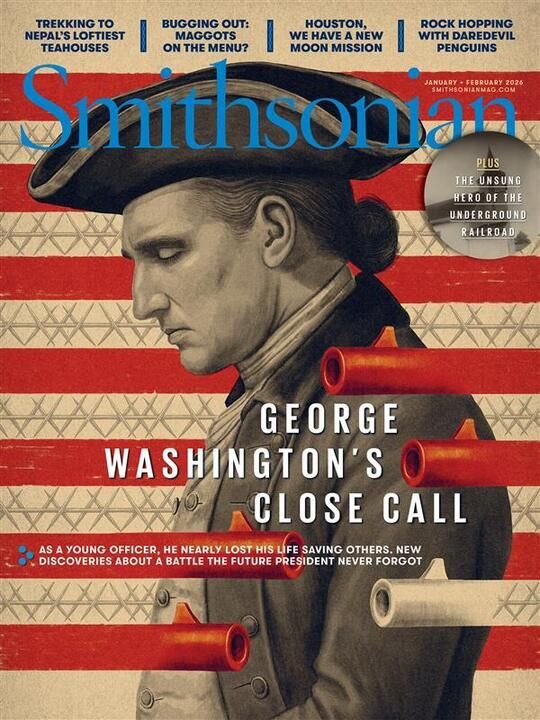
George Washington’s announcement that he wouldn’t seek a third presidential term helped define modern statesmanship: The Republic had no need for a king, even an American one. Writing from Europe, John Quincy Adams prayed the president’s retirement might “serve as the foundation upon which the whole system of [America’s] future policy may rise.” Washington’s decision set an informal precedent that largely held until term limits were codified by the 22nd Constitutional Amendment, ratified in 1951. Still, at the time of his farewell address, Washington’s opponents had serious complaints. Though Washington belonged to no party, he was associated with the Federalists—and many Anti-Federalist thinkers chastised the outgoing president for disparaging his ideological rivals while claiming neutrality. This dispute played out in newspapers and pamphlets—back when publishers always chose a side.
Silence Dogood. Richard Saunders. Benevolus. Sidi Mehemet Ibrahim. All were pen names that allowed Franklin to say things he couldn’t have otherwise said
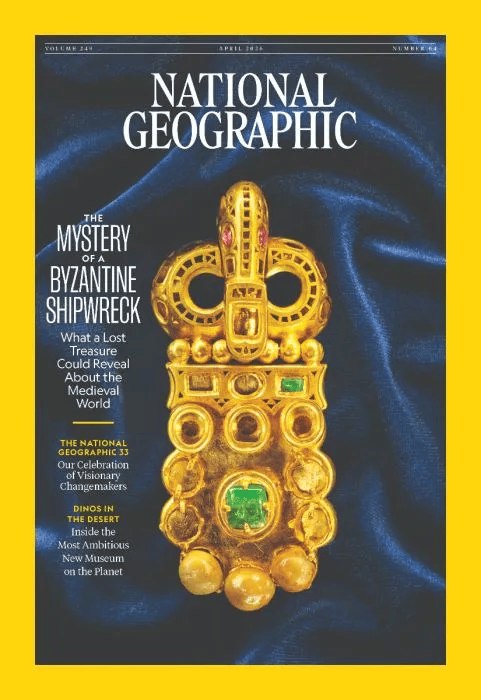
What a Lost Treasure Could Reveal About the Medieval World
National Geographic explorations have uncovered remarkably preserved Byzantine shipwrecks, particularly in the Black Sea, where anoxic (oxygen-free) deep water preserves wooden structures for over a millennium. These discoveries, including vessels from the 9th century and earlier, provide unprecedented insights into ancient maritime trade, construction, and life.
Key Discoveries and Mysteries
The Ship’s Purpose: Investigations revealed the ship likely belonged to the Christian church (possibly the monastery of Samos) and was ferrying wine and olive oil to Byzantine troops fighting Persians in A.D. 626.
Innovative Design: Unlike other ships of its time, this vessel featured advanced facilities that provided “gracious” food and accommodation for passengers, who typically slept on open decks.
The Black Sea Finds: More recently, National Geographic has covered the discovery of over 40 remarkably preserved shipwrecks in the Black Sea’s “dead zone” (an oxygen-starved environment), including 1,000-year-old Byzantine trading vessels with intact masts and carvings.
The Croatia Wreck: Another significant find in the Adriatic Sea near Croatia challenged the narrative of simple coastal trading when archaeologists discovered a cargo that suggested a much more complex and “flipped” story of medieval commerce.
The Sahara has cycled between eons of bountiful life and arid desolation. What will it mean when the world’s largest desert turns green once again? By Henry Wismayer | Photographs by Marcus Westberg
Choreography that changed the language of dance, avant-garde costumes by runway designers, music that defined a new American sound. As her company turns 100, an inside look at the enduring world of Martha Graham. Photographs by ioulex | Text by Jacoba Urist
She was known as Vicky With Three Kisses—a German radio star whose singing and sweet talk comforted weary Nazi soldiers. She was actually a secret weapon in a little-known Allied propaganda effort. By April White
In central Texas, ranchers are beset by threats, from coyotes to drought and foreign competition. To protect their flocks from predators and help preserve their own way of life, they’re turning to the ancient know-how of man’s best friend. By Chris Pomorski | Photographs by Jordan Vonderhaar
On a Bahamian island, in a landlocked lagoon, the planet’s densest collection of seahorses is offering scientists new insights into the secret lives of one of the world’s most mysterious fish.
After buying his own liberty, the Marylander covertly assisted conductors on the Underground Railroad, including Harriet Tubman. But his possession of “Uncle Tom’s Cabin” turned him into an abolitionist hero