Category Archives: Conservation

WORLD WILDLIFE MAGAZINE WINTER 2026-2027

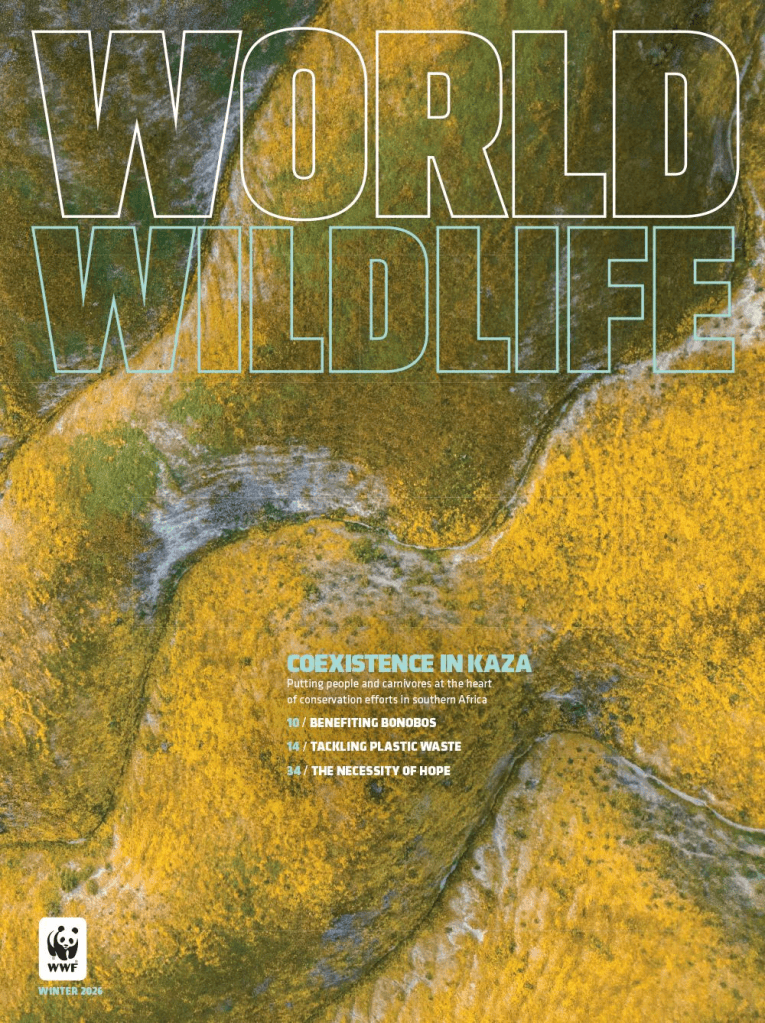
What’s that on the cover? An aerial view of the Carrizo Plain, the largest native grassland in California.

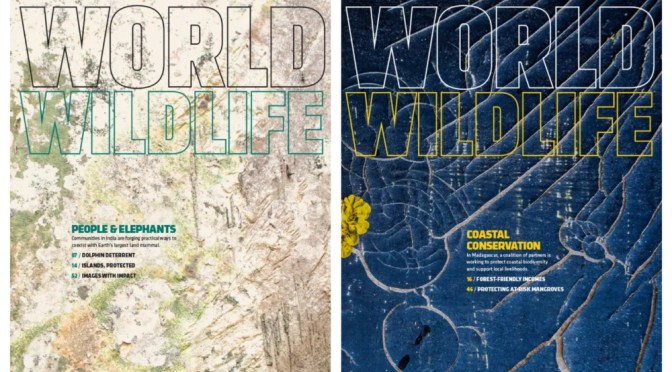
WORLD WILDLIFE MAGAZINE: The latest issue features how five countries in southern Africa joined together to create the Kavango-Zambezi Transfrontier Conservation Area (KAZA), where WWF works to help communities coexist alongside lions, hyenas, and other iconic wildlife.

Carnivores in KAZA

In Southern Africa, five countries unite around a shared vision: A connected landscape where communities and free-roaming wildlife can thrive. By Erin Waite
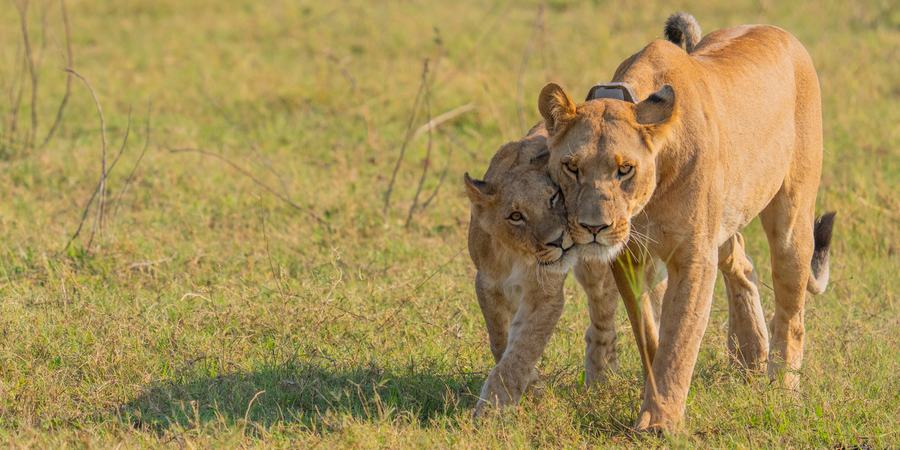
A collared female lion walks closely with her cub in the grass
Photography by Gareth Bentley

Across Africa, large carnivores evolved to roam vast, interconnected landscapes that enable them to hunt prey, find mates, and maintain large territories. But today, those movements have become constrained as human settlements, agriculture, and infrastructure have spliced habitats into ever-smaller fragments. Increasingly isolated and funneled toward spaces inhabited by people, many of the continent’s iconic predators face mounting pressures from habitat loss and human-wildlife conflict, which have fueled alarming declines across populations.

One of the greatest opportunities to reverse this trend lies in the Kavango-Zambezi Transfrontier Conservation Area (KAZA). Spanning 200,000 square miles across parts of Angola, Botswana, Namibia, Zambia, and Zimbabwe, KAZA is the world’s largest terrestrial transboundary conservation area. Here, significant numbers of lions, African wild dogs, leopards, cheetahs, and spotted hyenas still move freely across connected wetlands, savannas, grasslands, and forests—as well as through villages and community lands—helping to keep these important ecosystems in balance.

US Grasslands Campaign launches to protect this overlooked ecosystem
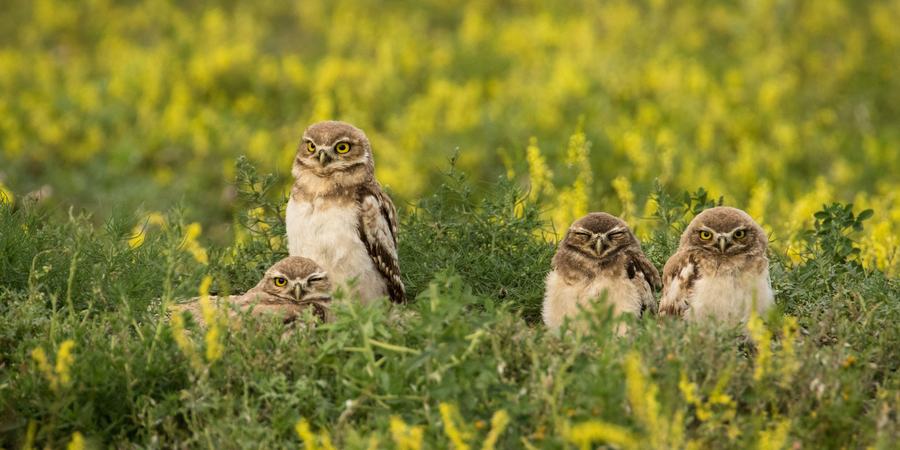
Several owls hiding in tall grass

Stretching from coast to coast, grasslands cover nearly a third of the lower 48 states. Yet almost half of Americans know almost nothing about them, according to a new national survey released by the America’s Grasslands Coalition.

Grasslands—large expanses of land dominated by grasses, shrubs, and other flowering plants—are a source of clean water for millions of people in the US and play a vital role in supporting wildlife, storing carbon, sustaining food systems and rural livelihoods, and maintaining ecosystem balance. They currently cover nearly 1 million square miles of the US, roughly half of their historical range—and are continuing to disappear at an alarming rate. This decline, due to plow-up for row-crop agriculture, the spread of invasive plants, and development, threatens wildlife, fresh water, and climate resilience.
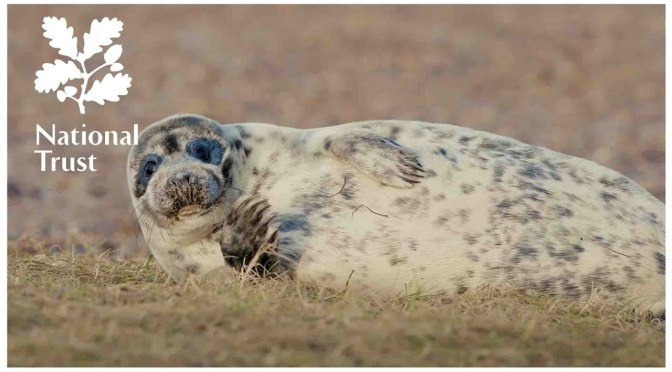

Conservation: Protecting Grey Seals At Blakeney Nature Reserve, England

National Trust (April 10, 2023) – In this episode of The Wild Life, a new series of nature films from the National Trust, presenter Gemma Hunt discovers how the charity’s rangers are doing all they can to protect wildlife at Blakeney National Nature Reserve in Norfolk.

With an introduction from Julia Bradbury, this film will transport you to the four-mile-long shingle spit of Blakeney Point, cared for by the National Trust. The spit provides protection for Blakeney Harbour and the surrounding salt marshes are home to a vast array of wildlife. Blakeney Point is also home to England’s largest grey seal colony, over-wintering wildfowl and summer-breeding terns.

Join Gemma as she meets the National Trust rangers who work around the clock to care for this stretch of coastline, which is loved by walkers, sightseers and wildlife enthusiasts. You’ll meet ranger Duncan Halpin who spends seven months of the year living in a remote lifeboat house. During this time, he monitors the seal pups and makes sure endangered birds such as little terns have safe places to nest.

UK Riverlands: The Beavers Of The Holnicote Estate

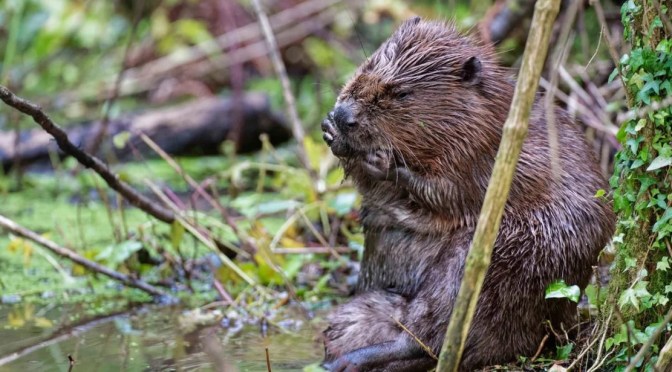
National Trust (April 2, 2023) – In this episode of The Wild Life, a new series of nature films from the National Trust, presenter Rob Bell meets the family of busy beavers at the Holnicote Estate in Somerset.

Rob takes part in some important conservation work and finds out how the beavers have been shaping the wetland habitat since they were brought to their enclosure in 2020. With an introduction from Julia Bradbury, this video also sheds light on wider work the National Trust is doing to reconnect rivers and streams to the surrounding landscape with its innovative Stage 0 project which is underway.

Rob learns how river restoration helps to ease challenges brought by climate change, including flooding and drought. The beavers also play a key role as ecosystem engineers and the dams they build hold water in dry periods and help to prevent flash flooding downstream.

English Wetlands: Wicked Fen Nature Reserve Tour

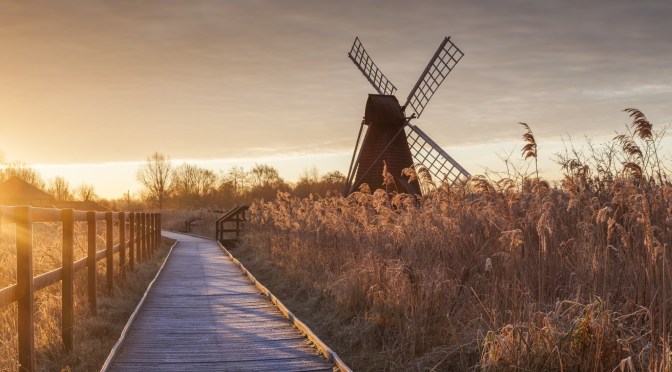
National Trust (March 27, 2023) – In this episode of The Wild Life, a new series of nature films from the National Trust, Paralympic medallist and TV presenter, Ade Adepitan explores Wicken Fen National Nature Reserve – one of Europe’s most important wetlands.

The Fen, which has been under the care of the National Trust since 1899, supports more than 9,000 species, including a wide variety of plants, birds and dragonflies. The raised boardwalk allows easy access to a landscape of flowering meadows, sedge and reed beds, home to water voles and rare birds, including hen harrier and bittern. Introduced by presenter Julia Bradbury, this film sheds light on how climate change is affecting Wicken Fen and the biodiversity it supports.

You’ll also find out about the work being done to protect wildlife habitats and ensure the peat here continues to store carbon. Ade discovers how Wicken Fen connects people to nature and learns more about future plans to extend the site. He also meets the Konik ponies and Highland cattle, which help to support this fragile landscape through conservation grazing.

Views: Celtic Rainforests In Eryri, Snowdonia, Wales

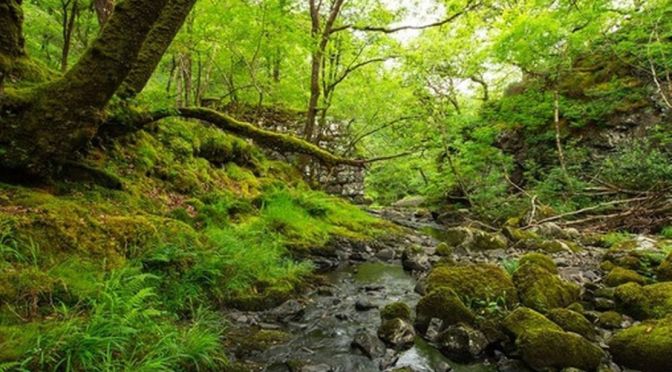
National Trust (March 20, 2023) – In this episode of The Wild Life, a new series of nature films from the National Trust, presenter Jules Hudson heads to Eryri (Snowdonia) to learn about a tree planting project that will help to protect the landscape for the next hundred years and beyond.

Join Jules on his visit to Hafod Garregog – a Celtic rainforest and reclaimed seabed along Afon Glaslyn (River Glaslyn). National Trust rangers have planted native saplings here to store carbon, slow the flow of water and provide a boost for nature and wildlife. Jules discovers that local tree species such as willow, aspen and hornbeam are less susceptible to diseases and can adapt better to the climate.

These trees will also create homes for warblers, moths, bats and nearby otters, as well as encourage a diverse variety of plants to grow. You’ll also discover how the National Trust works with volunteers to plant trees and find out more about the charity’s wider ambition to plant and establish 20 million trees by 2030.

Conservation: The Farne Islands And Long Nanny In Northumberland, UK

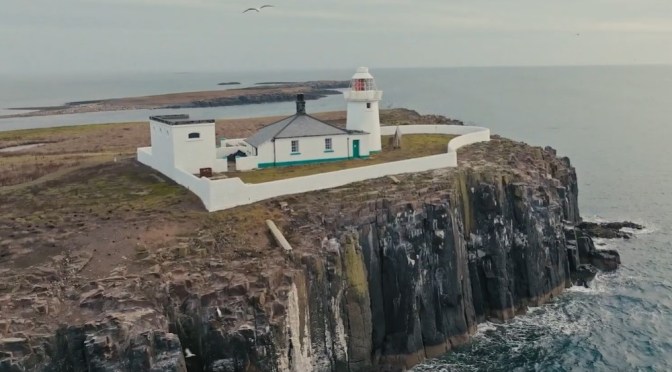
National Trust (March 13, 2023) – In the first episode of The Wild Life, a new series of nature films from the National Trust, presenter Levison Wood explores one of England’s most important seabird colonies. The Farne Islands, off the Northumberland coast, have been cared for by the National Trust since 1925 and are a breeding site for 23 species of seabird, including 43,000 puffin pairs.

The islands are also home to grey seals with around 2,000 pups born every autumn. With an introduction from presenter Julia Bradbury, this film explores the Inner Farne, where you’ll see dive-bombing terns, a medieval chapel and a Victorian lighthouse. Levison finds out what life is like for the rangers who had to deal with the devastating impact of bird flu. He also learns more about the work being done to maintain and protect the area’s fragile ecosystem, address the impact of climate change, protect bird nests and monitor species.

Parts of the Farne Islands may be closed to the public and landing on the islands may not be possible due to bird flu. If closures are in place, you can still experience the islands on a boat tour. Please check the website before you visit: Farne Islands | Northumberland | National Trust With your support we can continue to care for coastal places like The Farne Islands.

Donate today and help protect wildlife and nature for future generations. https://www.nationaltrust.org.uk/supp…

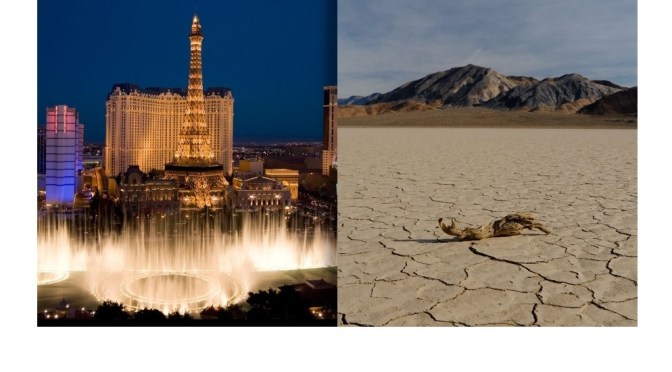
Drought: Las Vegas’ Model For Water Conservation

Bloomberg Originals (March 1, 2023) – In Nevada, Kal Penn investigates the lasting impacts of the Colorado River Compact, the 1922 agreement that doles out water rights to seven states. The system, over-optimistic from the start, is on the verge of collapse as water levels in key reservoirs approach dead pool-status. But in nearby Las Vegas, Kal explores strategies that have led that city to become one of the most successful in the US when it comes to water conservation.

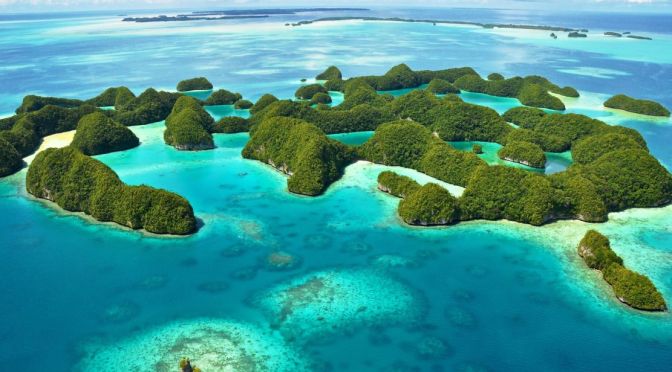
Micronesia Views: Marine Sanctuaries In Palau

CBS Mornings – As small island developing states make their case for climate awareness at COP27 in Egypt, one member of the group is reconsidering a historic act of preservation it undertook two years ago. Lee Cowan reports.

Palau is an archipelago of over 500 islands, part of the Micronesia region in the western Pacific Ocean. Koror Island is home to the former capital, also named Koror, and is the islands’ commercial center. The larger Babeldaob has the present capital, Ngerulmud, plus mountains and sandy beaches on its east coast. In its north, ancient basalt monoliths known as Badrulchau lie in grassy fields surrounded by palm trees.

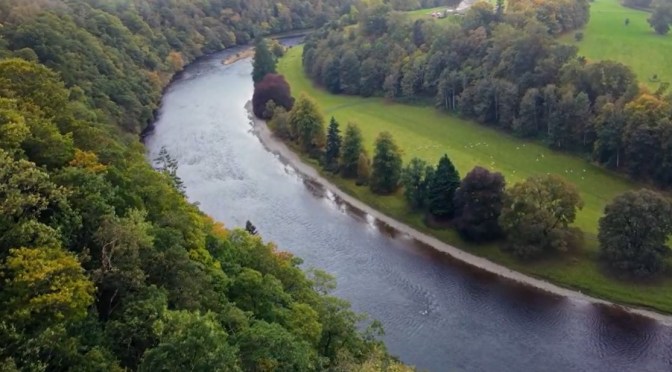
Ecology: Planting Trees To Cool Scotland’s Rivers

The Woodland Trust – River woodland is key to tackling

the twin climate and biodiversity crises – reducing flooding, improving river health and restoring the ecosystem. We’re working in England, Scotland, Wales and Northern Ireland to plant and restore river woodland for people and wildlife.

In Scotland, this particularly means fish. Salmon, to be exact. Whole upland river catchments devoid of trees are seeing Scotland’s rivers warm to a point that could see salmon disappear in just 20 years. These fish need clean, cold water to thrive, and river woodland is the way to return it to them. The Woodland Trust is working across river catchments to expand native woodland alongside rivers and burns.

Trees provide shade and cover for young salmon and trout, stabilize riverbanks, slow the flow of water downstream and create wildlife corridors. A key part of this work involves working with landowners to plant and restore river woodland on their land, advising on the initial planting and empowering them to monitor their river woods into the future.

Drought: How Las Vegas Conserves So Much Water

As severe drought in the West forces states to make drastic water cuts, Las Vegas offers a road map to making the most out of every drop of water. Since 2002, Southern Nevada has cut its Colorado River water use by 26% while its population has grown by 750,000.