Tag Archives: Wildlife Photography

WORLD WILDLIFE MAGAZINE WINTER 2026-2027

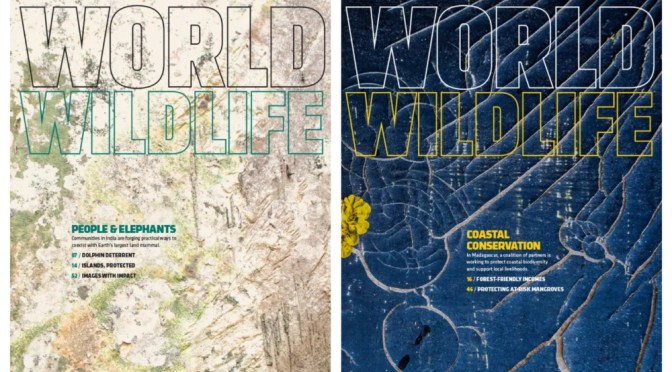
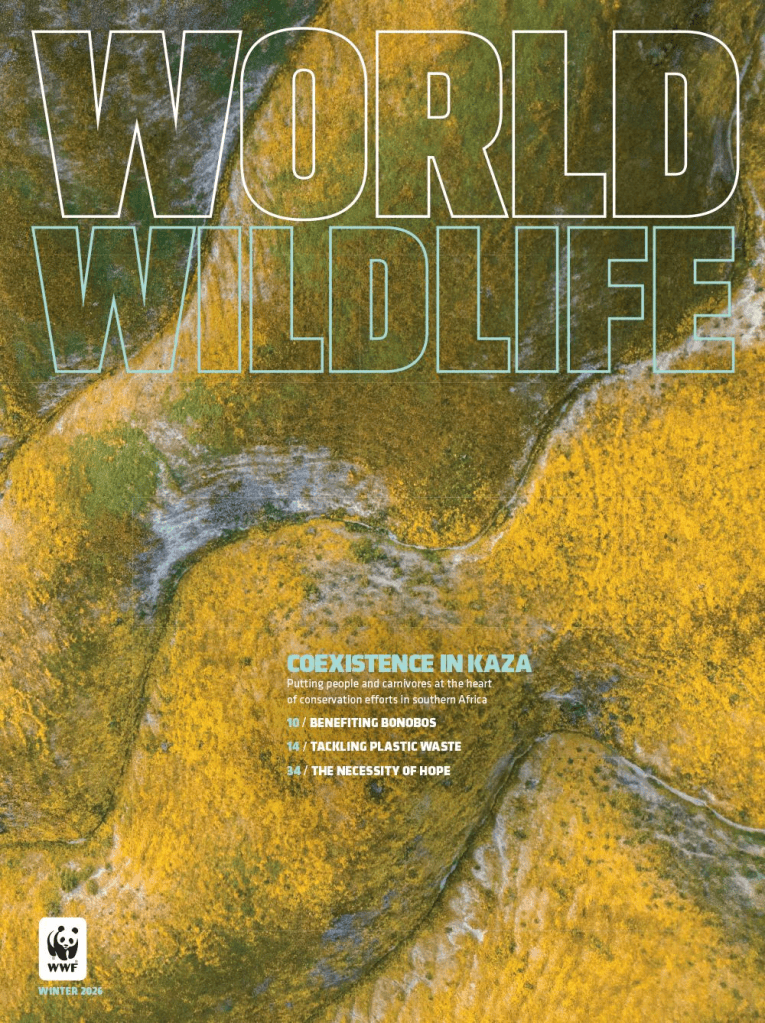
What’s that on the cover? An aerial view of the Carrizo Plain, the largest native grassland in California.

WORLD WILDLIFE MAGAZINE: The latest issue features how five countries in southern Africa joined together to create the Kavango-Zambezi Transfrontier Conservation Area (KAZA), where WWF works to help communities coexist alongside lions, hyenas, and other iconic wildlife.

Carnivores in KAZA

In Southern Africa, five countries unite around a shared vision: A connected landscape where communities and free-roaming wildlife can thrive. By Erin Waite
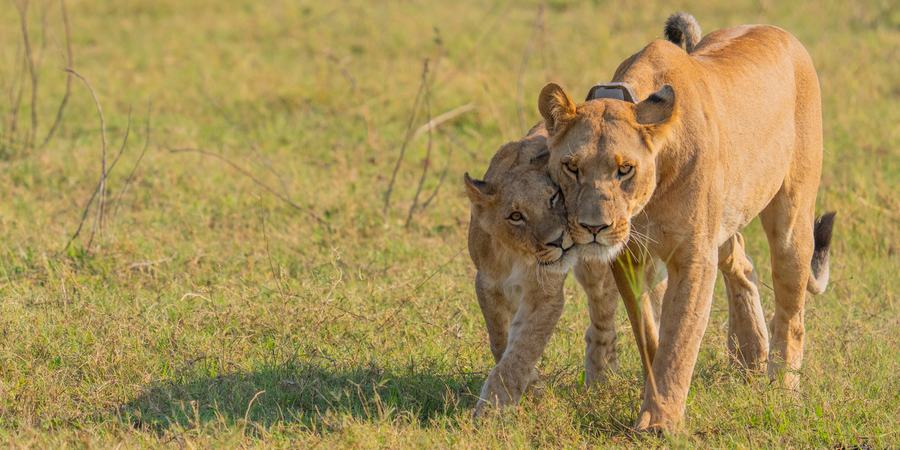
A collared female lion walks closely with her cub in the grass
Photography by Gareth Bentley

Across Africa, large carnivores evolved to roam vast, interconnected landscapes that enable them to hunt prey, find mates, and maintain large territories. But today, those movements have become constrained as human settlements, agriculture, and infrastructure have spliced habitats into ever-smaller fragments. Increasingly isolated and funneled toward spaces inhabited by people, many of the continent’s iconic predators face mounting pressures from habitat loss and human-wildlife conflict, which have fueled alarming declines across populations.

One of the greatest opportunities to reverse this trend lies in the Kavango-Zambezi Transfrontier Conservation Area (KAZA). Spanning 200,000 square miles across parts of Angola, Botswana, Namibia, Zambia, and Zimbabwe, KAZA is the world’s largest terrestrial transboundary conservation area. Here, significant numbers of lions, African wild dogs, leopards, cheetahs, and spotted hyenas still move freely across connected wetlands, savannas, grasslands, and forests—as well as through villages and community lands—helping to keep these important ecosystems in balance.

US Grasslands Campaign launches to protect this overlooked ecosystem
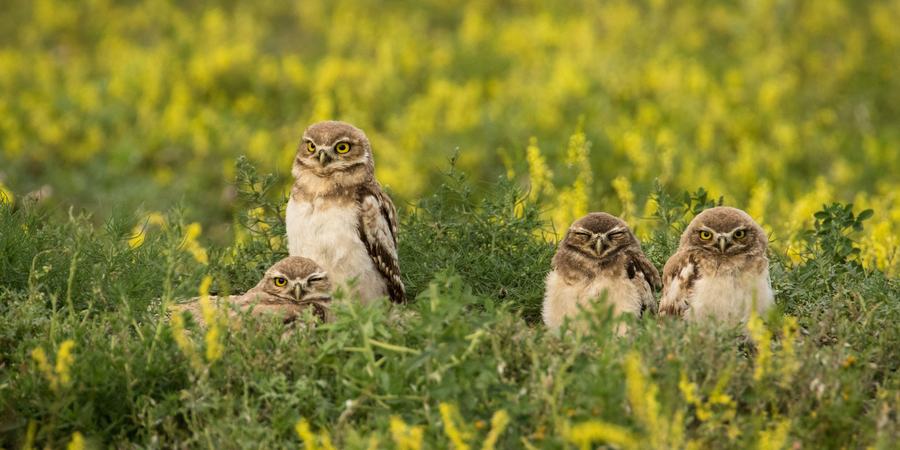
Several owls hiding in tall grass

Stretching from coast to coast, grasslands cover nearly a third of the lower 48 states. Yet almost half of Americans know almost nothing about them, according to a new national survey released by the America’s Grasslands Coalition.

Grasslands—large expanses of land dominated by grasses, shrubs, and other flowering plants—are a source of clean water for millions of people in the US and play a vital role in supporting wildlife, storing carbon, sustaining food systems and rural livelihoods, and maintaining ecosystem balance. They currently cover nearly 1 million square miles of the US, roughly half of their historical range—and are continuing to disappear at an alarming rate. This decline, due to plow-up for row-crop agriculture, the spread of invasive plants, and development, threatens wildlife, fresh water, and climate resilience.

National Wildlife Magazine – Winter 2024

The front cover of National Wildlife's Winter issue containing text and an image of a submerged brown booby.

National Wildlife Magazine (December 21, 2023) – The 2023 National Wildlife Photo Contest Winners – Nearly 40,000 entries from more than 4,000 photographers.


An image of a running zebra herd.

GRAND PRIZE
Anup Shah

Chippenham, England

“It is powerful and decisive, the pace compact yet energetic,” says Anup Shah of this year’s spectacular top photo, catching zebras at the edge of a river crossing in Kenya’s Maasai Mara National Reserve. “I wanted the viewer to feel the energy in the path of a galloping herd.” We do, and it’s exhilarating.


An image of three coastal brown bear cubs following their mom.

BABY ANIMALS
FIRST PLACE
Torie Hilley

Ventura, California

Torie Hilley trudged through the mudflats of Alaska’s Lake Clark National Park and Preserve with a professional guide in July 2022, hoping to catch this coastal brown bear and her cubs in a line as they dug for clams. When Hilley spotted the family falling into formation on her last day, she dropped to one knee to preserve the moment. She later learned not all of the cubs survived the following weeks. “It reminded me to never take anything for granted,” she says.


An image of a piping plover chick on a beach.

BABY ANIMALS
SECOND PLACE
Carl D. Walsh

Dayton, Maine

Listed as endangered by Maine, the state’s piping plover population has seen some improvement in recent decades—a hopeful note suggested by the glow surrounding this days-old fledgling. To get this July 2022 photo, Carl D. Walsh “spent a lot of time lying in the sand, trying to capture the right vantage point and backlight” on a Cumberland County beach. “Many thousands of frames were shot,” he says.


An image of a submerged brown booby.

BIRDS
FIRST PLACE
Suliman Alatiqi

Kuwait City, Kuwait

Wildlife Photographer Of The Year Winners (2023)

New Scientist (October 13, 2023) – From an up-close image of an ancient horseshoe crab to the chilling documentation of predator-killing contests in Texas, these incredible photos are some of the 2023 winners in the prestigious Wildlife Photographer of the Year competition.

New Scientist spoke to the winning photographers, alongside broadcaster Chris Packham, about the stories behind the images and how they hope their work will inspire change. Wildlife Photographer of the Year is developed and produced by the Natural History Museum, London.
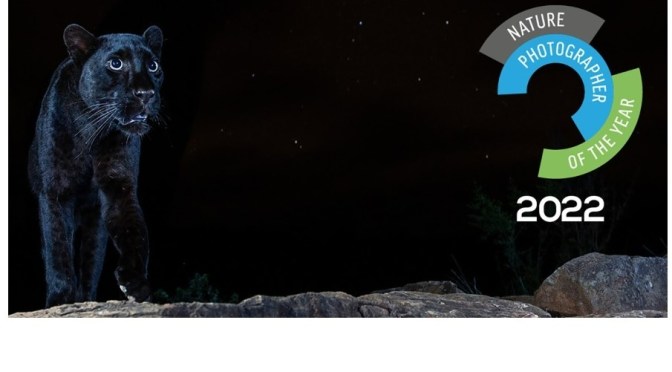
Winners: The 2022 Nature Photographer Of The Year

Nature Photographer of the Year is a Nature Photography contest that celebrates the beauty of nature photography.

polar bears
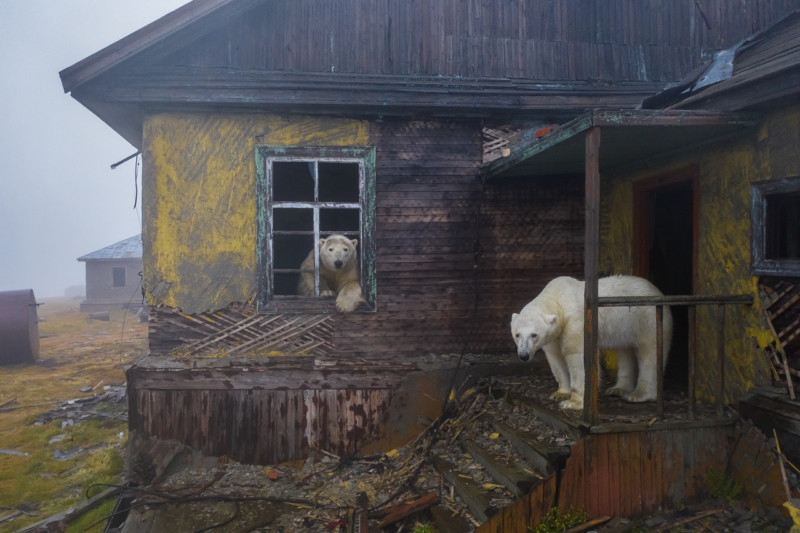
Winner of the Human and Nature category and Overall Winner | Dmitry Kokh/NPOTY 2022

A group of polar bears exploring an abandoned Soviet village in the Arctic has won Nature Photographer of the Year 2022.

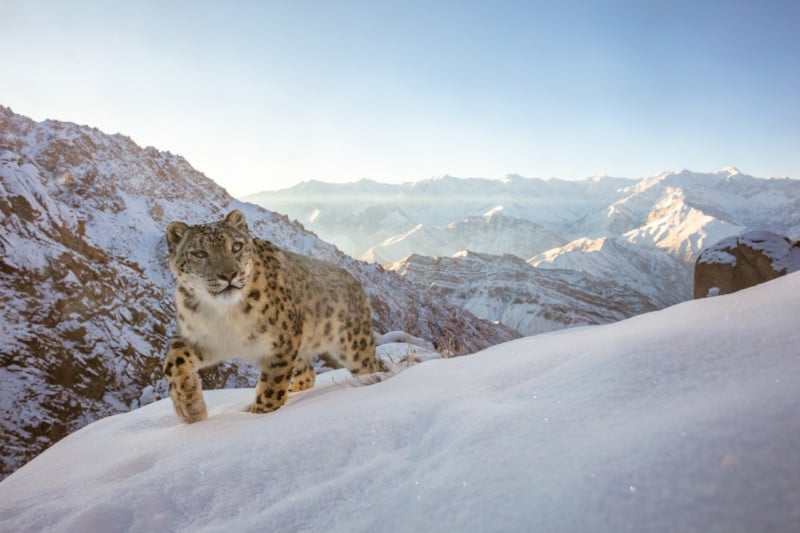
Winner in the Mammals category | Sascha Fonseca/NPOTY 2022

Sascha Fonseca won the Mammals category with a fabulous photo of the endangered snow leopard.

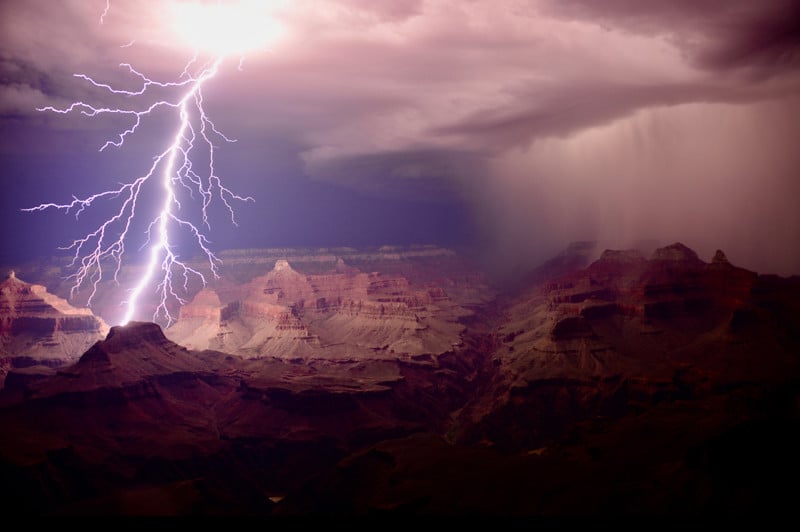
Highly commended in the Landscape category | Raul Mostoslavsky/NPOTY 2022

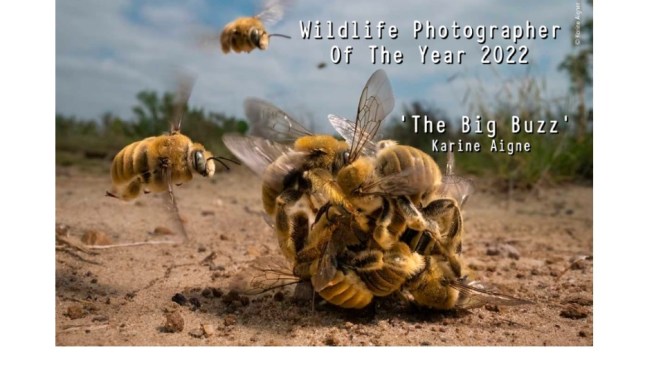
Views: The Winners Of The Wildlife Photographer Of The Year 2022 In London

From bees hunting for a mate to a giant sea star procreating, these incredible images are some of the winners in the prestigious wildlife photography competition.

We spoke to three photographers, who tell the stories behind their award-winning images at this year’s Wildlife Photographer of the Year photographic competition, and why biodiversity and climate change are top of the agenda. Wildlife Photographer of the Year is developed and produced by the Natural History Museum, London.

Wildlife Photography: Jocelyn Anderson & “The Beautiful World Of Birds”

Image
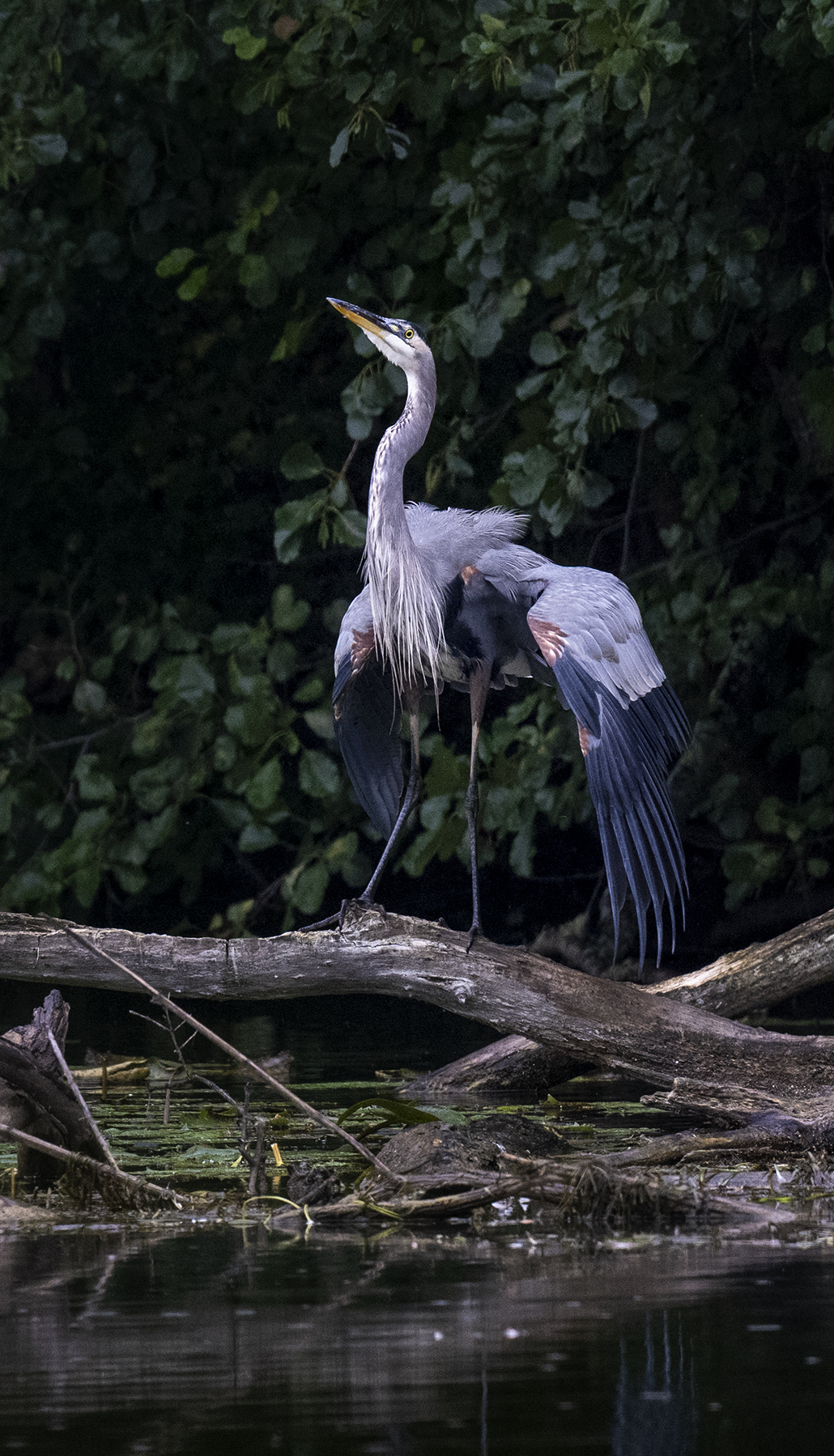
A Great Blue Heron strikes a pose as they walk down the log runway.

Image
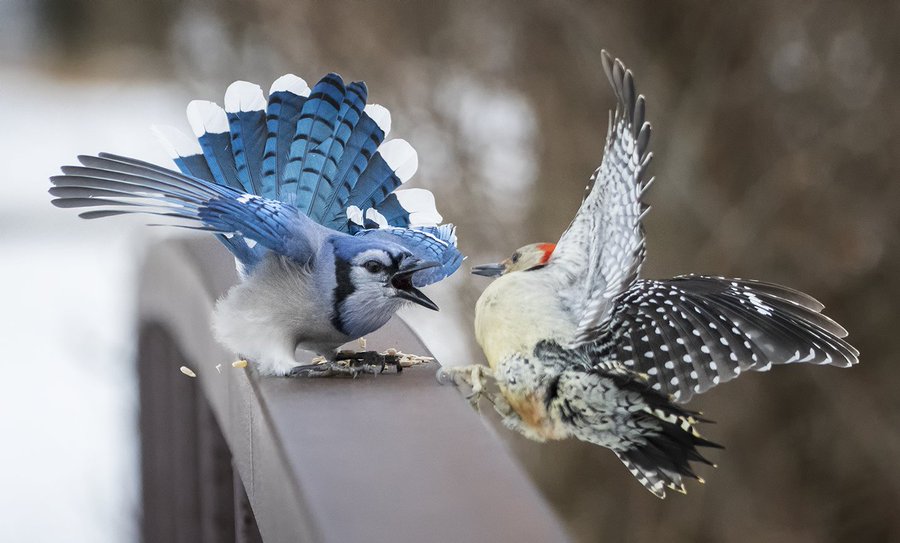
A Blue Jay challenges a female Red-bellied Woodpecker. She was startled off the railing, but she immediately flew back to her spot and the Blue Jay gave way.
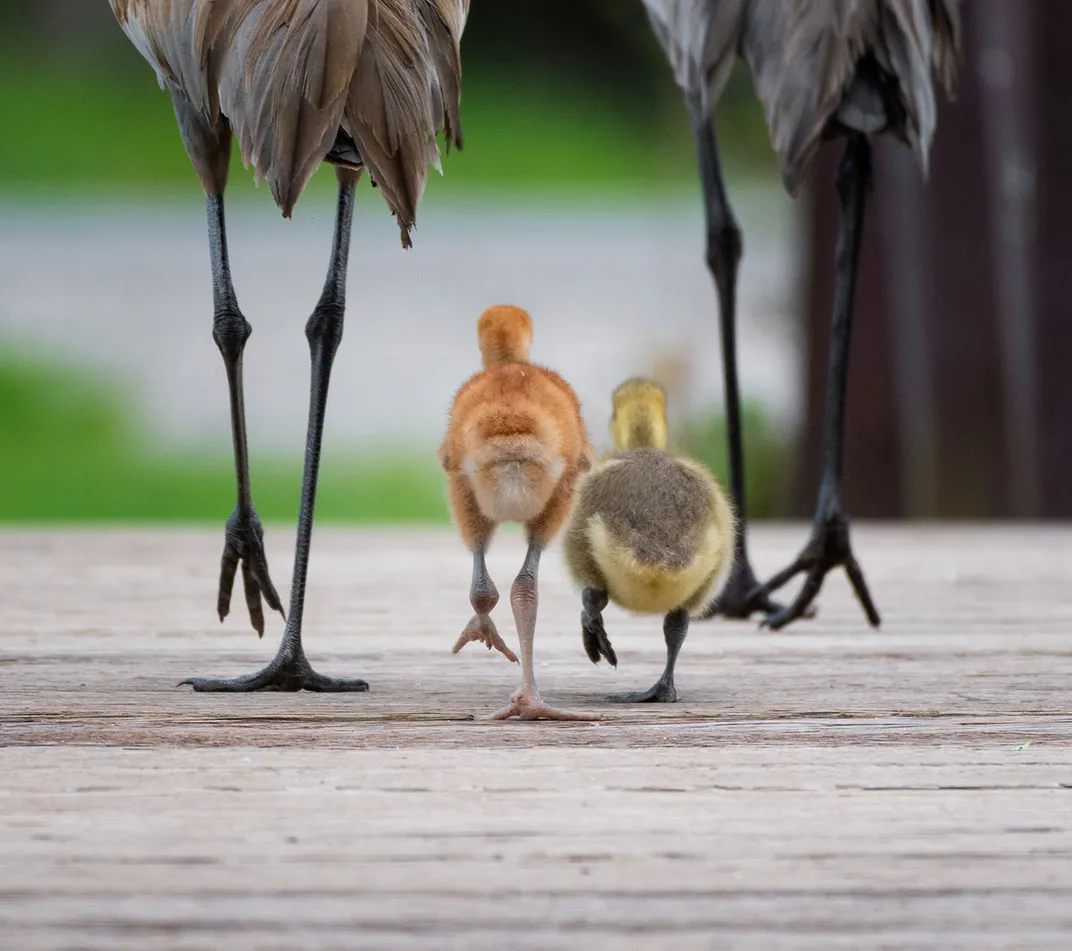
The legs of two sandhill cranes, a baby sandhill crane and a gosling walk side-by-side down a wooden bridge
The unusual pairing of a sandhill crane and Canada goose 

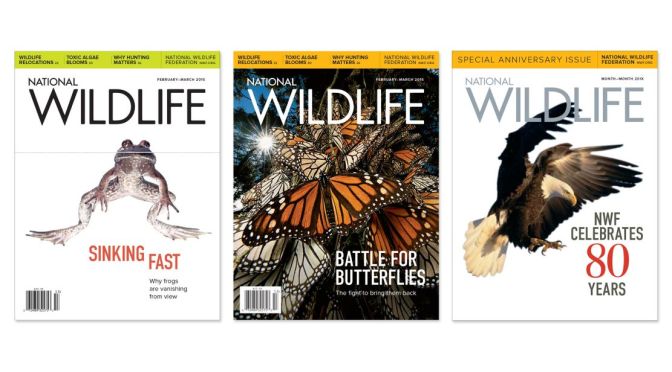
Covers: National Wildlife Magazine – June/July 2022

National Wildlife magazine June-July 2022 cover featuring Rock Harbor

June–July 2022 – The Fresh Water Issue: Saving The Stuff Of Life

  • Lisa Moore, Editorial Director
  • National Wildlife
  • Jun 10, 2022

On the cover: Surrounded by the waters of Lake Superior, Michigan’s Isle Royale National Park is a roadless haven for wildlife. Photo by Viktor Posnov

Animal Photography: The Wonderment Of Birds

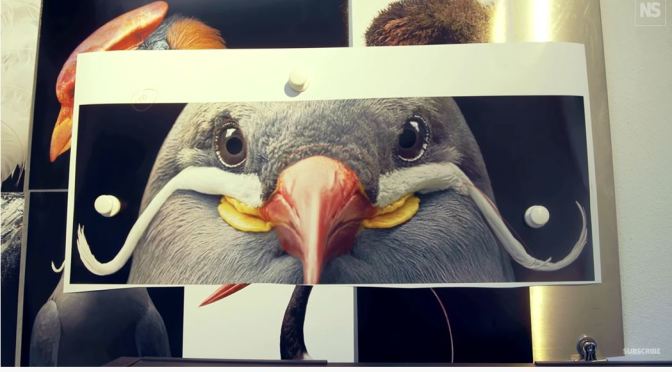
Animal photographer, Tim Flach’s latest project is a testament to the diversity of birds. “I’m celebrating this extraordinary wonderment out there”, he says. Shooting birds like a fashion photographer might photograph human subjects, Flach’s images are purposefully anthropomorphic. “There is a role for an anthropomorphic approach,” he says, “I want to grab people’s attention to think about the wonderment, beauty, character and maybe their stories”. Which, he hopes, will elicit in the viewer empathy for birds “We became who we are because of this rich biodervisity if you took that away we would be lesser”.