
Carnivores in KAZA
In Southern Africa, five countries unite around a shared vision: A connected landscape where communities and free-roaming wildlife can thrive. By Erin Waite
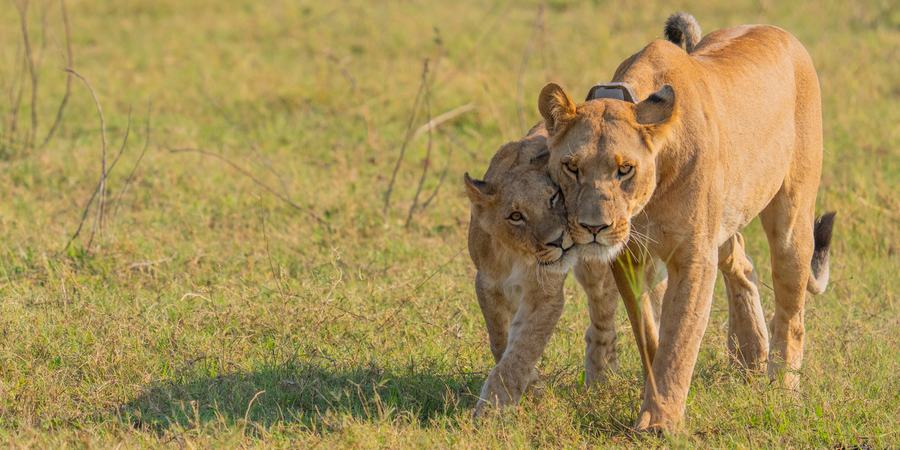
Across Africa, large carnivores evolved to roam vast, interconnected landscapes that enable them to hunt prey, find mates, and maintain large territories. But today, those movements have become constrained as human settlements, agriculture, and infrastructure have spliced habitats into ever-smaller fragments. Increasingly isolated and funneled toward spaces inhabited by people, many of the continent’s iconic predators face mounting pressures from habitat loss and human-wildlife conflict, which have fueled alarming declines across populations.
One of the greatest opportunities to reverse this trend lies in the Kavango-Zambezi Transfrontier Conservation Area (KAZA). Spanning 200,000 square miles across parts of Angola, Botswana, Namibia, Zambia, and Zimbabwe, KAZA is the world’s largest terrestrial transboundary conservation area. Here, significant numbers of lions, African wild dogs, leopards, cheetahs, and spotted hyenas still move freely across connected wetlands, savannas, grasslands, and forests—as well as through villages and community lands—helping to keep these important ecosystems in balance.
US Grasslands Campaign launches to protect this overlooked ecosystem
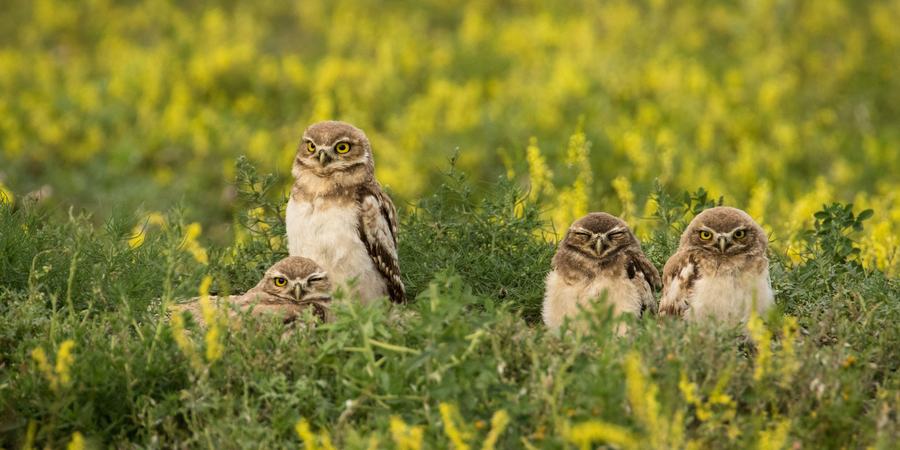
Stretching from coast to coast, grasslands cover nearly a third of the lower 48 states. Yet almost half of Americans know almost nothing about them, according to a new national survey released by the America’s Grasslands Coalition.
Grasslands—large expanses of land dominated by grasses, shrubs, and other flowering plants—are a source of clean water for millions of people in the US and play a vital role in supporting wildlife, storing carbon, sustaining food systems and rural livelihoods, and maintaining ecosystem balance. They currently cover nearly 1 million square miles of the US, roughly half of their historical range—and are continuing to disappear at an alarming rate. This decline, due to plow-up for row-crop agriculture, the spread of invasive plants, and development, threatens wildlife, fresh water, and climate resilience.

