

From a Nature.com online review:
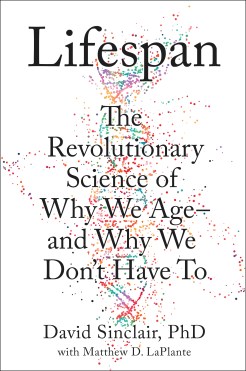 Lifespan, by geneticist David Sinclair and journalist Matthew LaPlante, provides a vision of a not-too-distant future in which living beyond 120 will be commonplace. For Sinclair and LaPlante, the answer lies in understanding and leveraging why we age…
Lifespan is entertaining and fast-paced — a whirlwind tour of the recent past and a near future that will see 90 become the new 70. In a succession of colourfully titled chapters (‘The demented pianist’, ‘A better pill to swallow’), Sinclair and LaPlante weave a masterful narrative of how we arrived at this crucial inflection point. Among the historical figures evoked are a sixteenth-century Venetian proponent of caloric restriction, Luigi Cornaro, and the twentieth-century ‘father of information theory’, Claude Shannon.
 Technologists, particularly those who make consumer products, will have a strong influence over how we’ll live tomorrow. By treating older adults not as an ancillary market but as a core constituency, the tech sector can do much of the work required to redefine old age. But tech workplaces also skew infamously young. Asking young designers to merely step into the shoes of older consumers (and we at the MIT AgeLab have literally developed a physiological aging simulation suit for that purpose) is a good start, but it is not enough to give them true insight into the desires of older consumers. Luckily there’s a simpler route: hire older workers.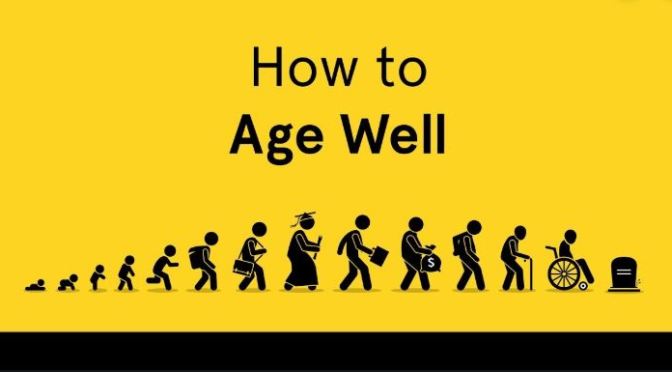
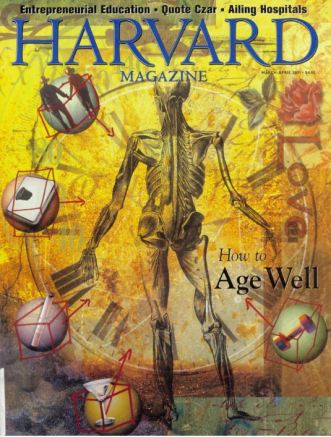 Six factors measured by age 50 were excellent predictors of those who would be in the “happy-well” group–the top quartile of the Harvard men–at age 80: a stable marriage, a mature adaptive style, no smoking, little use of alcohol, regular exercise, and maintenance of normal weight. At age 50, 106 of the men had five or six of these factors going for them, and at 80, half of this group were among the happy-well. Only eight fell into the “sad-sick” category, the bottom quarter of life outcomes. In contrast, of 66 men who had only one to three factors at age 50, not a single one was rated happy-well at 80. In addition, men with three or fewer factors, though still in good physical health at 50, were three times as likely to be dead 30 years later as those with four or more.
 Intellicurious