

From a USC Dornsife Magazine article by Susan Bell:
Not a Slippery Slope after all
 Contrary to popular opinion, when it comes to well-being, our lives do not represent an inevitable decline from the sunny uplands of youth to the valley of death. Instead, the opposite is true — we can confidently look forward to old age as the happiest time of our lives.
More than 50 years have passed since The Who’s Pete Townshend penned these immortal lines on his 20th birthday, resulting in the band’s iconic ode to rebellious youth, “My Generation.” These days there is no hint that the rock star, now a spritely septuagenarian, is entertaining any regrets that his youthful wish didn’t come true.
 So why do people grow happier as they age? Is it an absence of stress, or are they able to focus more on what brings them joy?
But as a young man, Townshend certainly wasn’t alone in dreading old age, and while his suggested remedy for avoiding the unavoidable may have been extreme, he also wasn’t alone in wanting to dodge what we tend to believe will be the miseries of aging.
To read more: https://dornsife.usc.edu/news/stories/3117/happiness-across-the-life-span-not-a-slippery-slope-after-all/
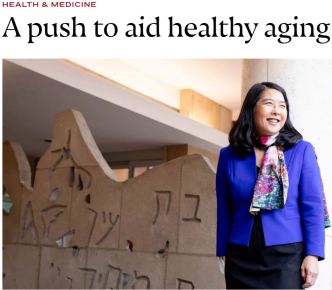 The Grand Challenge Prize is looking for bold, audacious innovations, ideas that can really change aging. We’re looking in science, in technology and engineering, in policy, social sciences, behavioral sciences, economic policy, in traditional medical science and health care, and in work focused on specific diseases. It’s really very broad. We’re looking for innovative thinking that can have global impact. The prizes are going to roll out on three levels. There will be 450 Catalyst Prizes awarded over a three-year period. The first of the three yearly calls will be in January 2020. Once it’s announced, there will be six weeks to submit your idea — just the idea, it doesn’t require any pilot work — and a two-page application. They’ll be reviewed within four months and prizes announced by July. The Catalyst Award is intended as seed funding to get the idea into its earliest stages of development. They’re relatively small in dollar amount, about $50,000 each, but they will give access to an annual meeting bringing together world experts in these fields.


 “Senior citizens today are healthier, more engaged, and working longer than past generations,” says Chamberlain. “A ‘gray wave’ of senior citizens will be impacting the workforce in coming years, both in the United States and the United Kingdom.”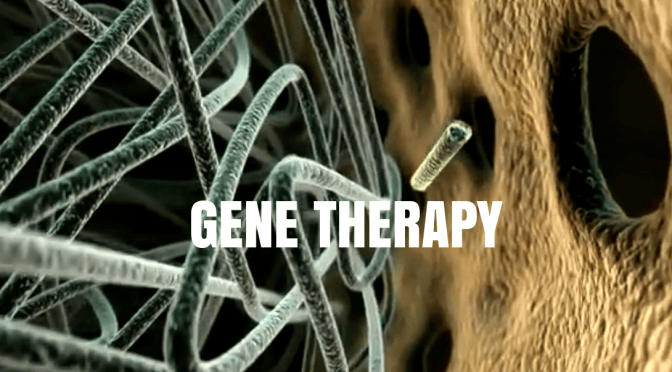
 “The results we saw were stunning and suggest that holistically addressing aging via gene therapy could be more effective than the piecemeal approach that currently exists,” said first author Noah Davidsohn, a former research scientist at the Wyss Institute and HMS who is now chief technology officer of Rejuvenate Bio. “Everyone wants to stay as healthy as possible for as long as possible, and this study is a first step toward reducing the suffering caused by debilitating diseases.”
 Being with people at the end of life is very intense work. You are regularly seeing a part of life that a lot of people don’t see, or see very rarely. How do you feel that affects your relationships generally and your friendship specifically?

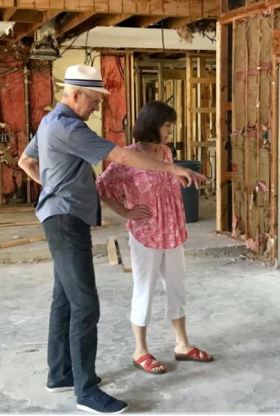 Leaving nothing to chance, the Cavners are making a number of modifications they might never need. For instance, neither uses a wheelchair, but contractors are making all doorways 3 feet wide for accessibility throughout — just in case. The master bath roll-in shower, flat and rimless, will provide room to maneuver and the master bath vanity is also at wheelchair-accessible height. Kitchen drawers, rather than cabinets, will allow easy access in a wheelchair. The Cavners are closely watching details of the renovation, but it wasn’t a hard decision.
 Age change should be allowed when the following three conditions are met. First, the person is at risk of being discriminated against because of age. Second, the person’s body and mind are in better shape than would be expected based on the person’s chronological age (that is, the person is biologically younger than he is chronologically). Third, the person does not feel that his legal age is befitting.
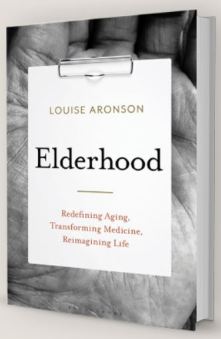 Noted Harvard-trained geriatrician Louise Aronson uses stories from her quarter century of caring for patients and draws from history, science, literature, popular culture, and her own life to weave a vision of old age that’s neither nightmare nor utopian fantasy—a vision full of joy, wonder, frustration, outrage, and hope about aging, medicine, and life itself.
 Intellicurious