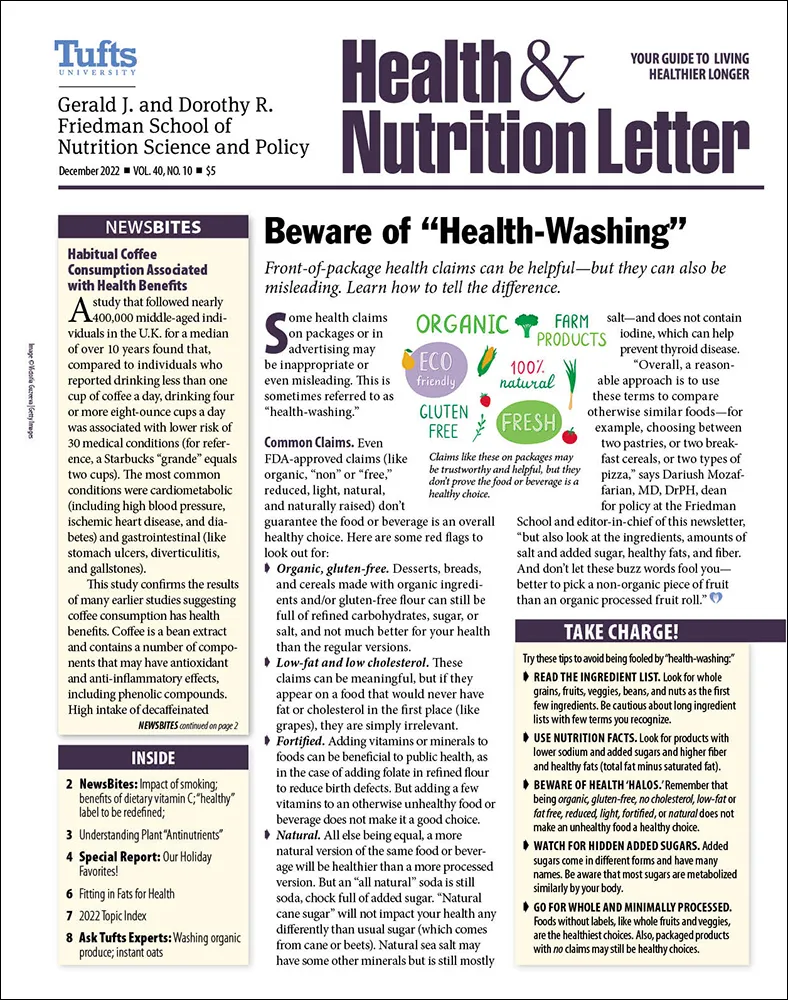
A study that followed nearly 400,000 middle-aged individuals in the U.K. for a median of over 10 years found that, compared to individuals who reported drinking less than one cup of coffee a day, drinking four or more eight-ounce cups a day was associated with lower risk of 30 medical conditions.
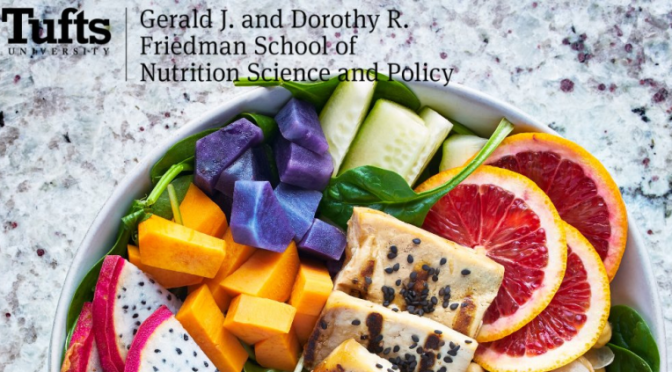
The U.S. Food and Drug Administration (FDA) recently proposed new draft guidelines for food manufacturers who want to label their products as “healthy.” This term was last defined in the 1990s. According to the FDA, “our current definition permits manufacturers to use the claim ‘healthy’ on some foods that, based on the most up-to-date nutrition.
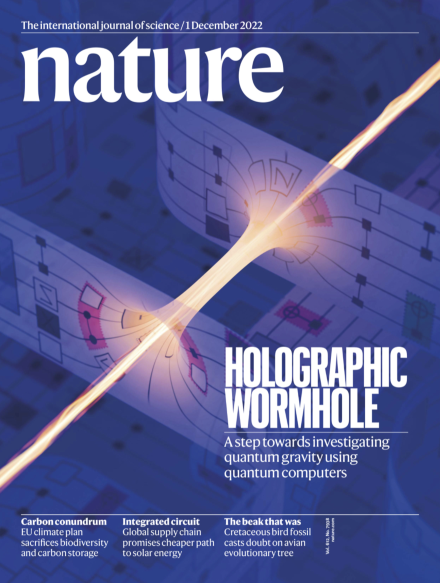
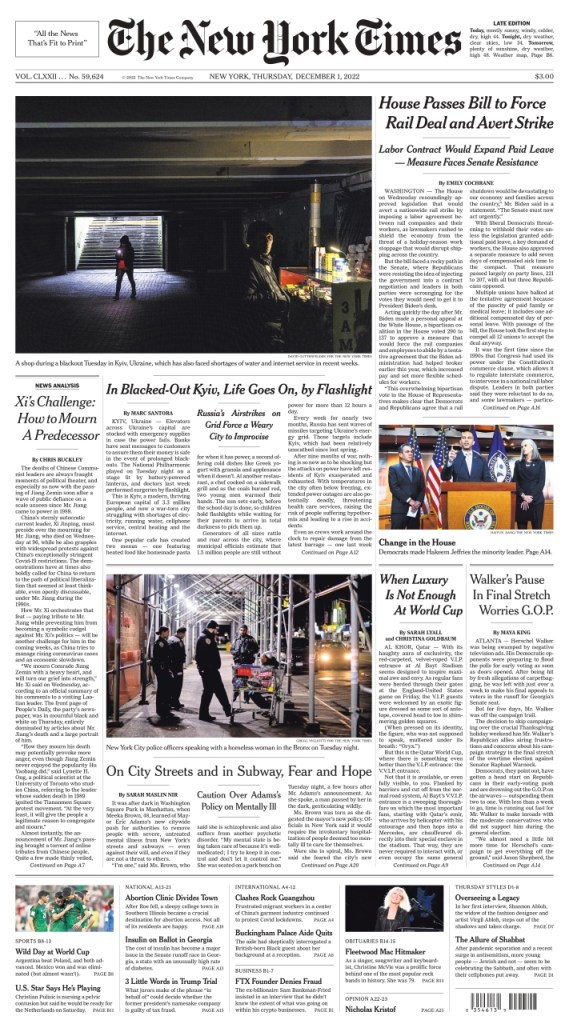
December 1, 2022 – The latest on the unrest in China and the easing of some coronavirus restrictions in response. Plus: the repercussions of the Belarusian foreign minister’s sudden death, Oath Keepers go on trial for the Capitol riots in the US and ArtReview’s annual Power 100.
The House voted to force rail companies and workers to accept a pending agreement and to add seven days of paid leave, a key demand of the employees. But it met with a rocky reception in the Senate.
The former president’s death drew tributes from Chinese people at a fraught moment for the current leader, Xi Jinping, who faces widespread criticism of his harsh Covid policies.
Survival kits in elevators, alternative menus in cafes, flashlights and generators everywhere: This is life under Russian bombardment, when power can fail at any moment.
Mayor Eric Adams intends to remove people with severe, untreated mental illness from the streets. That will mean involuntary hospitalization of people deemed unable to care for themselves.
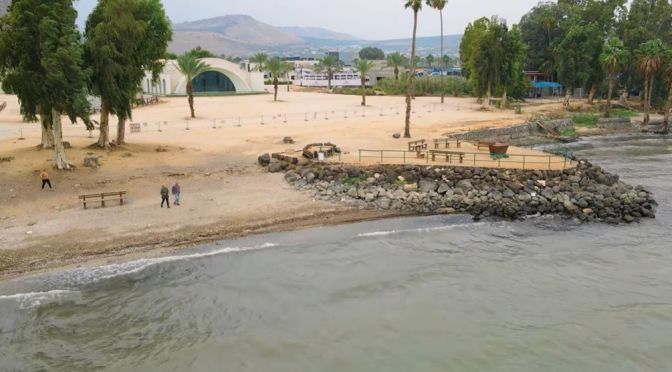
Relaxing WALKER – The Magdala hotel is one of Israel´s newest and most uniquely situated hotels in the Galilee. Found in the recently discovered first century town of Magdala, at the shores of the Sea of Galilee, guests can experience an ambience of serenity, extraordinary natural beauty, and ancient history.
Magdala was an ancient Jewish city on the shore of the Sea of Galilee, 3 miles north of Tiberias. In the Babylonian Talmud it is known as Magdala Nunayya, and which some historical geographers think may refer to Tarichaea, literally the place of processing fish. It is believed to be the birthplace of Mary Magdalene.
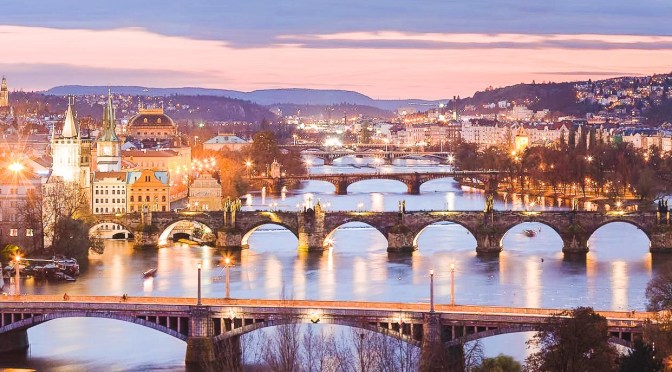
Tourister (November 2022)– Prague, Czech Praha, city, capital of the Czech Republic. Lying at the heart of Europe, it is one of the continent’s finest cities and the major Czech economic and cultural centre. The city has a rich architectural heritage that reflects both the uncertain currents of history in Bohemia and an urban life extending back more than 1,000 years.
The physical attractions and landmarks of Prague are many. Among the finest is the Charles Bridge (Karlův most), which stands astride the Vltava River. The winding course of the Vltava, with its succession of bridges and changing vistas, contrasts with the ever-present backdrop of the great castle of Hradčany (Prague Castle), which dominates the left-bank region of the city from behind massive walls set high on a hill.
The narrow streets and little taverns and restaurants of the older quarters contrast with the broad sweep of Wenceslas Square and modern parks and housing developments, while the great 18th-century Baroque palaces have their own elegance and splendour. Seen from the surrounding hills, the many church towers make up a unique perspective, giving Prague its description as the “city of a hundred spires.”
This architectural harmony was enhanced by post-1945 planning, which preserved the ancient core of the city as a major monument and carefully supervised all modern building. In 1992 the historic city centre was added to UNESCO’sWorld Heritage List.
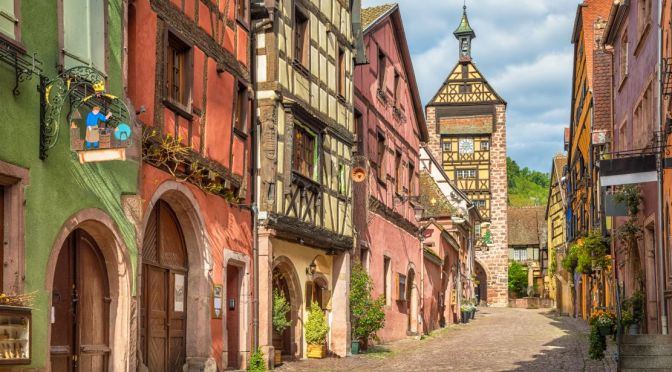
Tourist Channel (November 2022) – Riquewihr is a town located on the Alsace wine route, in eastern France. Its cobbled streets are dotted with half-timbered winemaker’s shops and tasting rooms. Winegrower’s tools and a restored kitchen are on display in the Maison de Vigneron, dating from the 16th century. The Dolder Tower from 1291 houses the Dolder Museum and centuries-old weapons.
The Tower of Thieves is a former prison from the 14th century where instruments of torture are kept. Between the Crêtes des Vosges and the plain of Alsace, Riquewihr is a medieval city, located in the heart of the Alsatian vineyard, classified among the “Most Beautiful Villages of France”.
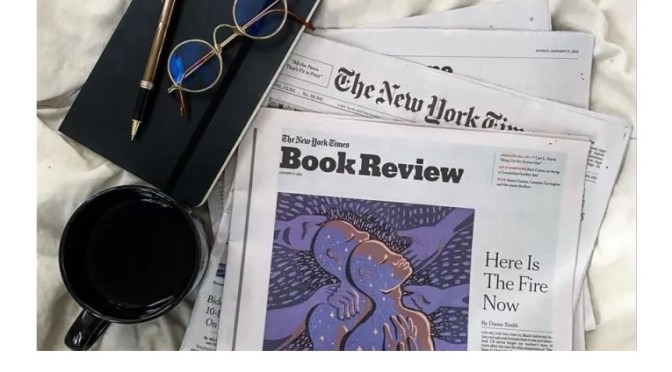
You don’t need to have read Egan’s Pulitzer-winning “A Visit From the Goon Squad” to jump feet first into this much-anticipated sequel. But for lovers of the 2010 book’s prematurely nostalgic New Yorkers, cerebral beauty and laser-sharp take on modernity, “The Candy House” is like coming home — albeit to dystopia. This time around, Egan’s characters are variously the creators and prisoners of a universe in which, through the wonders of technology, people can access their entire memory banks and use the contents as social media currency. The result is a glorious, hideous fun house that feels more familiar than sci-fi, all rendered with Egan’s signature inventive confidence and — perhaps most impressive of all — heart. “The Candy House” is of its moment, with all that implies.
Bennett, a British writer who makes her home in Ireland, first leaped onto the scene with her 2015 debut novel, “Pond.” Her second book contains all of the first’s linguistic artistry and dark wit, but it is even more exhilarating. “Checkout 19,” ostensibly the story of a young woman falling in love with language in a working-class town outside London, has an unusual setting: the human mind — a brilliant, surprising, weird and very funny one. All the words one might use to describe this book — experimental, autofictional, surrealist — fail to convey the sheer pleasure of “Checkout 19.” You’ll come away dazed, delighted, reminded of just how much fun reading can be, eager to share it with people in your lives. It’s a love letter to books, and an argument for them, too.
Kingsolver’s powerful new novel, a close retelling of Charles Dickens’s “David Copperfield” set in contemporary Appalachia, gallops through issues including childhood poverty, opioid addiction and rural dispossession even as its larger focus remains squarely on the question of how an artist’s consciousness is formed. Like Dickens, Kingsolver is unblushingly political and works on a sprawling scale, animating her pages with an abundance of charm and the presence of seemingly every creeping thing that has ever crept upon the earth.
After losing her brother when she was 12, one of the narrators of Serpell’s second novel keeps coming across men who resemble him as she works through her trauma long into adulthood. She enters an intimate relationship with one of them, who’s also haunted by his past. This richly layered book explores the nature of grief, how it can stretch or compress time, reshape memories and make us dream up alternate realities. “I don’t want to tell you what happened,” the narrator says. “I want to tell you how it felt.”
Diaz uncovers the secrets of an American fortune in the early 20th century, detailing the dizzying rise of a New York financier and the enigmatic talents of his wife. Each of the novel’s four parts, which are told from different perspectives, redirects the narrative (and upends readers’ expectations) while paying tribute to literary titans from Henry James to Jorge Luis Borges. Whose version of events can we trust? Diaz’s spotlight on stories behind stories seeks out the dark workings behind capitalism, as well as the uncredited figures behind the so-called Great Men of history. It’s an exhilarating pursuit.
An Immense World: How Animal Senses Reveal the Hidden Realms Around Us, by Ed Yong
Yong certainly gave himself a formidable task with this book — getting humans to step outside their “sensory bubble” and consider how nonhuman animals experience the world. But the enormous difficulty of making sense of senses we do not have is a reminder that each one of us has a purchase on only a sliver of reality. Yong is a terrific storyteller, and there are plenty of surprising animal facts to keep this book moving toward its profound conclusion: The breadth of this immense world should make us recognize how small we really are.
In this quietly wrenching memoir, Hsu recalls starting out at Berkeley in the mid-1990s as a watchful music snob, fastidiously curating his tastes and mercilessly judging the tastes of others. Then he met Ken, a Japanese American frat boy. Their friendship was intense, but brief. Less than three years later, Ken would be killed in a carjacking. Hsu traces the course of their relationship — one that seemed improbable at first but eventually became a fixture in his life, a trellis along which both young men could stretch and grow.
Strangers to Ourselves: Unsettled Minds and the Stories That Make Us, by Rachel Aviv
In this rich and nuanced book, Aviv writes about people in extreme mental distress, beginning with her own experience of being told she had anorexia when she was 6 years old. That personal history made her especially attuned to how stories can clarify as well as distort what a person is going through. This isn’t an anti-psychiatry book — Aviv is too aware of the specifics of any situation to succumb to anything so sweeping. What she does is hold space for empathy and uncertainty, exploring a multiplicity of stories instead of jumping at the impulse to explain them away.
Under the Skin: The Hidden Toll of Racism on American Lives and on the Health of Our Nation, by Linda Villarosa
Through case histories as well as independent reporting, Villarosa’s remarkable third book elegantly traces the effects of the legacy of slavery — and the doctrine of anti-Blackness that sprang up to philosophically justify it — on Black health: reproductive, environmental, mental and more. Beginning with a long personal history of her awakening to these structural inequalities, the journalist repositions various narratives about race and medicine — the soaring Black maternal mortality rates; the rise of heart disease and hypertension; the oft-repeated dictum that Black people reject psychological therapy — as evidence not of Black inferiority, but of racism in the health care system.
O’Toole, a prolific essayist and critic, calls this inventive narrative “a personal history of modern Ireland” — an ambitious project, but one he pulls off with élan. Charting six decades of Irish history against his own life, O’Toole manages to both deftly illustrate a country in drastic flux, and include a sly, self-deprecating biography that infuses his sociology with humor and pathos. You’ll be educated, yes — about increasing secularism, the Celtic tiger, human rights — but you’ll also be wildly, uproariously entertained by a gifted raconteur at the height of his powers.
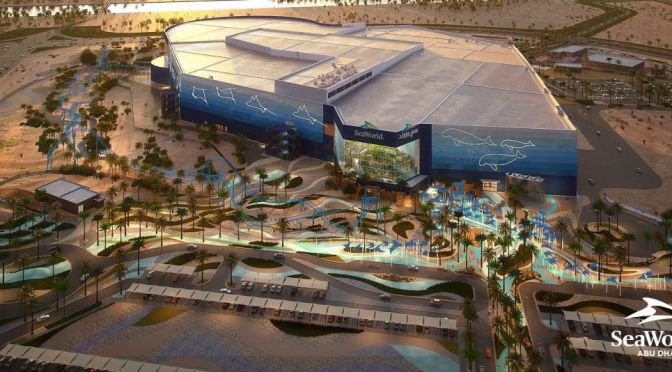
The B1M – ABU DHABI has built some of the world’s most striking construction projects. And it’s not done yet. Work is underway to build a record-breaking aquarium, one that will blow all the others out of the water.
The Shedd Aquarium in Chicago holds about 19M litres of water. Chimelong Ocean Kingdom in China holds 49M, and is currently the world’s largest – but when Sea World Abu Dhabi completes, it’ll likely contain a whopping 58M litres of water. That’s the same as 23.2 Olympic pools.
Designing and building a tank this big poses an extreme engineering challenge. It has to withstand immense water pressure, let in the right amount of light for tens of thousands of species to survive and immerse millions of visitors in an underwater world.