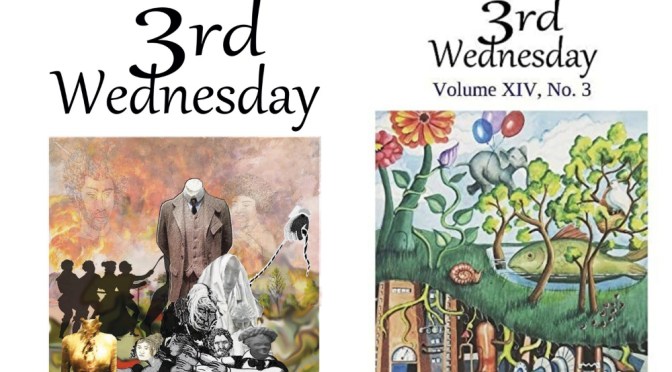
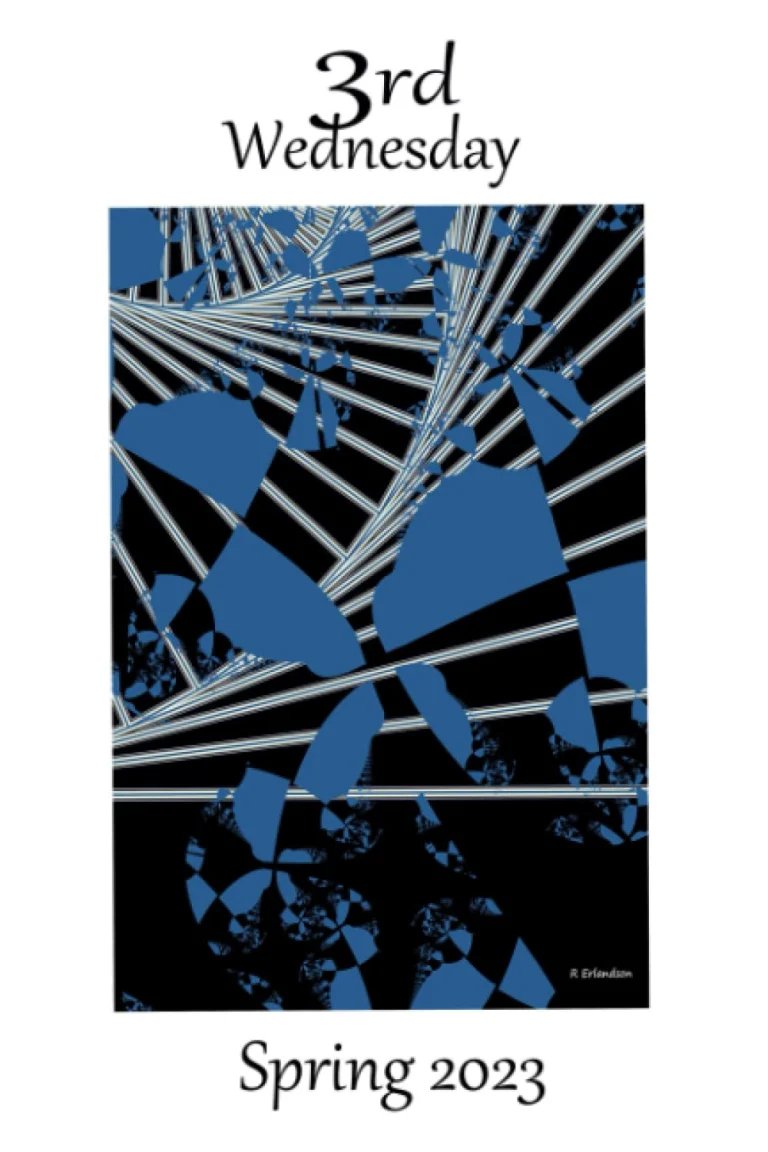
3rd Wednesday Literary Journal (Spring 2023)
Sea Otter Cove / Lucy Mitchem

Silent Hearing / Lynn Gilbert

FIGHTING DINOSAURS / ROBERT FILLMAN


3rd Wednesday Literary Journal (Spring 2023)

18 March 2023–1 October 2023
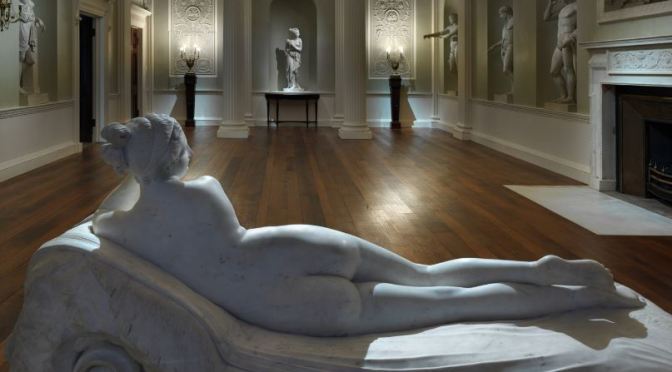
Called Mirror Mirror: Reflections on Design at Chatsworth, the exhibition brings together a collection of furniture and objects displayed throughout and responding to Chatsworth House and its gardens. In total, 16 international designers and artists created pieces that respond to the interiors of the building.
Some responded by sourcing materials from the property itself, while others focussed on themes and ideas taken from decorations within the interiors.


Material that includes carbon with the same structure as diamond could be used to protect satellites from space radiation.
People scrolling online news are 1% less likely to click on an article for each positive word in its title.
Researchers are excited about the AI — but many are frustrated that its underlying engineering is cloaked in secrecy.
March 30, 2023: Sweden summons Russia’s ambassador over Nato membership threats. Plus: Jair Bolsonaro returns to Brazil, King Charles III’s Berlin tour and a round-up of news from the UAE.
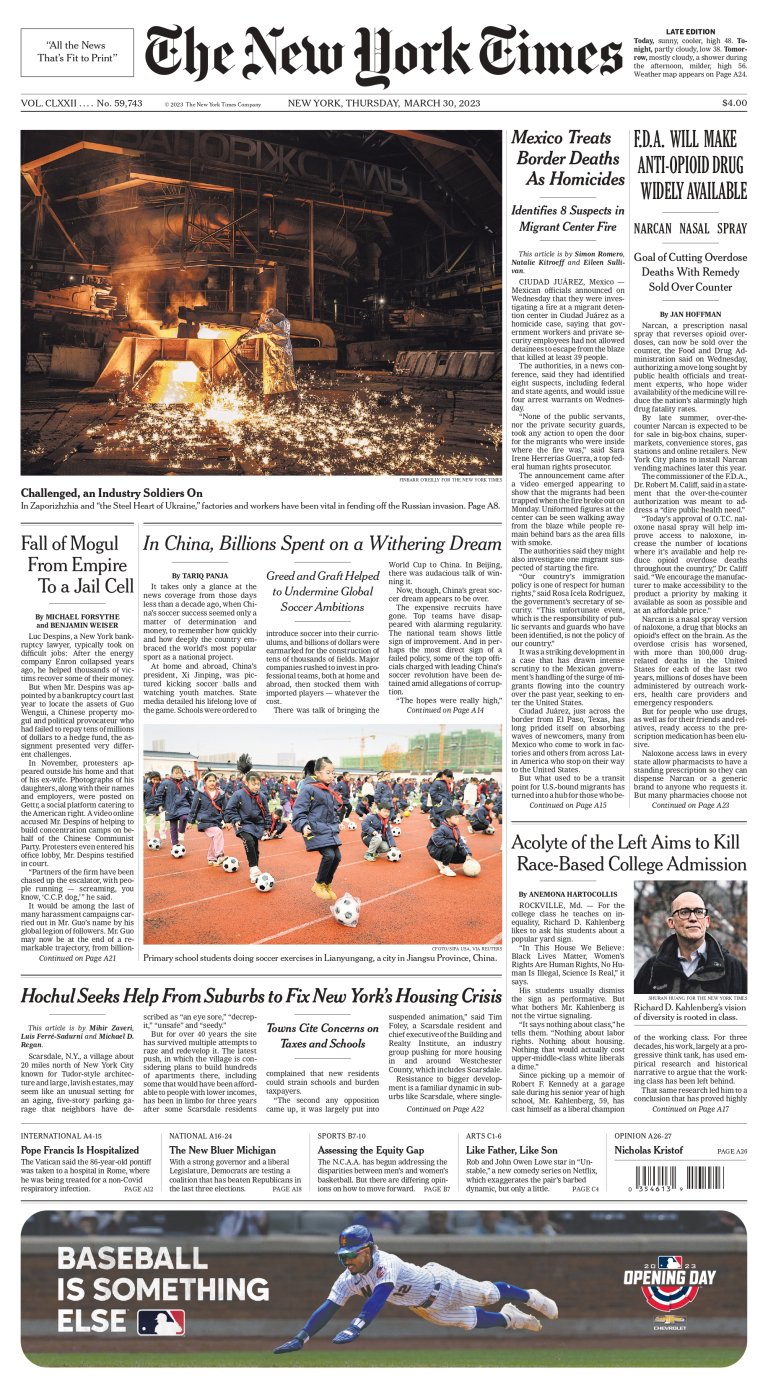

Ukraine’s iron- and steel-producing factories have made body armor, helmets and armored plates for vehicles — and steelworkers risked their lives rolling out heavy machinery at the beginning of the war to help physically block the Russian advance.

The nasal spray reverses opioid overdoses and public health officials hope that making it more widely available could save lives and reduce the nation’s high rates of drug fatalities.

The authorities identified eight suspects and said government workers and private security workers had done nothing to help migrants flee the blaze at a detention center in Ciudad Juárez.

He cultivated powerful allies and built an empire in China. Then, fleeing charges, he turned his charms on America. Now the law has caught up with him.



The number of people under 50 with cancer is increasing in many countries and for many different tumour types. Why this is occurring isn’t entirely clear, but it may be due to some aspects of modern life

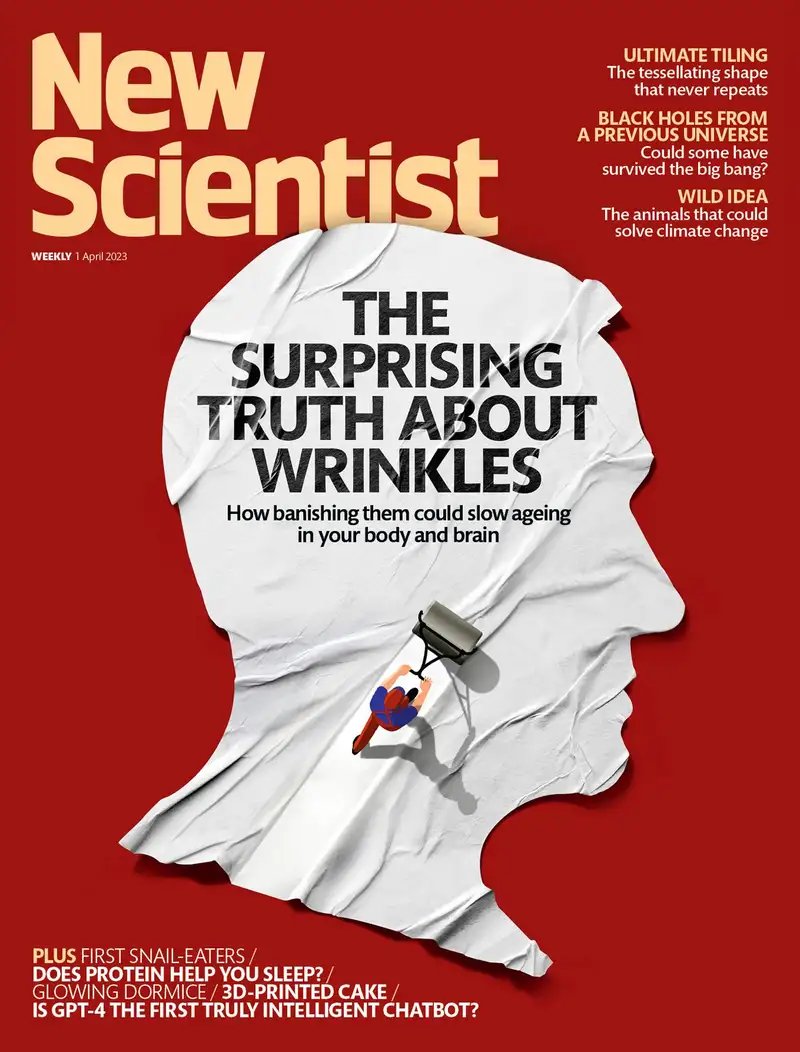
Research suggesting that wrinkles could be a driver of ageing means we need to rethink the beauty industry – and who pays for it

The city was originally a Celtic village, and under the Romans it became a garrison town called Argentoratum. It was captured in the 5th century by the Franks, who called it Strateburgum, from which the present name is derived. In 842 Charles II (the Bald), king of the West Franks, and Louis II (the German), king of the East Franks, took an oath of alliance there, the Serment de Strasbourg, a text of which is the oldest written document in Old French. After a struggle for power between its citizens and the bishops in the Middle Ages, Strasbourg became a free city within the Holy Roman Empire.
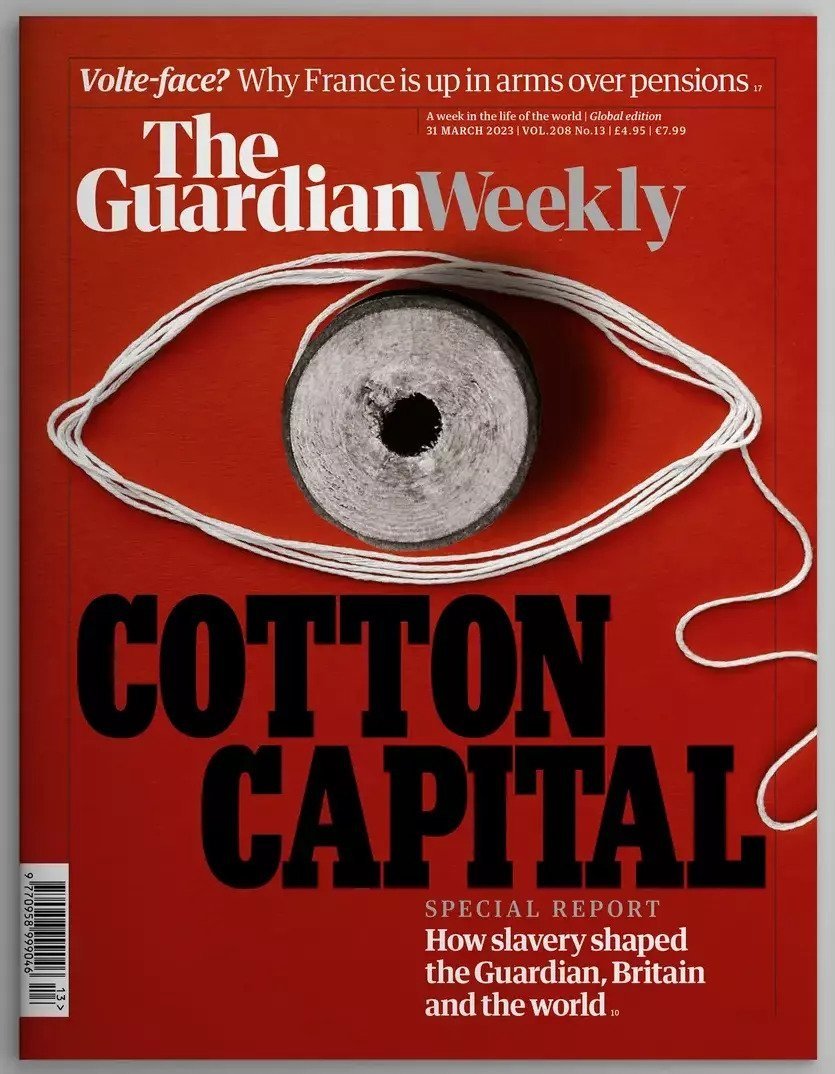

The Guardian Weekly (March 31, 2023) – This week sees an important moment in the history of the Guardian with the launch of Cotton Capital, a series revealing the links between the 19th-century Manchester founders of the newspaper, the transatlantic cotton industry and the enslaved labour upon which the trade was built.
In France, national protests against the proposed increase to the pension age have become so inflamed that a state visit by Britain’s King Charles had to be postponed. Kim Willsher reports on a wave of anger and how women are at the forefront of the demonstrations.
As if life wasn’t pressurised enough already for top-level football referees, the advent of video assistant technology only seems to have made the job even harder than ever, leading to a slew of controversial decisions. From hotel breakfasts to being holed up in front of TV monitors, William Ralston goes behind the scenes with the men and women in black.
On the Culture pages, there’s also a great interview with the indie supergroup Boygenius, whose band members Phoebe Bridgers, Lucy Dacus and Julien Baker talk to Laura Barton about songwriting, friendship and group therapy.

In this Expert Voices, art historian and Director of Leo Castelli Gallery, Barbara Bertozzi Castelli shares her interpretation of Figures, recalling her memories working with her husband and Lichtenstein whom she felt was a modest and dedicated artist, and among those that changed the path of American art in the postwar period.
A key figure in the Pop art movement and beyond, Roy Lichtenstein (1923–1997) grounded his profoundly inventive career in imitation—beginning by borrowing images from comic books and advertisements in the early 1960s, and eventually encompassing those of everyday objects, artistic styles, and art history itself. Referring to Lichtenstein’s equalizing treatment of the subjects he chose for his art, Richard Hamilton, a fellow Pop artist, wrote in 1968: “Parthenon, Picasso or Polynesian maiden are reduced to the same kind of cliché by the syntax of the print: reproducing a Lichtenstein is like throwing a fish back into water.”