
Putin’s Last Stand
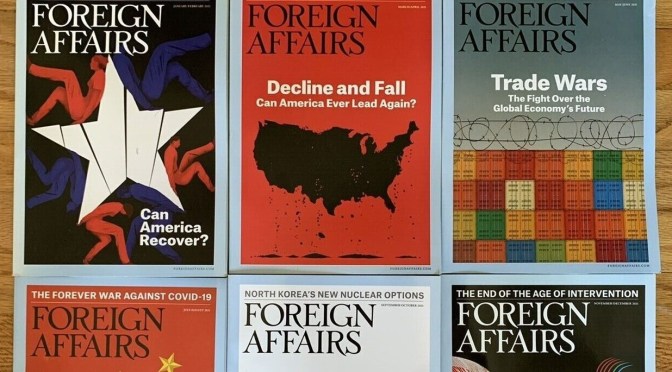
The Promise and Peril of Russian Defeat
The Global Zeitenwende
How to Avoid a New Cold War in a Multipolar Era
A Free World, If You Can Keep It
Ukraine and American Interests

The Promise and Peril of Russian Defeat
How to Avoid a New Cold War in a Multipolar Era
Ukraine and American Interests

While chronicling the major themes of terraforming and extraction, urbanization and deforestation, African Studies conveys the unsettling reality of sweeping resource depletion on both a human and industrial scale.
From natural landscapes to artisanal mining and mechanized extraction, several distinct chapters culminate with China in Africa: a series depicting the economic inroads being made by China, including the interiors of gigantic newly built manufacturing plants. This project brings together the work of seven years, presenting the latest installment in Burtynsky’s ongoing œuvre.
Get your own copy here: https://steidl.de/Books/African-Studi…
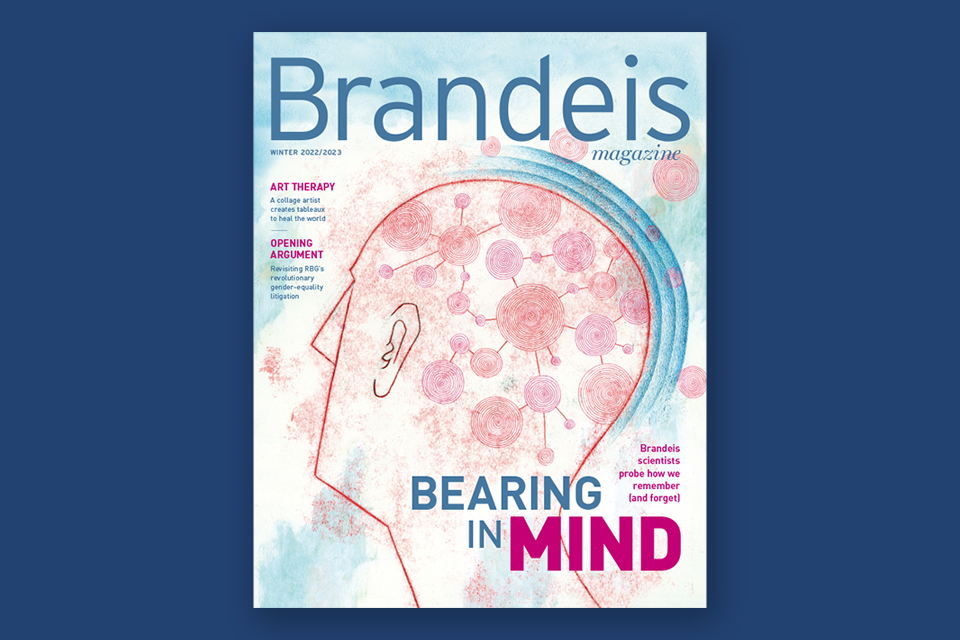

Brandeis Magazine (Winter 2022/2023):
How are memories created and preserved? Brandeis scientists are studying the brain to find out — and, ultimately, untangle disorders like Alzheimer’s and dementia.

In the 1970s, lawyer Ruth Bader Ginsburg developed an unusually successful strategy for fighting sex discrimination.

An analysis of patent data offers a window into human creativity.


History Today Magazine – January 2023 issue:
Throughout the 19th century, rival nations battled to conquer the poles. One explorer set out to establish an Arctic colony – or to get rich trying.
The Wars of the Roses saw some of the bloodiest months in English history, but winning on the battlefield did not necessarily mean winning the war.

Illustration: Adele Morgan

Literary Hub (December 19, 2022) – From 35 lists and from 29 publications (yes, there are even more lists out there, but we’re all going to die some day), tallying a total of 887 books. 84 books were highlighted on 4 or more lists, and those are collated those for you here, in descending order of frequency.

An unparalleled novel about money, power, intimacy, and perception. Even through the roar and effervescence of the 1920s, everyone in New York has heard of Benjamin and Helen Rask. He is a legendary Wall Street tycoon; she is the daughter of eccentric aristocrats. Together, they have risen to the very top of a world of seemingly endless wealth–all as a decade of excess and speculation draws to an end. But at what cost have they acquired their immense fortune? This is the mystery at the center of Bonds, a successful 1937 novel that all of New York seems to have read. Yet there are other versions of this tale of privilege and deceit.
Penguin Random House

On a bitter-cold day, in the December of his junior year at Harvard, Sam Masur exits a subway car and sees, amid the hordes of people waiting on the platform, Sadie Green. He calls her name. For a moment, she pretends she hasn’t heard him, but then, she turns, and a game begins: a legendary collaboration that will launch them to stardom. These friends, intimates since childhood, borrow money, beg favors, and, before even graduating college, they have created their first blockbuster, Ichigo. Overnight, the world is theirs.

The Earth teems with sights and textures, sounds and vibrations, smells and tastes, electric and magnetic fields. But every kind of animal, including humans, is enclosed within its own unique sensory bubble, perceiving but a tiny sliver of our immense world.In An Immense World, Ed Yong coaxes us beyond the confines of our own senses, allowing us to perceive the skeins of scent, waves of electromagnetism, and pulses of pressure that surround us. We encounter beetles that are drawn to fires, turtles that can track the Earth’s magnetic fields, fish that fill rivers with electrical messages, and even humans who wield sonar like bats.
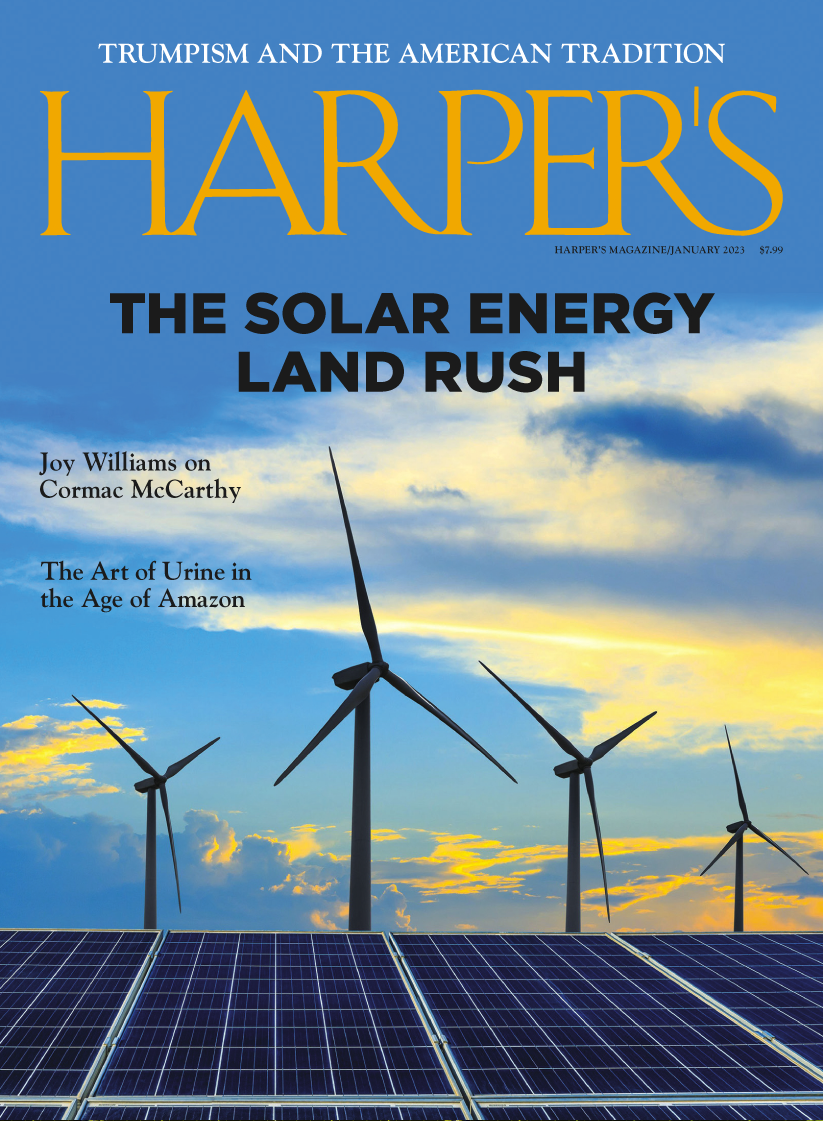
Harper’s Magazine – January 2023 Issue:

Trumpism and the American philosophical tradition
Twenty-five years ago, the philosopher Richard Rorty accomplished something many writers aspire to but few ever pull off: he predicted the future. Toward the end of his 1998 book Achieving Our Country, Rorty considered the possibility that “the old industrialized democracies are heading into a Weimar-like period, one in which populist movements are likely to overturn constitutional governments.”
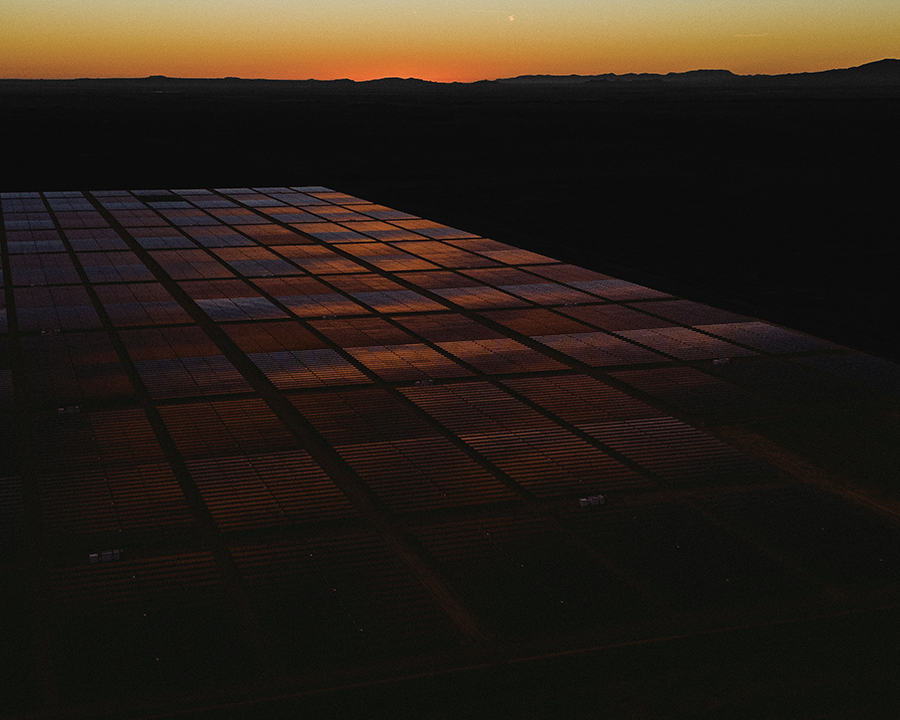
A solar land rush in the West
A solar farm in the Mojave Desert. All photographs from Nevada by Balazs Gardi, October and November 2022, for Harper’s Magazine

Our first stop: a cheese Danish. Can’t skip breakfast
The Republican leader’s ambition has always been his defining characteristic. Attempting to placate both Trumpists and moderates may lead to his downfall.

Memories of a high-school job at a local seafood restaurant, blurred by time.
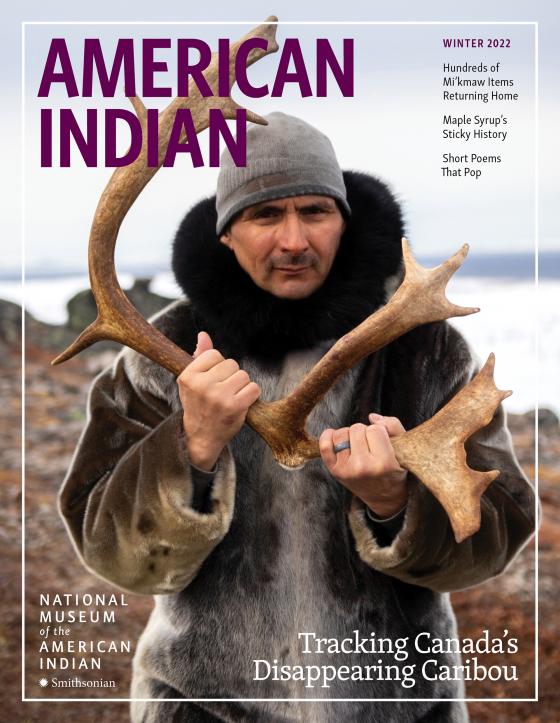

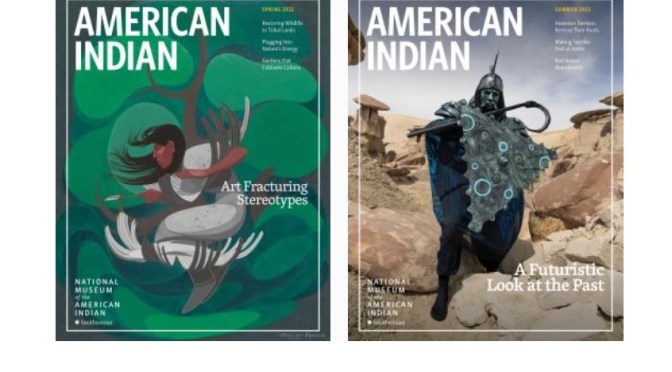
American Indian Magazine (Winter 2022-2023) issue:
The gathering of syrup from maple trees in the woodlands of Canada and the northeastern United States is an ancient practice that had helped sustain Indigenous peoples for thousands of years. Yet during the colonial era, some lost their connection to the tree and its ceremonies. Only recently have many started to reclaim it.
Robert Watt shot his first caribou when he was eight years old. A small group from his Inuit community of Kuujjuaq in northern Quebec had traveled upriver toward the confluence of the Larch and Caniapiscau Rivers to hunt the animals. The memory of that day almost four decades ago still lingers. “The air was crisp and cold,” recalled Watt. “You could see your breath.”
A selection of three essential articles read aloud from the latest issue of The Economist. This week, a looming Russian offensive, why the rich world’s politicians are giving up on growth (10:00) and can the French nuclear industry avoid meltdown? (16:25),
Ukraine’s chiefs, in an unprecedented series of briefings, tell The Economist about the critical months that lie ahead
Even when they say they want more prosperity, they act as if they don’t
As the world turns back to nuclear power, it should heed the lessons from France