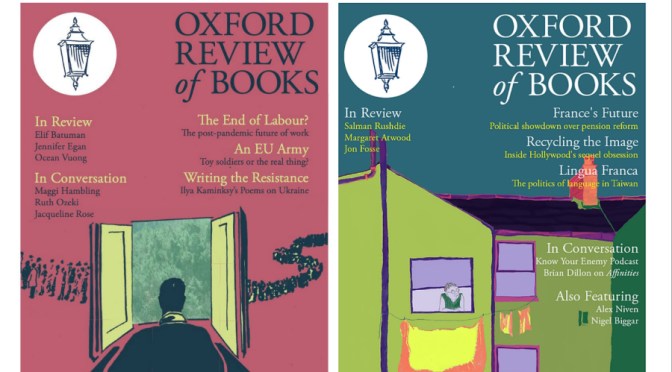
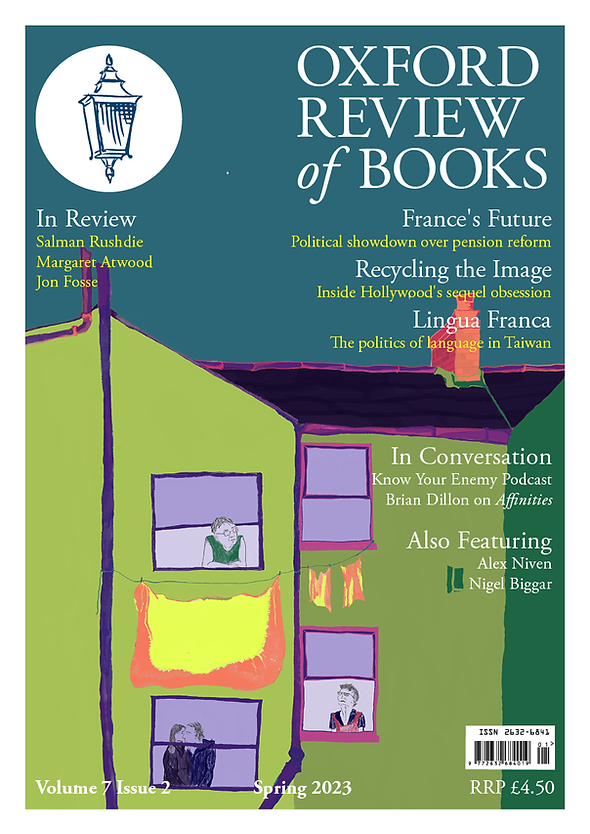
Oxford Review of Books (Spring 2023) – This issue includes reviews of the latest releases from Margaret Atwood, Salman Rushdie, and Jon Fosse, interviews with Brian Dillon and the Know Your Enemy Podcast. Our writers explore the politics of pension reform in France, Hollywood’s obsession with sequels, and the shifting linguistic landscape of Taiwan (among countless great articles!) as well as a Q+A with writer Alex Niven and Academic Nigel Biggar.
Long COVID is a poorly understood condition, with a wide spectrum of effects on multiple body systems and variable presentation in different individuals. Long COVID is of particular concern among older people (ie, aged 65 years or older), who are at greater risk than younger people of persisting symptoms associated with COVID-19. In addition, COVID-19 might trigger or exacerbate chronic conditions that occur commonly in older people, such as cardiovascular diseases, respiratory diseases, neurodegenerative conditions, and functional decline.
It is widely thought that lifespans are increasing globally. However, life expectancy has begun to stagnate in the UK, and is falling in more than 50 countries including the USA. Lifespan stagnation or decrease is a consequence of socioeconomic inequalities, lifestyle factors, and the COVID-19 pandemic. In the UK, the National Health Service spends vast sums treating chronic diseases; by some estimates, 40% of its costs go to treating preventable conditions.
The relationship of measures of age-related hearing loss such as pure-tone autiometry might not be as consistently associated with risk of dementia as previous studies have suggested. Peripheral age-related hearing loss has been posited as a midlife risk factor for dementia.
Research & review on #Alzheimers, global burden of benign prostatic hyperplasia, #WHO def of vitality capacity, IPD meta on social connection & #cognition, #oralhealth for older people & more.
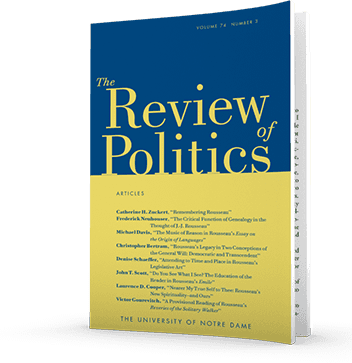
The Review of Politics publishes high-quality original research that advances scholarly debates in all areas of political theory. We welcome manuscripts on the history of political thought, analytical political theory, canonical political thought, contemporary political thought, comparative political thought, critical theory, or literature and political thought.









 Intellicurious