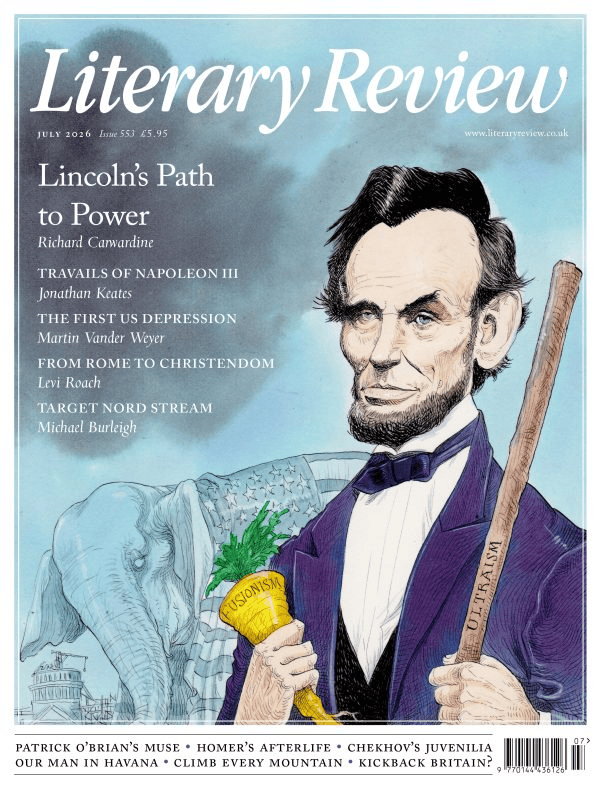
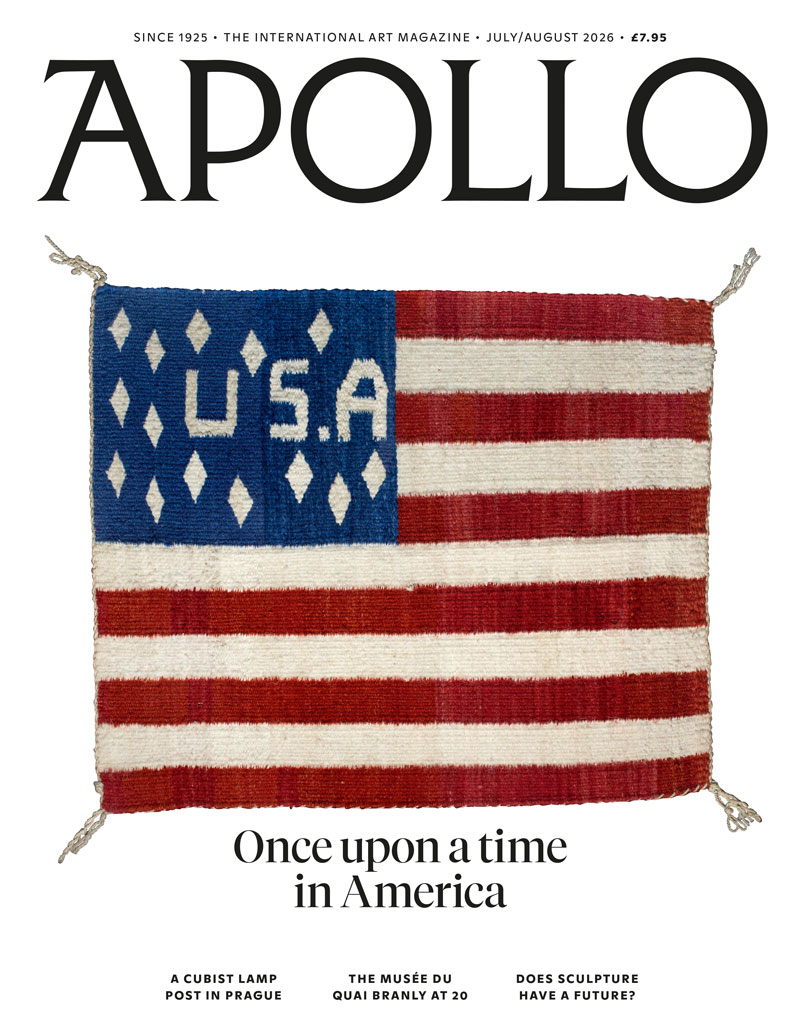
America’s centennial in 1876 was celebrated with a grand exhibition that projected an image of national unity and inventiveness in the anxious aftermath of civil war and recession.
Centennial: The Great Fair of 1876 and the Invention of America’s Future by Fergus M. Bordewich
Quinn Slobodian and Ben Tarnoff’s Muskism examines how Elon Musk became the world’s first trillionaire, by selling a vision of the future that very few people would want to inhabit.
Muskism: A Guide for the Perplexed by Quinn Slobodian and Ben Tarnoff
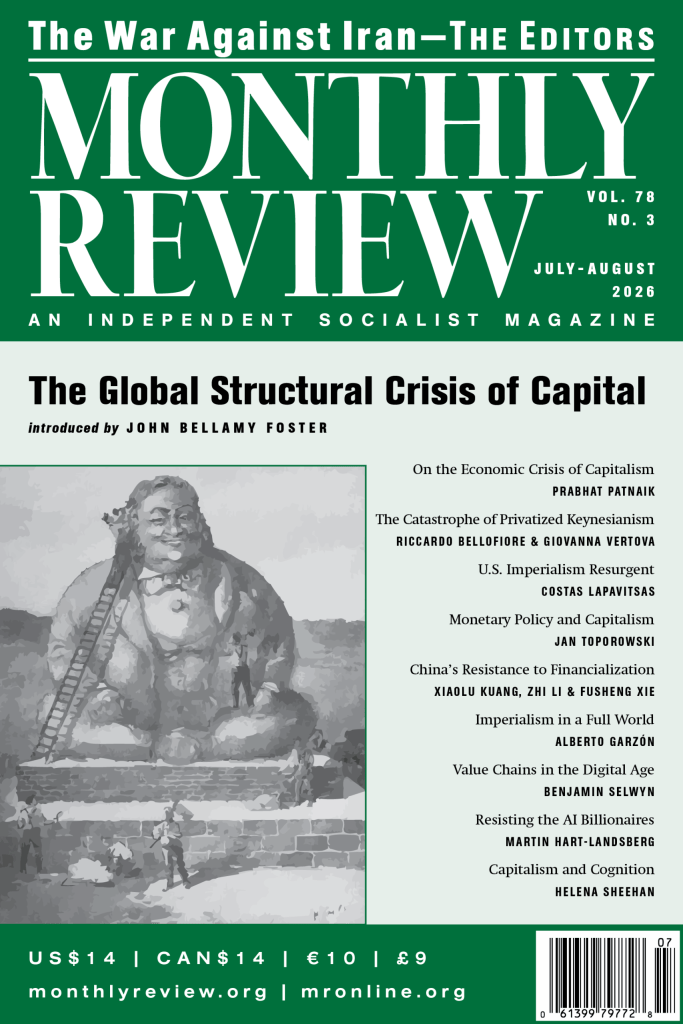
The notion of a “global structural crisis of capital” defining our times was first introduced by István Mészáros in the third edition of his Marx’s Theory of Alienation in 1971, and in his Isaac Deutscher Memorial Lecture, “The Necessity of Social Control” that same year.2 In 1995 in Beyond Capital, Mészáros distinguished the emerging, epochal structural crisis of capital from the cyclical and conjunctural crises that are “capital’s natural mode of existence.”
Hold off on that online-shopping impulse buy — there’s no substitute for carefully crafted quality
It’s getting hot in here
Ben Lerwill sets his tastebuds a-tingling as he meets the British chilli-sauce makers adding to the spice of life
Luxury
If you only buy one suitcase, make it a classic GlobeTrotter, suggests Amie Elizabeth White
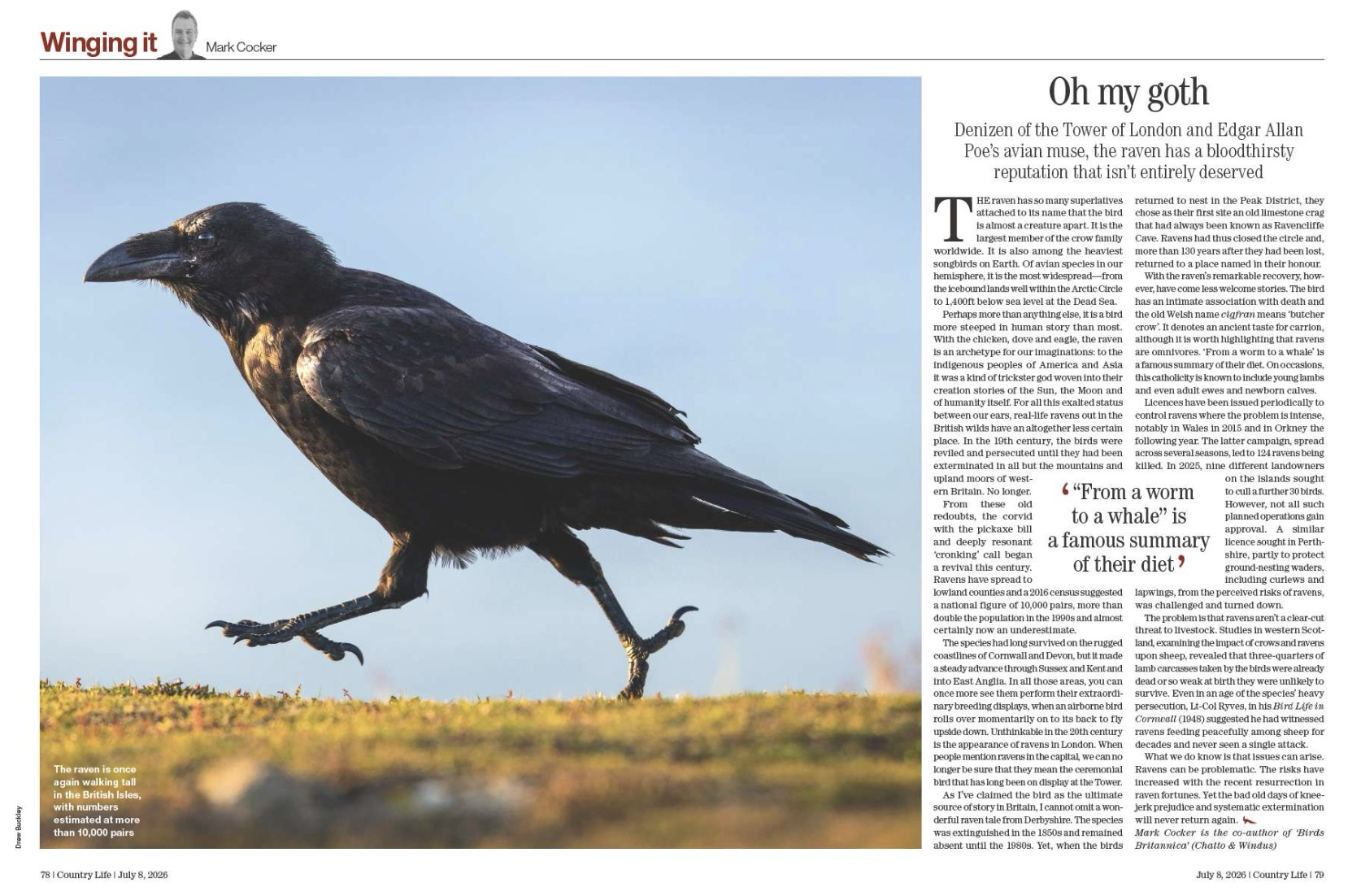
Winging it
Mark Cocker looks beyond the raven’s grim reputation to seek the truth about our largest corvid
Sir Lindsay Hoyle’s favourite painting
The Speaker of the House of Commons is captivated by the Westminster riverfront in a work with a photographic quality
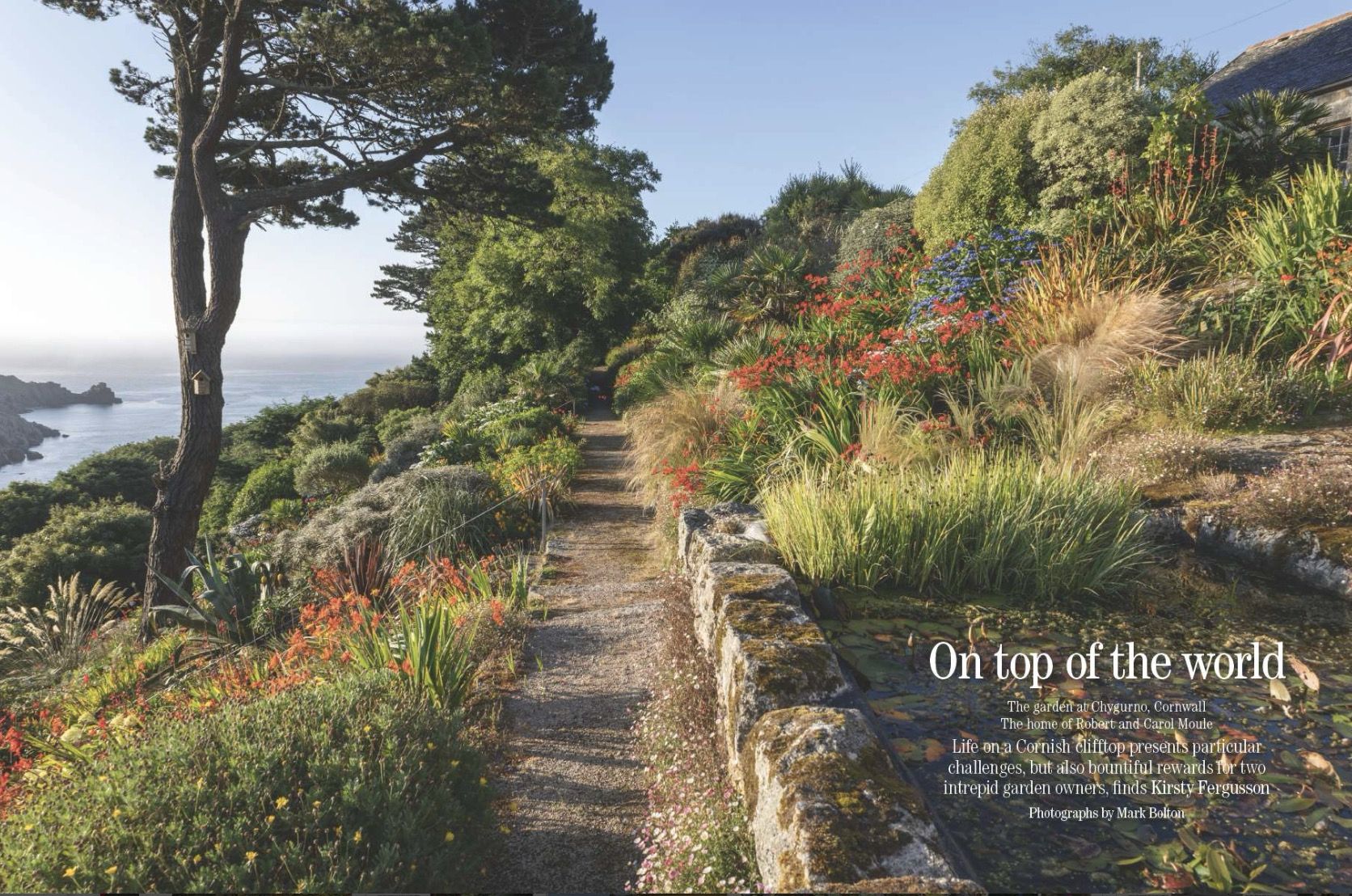
On top of the world
Kirsty Fergusson applauds the stamina of the hardy souls who tend the spectacular clifftop gardens at Chygurno, Cornwall
Country-house treasure
John Goodall stands in the stead of William Tyndale behind a preacher’s pulpit at Bucklebury House in Berkshire
The legacy
Agnes Stamp salutes Agnes Marshall, the Queen of Ices
While the cat’s away…
David Glasper lifts the lid on the cat flap, the means by which the regal feline can come and go precisely as it pleases
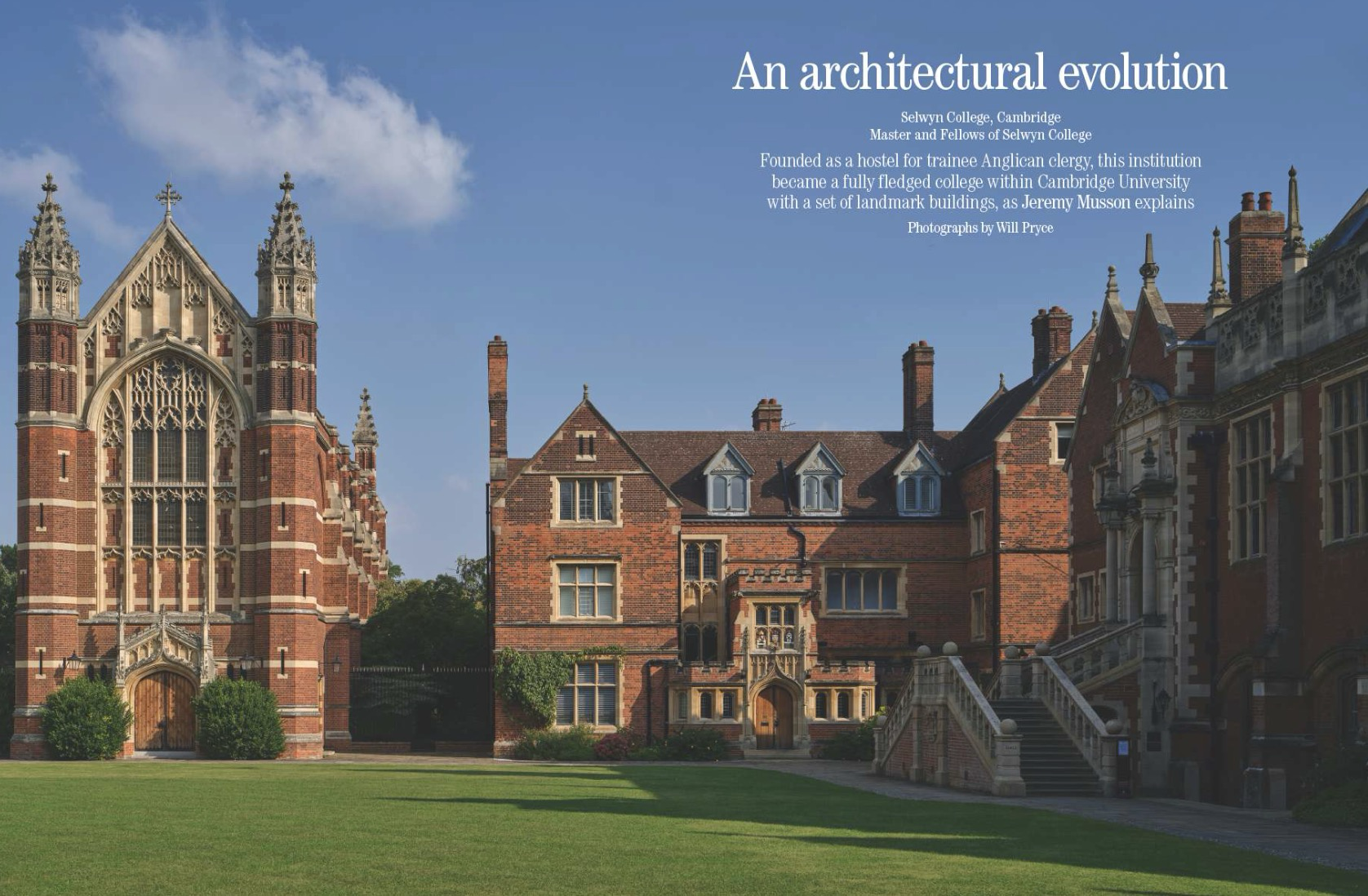
An architectural evolution
Jeremy Musson charts the rise of Selwyn College, Cambridge, from its origins as a memorial to a 19th-century missionary
The raw deal
Tom Parker Bowles savours the lip-smacking summer freshness of that Peruvian classic ceviche
Travel
Rosie Paterson unpacks the latest in luxury-yacht looks and follows in Frida Kahlo’s footsteps
Arts & antiques
Beauty and function were fused in the form of the sedan chair, the conveyance of choice for the upper echelons of Georgian society, reveals Carla Passino
Art to dine for
Intriguing art can be a meal-time conversation starter in country-house dining rooms, as Melanie Cable-Alexander discovers
Catch of the day
Collector Paul Martin shares his tips on amassing a school of exquisite antiquarian fish prints
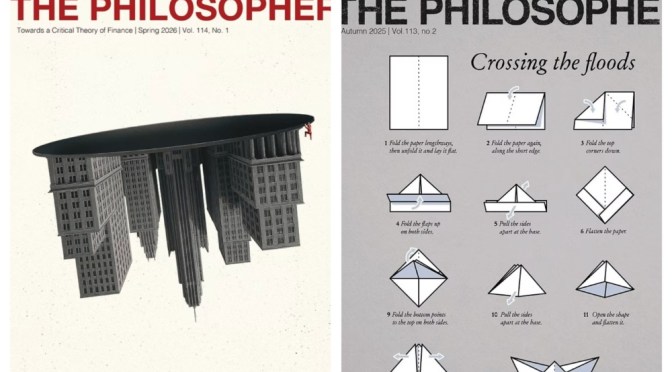
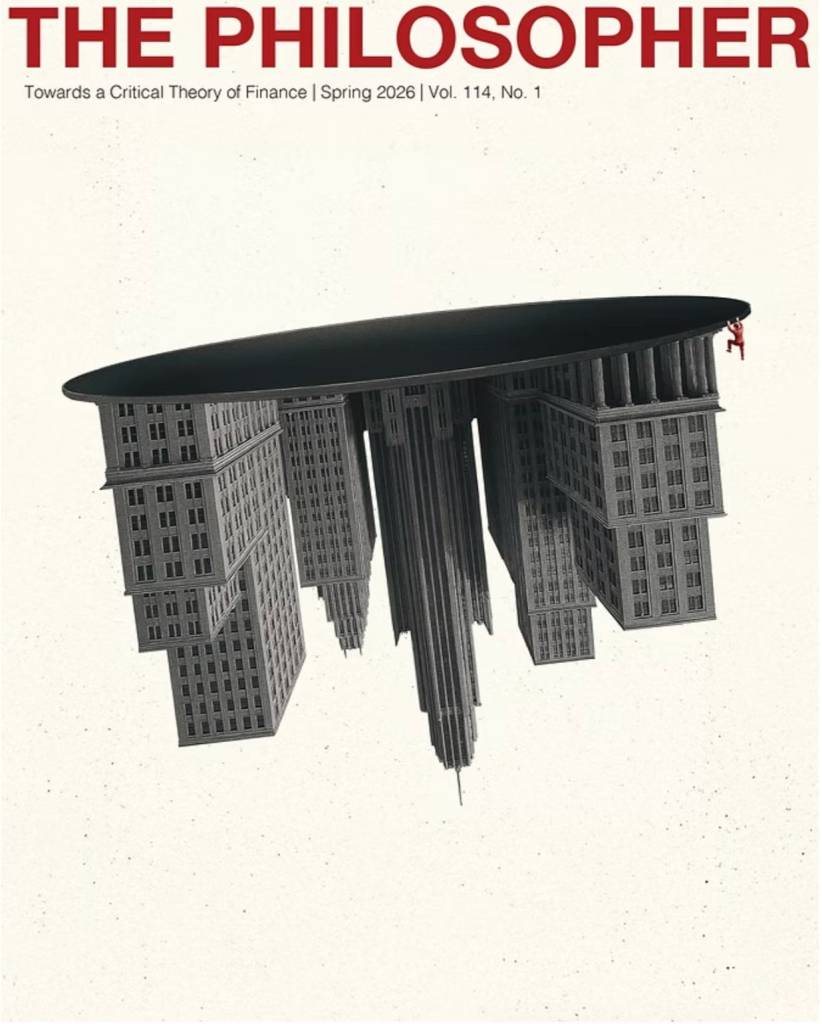
Hegel turned the world onto its head and Marx turned it back on its feet, and now finance is turning the world on its head again. In the early 19th century, Hegel proposed that human history was shaped by consciousness, by human spirit, by the head. Marx argued, in turn, that history was actually determined by practical social conditions, by the way people make their means of living, standing on their feet. It was capitalism that made it seem like heads, owners of industry and leaders of states and their apologists, intellectuals, made history happen, and not workers. The feet were the source of power while the heads claimed all the power for themselves. It is harder to believe this is true now. Industry does not matter much to finance, and labor even less. Finance packages up the productive economy to resell it according to its own rules. A few prescient people have been studying the way the new rules ruin living conditions, pervert political possibilities, and increasingly dominate the global order. Yet, there is still no field dedicated to theorising the ill effects of the newly upside-down world. We need, in short, a critical theory of finance.
In ‘Money,’ Stefan Eich exposes a paradox. Money needs everyone’s trust to operate, and yet economists and politicians claim that only they can decide on its uses. In ‘What is Monetary Policy,’ Leah Downey explains how the technocratic apparatus of policy prevents democratic decision-making. Melinda Cooper considers the challenge supposedly presented by Schumpeter’s view of the relation between family, capitalism, and democracy. Radhika Desai demonstrates a tradition in Marxist thought that already predicts financialisation and has a strong theory of it. Finally, Paul North briefly evaluates four very general positions from which to critique finance, as a preparation for a critical theory of finance.
Also in this issue, Peter West explores how Plato continues to speak to our present moment, with Angie Hobbs’ recent book offering a timely defence of dialogue against the rise of censorship, polarisation, and performative debate. Meanwhile, Marie Snyder reflects on The End Doesn’t Happen All at Once, a pandemic memoir in letters that traces how friendship, literature, and mutual care sustained lives through the disorientation and inequalities of Covid.
Kristie Miller puzzles over our preference for how our well-being is distributed over time; Alison Stone delves into Victorian philosophy as a distinct tradition in which women philosophers played a significant role; Matthew Sharpe makes the case for reclaiming Stoicism from the manosphere and the far right; Mary Peterson continues a conversation started in her 2024 article in The Philosopher, on restorative justice and sexual misconduct; and Adrian K. Yee asks what ethical issues are raised by the use of machine learning in counterterrorism.
Kate Green celebrates the astronomical achievements of Edmond Halley, who calculated the orbits of some 24 comets
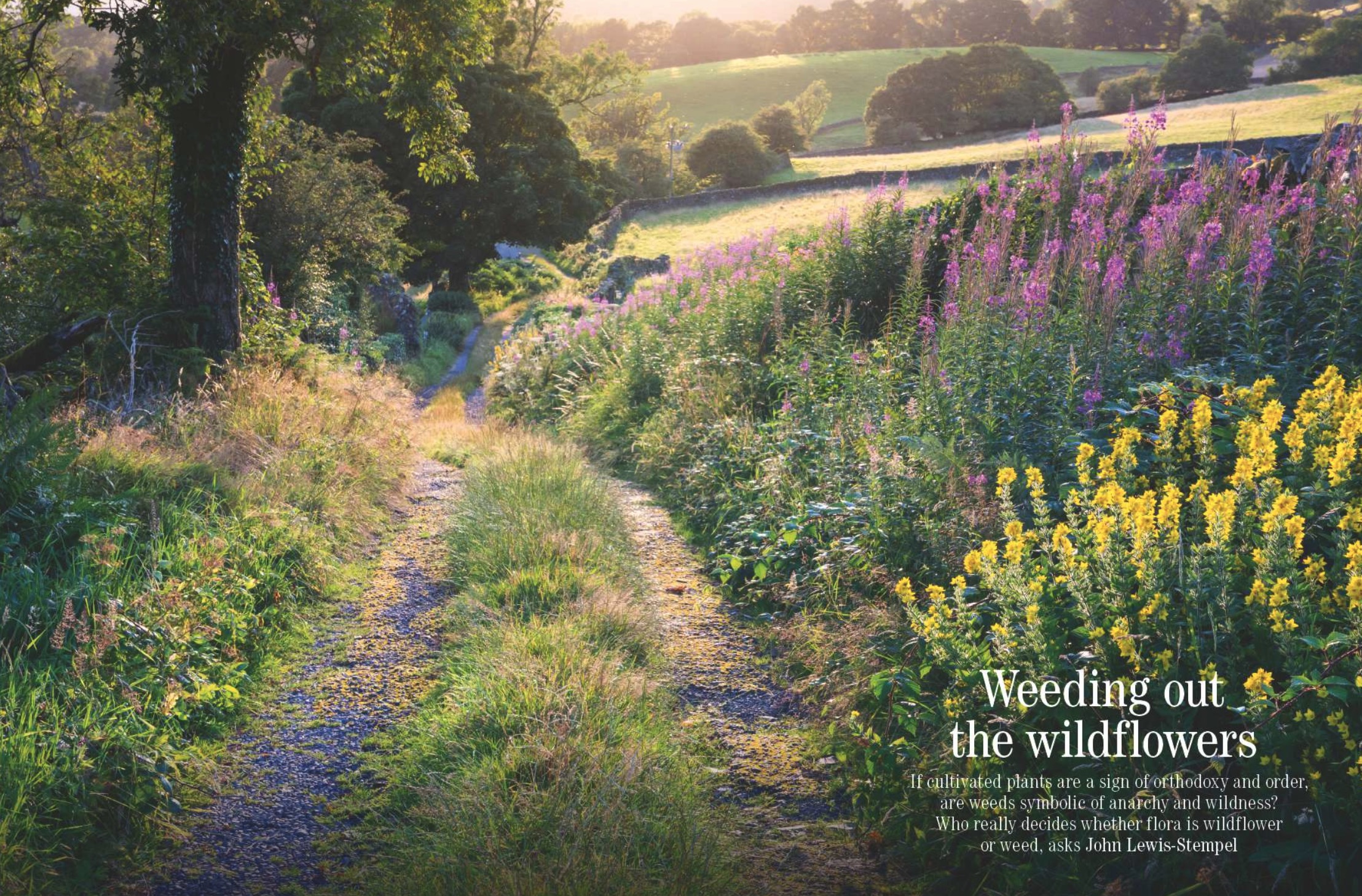
Weeding out the wildflowers
John Lewis-Stempel explores Ralph Waldo Emerson’s view of a weed as ‘a plant whose virtues have not yet been discovered’
The great escape
When wandering Ouessant ram Max goes walkabout, it makes for a testing shearing day for John Lewis-Stempel
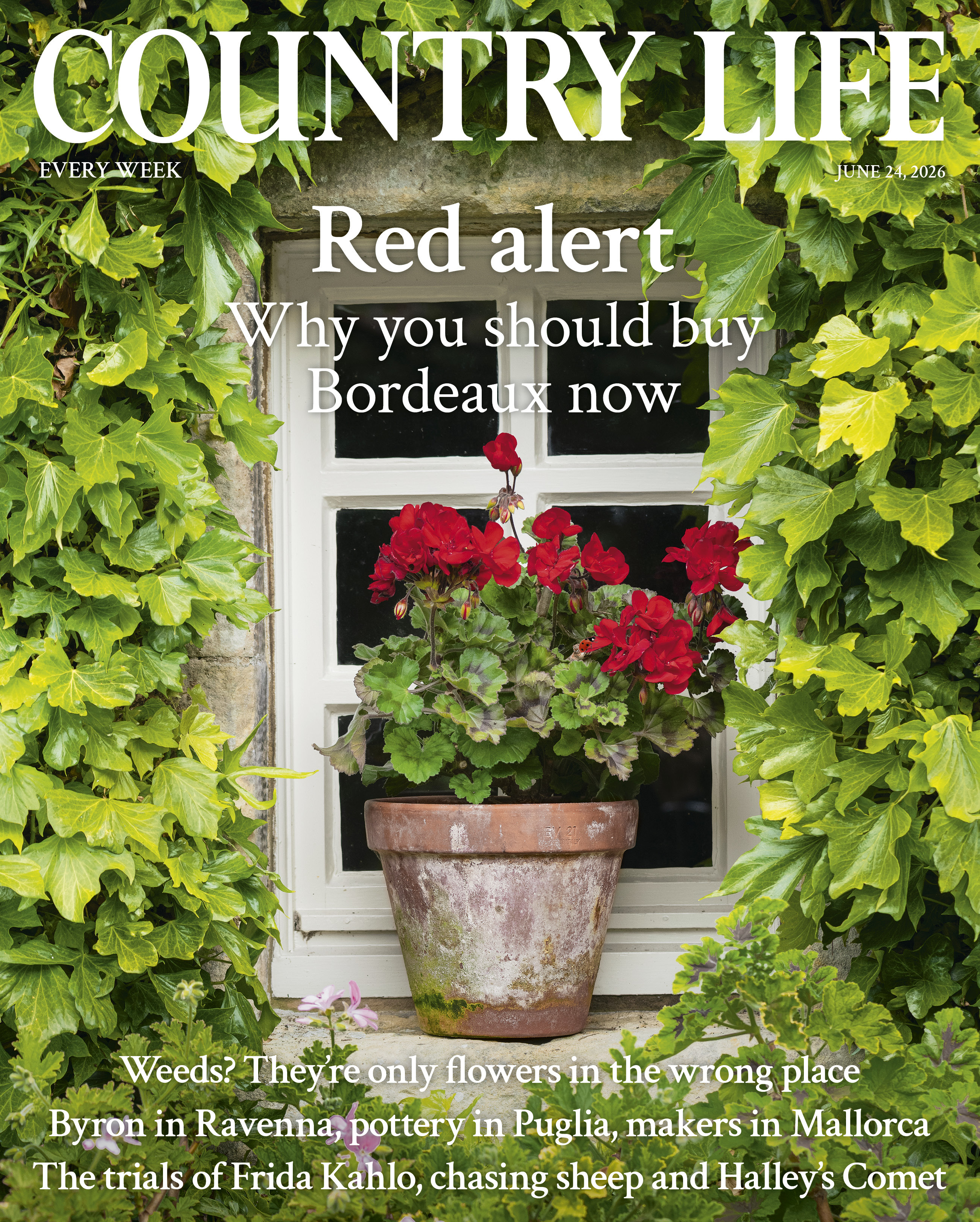
On red alert
History suggests that Bordeaux is best in years ending in a five — and 2025 is promising to maintain the sequence, says Harry Eyres
Country Life International
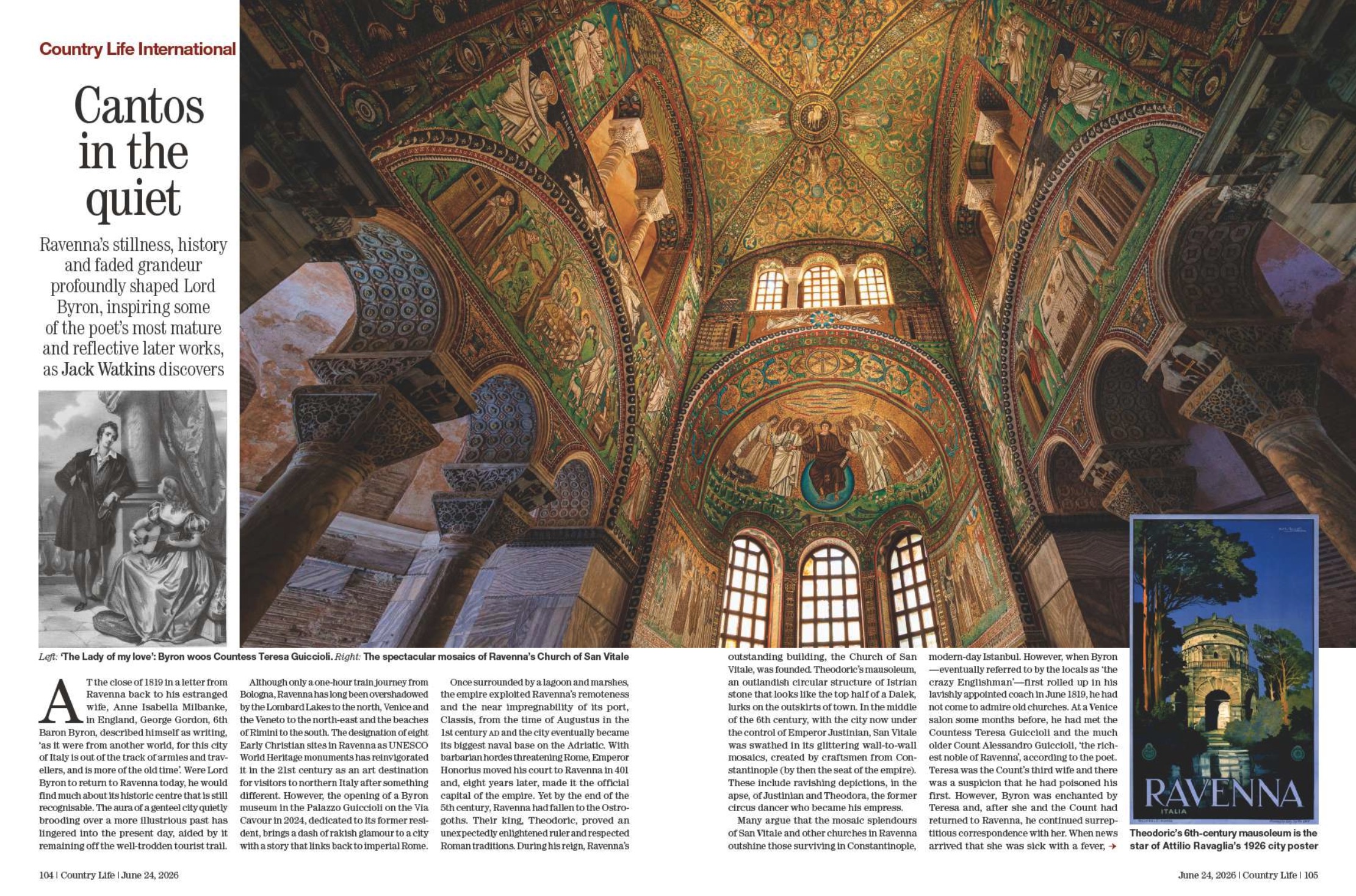
Jack Watkins treads in the foot-steps of Lord Byron in Ravenna, Corinne Julius is seduced by ceramics in Puglia, Holly Kirkwood seeks out the best properties for sale, Anna Tyzack finds artistic inspiration in Mallorca and Russell Higham charts the story of the Scarlatti dynasty in Naples
Portraits of a lady
Obsessively painting her own image helped Frida Kahlo confront the pain that blighted her life, reveals Jessica Lack
Peter Layton’s favourite painting
The artist has his head in the clouds of a van Gogh classic
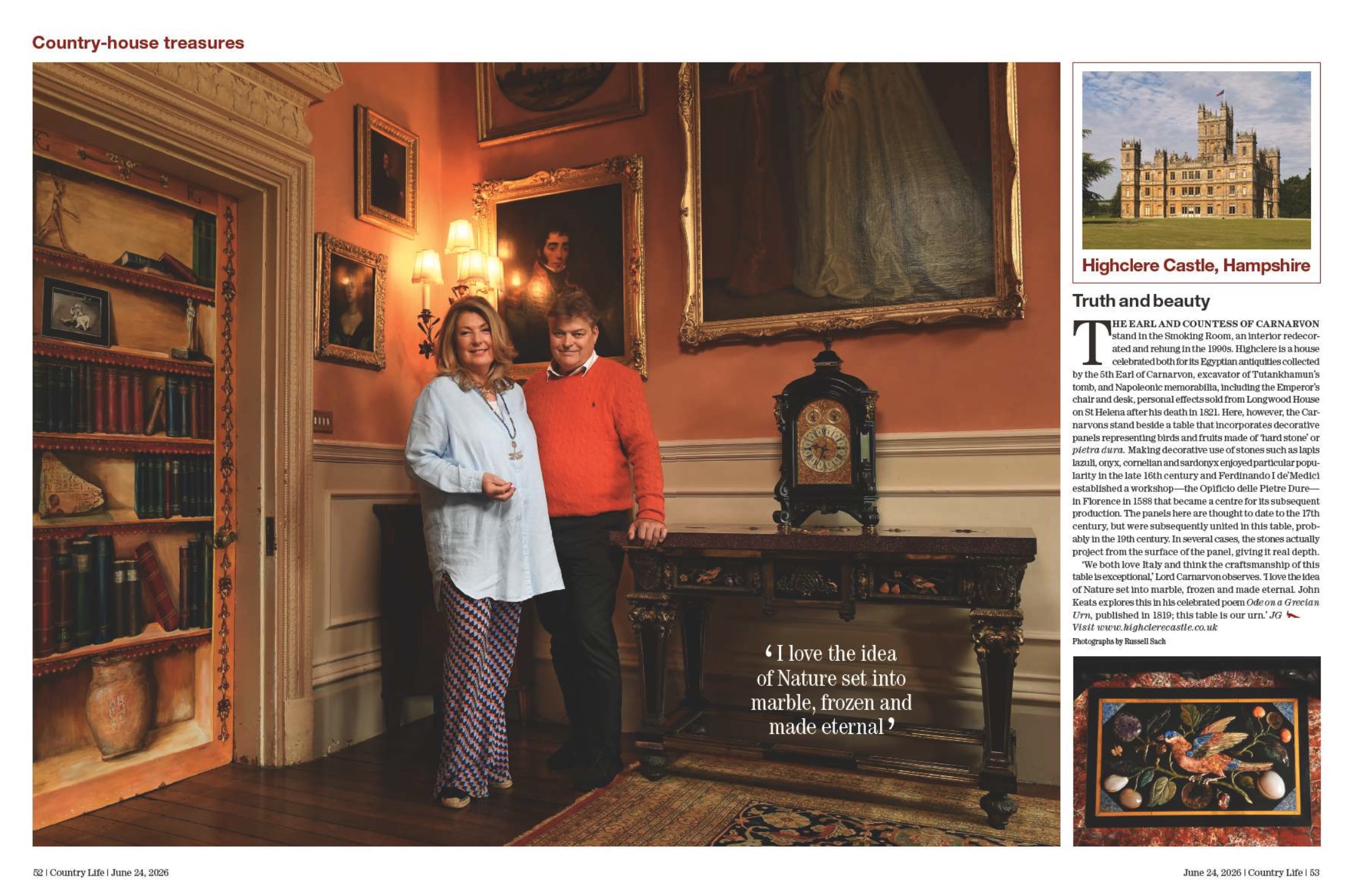
Country-house treasure
John Goodall takes a shine to an exceptional example of Italian craftsmanship at Highclere Castle in Hampshire
Wedded to the landscape
Kathryn Ferry commends the labour of love that Clough and Amabel Williams-Ellis created at Plas Brondanw in Gwynedd
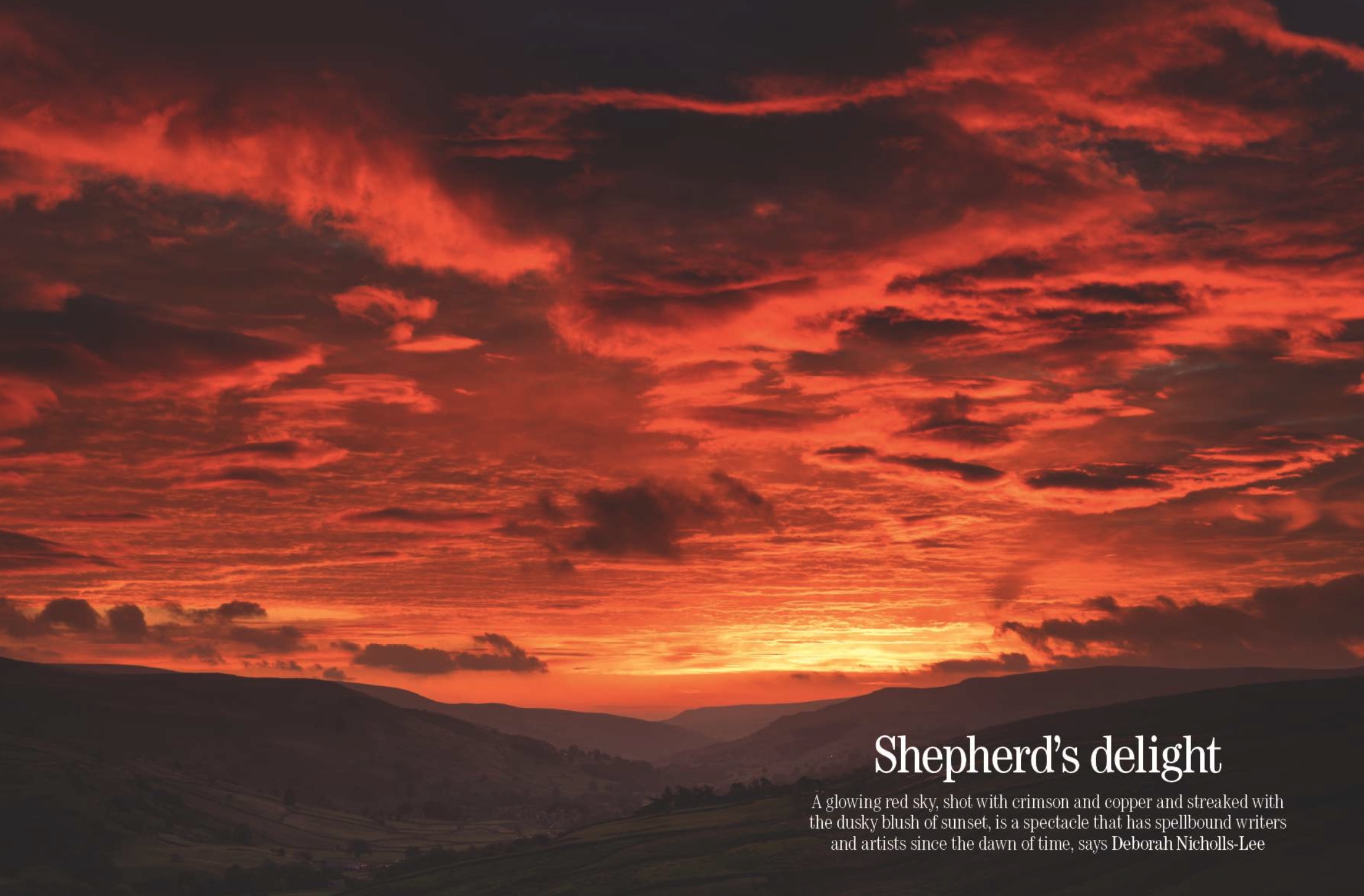
Shepherd’s delight
Skies streaked with crimson hues are a spectacular sight for Deborah Nicholls-Lee
Winging it
Mark Cocker profiles the white-tailed eagle, the apex predator of the Unloved Birds’ Club
Luxury
Amie Elizabeth White eyes Egyptian jewels and Sir Quentin Blake clothing, plus a few of Corin Mellor’s favourite things
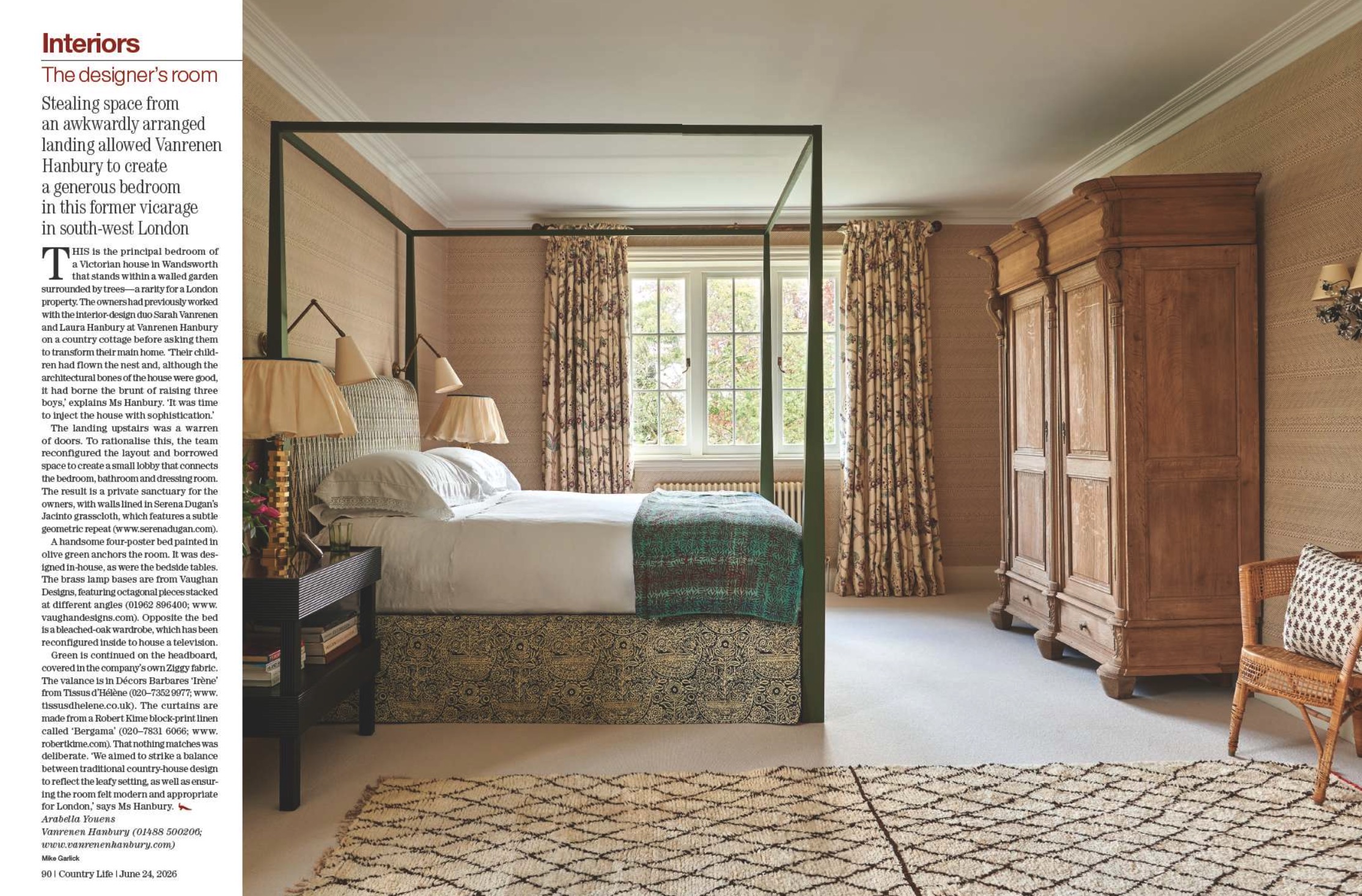
Interiors
Arabella Youens admires a restful bedroom transformation and Giles Kime celebrates the graceful ageing of verdigris
Seasons to be cheerful
Caroline Donald applauds the invention and imagination at play in the glorious gardens of Broadwoodside, East Lothian
Travel
Jo Rodgers unearths sheltered combes and steep coastlines as she heads far from the madding crowds in south Devon
Arts & antiques
Carla Passino meets Scotland’s first warriors as a new exhibition explores the long, bloody history of conflict north of the Border
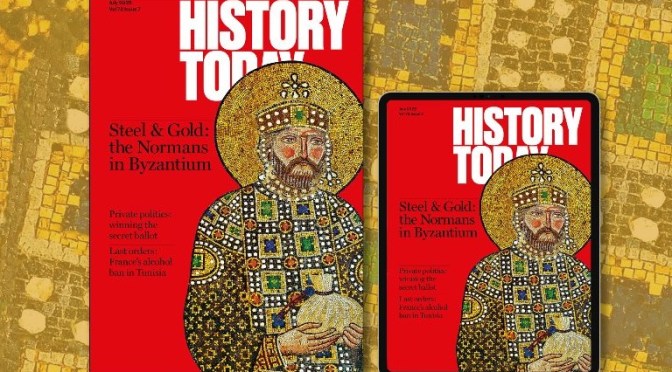
HISTORY TODAY MAGAZINE: The latest issue features ‘The Declaration of Independence’, Black Loyalists, how England learned Old English, sacrifice and early Christianity, and the Hans Crescent strike.
That the United States declared its independence in July 1776 is well known; that the British state commissioned, but never published, a counter-declaration is not.
Hoping to weaken the rebels’ cause, Britain offered freedom to enslaved people who joined the British army. At the end of the American Revolutionary War that promised freedom had to be honoured – but how and where?



 Intellicurious